Waterproofing is a critical aspect of maintaining the integrity and longevity of a building, particularly when it comes to basements. The basement is often the most vulnerable part of a structure, as it is typically located below ground level where it is exposed to moisture from the surrounding soil. This moisture can lead to a host of problems, including mold growth, structural damage, and a decrease in indoor air quality.
By implementing effective waterproofing measures, homeowners can protect their investment and create a healthier living environment. The significance of waterproofing extends beyond mere protection against water intrusion. It plays a vital role in preserving the structural integrity of the foundation.
Water can erode soil and weaken the foundation over time, leading to cracks and other structural issues. Furthermore, a well-waterproofed basement can enhance the overall value of a property. Prospective buyers are often wary of homes with a history of water damage or mold issues, making waterproofing an essential consideration for anyone looking to sell their home in the future.
Key Takeaways
- Proper waterproofing is essential to protect your basement from water damage and mold growth.
- Check for signs of water damage, such as dampness, mold, and cracks, to assess the current state of your basement.
- Consider factors such as the source of water, the severity of the issue, and your budget when choosing the right waterproofing method.
- Clear out clutter, repair cracks, and improve ventilation to prepare your basement for waterproofing.
- Hire a professional to execute the waterproofing process to ensure it is done correctly and effectively.
- Ensure proper drainage around your home to prevent water from seeping into your basement.
- Add finishing touches such as insulation and dehumidifiers to maintain a successful waterproofing system.
- Regularly inspect and maintain your waterproofing system to prevent future water damage.
Assessing the Current State of Your Basement
Before embarking on any waterproofing project, it is crucial to assess the current state of your basement. This involves a thorough inspection to identify any existing issues such as leaks, dampness, or signs of mold growth. Homeowners should look for visible water stains on walls and floors, which can indicate past or present water intrusion.
Additionally, checking for musty odors can provide clues about hidden moisture problems that may not be immediately visible. Another important aspect of this assessment is evaluating the condition of the foundation walls and floor. Cracks in the walls or floor can serve as entry points for water, so it is essential to document their size and location.
Homeowners should also consider the grading around their property; if the ground slopes toward the foundation, it can exacerbate water issues. By understanding these factors, homeowners can make informed decisions about the necessary waterproofing measures to implement.
Choosing the Right Waterproofing Method
Once the current state of the basement has been assessed, the next step is to choose the appropriate waterproofing method. There are several options available, each with its own advantages and disadvantages. One common method is exterior waterproofing, which involves applying a waterproof membrane to the outside of the foundation walls.
This method is highly effective in preventing water from entering the basement but can be labor-intensive and costly due to excavation requirements. Interior waterproofing is another option that involves sealing walls and floors with waterproof coatings or membranes. This method is generally less expensive and easier to implement than exterior waterproofing but may not address the root cause of water intrusion if there are significant external drainage issues.
Additionally, homeowners may consider installing a sump pump system to manage any water that does enter the basement. This system collects water and pumps it away from the foundation, providing an added layer of protection against flooding.
Preparing the Basement for Waterproofing
Preparation is key to a successful waterproofing project. Before any waterproofing materials can be applied, homeowners must ensure that the basement is clean and free of debris. This may involve removing furniture, appliances, and other items from the space to create an unobstructed work area.
Additionally, any existing mold or mildew should be addressed before proceeding with waterproofing efforts. Once the area is cleared, it is essential to repair any cracks or holes in the foundation walls and floor. This can be done using hydraulic cement or epoxy injections, which are designed to expand and fill gaps effectively.
After repairs are made, homeowners should allow sufficient time for these materials to cure before applying any waterproofing products. Proper preparation not only enhances the effectiveness of waterproofing measures but also ensures that they adhere properly to surfaces.
Executing the Waterproofing Process
With preparation complete, it’s time to execute the waterproofing process itself. For exterior waterproofing, this typically begins with excavating around the foundation to expose the walls. Once exposed, a waterproof membrane or coating is applied to create a barrier against moisture.
It’s crucial to ensure that this membrane is applied evenly and covers all areas without gaps or bubbles that could allow water to seep through. For interior waterproofing, homeowners may choose to apply a sealant directly onto the walls and floor. This process often involves using a roller or brush to ensure even coverage.
In some cases, additional measures such as installing drainage mats or membranes may be necessary to direct any moisture that does penetrate away from living spaces. If a sump pump system is being installed, this should be done concurrently with other waterproofing efforts to ensure that all components work together effectively.
Ensuring Proper Drainage
Identifying and Improving Drainage Systems
Homeowners should assess their existing drainage systems and consider upgrades if necessary. This may involve installing gutters and downspouts that direct rainwater away from the foundation or adding French drains around the perimeter of the home.
French Drains: A Solution for Poor Drainage Conditions
French drains consist of perforated pipes buried in gravel that collect and redirect excess water away from the foundation. They are particularly useful in areas with high groundwater levels or poor drainage conditions.
Landscaping and Water Intrusion Prevention
Additionally, ensuring that landscaping slopes away from the home can help prevent water from pooling near the foundation. By addressing drainage issues proactively, homeowners can significantly reduce the risk of water intrusion in their basements.
Finishing Touches for a Successful Basement
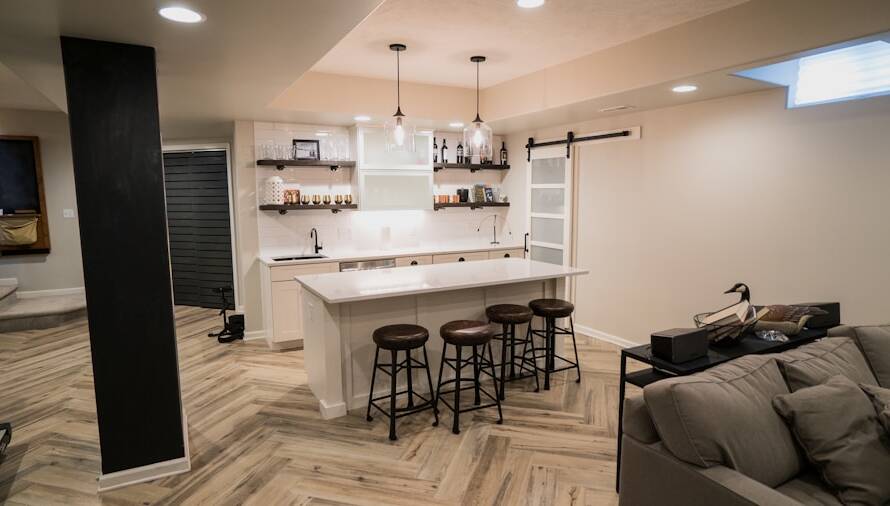
After completing the waterproofing process and ensuring proper drainage, it’s time to focus on finishing touches that will enhance both functionality and aesthetics in your basement. This may involve installing flooring materials that are resistant to moisture, such as vinyl or tile, which can withstand potential dampness without warping or deteriorating over time. Additionally, applying a fresh coat of paint designed for high-humidity environments can help protect walls while also improving overall appearance.
Homeowners may also want to consider adding insulation to improve energy efficiency and comfort in their basements. Insulating walls and ceilings can help regulate temperature and reduce heating costs during colder months. Furthermore, incorporating adequate lighting and ventilation will create a more inviting atmosphere while also helping to prevent moisture buildup that could lead to mold growth.
Maintaining the Waterproofing Over Time
The final step in ensuring long-term success with basement waterproofing is establishing a maintenance routine. Regular inspections should be conducted to check for any signs of water intrusion or damage that may have developed over time. Homeowners should pay particular attention to areas where cracks may have formed or where sealants may have begun to wear away.
Additionally, maintaining drainage systems is crucial for ongoing effectiveness. This includes cleaning gutters and downspouts regularly to prevent clogs and ensuring that French drains remain clear of debris. If a sump pump has been installed, testing it periodically will ensure that it functions properly when needed most.
By committing to regular maintenance, homeowners can extend the life of their waterproofing efforts and protect their basements from future water-related issues.
If you are looking to transform your basement into a stylish and functional space, you may want to consider installing a basement bar and lounge. This article on com/basement-bar-lounge-installations/’>basement bar and lounge installations provides valuable tips and inspiration for creating a cozy and inviting entertainment area in your home.
By combining waterproofing techniques with a well-designed bar and lounge setup, you can achieve a successful finish that will enhance the overall appeal and value of your Brooklyn home.
FAQs
What are the benefits of waterproofing your basement?
Waterproofing your basement can prevent water damage, mold growth, and structural issues. It can also create a more comfortable and usable space for living or storage.
What are the common methods of waterproofing a basement?
Common methods of waterproofing a basement include exterior waterproofing, interior waterproofing, and the installation of a sump pump or French drain system.
How can I identify if my basement needs waterproofing?
Signs that your basement may need waterproofing include water stains, musty odors, efflorescence (white, chalky residue on walls), and visible cracks in the foundation.
Can I waterproof my basement myself, or should I hire a professional?
While some DIY waterproofing products are available, it is often best to hire a professional for basement waterproofing to ensure the job is done correctly and effectively.
How much does it cost to waterproof a basement?
The cost of waterproofing a basement can vary depending on the size of the basement, the method of waterproofing, and the extent of any existing water damage or structural issues. It is best to get a professional assessment and quote for an accurate cost estimate.
How long does it take to waterproof a basement?
The time it takes to waterproof a basement can vary depending on the method used and the extent of the work needed. It is best to consult with a professional to get a more accurate timeline for your specific situation.