Proper lighting in a basement is not merely an aesthetic choice; it plays a crucial role in transforming an often overlooked space into a functional and inviting area. Basements are typically characterized by limited natural light, which can lead to a gloomy atmosphere if not addressed effectively. The right lighting can enhance the usability of the space, making it suitable for various activities such as entertaining, working, or relaxing.
Moreover, well-planned lighting can significantly impact the perceived size and ambiance of the basement, creating an illusion of openness and warmth. In addition to enhancing the visual appeal, proper lighting in a basement can also improve safety. Poorly lit areas can become hazardous, increasing the risk of accidents such as trips and falls.
By strategically placing light fixtures and ensuring adequate illumination, homeowners can create a safer environment. Furthermore, good lighting can help highlight potential issues such as dampness or structural concerns, allowing for timely maintenance and repairs. Thus, understanding the importance of proper lighting is essential for anyone looking to optimize their basement space.
Key Takeaways
- Proper lighting in a basement is important for creating a functional and inviting space.
- Choose light fixtures that complement the style and size of your Brooklyn basement.
- Maximize natural light by keeping windows unobstructed and using light-colored decor.
- Use mirrors strategically to create the illusion of more space and reflect natural light.
- Incorporate task lighting for specific activities and ambient lighting for a cozy atmosphere.
Choosing the Right Light Fixtures for Your Brooklyn Basement
When it comes to selecting light fixtures for a Brooklyn basement, several factors must be considered to ensure both functionality and style. The first step is to assess the size and layout of the space. For larger basements, a combination of different types of fixtures may be necessary to achieve balanced illumination.
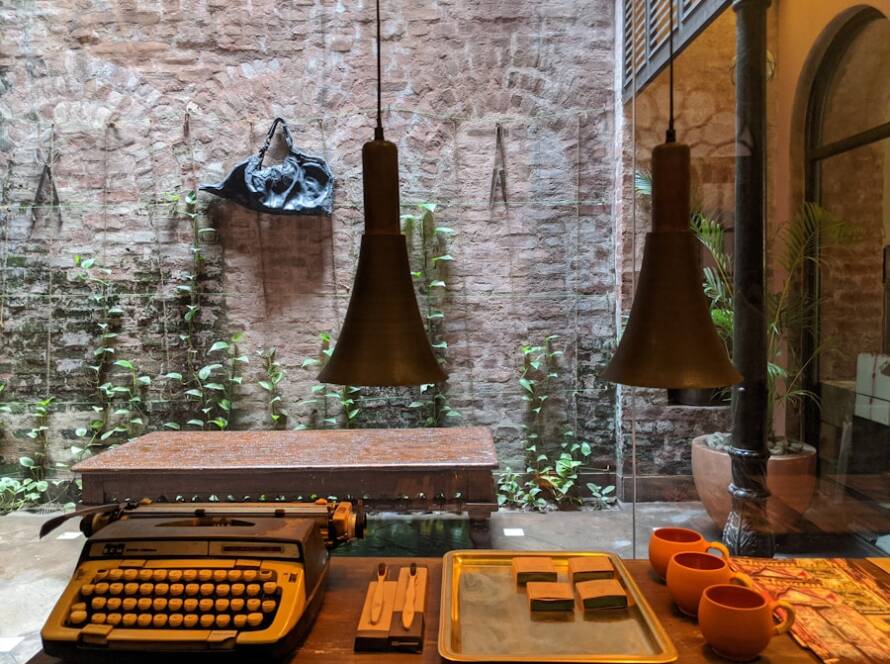
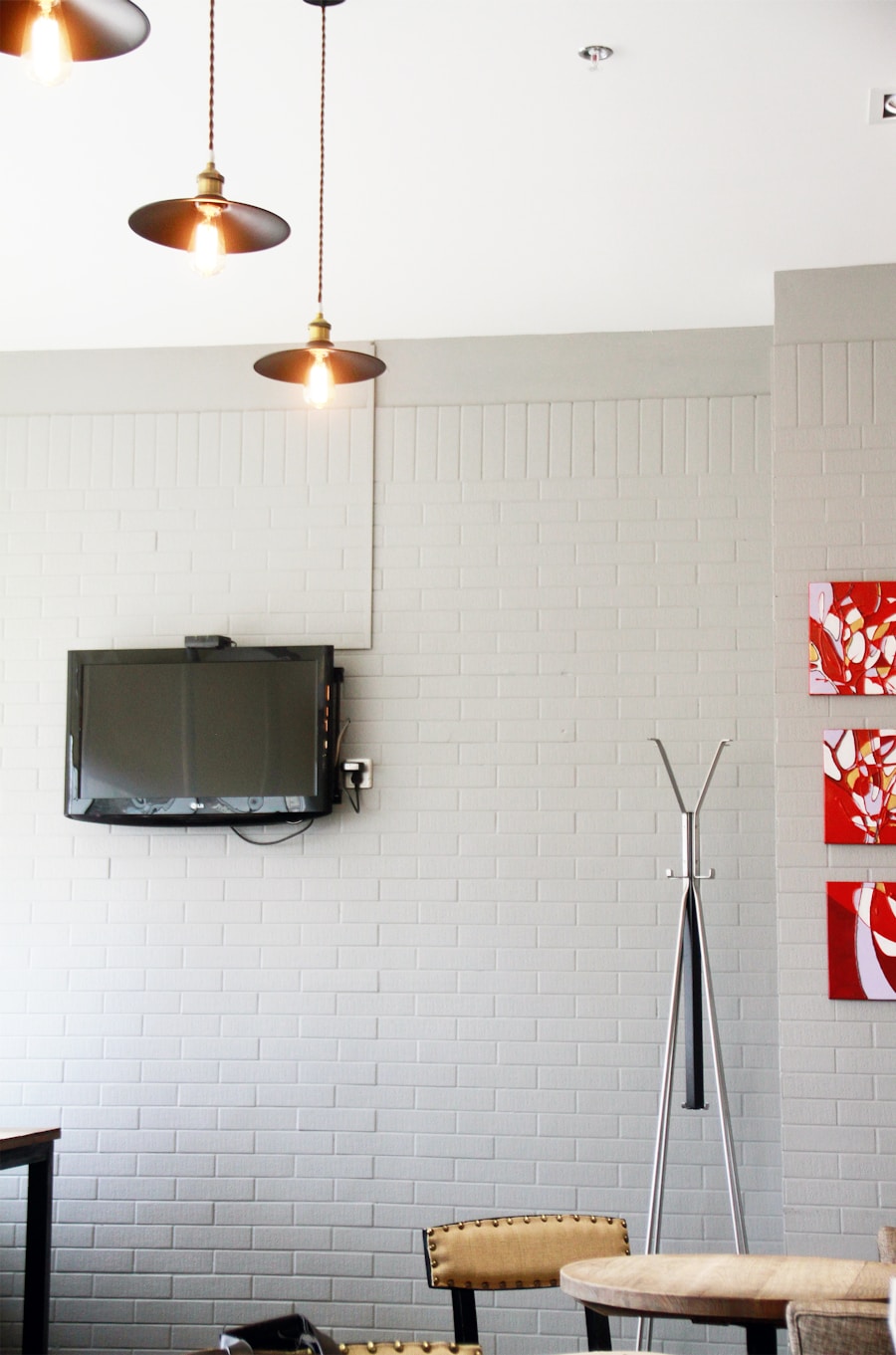
Recessed lighting is a popular choice for its sleek appearance and ability to provide even light distribution without taking up valuable ceiling space. On the other hand, pendant lights can serve as focal points while also providing ample light for specific areas. Another important consideration is the style of the fixtures.
In a city like Brooklyn, where design aesthetics often reflect a blend of modern and vintage influences, choosing fixtures that complement the overall decor is essential. Industrial-style fixtures with exposed bulbs can add character to a basement with raw brick walls, while more contemporary designs may suit a sleek, minimalist space. Additionally, energy-efficient options such as LED lights should be prioritized not only for their longevity but also for their lower environmental impact and cost savings over time.
Maximizing Natural Light in Your Basement

Maximizing natural light in a basement can dramatically alter its atmosphere and functionality. While many basements lack windows or have small ones, there are creative strategies to enhance daylight penetration. One effective method is to install larger windows or egress windows if local building codes permit.
These windows not only allow more light but also provide necessary ventilation, contributing to a healthier indoor environment.
Another approach to maximizing natural light involves using lighter colors in the decor and furnishings.
Light-colored walls, ceilings, and flooring can reflect sunlight more effectively than darker shades, creating a brighter ambiance even when natural light is limited. Additionally, strategically placing mirrors opposite windows can amplify the effect of natural light by reflecting it throughout the room. This technique not only enhances brightness but also creates a sense of depth and spaciousness that is often lacking in basement environments.
Using Mirrors to Create the Illusion of Space
Mirrors are powerful tools in interior design, particularly in smaller or dimly lit spaces like basements. By strategically placing mirrors, homeowners can create an illusion of depth and openness that counteracts the often confined feeling of these areas. A large mirror on one wall can make the room appear significantly larger than it is, while smaller mirrors placed throughout the space can add visual interest and enhance light reflection.
In addition to their spatial benefits, mirrors can also serve as decorative elements that contribute to the overall aesthetic of the basement. Choosing mirrors with unique frames or artistic designs can add character and style to the room. For instance, a vintage mirror with an ornate frame can serve as a statement piece in an otherwise minimalist setting, while a series of smaller mirrors arranged in an artistic pattern can create a modern gallery wall effect.
This dual functionality makes mirrors an invaluable asset in basement design.
Incorporating Task Lighting for Functionality
Task lighting is essential in any space where specific activities take place, and basements are no exception. Whether the area is used for hobbies, work, or entertainment, adequate task lighting ensures that these activities can be performed safely and effectively. For example, if the basement serves as a home office or workshop, desk lamps or adjustable task lights should be incorporated to provide focused illumination on work surfaces.
In recreational areas such as game rooms or home theaters, task lighting can enhance the experience by providing adequate light for reading or playing games without detracting from the overall ambiance. Adjustable floor lamps or wall-mounted sconces can be positioned near seating areas to offer targeted lighting when needed. By thoughtfully integrating task lighting into the basement design, homeowners can ensure that their space is not only visually appealing but also highly functional.
Utilizing Ambient Lighting for a Cozy Atmosphere
Choosing the Right Lighting Sources
To achieve this effect, homeowners can opt for various sources such as ceiling-mounted fixtures, wall sconces, or even floor lamps strategically placed around the room. Dimmers are an excellent addition to ambient lighting setups as they allow for adjustable brightness levels depending on the time of day or activity taking place.
Creating an Intimate Setting
For instance, during movie nights, dimming the lights creates an intimate setting perfect for enjoying films with family and friends.
Enhancing the Cozy Feel
Additionally, incorporating warm-toned bulbs can enhance the cozy feel of the space by casting a soft glow that mimics natural light during sunset.
Avoiding Harsh Overhead Lighting
Harsh overhead lighting can be detrimental to the overall ambiance of a basement, often leading to an unwelcoming and sterile environment.
To avoid this issue, it is essential to choose softer lighting options that provide even illumination without overwhelming brightness.
Instead of relying solely on overhead fixtures, consider layering different types of lighting throughout the basement. Combining ambient lighting with task and accent lights allows for greater flexibility in creating a comfortable atmosphere tailored to various activities. For example, using recessed lights with dimmable features alongside strategically placed floor lamps can help achieve a balanced lighting scheme that avoids harshness while still providing adequate illumination.
Incorporating Accent Lighting to Highlight Features
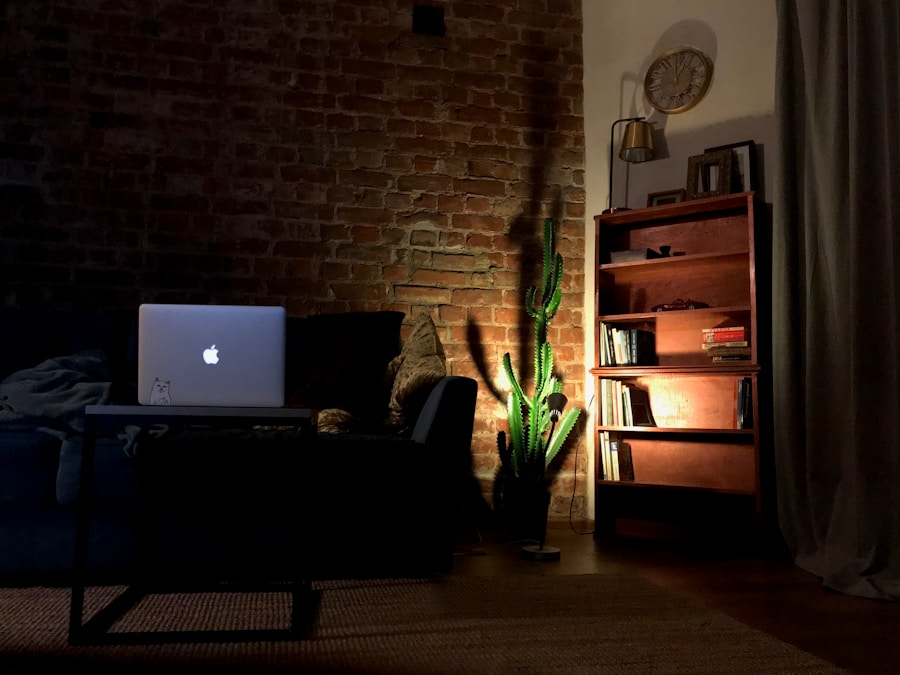
Accent lighting serves as an effective way to draw attention to specific features within a basement, enhancing its overall design and character. This type of lighting can be used to highlight architectural elements such as exposed beams or brick walls, artwork displayed on walls, or even decorative shelving units filled with books or collectibles. By strategically placing accent lights—such as spotlights or LED strips—homeowners can create focal points that add depth and interest to the space.
In addition to highlighting features, accent lighting can also contribute to the overall mood of the basement. For instance, using colored LED lights behind furniture or along shelves can create a dynamic atmosphere that changes with different activities or occasions. This versatility allows homeowners to personalize their basements further while ensuring that each area serves its intended purpose effectively.
By thoughtfully incorporating accent lighting into their design plans, individuals can elevate their basements from mere storage spaces into vibrant extensions of their homes.
If you’re looking to transform your basement into a modern living space, you may want to check out this comprehensive guide for modern living spaces from Basement Remodeling ESG. This article provides valuable tips and ideas for creating a stylish and functional basement that maximizes space and lighting. By following the advice in this guide, you can make your Brooklyn basement feel bigger and more inviting.
FAQs
What are some tips for making a Brooklyn basement feel bigger with proper lighting?
Some tips for making a Brooklyn basement feel bigger with proper lighting include using recessed lighting to create a more open feel, incorporating mirrors to reflect light and create the illusion of more space, and utilizing light-colored paint to brighten the space.
What types of lighting fixtures work best for a Brooklyn basement?
Lighting fixtures such as recessed lights, track lighting, and wall sconces work well in Brooklyn basements. These fixtures provide ample light without taking up valuable space, and can be strategically placed to enhance the overall feeling of spaciousness.
How can natural light be maximized in a Brooklyn basement?
To maximize natural light in a Brooklyn basement, consider installing larger windows or adding a window well to bring in more sunlight. Additionally, keeping window treatments minimal and using light-colored, sheer curtains can help to optimize the amount of natural light that enters the space.
What are some common mistakes to avoid when lighting a Brooklyn basement?
Common mistakes to avoid when lighting a Brooklyn basement include using harsh, overhead lighting that can make the space feel smaller, neglecting to layer lighting with different fixtures for various purposes, and failing to consider the color temperature of the light bulbs used, which can impact the overall ambiance of the space.
How can lighting design impact the overall feel of a Brooklyn basement?
Proper lighting design can significantly impact the overall feel of a Brooklyn basement by creating a more open and inviting atmosphere. Thoughtfully placed lighting can highlight architectural features, create visual interest, and make the space feel more functional and comfortable.