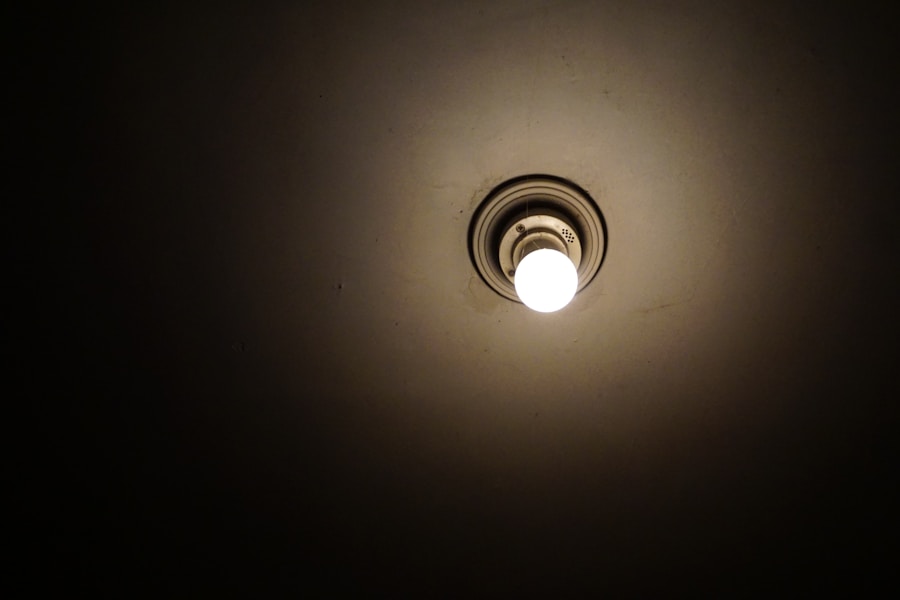
Recessed lighting, often referred to as can lighting or pot lighting, is a popular choice for both residential and commercial spaces due to its sleek, unobtrusive design. This type of lighting is installed into the ceiling, creating a clean and modern aesthetic that can enhance the overall ambiance of a room. The fixtures are typically housed in a metal canister that is recessed into the ceiling, allowing the light to shine down without the bulk of traditional light fixtures.
This design not only saves space but also provides a more even distribution of light, reducing shadows and creating a more inviting atmosphere. The versatility of recessed lighting makes it suitable for various applications, from illuminating a cozy reading nook to providing task lighting in a kitchen. The fixtures come in various sizes and styles, accommodating different ceiling heights and design preferences.
Additionally, recessed lights can be equipped with different types of bulbs, including LED, incandescent, and fluorescent options, each offering unique benefits in terms of energy efficiency, brightness, and color temperature. Understanding these basics is crucial for homeowners looking to enhance their spaces with recessed lighting, particularly in areas like basements where natural light may be limited.
Key Takeaways
- Recessed lighting is a type of light fixture that is installed into hollow openings in the ceiling, providing a sleek and modern look.
- When planning the layout for your basement, consider the function of each area and the type of lighting needed to create the desired ambiance.
- Select the right type of recessed lights based on factors such as ceiling height, insulation, and the desired lighting effect.
- Proper installation of recessed lighting in your basement requires careful measurement, wiring, and safety precautions.
- Creating zones and layers of light in your basement can enhance the overall atmosphere and functionality of the space.
Planning the Layout for Your Basement
When planning the layout for recessed lighting in your basement, it is essential to consider the specific functions of the space. Basements often serve multiple purposes, such as entertainment areas, home offices, or guest rooms. Therefore, identifying how you intend to use the basement will guide your lighting design.
For instance, if you plan to create a home theater, you may want to focus on dimmable lights that can be adjusted for movie viewing. Conversely, if the basement will serve as a workspace, brighter task lighting will be necessary to ensure adequate visibility. Another critical aspect of planning is determining the placement of the fixtures.
A common rule of thumb is to space recessed lights approximately 4 to 6 feet apart, depending on the height of the ceiling and the desired brightness.
Additionally, consider the layout of furniture and other elements in the room; recessed lights should be positioned to avoid casting shadows on seating areas or workspaces.
By carefully planning the layout, you can create a well-lit environment that enhances both functionality and aesthetics.
Selecting the Right Type of Recessed Lights
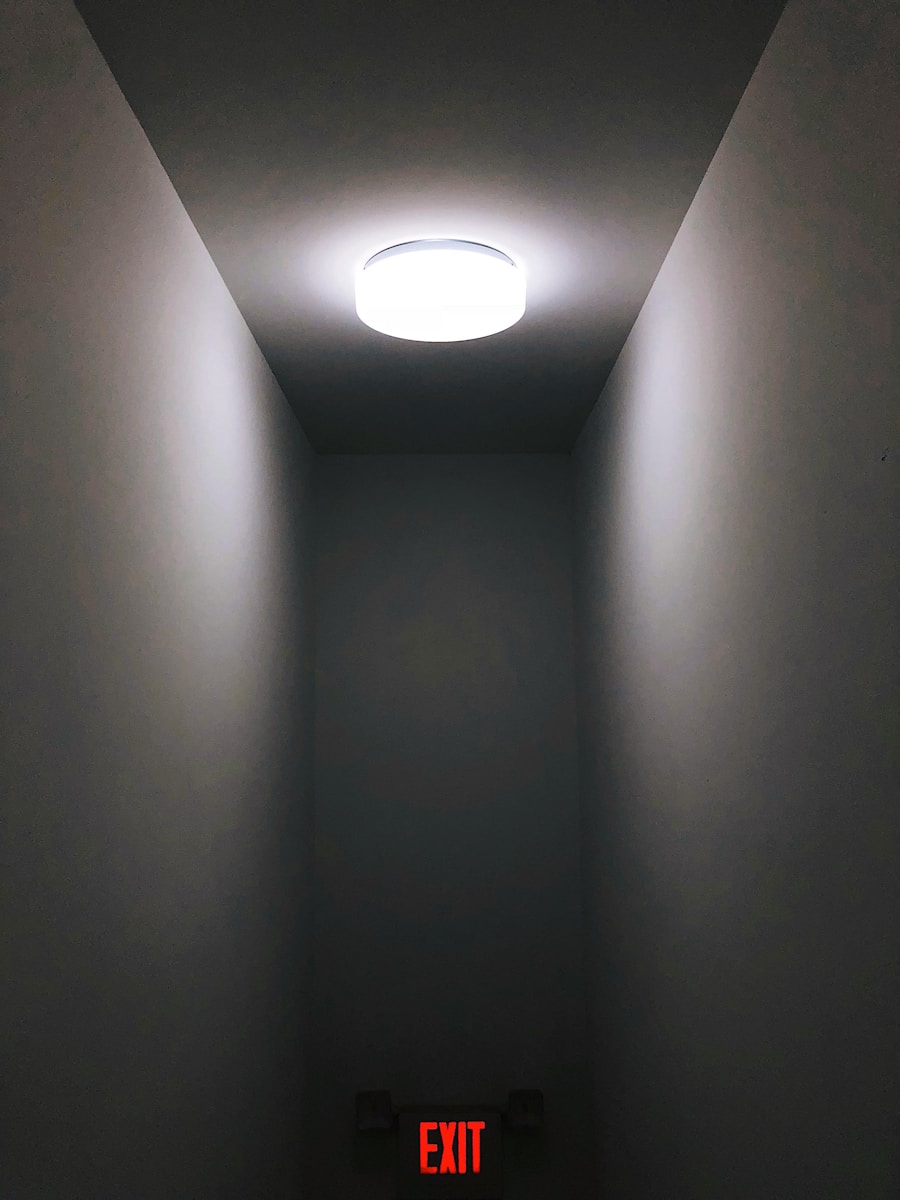
Choosing the right type of recessed lights involves understanding the various options available and how they align with your specific needs. One of the primary considerations is the type of bulb used in the fixture. LED bulbs are increasingly popular due to their energy efficiency and long lifespan.
They produce less heat than incandescent bulbs and are available in a range of color temperatures, allowing you to create the desired mood in your basement. For example, warmer tones can create a cozy atmosphere, while cooler tones may be more suitable for workspaces. In addition to bulb type, consider the trim style of the recessed lights.
Trims come in various designs, including baffle, reflector, and adjustable options. Baffle trims are designed to reduce glare and are ideal for general lighting, while reflector trims can enhance brightness by directing light downward. Adjustable trims allow you to direct light where it is needed most, making them perfect for highlighting artwork or architectural features in your basement.
By selecting the right combination of bulb type and trim style, you can tailor your recessed lighting to meet both functional and aesthetic requirements.
Installing Recessed Lighting in Your Basement
Installing recessed lighting in your basement requires careful planning and execution to ensure safety and effectiveness. Before beginning the installation process, it is crucial to turn off power to the area where you will be working. This step not only protects you from electrical hazards but also ensures that you can work without interruptions from live wires.
Once power is off, mark the locations for your recessed lights based on your previously planned layout. Using a stud finder can help you avoid drilling into joists or other structural elements. The installation process typically involves cutting holes in the ceiling for each fixture and running electrical wiring from a power source to each light location.
Depending on local building codes and regulations, you may need to install a junction box for safety. After securing the wiring, attach the recessed housing to the ceiling using screws or clips provided with the fixture. Finally, connect the wiring according to manufacturer instructions and install the trim and bulb.
If you are not comfortable with electrical work or local codes require it, hiring a licensed electrician is advisable to ensure a safe and compliant installation.
Creating Zones and Layers of Light
Creating zones and layers of light in your basement is essential for achieving a well-balanced and functional lighting scheme. Instead of relying solely on one type of lighting source, consider incorporating multiple layers that serve different purposes. Ambient lighting provides overall illumination and can be achieved through recessed lights placed strategically throughout the space.
Task lighting focuses on specific areas where activities take place, such as reading or working at a desk. Accent lighting adds visual interest by highlighting artwork or architectural features. To create distinct zones within your basement, think about how each area will be used and what type of lighting will best serve those functions.
For example, if you have a gaming area separate from a lounge space, consider using recessed lights with adjustable trims in the gaming area to direct light where needed while keeping the lounge area softly lit with ambient light. This layered approach not only enhances functionality but also contributes to a more dynamic and visually appealing environment.
Incorporating Dimmer Switches for Versatility

Incorporating dimmer switches into your recessed lighting setup adds an element of versatility that can significantly enhance your basement experience. Dimmer switches allow you to adjust the brightness of your lights according to different activities or moods. For instance, during movie nights in a home theater setup, you might want to lower the lights for a more immersive experience.
Conversely, when working on projects or hosting gatherings, brighter lighting may be necessary. When selecting dimmer switches, ensure they are compatible with the type of bulbs you are using—especially if you opt for LED bulbs—as not all dimmers work well with every bulb type. Smart dimmer switches are also available, allowing you to control your lighting remotely via smartphone apps or voice commands through smart home systems.
This level of control not only enhances convenience but also allows for greater customization of your basement’s ambiance.
Adding Decorative Elements to Enhance the Space
While recessed lighting serves a functional purpose, it can also play a significant role in enhancing the aesthetic appeal of your basement. To achieve this effect, consider incorporating decorative elements that complement your lighting design. For instance, using decorative trim styles or colored LED bulbs can add personality and flair to your space.
Additionally, consider integrating other types of lighting fixtures—such as pendant lights or wall sconces—that work harmoniously with your recessed lights. Artwork and architectural features can also benefit from thoughtful lighting placement.
Furthermore, consider using mirrors strategically placed near light sources; they can reflect light and create an illusion of space while enhancing brightness throughout the room.
Maintaining and Troubleshooting Recessed Lighting
Maintaining recessed lighting is essential for ensuring longevity and optimal performance over time. Regularly check fixtures for any signs of wear or damage, such as flickering lights or unusual noises when turned on. If you notice any issues with individual fixtures, it may be necessary to replace bulbs or check connections within the housing unit itself.
For LED bulbs specifically, ensure they are compatible with your dimmer switches if applicable; incompatibility can lead to flickering or buzzing sounds. In cases where multiple fixtures are malfunctioning simultaneously, it may indicate an issue with the circuit or wiring rather than individual bulbs themselves. In such situations, consulting with a licensed electrician is advisable to diagnose and resolve any underlying electrical problems safely.
By staying proactive about maintenance and addressing issues promptly, you can enjoy well-functioning recessed lighting that enhances your basement’s ambiance for years to come.
If you are looking to transform your Brooklyn basement into a functional and inviting space, you may want to consider incorporating recessed lighting. This type of lighting can help brighten up the space and create a more open and airy feel. For more information on how to effectively use recessed lighting in your basement, check out this article on