When embarking on the journey of designing a home theater, the first step is to carefully consider the layout and overall design of the space. The dimensions of the room play a crucial role in determining how sound and visuals will interact. Ideally, a rectangular room is preferred, as it allows for better sound distribution and viewing angles.
The placement of the screen, whether it be a large television or a projector and screen setup, should be at eye level when seated. This ensures that viewers can enjoy an immersive experience without straining their necks or eyes. Additionally, the distance from the seating area to the screen should be calculated based on the size of the display; for instance, a 65-inch television typically requires a viewing distance of about 8 to 10 feet for optimal clarity.
Beyond mere dimensions, the design should also consider the aesthetic appeal of the space. The choice of colors, materials, and finishes can significantly influence the ambiance. Darker colors on walls and ceilings can help absorb light, reducing glare and enhancing the viewing experience.
Acoustic panels can be integrated into the design to serve both functional and decorative purposes. Furthermore, the layout should facilitate easy movement within the space, allowing guests to navigate without disrupting the viewing experience. Thoughtful design can transform an ordinary room into a captivating environment that draws people in and keeps them engaged.
Key Takeaways
- Designing the space: Consider the layout and purpose of the room before making any design decisions.
- Choosing the right audio and visual equipment: Research and invest in high-quality equipment that suits the size and purpose of the space.
- Selecting comfortable seating: Prioritize comfort and functionality when choosing seating options for the room.
- Incorporating mood lighting: Use lighting to create the desired atmosphere and enhance the overall experience of the space.
- Creating a soundproof environment: Implement soundproofing materials and techniques to minimize noise and disturbances from outside the room.
Choosing the Right Audio and Visual Equipment:
Selecting the appropriate audio and visual equipment is paramount in creating a home theater that rivals commercial cinemas. The heart of any home theater system is undoubtedly its display technology. Options range from high-definition LED televisions to advanced projection systems that can create a cinematic experience on a grand scale.
When choosing between these options, factors such as room size, ambient light conditions, and personal preferences must be taken into account. For instance, projectors are ideal for larger rooms with controlled lighting, while LED TVs may be more suitable for smaller spaces with varying light conditions. Equally important is the audio system, which can make or break the overall experience.
A surround sound system is often recommended to create an immersive auditory environment.
Brands like Dolby Atmos offer advanced sound technology that allows for three-dimensional audio experiences, making it feel as though sounds are coming from all directions.
Additionally, investing in a quality receiver that can handle multiple audio formats and connect seamlessly with various devices is essential for maximizing performance. The integration of smart technology can further enhance convenience, allowing users to control their systems with voice commands or mobile apps.
Selecting Comfortable Seating:
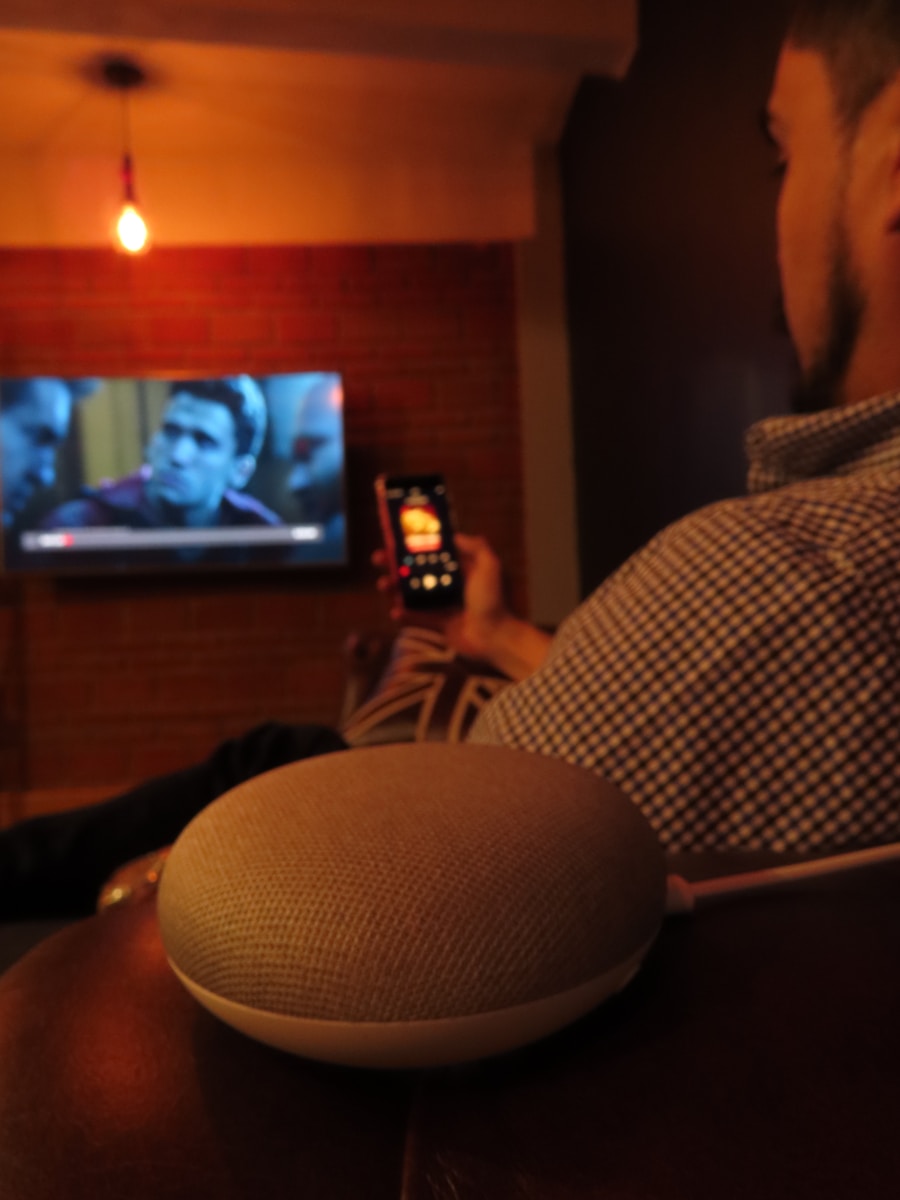
Comfort is a critical factor in any home theater setup, as viewers are likely to spend extended periods enjoying films or shows. The selection of seating should prioritize ergonomics while also complementing the overall design of the space. Reclining chairs or sofas with built-in cup holders and USB charging ports can elevate the viewing experience by providing both comfort and convenience.
It’s essential to consider the arrangement of seating as well; tiered seating can enhance sightlines for all viewers, ensuring that everyone has an unobstructed view of the screen. In addition to functionality, aesthetics should not be overlooked when selecting seating options. Upholstery choices can range from luxurious leather to soft fabric, each offering different levels of comfort and style.
Color coordination with the rest of the room can create a cohesive look that enhances the overall atmosphere. Furthermore, incorporating accessories such as throw pillows or blankets can add an extra layer of comfort while also allowing for personalization in design.
Incorporating Mood Lighting:
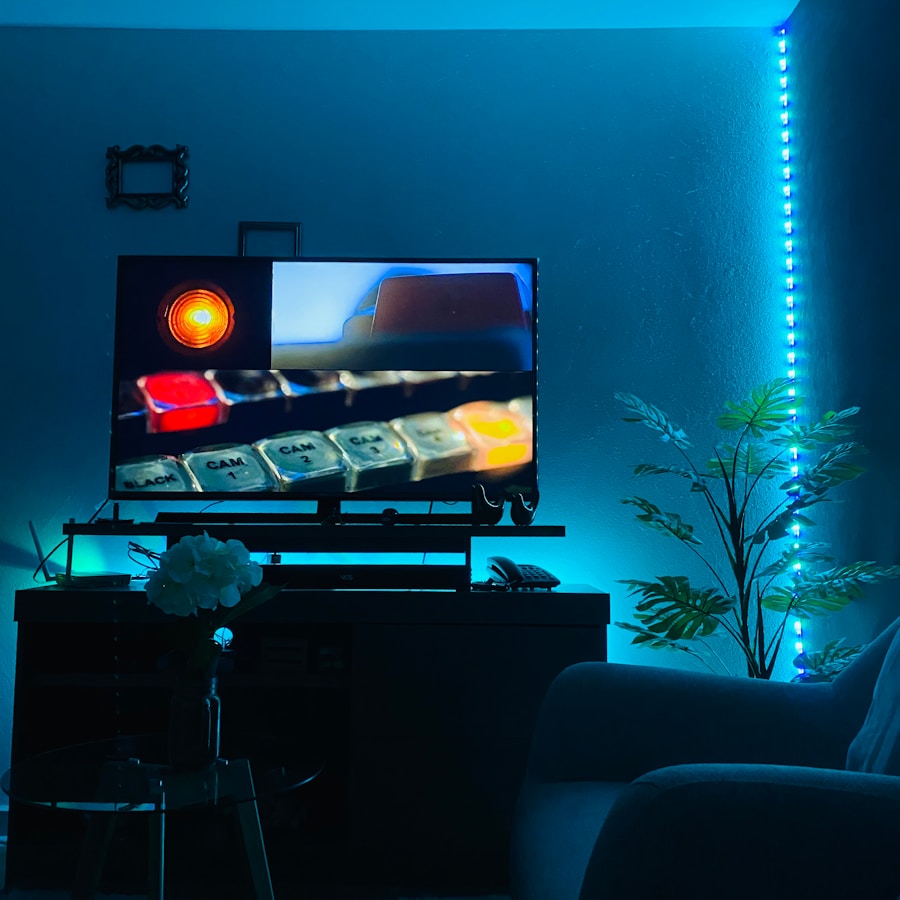
Lighting plays a pivotal role in setting the mood for a home theater experience. The right lighting can enhance visual clarity while also creating an inviting atmosphere that draws viewers into the cinematic world. Dimmable LED lights are an excellent choice for home theaters, as they allow for precise control over brightness levels.
Installing wall sconces or recessed lighting can provide ambient light without causing glare on screens, ensuring that viewers remain focused on the film. In addition to functional lighting, incorporating smart lighting systems can elevate the experience further. These systems can be programmed to adjust automatically based on the time of day or specific activities, such as movie watching or gaming.
For instance, a single button press could dim all lights and activate a specific color scheme that complements the film genre being watched—warm tones for romantic comedies or cooler hues for action-packed thrillers. This level of customization not only enhances comfort but also adds an element of sophistication to the home theater environment.
Creating a Soundproof Environment:
To fully immerse oneself in a cinematic experience, soundproofing is an essential consideration in home theater design. A well-soundproofed room minimizes external noise interference while also preventing sound from escaping, ensuring that viewers can enjoy their films without distractions. Various methods can be employed to achieve this goal, starting with insulation materials that absorb sound waves.
Acoustic panels can be strategically placed on walls and ceilings to reduce echo and reverberation, creating a more controlled auditory environment. In addition to acoustic treatments, attention should be given to doors and windows. Solid-core doors provide better sound isolation compared to hollow-core options, while double-glazed windows can significantly reduce outside noise intrusion.
Sealing gaps around doors and windows with weather stripping or acoustic caulk further enhances soundproofing efforts. By creating a sanctuary free from external disturbances, viewers can fully engage with their favorite films and shows.
Adding a Bar and Snack Area:
No home theater experience is complete without refreshments to accompany the entertainment. Designing a dedicated bar and snack area within or adjacent to the theater space adds an element of luxury and convenience that enhances movie nights. This area can range from a simple countertop with a mini-fridge stocked with beverages to a fully equipped bar complete with a sink, ice maker, and storage for glassware and snacks.
The design of this space should align with the overall aesthetic of the home theater while also being functional. Consider incorporating shelving for displaying liquor bottles or snack jars, along with stylish bar stools that invite guests to linger before or after a show. A popcorn machine or candy station can add a nostalgic touch while providing easy access to classic movie snacks.
By creating an inviting refreshment area, hosts can elevate their gatherings and ensure that guests have everything they need for an enjoyable viewing experience.
Incorporating Decor and Personal Touches:
The decor of a home theater should reflect personal tastes while also enhancing the overall ambiance of the space. Wall art featuring iconic movie posters or framed photographs from favorite films can serve as conversation starters while adding character to the room. Additionally, incorporating themed decor elements—such as vintage film reels or director’s chairs—can create an immersive environment that pays homage to cinema history.
Personal touches are equally important in making the space feel unique and inviting. Family photos taken at memorable events or framed memorabilia from favorite movies can add warmth and nostalgia to the design. Customizable elements like throw blankets featuring beloved characters or themed cushions can further personalize seating areas while providing comfort during long viewing sessions.
By thoughtfully curating decor and personal touches, homeowners can create a space that feels distinctly theirs while celebrating their love for film.
Considering Acoustic Treatment:
Acoustic treatment is often overlooked but is vital for achieving optimal sound quality in a home theater setting. Unlike simple soundproofing measures that focus on blocking external noise, acoustic treatment aims to enhance sound clarity within the room itself. This involves strategically placing materials that absorb or diffuse sound waves to prevent echoes and improve overall audio fidelity.
Common acoustic treatment options include foam panels, bass traps, and diffusers that can be installed on walls and ceilings. Foam panels are particularly effective at absorbing high-frequency sounds, while bass traps help manage low-frequency reverberations that can muddy audio clarity. The placement of these treatments should be carefully considered based on room dimensions and speaker placement; for example, placing bass traps in corners where low frequencies tend to accumulate can significantly improve sound quality.
Incorporating acoustic treatment not only enhances audio performance but also contributes to a more enjoyable viewing experience by ensuring that dialogue is clear and music is rich and immersive. By investing time and resources into both soundproofing and acoustic treatment, homeowners can create a home theater environment that rivals professional cinemas in both comfort and audio-visual quality.