When embarking on the journey of transforming a basement into a functional office, the first step is to thoroughly assess the available space. This involves not only measuring the dimensions of the area but also considering its layout and any architectural features that may influence your design choices. Basements often come with unique characteristics such as low ceilings, exposed beams, or uneven flooring, which can present both challenges and opportunities.
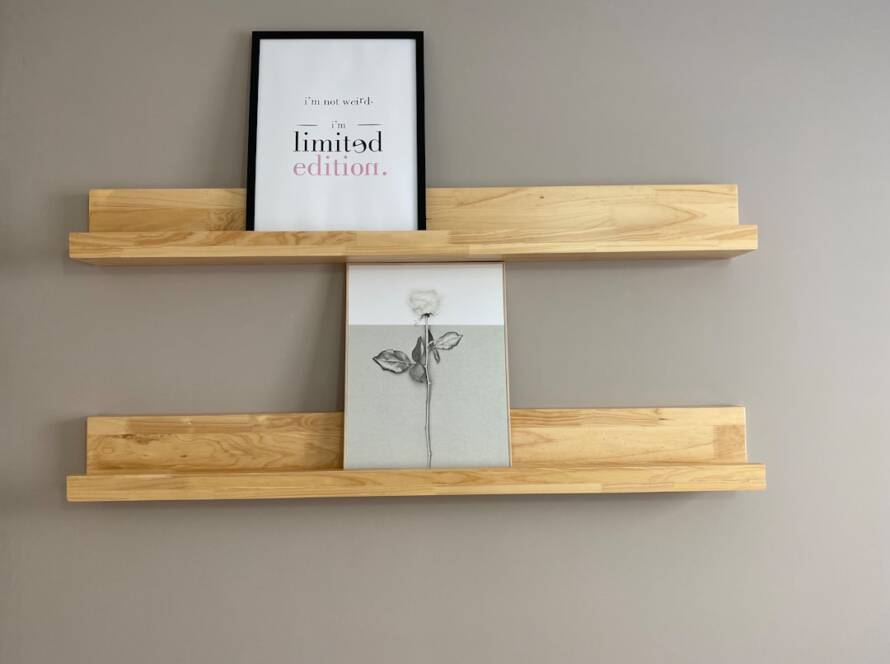
For instance, if your basement has a low ceiling, you might want to avoid tall bookshelves that could make the space feel cramped. Instead, opting for wall-mounted shelves can help utilize vertical space without overwhelming the room. Additionally, understanding how natural light enters your basement is crucial.
Many basements have limited windows, which can affect the overall ambiance and mood of your workspace. If your basement has a small window, consider how you can maximize that light by positioning your desk nearby. Alternatively, if your basement lacks windows altogether, you may need to invest in good artificial lighting solutions to create a bright and inviting atmosphere.
Take note of any potential obstacles such as support columns or ductwork that could interfere with your layout. By carefully evaluating these elements, you can create a well-thought-out plan that optimizes the functionality of your basement office.
Key Takeaways
- Understanding the size and layout of your basement office is crucial for effective space utilization.
- Choosing the right furniture and equipment is essential for creating a functional and efficient workspace.
- Proper lighting and color schemes can significantly impact productivity and create a conducive work environment.
- Implementing effective storage solutions is key to keeping your basement office organized and clutter-free.
- Arranging your workstation for optimal workflow can maximize efficiency and productivity in your basement office.
Designing for Functionality: Choosing the Right Furniture and Equipment for Your Basement Office
Choosing the Right Desk
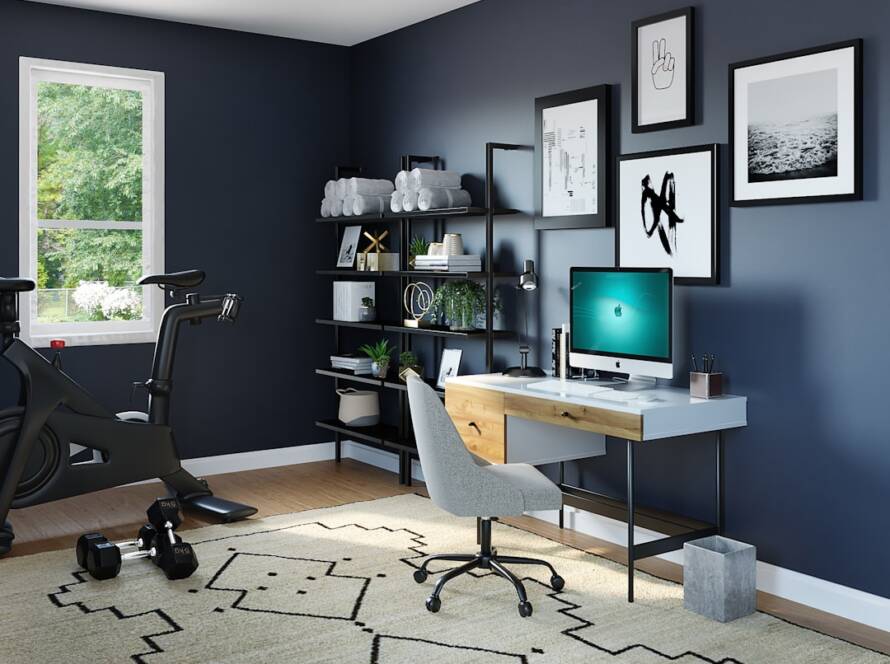
When selecting furniture and equipment for your basement office, the desk is a crucial element to consider. It should not only fit comfortably within the space but also accommodate your work style. For instance, if you frequently collaborate with others or require additional surface area for projects, a larger desk or even a U-shaped workstation might be beneficial.
Selecting the Perfect Seating
In addition to the desk, consider the type of seating that will best support your work habits.
Look for chairs that offer adjustable height, lumbar support, and breathable materials to ensure you remain comfortable and focused.
Maximizing Space with Multifunctional Furniture
Furthermore, think about incorporating multifunctional furniture pieces, such as a desk with drawers or a foldable table that can be stowed away when not in use. This approach not only maximizes space but also allows for flexibility in how you use your office.
Creating a Productive Environment: Utilizing Proper Lighting and Color Schemes
Lighting plays a pivotal role in establishing a productive environment within your basement office. Given that many basements lack natural light, it is essential to implement a layered lighting strategy that combines ambient, task, and accent lighting. Ambient lighting provides overall illumination and can be achieved through ceiling fixtures or floor lamps.
Task lighting, on the other hand, focuses on specific areas where you perform activities such as reading or writing. Desk lamps with adjustable brightness levels are excellent choices for this purpose, allowing you to customize the light according to your needs. Color schemes also significantly impact productivity and mood.
Lighter colors such as soft whites, pale blues, or light grays can help make a basement feel more open and airy, counteracting any feelings of confinement that may arise from being underground. Conversely, incorporating pops of color through accessories or artwork can energize the space and inspire creativity. For instance, a vibrant piece of art or colorful office supplies can serve as focal points that draw the eye and add personality to your workspace.
By thoughtfully combining lighting and color, you can create an environment that fosters focus and creativity.
Organizing Your Space: Implementing Effective Storage Solutions for a Clutter-Free Office
A cluttered workspace can lead to distractions and decreased productivity, making effective organization essential in a basement office. Start by evaluating what items you need to keep within arm’s reach and what can be stored away. Implementing storage solutions such as filing cabinets, shelving units, or storage bins can help keep your office tidy while ensuring that everything has its designated place.
For example, vertical shelving can take advantage of wall space without encroaching on valuable floor area, allowing you to store books, binders, and decorative items neatly. In addition to traditional storage options, consider utilizing under-desk space for additional organization. Rolling carts or drawer units can fit neatly beneath your desk while providing easy access to supplies.
Furthermore, using clear containers or labeled boxes can help you quickly locate items without rummaging through clutter. Incorporating organizational tools like bulletin boards or whiteboards can also aid in keeping track of tasks and deadlines while adding an element of visual interest to your office.
Maximizing Efficiency: Arranging Your Workstation for Optimal Workflow
The arrangement of your workstation is critical for maximizing efficiency in your basement office. Begin by positioning your desk in a way that allows for easy access to essential tools and resources. For instance, if you frequently use a printer or scanner, placing them within arm’s reach can save time and reduce interruptions during work sessions.
Additionally, consider the flow of movement within your office; ensure that there is enough space to move around comfortably without feeling cramped. Ergonomics should also be a key consideration when arranging your workstation. Your computer monitor should be at eye level to prevent neck strain, while your keyboard should be positioned so that your elbows remain at a 90-degree angle when typing.
If you use multiple screens, arrange them in a way that minimizes head movement and allows for seamless transitions between tasks. By thoughtfully organizing your workstation with both efficiency and ergonomics in mind, you can create an environment that supports sustained focus and productivity.
Incorporating Comfort: Adding Elements for Ergonomics and Well-being in Your Basement Office

Creating a comfortable workspace goes beyond just selecting the right furniture; it involves incorporating elements that promote overall well-being. Ergonomics plays a significant role in this aspect; investing in an adjustable chair with lumbar support can help prevent discomfort during long hours of work. Additionally, consider using a sit-stand desk that allows you to alternate between sitting and standing throughout the day, promoting better posture and reducing fatigue.
Beyond furniture choices, adding personal touches can enhance comfort in your basement office. Soft textiles such as throw pillows or an area rug can create a cozy atmosphere while also providing warmth against cold basement floors. Incorporating plants into your workspace not only adds visual appeal but also improves air quality and boosts mood.
Studies have shown that having greenery in workspaces can reduce stress levels and increase productivity. By focusing on both ergonomic design and personal comfort elements, you can create an inviting environment that supports both physical health and mental well-being.
Personalizing Your Space: Infusing Your Basement Office with Your Unique Style and Personality
A basement office should reflect your personal style and preferences to foster creativity and motivation. Start by selecting a color palette that resonates with you; whether it’s calming neutrals or vibrant hues, choose colors that inspire you every time you enter the space. Artwork is another powerful way to infuse personality into your office; consider displaying pieces that resonate with your interests or achievements—this could range from framed photographs to motivational quotes.
In addition to decor, think about incorporating elements that reflect your hobbies or passions. If you’re an avid reader, creating a small reading nook with a comfortable chair and bookshelf can serve as both a functional space for relaxation and an expression of your interests. Personal mementos or travel souvenirs can also add character to your office while reminding you of cherished experiences.
By curating an environment that showcases your individuality, you create a workspace that feels uniquely yours.
Maintaining a Professional Atmosphere: Implementing Strategies for Noise Reduction and Privacy in Your Basement Office
While personal touches are important for creating an inviting atmosphere, maintaining professionalism is equally crucial in a home office setting. Noise reduction strategies are essential in ensuring that distractions do not hinder productivity. Consider using soundproofing materials such as acoustic panels or heavy curtains to minimize external noise from entering the space.
Additionally, area rugs can help absorb sound within the room itself, creating a quieter environment conducive to focus. Privacy is another key consideration when working from home, especially if you have family members or roommates sharing the same living space. Establishing boundaries through physical barriers like room dividers or strategically placed furniture can help create a sense of separation between work and personal life.
If possible, choose an area of the basement that is further away from common areas to minimize interruptions during work hours. By implementing these strategies for noise reduction and privacy, you can cultivate a professional atmosphere that enhances concentration and productivity in your basement office setting.
If you’re looking to make the most of your basement office’s layout for maximum productivity in Brooklyn, you may want to consider checking out this article on creative renovations and unique home projects. This article offers insights and ideas on how to transform your basement space into a functional and inspiring work environment. It may provide you with some inspiration on how to optimize your basement office layout to boost your productivity and creativity.
FAQs
What are some tips for maximizing productivity in a basement office?
Some tips for maximizing productivity in a basement office include maximizing natural light, creating a functional layout, incorporating ergonomic furniture, and minimizing distractions.
How can I maximize natural light in a basement office?
To maximize natural light in a basement office, consider installing larger windows or adding a skylight. Additionally, using light-colored paint and strategically placing mirrors can help reflect and amplify natural light.
What are some ideas for creating a functional layout in a basement office?
Creating a functional layout in a basement office involves organizing the space to optimize workflow and efficiency. This can include positioning the desk near a window for natural light, creating designated areas for different tasks, and ensuring easy access to necessary supplies and equipment.
What should I consider when choosing ergonomic furniture for a basement office?
When choosing ergonomic furniture for a basement office, consider factors such as adjustable chair height, proper lumbar support, and a desk with ample legroom. It’s important to prioritize comfort and support to minimize the risk of discomfort or injury during long hours of work.
How can I minimize distractions in a basement office?
To minimize distractions in a basement office, consider soundproofing the space, using noise-cancelling headphones, and establishing boundaries with household members. Additionally, creating a designated work area and implementing a structured schedule can help maintain focus and productivity.