Creating a basement home theater begins with meticulous planning and budgeting. The first step is to define your vision for the space. Consider the primary purpose of the theater: will it be used for family movie nights, gaming, or hosting friends for sports events?
This will influence the design and equipment choices. Once you have a clear idea of your goals, you can start estimating costs. A comprehensive budget should include expenses for equipment, seating, soundproofing, lighting, and decor.
It’s wise to allocate a contingency fund of about 10-20% of your total budget to cover unexpected costs that may arise during the project. When budgeting, it’s essential to research and compare prices for various components. For instance, high-definition projectors can range from a few hundred to several thousand dollars, depending on the brand and specifications.
Similarly, seating options can vary widely in price, from basic recliners to luxury theater seats with built-in features. By prioritizing your spending based on what will enhance your viewing experience the most, you can make informed decisions that align with your budget. Additionally, consider the long-term value of your investments; sometimes spending a bit more upfront on quality equipment can save money in the long run through durability and performance.
Key Takeaways
- Plan and budget for your basement home theater by considering the cost of equipment, installation, and any necessary renovations.
- Choose the right equipment and technology by researching and comparing different options to find the best quality for your budget.
- Consider DIY installation for cost savings, but weigh the benefits of hiring a professional installation service for a seamless and professional result.
- Utilize space efficiently in your basement by considering the layout and storage options to maximize the functionality of the room.
- Opt for energy-efficient lighting and sound options to save on long-term energy costs and reduce your environmental impact.
- Get creative with saving on furniture and decor by repurposing existing items or shopping for budget-friendly options.
- Cut costs on wiring and cable management by planning the layout carefully and investing in cost-effective organization solutions.
- Implement long-term maintenance and cost-saving strategies by investing in quality equipment and staying on top of regular maintenance to avoid costly repairs.
Choosing the Right Equipment and Technology
Display Technology: Projectors vs. Televisions
Start with the display technology; options include projectors and large-screen televisions. Projectors can offer a cinematic feel with larger images, but they require a darkened room and proper mounting. On the other hand, modern 4K televisions provide excellent picture quality and are easier to set up. When choosing between these options, consider factors such as room size, lighting conditions, and viewing distance.
Audio Equipment: Surround Sound and Acoustic Treatments
Audio equipment is equally important in achieving a true theater experience. A surround sound system can significantly enhance the auditory experience, making viewers feel as if they are part of the action. Look for systems that support formats like Dolby Atmos for a more immersive soundstage. Additionally, consider investing in acoustic treatments for your basement to improve sound quality. This could involve adding sound-absorbing panels or carpets to minimize echo and enhance clarity.
Research and Budgeting: Finding the Right Fit
Researching brands and reading reviews can help you make informed choices that fit your budget while ensuring high-quality performance.
DIY installation can be a rewarding experience, allowing you to customize every aspect of your theater according to your preferences. There are numerous online resources, including video tutorials and forums, that can guide you through the process of setting up equipment, wiring speakers, and configuring settings.
However, this route requires a certain level of technical skill and patience. On the other hand, hiring a professional installation service can save time and ensure that everything is set up correctly from the start. Professionals bring expertise in optimizing audio and visual components for the best performance in your specific space.
They can also handle complex wiring and integration of smart home technology seamlessly. While this option may come with a higher upfront cost, it can prevent potential issues down the line that could arise from improper installation.
Utilizing Space Efficiently in Your Basement
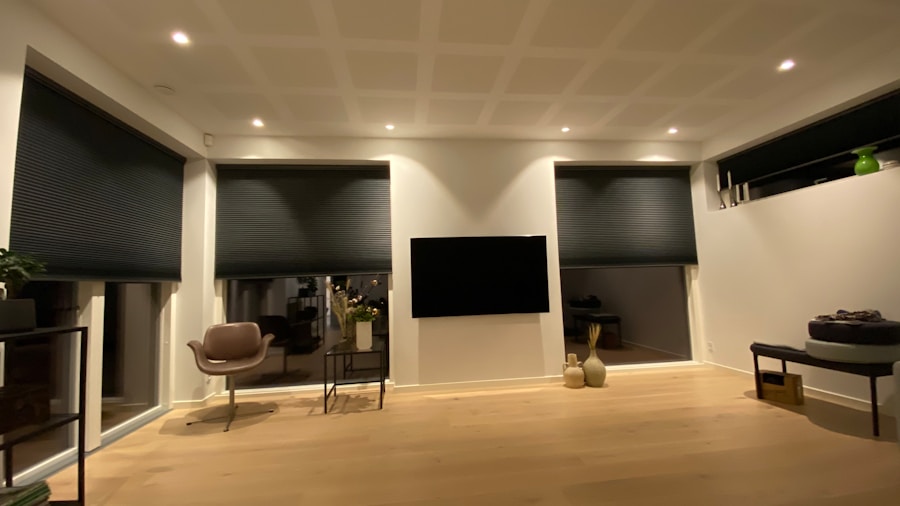
Basements often present unique challenges when it comes to space utilization due to their layout and dimensions. To maximize the potential of your basement home theater, start by assessing the available space and considering how to arrange seating and equipment effectively. A common approach is to create a tiered seating arrangement, which enhances visibility for all viewers.
This can be achieved by using risers or platforms for back-row seating, ensuring that everyone has an unobstructed view of the screen. In addition to seating arrangements, consider how to incorporate storage solutions into your design. Built-in cabinets or shelves can house media equipment, games, and DVDs while keeping the space organized and clutter-free.
Utilizing wall space creatively can also enhance the overall aesthetic; for example, mounting speakers or using wall sconces for lighting can free up floor space while adding to the ambiance. By thoughtfully planning the layout and incorporating multifunctional furniture, you can create a comfortable and efficient home theater environment.
Energy-Efficient Lighting and Sound Options
Lighting plays a pivotal role in setting the mood for your basement home theater. Energy-efficient LED lighting options are not only cost-effective but also versatile in creating different atmospheres. Dimmable LED fixtures allow you to adjust brightness levels according to the time of day or type of viewing experience—whether it’s a bright afternoon or a late-night movie marathon.
Consider installing recessed lighting or wall sconces that can be controlled remotely or through smart home systems for added convenience. Sound options also benefit from energy-efficient technologies. Many modern audio systems are designed with energy conservation in mind without sacrificing performance.
Look for speakers that utilize Class D amplification technology, which is known for its efficiency compared to traditional amplifiers. Additionally, consider integrating smart home technology that allows you to control both lighting and sound systems from a single device or app. This not only enhances user experience but also contributes to energy savings over time.
Creative Ways to Save on Furniture and Decor
Furnishing your basement home theater doesn’t have to break the bank; there are numerous creative ways to save on furniture and decor while still achieving a stylish look. Start by exploring second-hand stores or online marketplaces where you can find gently used furniture at a fraction of retail prices. Vintage or pre-owned items can add character to your space while being budget-friendly.
Another cost-effective approach is to repurpose existing furniture or decor items from other areas of your home. For instance, an old sofa can be reupholstered or transformed into a cozy theater seat with some cushions and throws. DIY projects can also be an excellent way to personalize your space; consider building your own snack bar or creating custom wall art that reflects your favorite movies or themes.
By thinking outside the box and being resourceful, you can create an inviting atmosphere without overspending.
Tips for Cutting Costs on Wiring and Cable Management

Wiring and cable management are often overlooked aspects of home theater setup that can lead to unnecessary expenses if not planned properly. To cut costs in this area, start by assessing your needs before purchasing cables; often, you may find that you don’t require as many cables as initially thought. For instance, using HDMI splitters can reduce the number of cables needed while still allowing multiple devices to connect to your display.
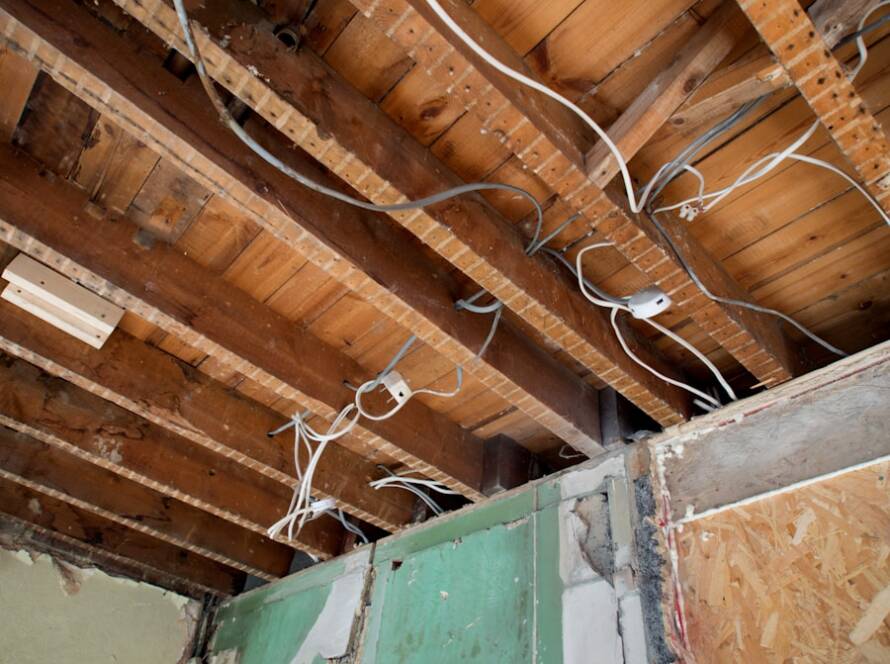
Additionally, consider using cable management solutions that are both functional and aesthetically pleasing. Instead of hiring professionals for complex wiring jobs, you can often find affordable cable raceways or conduits that allow you to conceal wires along walls or ceilings easily. This not only keeps your space looking tidy but also protects cables from damage over time.
By being strategic about wiring needs and utilizing cost-effective management solutions, you can maintain a clean look without incurring high costs.
Long-Term Maintenance and Cost-Saving Strategies
Once your basement home theater is up and running, it’s essential to implement long-term maintenance strategies that will help preserve your investment while minimizing future costs. Regularly cleaning equipment such as projectors and speakers will ensure optimal performance over time; dust buildup can lead to overheating or diminished sound quality if not addressed promptly. Establishing a routine maintenance schedule will help keep everything in top shape.
In addition to cleaning, consider investing in surge protectors for all electronic devices in your home theater setup. This simple addition can protect against power surges that could damage sensitive equipment, saving you from costly repairs or replacements down the line. Furthermore, staying informed about software updates for any smart devices or streaming services will ensure that you’re getting the best performance possible while avoiding potential compatibility issues in the future.
By prioritizing maintenance and implementing cost-saving strategies early on, you’ll enjoy your basement home theater for years to come without incurring unnecessary expenses.
If you’re looking to save money on your Brooklyn basement home theater installation, you may want to consider reaching out to Basement Remodeling ESG for a consultation. Their team of experts can help you design and build the perfect entertainment space while staying within your budget. For more tips on creating a budget-friendly basement renovation, check out their blog here.
FAQs
What are some ways to save money on a Brooklyn basement home theater installation?
Some ways to save money on a Brooklyn basement home theater installation include doing some of the work yourself, shopping around for the best deals on equipment and materials, and considering pre-owned or refurbished items.
Is it possible to create a budget-friendly home theater in a Brooklyn basement?
Yes, it is possible to create a budget-friendly home theater in a Brooklyn basement by carefully planning and budgeting for the project, prioritizing essential components, and looking for cost-effective alternatives.
What are some cost-effective options for home theater equipment in Brooklyn?
Cost-effective options for home theater equipment in Brooklyn include shopping for deals at local electronics stores, looking for sales and discounts online, and considering pre-owned or refurbished equipment.
Are there any DIY tips for saving money on a Brooklyn basement home theater installation?
Yes, some DIY tips for saving money on a Brooklyn basement home theater installation include doing the installation work yourself, repurposing existing furniture or equipment, and using cost-effective materials for decor and seating.
How can I find affordable installation services for a Brooklyn basement home theater?
To find affordable installation services for a Brooklyn basement home theater, consider getting quotes from multiple contractors, asking for recommendations from friends or family, and looking for special promotions or discounts from local installation companies.