Creating a basement home theater is an exciting project that can transform an underutilized space into a hub of entertainment. At the heart of this transformation lies the wiring, which serves as the backbone of your audio-visual system. Understanding the basics of basement home theater wiring is crucial for ensuring that your setup functions optimally.
The wiring not only connects various components, such as the projector, speakers, and receiver, but also influences the overall performance of your system. When planning your wiring, it’s essential to consider the types of cables you will need. HDMI cables are standard for video and audio transmission, while speaker wire is necessary for connecting your audio system.
Additionally, you may require coaxial cables for cable television and Ethernet cables for internet connectivity. Each type of cable has its specifications and requirements, which can affect the quality of your audio and video output. For instance, using high-quality HDMI cables can significantly enhance picture clarity and sound quality, making it imperative to choose wisely.
Key Takeaways
- Understanding the basics of basement home theater wiring is essential for a successful installation.
- Choosing the right wiring for your basement home theater involves considering factors such as signal quality and compatibility with your devices.
- Planning the layout and placement of wiring in your basement home theater is crucial for a clean and organized setup.
- Ensuring proper electrical safety in your basement home theater is important to prevent accidents and damage to your equipment.
- Incorporating smart home technology into your basement home theater wiring can enhance your entertainment experience and convenience.
Choosing the Right Wiring for Your Basement Home Theater
HDMI Cables: Supporting 4K Resolution and HDR
For example, if you are investing in a high-definition projector and surround sound system, you will need to ensure that your HDMI cables support 4K resolution and high dynamic range (HDR). This is particularly important as many modern devices require higher bandwidth to transmit data effectively.
Speaker Wire Gauge: Minimizing Signal Loss
In addition to HDMI cables, consider the gauge of speaker wire you will use. The gauge affects the resistance and can influence sound quality. For longer runs, a lower gauge (such as 12 or 14) is recommended to minimize signal loss.
Additional Considerations: Subwoofer Cables and Connectors
Furthermore, if you plan to incorporate a subwoofer into your setup, using a dedicated subwoofer cable can enhance low-frequency performance. It’s also wise to invest in quality connectors and wall plates to ensure secure connections and reduce interference.
Planning the Layout and Placement of Wiring in Your Basement Home Theater
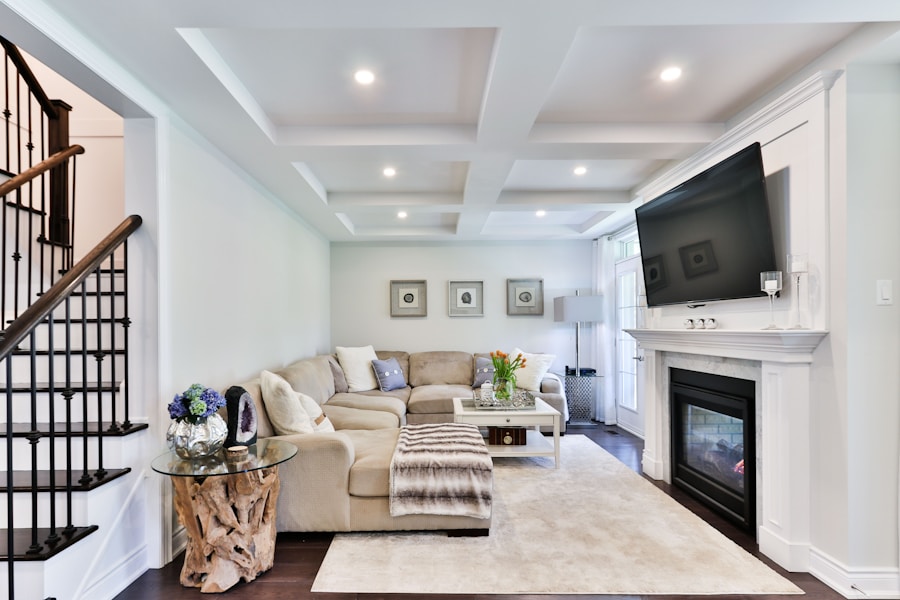
The layout and placement of wiring in your basement home theater are pivotal in achieving an organized and efficient setup. Before you begin running wires, take time to sketch out a floor plan that includes the locations of your screen, seating, and audio equipment. This will help you visualize how the wiring will be routed and where it will be hidden or exposed.
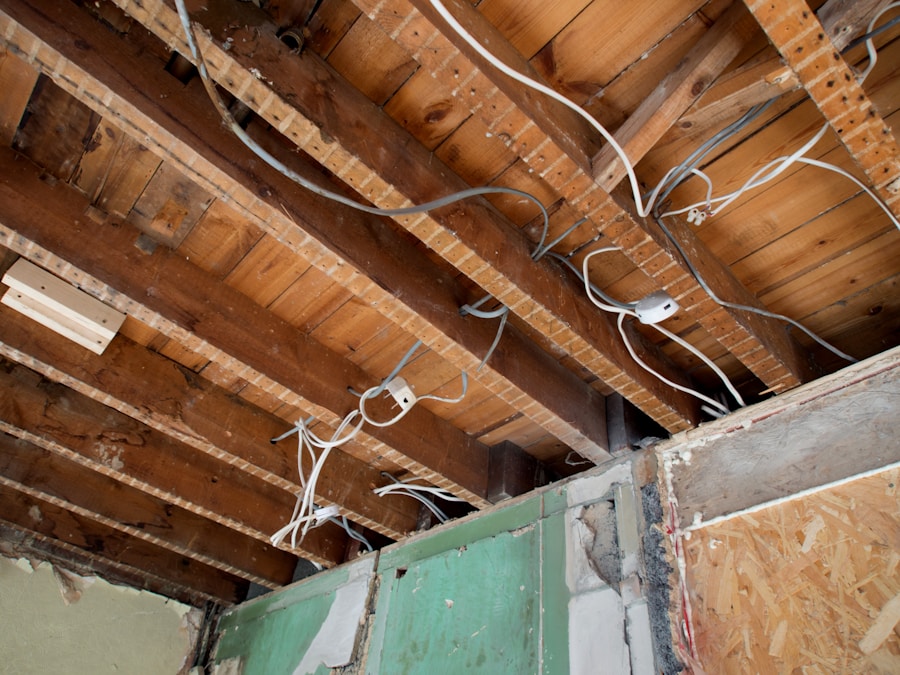
A well-thought-out layout not only enhances aesthetics but also minimizes clutter and potential hazards. When planning your wiring routes, consider using wall cavities or conduits to conceal cables. This not only keeps your space looking tidy but also protects the wires from damage.
Additionally, think about accessibility; you may want to leave some slack in your cables for future adjustments or upgrades. It’s also beneficial to plan for power outlets strategically placed near your equipment to avoid using extension cords, which can pose safety risks. By carefully considering these factors, you can create a seamless and functional home theater environment.
Ensuring Proper Electrical Safety in Your Basement Home Theater
Electrical safety is paramount when setting up a basement home theater. Given that basements can be prone to moisture, it’s essential to take precautions to prevent electrical hazards. Start by ensuring that all wiring complies with local building codes and regulations.
This may involve using specific types of cables rated for in-wall installation or employing conduit systems to protect wires from moisture. Ground fault circuit interrupters (GFCIs) are another critical safety feature for basement installations. These devices help prevent electrical shock by cutting off power when they detect an imbalance in electrical current.
Installing GFCIs in your basement can provide an added layer of protection, especially in areas where water may be present. Additionally, consider using surge protectors for your equipment to safeguard against power surges that could damage sensitive electronics.
Incorporating Smart Home Technology into Your Basement Home Theater Wiring
As technology continues to evolve, integrating smart home features into your basement home theater can enhance both convenience and functionality. Smart home technology allows you to control various aspects of your theater system through a centralized app or voice commands. This can include adjusting lighting, temperature, and audio-visual settings without needing to manually operate each device.
When planning your wiring for smart home integration, consider installing low-voltage wiring for devices such as smart speakers or lighting controls. This can facilitate seamless communication between devices and improve overall system performance. Additionally, ensure that your network infrastructure is robust enough to support multiple smart devices simultaneously; this may involve upgrading your router or adding range extenders to ensure strong Wi-Fi coverage throughout your basement.
Hiring a Professional for Basement Home Theater Wiring Installation
Optimizing Your Home Theater Setup
Professionals can provide valuable insights into optimizing your home theater setup based on their knowledge of audio-visual technology. They can recommend specific products tailored to your needs and help with complex tasks such as calibrating audio systems or configuring smart home devices.
Peace of Mind with Professional Installation
By investing in professional installation, you can enjoy peace of mind knowing that your home theater is set up correctly and efficiently. This ensures that you can focus on enjoying your home theater experience without worrying about the technical aspects of the setup.
Troubleshooting Common Basement Home Theater Wiring Issues
Even with careful planning and installation, issues may arise with your basement home theater wiring over time. One common problem is signal loss or interference, which can manifest as poor audio or video quality. This may be due to damaged cables or improper connections.
To troubleshoot this issue, start by checking all connections to ensure they are secure and free from corrosion. Another frequent issue is related to power supply problems, which can cause devices to malfunction or not turn on at all. If you experience this, check the circuit breakers and ensure that all devices are plugged into functioning outlets.
If problems persist, it may be necessary to consult with an electrician or a professional installer who can diagnose more complex electrical issues.
Upgrading and Maintaining Your Basement Home Theater Wiring System
As technology advances, upgrading your basement home theater wiring system may become necessary to keep pace with new devices and standards. Regular maintenance is also crucial for ensuring optimal performance over time. Start by periodically inspecting all cables for signs of wear or damage; frayed wires or loose connections can lead to significant issues if left unaddressed.
When considering upgrades, evaluate whether your current wiring supports newer technologies such as 8K video or advanced surround sound formats like Dolby Atmos.
Additionally, keeping software updated on smart devices can enhance functionality and security within your home theater system.
By staying proactive about maintenance and upgrades, you can ensure that your basement home theater remains a top-notch entertainment space for years to come.
If you are interested in creating a modern living space in your basement, you may want to check out this comprehensive guide for modern living spaces from com/comprehensive-guides-for-modern-living-spaces/’>Basement Remodeling ESG.
This article provides valuable tips and ideas for transforming your basement into a functional and stylish area that suits your lifestyle. It complements the information provided in the article about basement home theater wiring in Brooklyn, offering a holistic approach to basement remodeling.
FAQs
What are the basic components of basement home theater wiring?
The basic components of basement home theater wiring include speaker wires, HDMI cables, power outlets, and Ethernet cables. These components are essential for setting up a functional and efficient home theater system in your basement.
Why is proper wiring important for a basement home theater?
Proper wiring is important for a basement home theater to ensure optimal audio and video quality, as well as to prevent potential safety hazards. Well-organized and correctly installed wiring can also make it easier to troubleshoot and maintain the home theater system.
What are some common wiring mistakes to avoid in a basement home theater?
Common wiring mistakes to avoid in a basement home theater include using low-quality cables, improper cable management, inadequate power outlets, and not considering future expansion or upgrades. It’s important to plan and install the wiring carefully to avoid these mistakes.
How can I ensure proper ventilation and cooling for my basement home theater wiring?
Proper ventilation and cooling for basement home theater wiring can be achieved by using cable management solutions that allow for airflow, positioning equipment away from heat sources, and installing fans or ventilation systems if necessary. It’s important to prevent overheating of the wiring and equipment.
What are the safety considerations for basement home theater wiring?
Safety considerations for basement home theater wiring include using UL-listed cables and components, following local building codes and regulations, using surge protectors and power conditioners, and ensuring proper grounding of the electrical system. Safety should always be a priority when working with home theater wiring.