In an increasingly noisy world, the significance of soundproofing cannot be overstated. Whether in urban environments where traffic and construction noise are constant or in quieter suburban areas where neighbors may be just a wall away, soundproofing serves as a crucial barrier against unwanted noise. The psychological and physical impacts of noise pollution are well-documented; studies have shown that excessive noise can lead to increased stress levels, disrupted sleep patterns, and even long-term health issues such as hypertension and cardiovascular disease.
By investing in soundproofing, individuals can create a sanctuary within their homes or workplaces, promoting peace and enhancing overall well-being. Moreover, soundproofing is not merely about blocking out external noise; it also plays a vital role in maintaining privacy. In shared living spaces, such as apartments or condominiums, sound can easily travel through walls and ceilings, leading to uncomfortable situations and strained relationships among neighbors.
Effective soundproofing can help mitigate these issues, allowing residents to enjoy their spaces without the constant worry of disturbing others or being disturbed themselves. Additionally, for those who work from home or engage in creative pursuits that require concentration, a soundproof environment can significantly enhance productivity and focus.
Key Takeaways
- Soundproofing is important for creating a peaceful and quiet environment in your home or office.
- Choosing the right materials for soundproofing is crucial for effective noise reduction.
- Soundproofing walls and ceilings can significantly reduce the transmission of sound between rooms.
- Soundproofing floors can minimize impact noise and vibrations from foot traffic and other sources.
- Sealing air leaks and gaps is essential for preventing sound from traveling through doors, windows, and other openings.
Choosing the Right Materials for Soundproofing
Selecting appropriate materials is fundamental to effective soundproofing. Various options are available, each with its unique properties and applications. One of the most commonly used materials is mass-loaded vinyl (MLV), which is dense and flexible, making it an excellent barrier against sound transmission.
MLV can be applied to walls, ceilings, and floors, providing a significant reduction in noise levels when installed correctly. Another popular choice is acoustic foam panels, which are designed to absorb sound waves rather than block them. These panels are particularly effective in reducing echo and reverberation within a room, making them ideal for home studios or media rooms.
In addition to MLV and acoustic foam, other materials such as fiberglass insulation and resilient channels can enhance soundproofing efforts. Fiberglass insulation is often used within wall cavities to dampen sound transmission between rooms.
When selecting materials, it is essential to consider the specific needs of the space being treated, as well as the types of noise that need to be addressed—whether airborne sounds like voices and music or impact noises such as footsteps.
Soundproofing the Walls and Ceilings

When it comes to soundproofing walls and ceilings, several techniques can be employed to achieve optimal results. One effective method is to add an additional layer of drywall to existing walls. This technique not only increases mass but also creates an air gap that can further reduce sound transmission.
For enhanced performance, using a specialized soundproof drywall that incorporates sound-dampening materials can yield even better results. This type of drywall is designed specifically for soundproofing applications and can significantly lower decibel levels in a room. Another approach involves the use of acoustic caulk to seal gaps and cracks around electrical outlets, windows, and doors.
These small openings can allow sound to seep through, undermining the effectiveness of other soundproofing measures. By applying acoustic caulk, homeowners can create a more airtight seal that minimizes sound leakage. Additionally, installing resilient channels on ceilings can help decouple the drywall from the framing, further reducing sound transmission from above.
This method is particularly beneficial in multi-story buildings where noise from upper floors can be a significant concern.
Soundproofing the Floors
Soundproofing floors is essential for minimizing impact noise, which is often a source of disturbance in multi-level homes or apartment buildings. One effective method for achieving this is through the installation of soundproof underlayment beneath flooring materials such as hardwood, laminate, or tile. These underlayments are typically made from materials like rubber or foam that absorb impact sounds and reduce vibrations that travel through the floor structure.
In addition to underlayment, carpets and rugs can also play a significant role in soundproofing floors. Thick carpets with dense padding not only provide comfort but also help dampen sound transmission between floors. For those looking for a more permanent solution, floating floors—where the flooring material is not directly attached to the subfloor—can be an effective way to reduce noise transfer.
This method allows for movement between layers, which helps to absorb sound vibrations more effectively than traditional flooring installations.
Sealing Air Leaks and Gaps
One often-overlooked aspect of soundproofing is the importance of sealing air leaks and gaps throughout a space. Even small openings around windows, doors, and baseboards can allow significant amounts of sound to enter or escape a room. To address this issue, weatherstripping can be applied around doors and windows to create a tighter seal that blocks both air and sound infiltration.
This simple yet effective measure can dramatically improve the overall soundproofing of a space. In addition to weatherstripping, using acoustic sealant on gaps and cracks in walls and ceilings is crucial for achieving a comprehensive soundproofing solution. Unlike regular caulk, acoustic sealant remains flexible after curing, allowing it to absorb vibrations rather than transmit them.
This flexibility makes it ideal for use in areas where movement may occur, such as around windows or where walls meet ceilings. By thoroughly sealing all potential air leaks, homeowners can significantly enhance their soundproofing efforts while also improving energy efficiency.
Using Soundproofing Curtains and Panels
Soundproofing curtains and panels offer an aesthetically pleasing solution for those looking to reduce noise without extensive renovations. These specialized curtains are typically made from heavy fabrics that are designed to absorb sound waves rather than reflect them. When hung over windows or used as room dividers, they can effectively dampen external noise from traffic or neighbors while also reducing echo within a room.
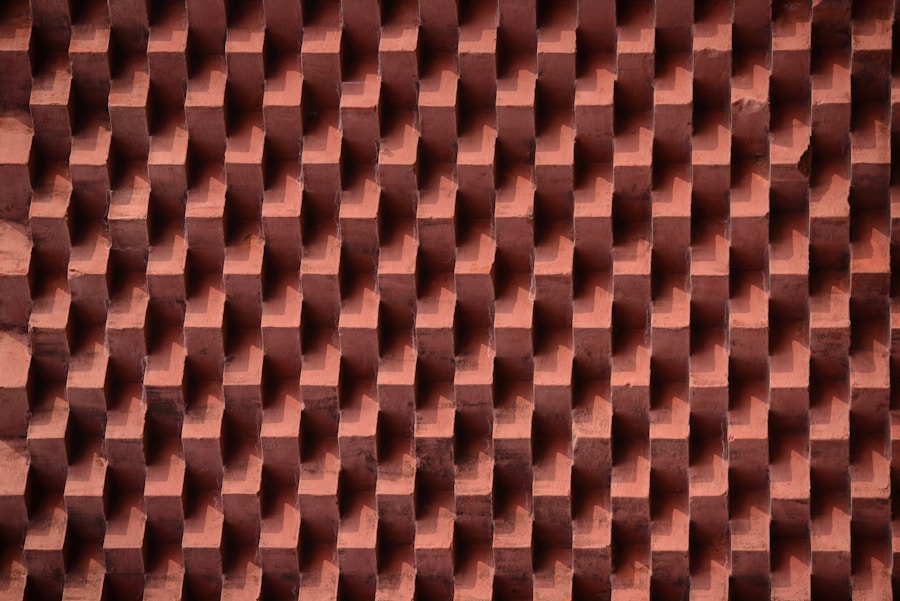
Acoustic panels are another valuable tool in the quest for a quieter environment. These panels come in various shapes, sizes, and colors, allowing homeowners to incorporate them into their decor seamlessly. When strategically placed on walls or ceilings, acoustic panels can significantly reduce reverberation and improve overall sound quality within a space.
For example, in home theaters or music studios, these panels can enhance audio clarity by minimizing unwanted reflections that can muddy sound quality.
Incorporating Sound Absorbing Furniture and Decor
The choice of furniture and decor can also influence the acoustics of a space significantly. Soft furnishings such as upholstered sofas, plush rugs, and heavy drapes contribute to sound absorption by trapping sound waves rather than allowing them to bounce off hard surfaces like walls or floors. For instance, a room filled with hard surfaces—like tile floors and bare walls—will naturally amplify sounds due to reflections; however, introducing soft elements can help mitigate this effect.
The irregular shapes and varying densities of books create obstacles for sound waves, helping to diffuse noise within a room. Similarly, wall art made from fabric or other soft materials can serve both decorative and functional purposes by absorbing sound while enhancing the visual appeal of a space.
Hiring a Professional for Soundproofing Assistance
While many homeowners may choose to tackle soundproofing projects on their own, hiring a professional can provide significant advantages in terms of expertise and efficiency. Soundproofing specialists possess in-depth knowledge of acoustics and building materials that can help ensure optimal results tailored to specific needs. They can conduct thorough assessments of spaces to identify problem areas and recommend targeted solutions that may not be immediately apparent to the average homeowner.
Moreover, professionals have access to advanced tools and techniques that may not be available for DIY projects. For instance, they may utilize specialized equipment to measure sound levels before and after treatment to quantify improvements accurately. This data-driven approach allows homeowners to see tangible results from their investment in soundproofing measures.
Ultimately, while DIY solutions can be effective for smaller projects or budget-conscious homeowners, enlisting professional assistance can lead to more comprehensive and lasting outcomes in creating a quieter living environment.
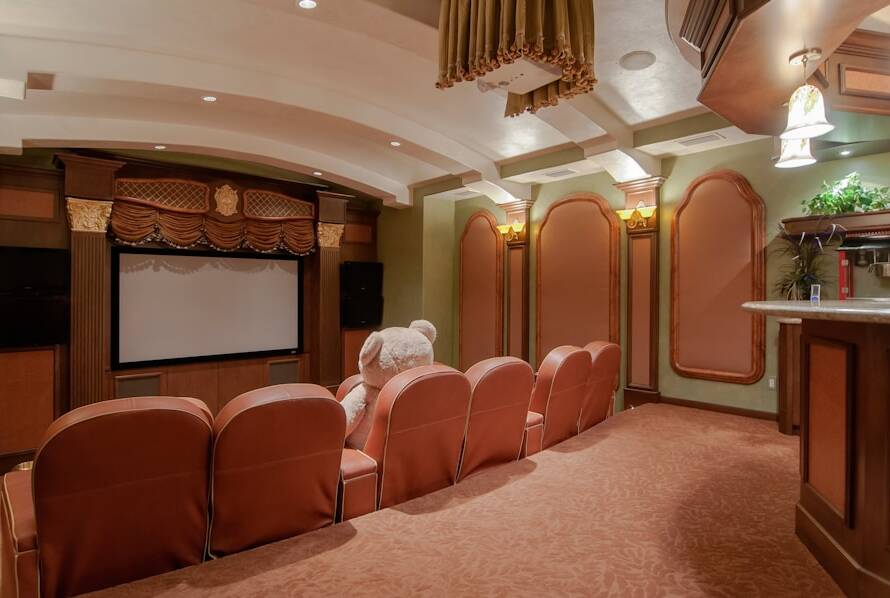
If you’re looking to transform your Brooklyn basement into a home theater, you may also be interested in exploring the top architectural trends to inspire your next project. This article offers valuable insights into how you can elevate the design of your space to create a truly unique and stylish home theater experience. Check it out here.
FAQs
What are the benefits of soundproofing a basement home theater?
Soundproofing a basement home theater can help to minimize sound transmission to other parts of the house, create a more immersive viewing experience, and reduce outside noise interference.
What are some effective soundproofing techniques for a basement home theater?
Effective soundproofing techniques for a basement home theater include using acoustic panels, soundproofing insulation, heavy curtains, carpeting, and soundproofing drywall. Additionally, sealing any gaps or cracks in the walls, floors, and ceiling can also help to reduce sound transmission.
How can acoustic panels help with soundproofing a basement home theater?
Acoustic panels are designed to absorb sound and reduce echo within a room, which can help to improve the overall sound quality in a basement home theater. They can also help to prevent sound from escaping the room and minimize outside noise interference.
Is soundproofing insulation necessary for a basement home theater?
Soundproofing insulation can be beneficial for a basement home theater as it helps to reduce sound transmission through the walls and ceiling. It can also improve the overall acoustics within the room, creating a more immersive viewing experience.
What role do heavy curtains and carpeting play in soundproofing a basement home theater?
Heavy curtains and carpeting can help to absorb sound and reduce echo within a basement home theater. They also act as barriers to prevent sound from escaping the room and can help to minimize outside noise interference.
How can soundproofing drywall contribute to a quieter basement home theater?
Soundproofing drywall is designed to reduce sound transmission through walls, making it an effective option for creating a quieter basement home theater. It can help to minimize the transfer of sound to other parts of the house and improve the overall acoustics within the room.
What are some additional tips for soundproofing a basement home theater?
In addition to using acoustic panels, soundproofing insulation, heavy curtains, carpeting, and soundproofing drywall, it’s important to seal any gaps or cracks in the walls, floors, and ceiling to further reduce sound transmission. Using a combination of these techniques can help to create a more enjoyable and immersive home theater experience.