Before embarking on the journey of transforming your basement into a functional workout area, it is crucial to assess both the physical space and your specific fitness needs. Start by measuring the dimensions of your basement, taking note of any architectural features such as support beams, windows, and existing fixtures that may influence your design. Understanding the layout will help you visualize how to best utilize the available space.
For instance, if your basement is relatively small, you may need to prioritize compact equipment like resistance bands, dumbbells, or a foldable treadmill, rather than larger machines that could overwhelm the area. In addition to the physical dimensions, consider your personal fitness goals and the types of workouts you plan to engage in. Are you focused on strength training, cardio, yoga, or a combination of these?
Your workout preferences will dictate not only the equipment you need but also how you arrange your space. For example, if you enjoy high-intensity interval training (HIIT), you might require an open area for movement and agility drills. Conversely, if yoga or Pilates is your focus, a serene corner with adequate space for mats and props would be more suitable.
By aligning your space with your fitness aspirations, you can create an environment that motivates and inspires you to stay active.
Key Takeaways
- Assess the size and layout of your basement to determine the space available for a home gym
- Consider the types of workouts you plan to do to determine the equipment and space requirements
- Evaluate the natural lighting in your basement and consider adding windows or light wells for additional light
- Determine the right type of lighting for your home gym, such as LED or fluorescent lights
- Choose the right light fixtures that provide adequate brightness and coverage for your workout space
- Consider the placement of lighting to ensure even distribution and minimize shadows during workouts
- Incorporate dimmer switches for versatility in adjusting the lighting for different workout activities
- Ensure proper installation and safety measures for all lighting fixtures to prevent accidents and ensure a safe workout environment
Consider the Type of Workouts You’ll Be Doing
The type of workouts you intend to perform in your basement gym will significantly influence the design and layout of the space. If your routine includes weightlifting, you’ll need to allocate sufficient room for a squat rack or bench press, along with storage for weights. This setup requires not only adequate floor space but also a sturdy surface that can withstand heavy equipment.
On the other hand, if your focus is on cardio workouts, such as cycling or running, consider incorporating machines like stationary bikes or treadmills that can be easily accessed and used without obstruction. Moreover, think about the variety of workouts you might want to incorporate over time. A versatile space can accommodate different fitness modalities, allowing you to switch up your routine as needed.
For instance, if you plan to include group classes or partner workouts, ensure there is enough room for multiple participants to move freely without feeling cramped. Additionally, consider integrating multifunctional equipment that can serve various purposes—such as a power rack that allows for both strength training and bodyweight exercises—maximizing the utility of your basement gym.
Evaluate the Natural Lighting in Your Basement
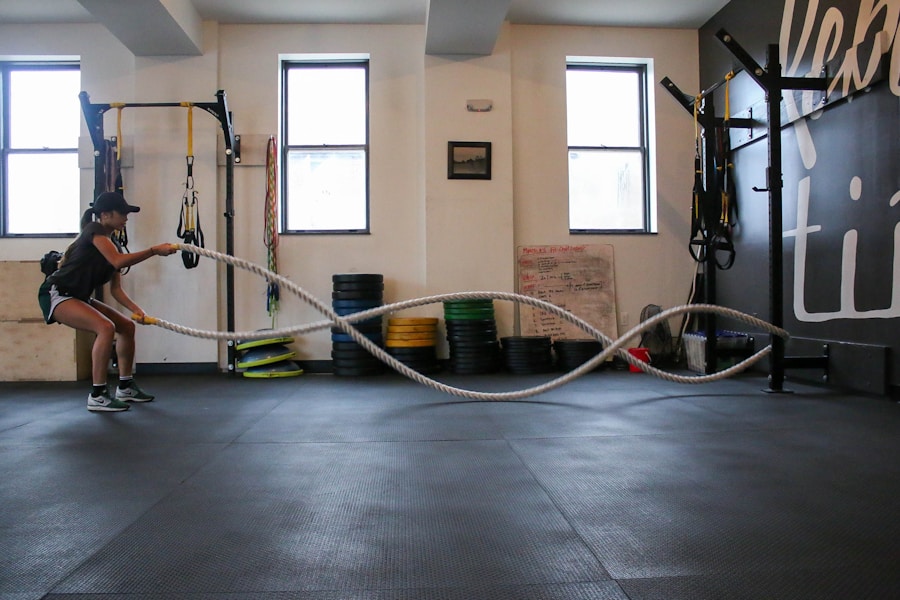
Natural lighting plays a pivotal role in creating an inviting and energizing workout environment. Basements often lack windows or have limited access to daylight, which can make them feel dark and unwelcoming. If your basement has windows, assess their size and placement to determine how much natural light enters the space throughout the day.
Consider the direction those windows face; south-facing windows typically receive more sunlight than those facing north. If possible, enhance this natural light by keeping window treatments minimal or using reflective surfaces that can help bounce light around the room. If your basement lacks windows altogether, think about how you can simulate natural light through artificial means.
Bright, warm lighting can mimic the effects of daylight and create a more uplifting atmosphere. Additionally, consider incorporating light-colored walls and flooring to enhance brightness and make the space feel larger. Mirrors can also be strategically placed to reflect light and create an illusion of depth, making your workout area feel more expansive and less confined.
Determine the Right Type of Lighting
Once you’ve evaluated the natural lighting in your basement, it’s time to determine the right type of artificial lighting that will complement your workout space. The primary goal is to create a well-lit environment that supports various activities without causing glare or harsh shadows. A combination of ambient, task, and accent lighting can achieve this balance effectively.
Ambient lighting provides overall illumination and sets the mood for the space; consider using ceiling-mounted fixtures or recessed lighting for this purpose. Task lighting is essential for specific areas where detailed work occurs, such as near mirrors or workout stations. Adjustable fixtures like wall sconces or track lighting can be directed toward these areas to provide focused illumination when needed.
Accent lighting can add visual interest and highlight certain features of your gym, such as artwork or motivational quotes on the walls. By thoughtfully selecting different types of lighting, you can create a dynamic environment that enhances both functionality and aesthetics.
Choose the Right Light Fixtures
Selecting the right light fixtures is crucial for achieving an effective lighting scheme in your basement gym. Consider energy-efficient options such as LED lights that not only reduce electricity costs but also have a longer lifespan compared to traditional bulbs. LED fixtures come in various styles and designs, allowing you to choose options that align with your aesthetic preferences while providing ample illumination.
When choosing fixtures, think about their placement and how they will interact with the overall design of your space. For instance, pendant lights can add a stylish touch while providing direct light over workout areas. Flush-mount ceiling lights are ideal for low ceilings and can distribute light evenly throughout the room.
If you’re incorporating mirrors into your design, consider using fixtures that minimize shadows on your face during workouts—this is particularly important for activities like yoga or strength training where form is critical.
Consider the Placement of Lighting
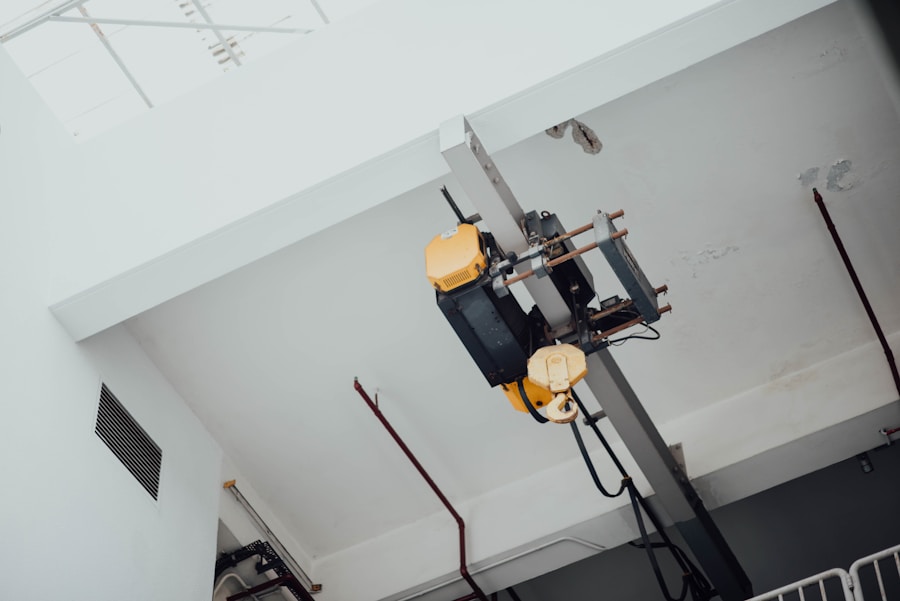
The placement of lighting fixtures is just as important as their type when it comes to creating an effective workout environment. Start by identifying key areas in your basement gym where lighting is essential—these may include workout stations, mirrors, and any spaces designated for stretching or cool-down exercises. Ensure that these areas are well-lit to enhance visibility and safety during workouts.
In addition to functional considerations, think about how lighting placement can influence the overall ambiance of your gym.
Wall-mounted fixtures can provide soft illumination along pathways or around mirrors without overwhelming the area with brightness.
Additionally, consider using layered lighting techniques by combining overhead lights with floor lamps or wall sconces to create a warm and inviting atmosphere that encourages motivation and focus during workouts.
Incorporate Dimmer Switches for Versatility
Incorporating dimmer switches into your basement gym’s lighting design adds a layer of versatility that can significantly enhance your workout experience. Dimmer switches allow you to adjust the brightness of your lights according to different activities or moods—brightening them for high-energy workouts while dimming them for calming yoga sessions or meditation practices. This flexibility not only contributes to a more personalized environment but also helps reduce eye strain during prolonged workouts.
Moreover, dimmer switches can be particularly beneficial if you share your basement gym with family members who may have varying preferences for lighting intensity during their workouts. By installing dimmers on multiple circuits or zones within your gym, each user can tailor the lighting to their liking without compromising on functionality or aesthetics. This adaptability fosters an inclusive atmosphere where everyone feels comfortable engaging in their preferred fitness routines.
Ensure Proper Installation and Safety Measures
Finally, ensuring proper installation and adherence to safety measures is paramount when setting up lighting in your basement gym. If you’re not experienced with electrical work, it’s advisable to hire a licensed electrician who can guarantee that all fixtures are installed correctly and meet local building codes. This step is crucial not only for functionality but also for preventing potential hazards such as electrical fires or short circuits.
In addition to professional installation, consider implementing safety measures such as using moisture-resistant fixtures if your basement is prone to dampness or humidity. This precaution helps protect both the fixtures and users from potential accidents related to water exposure. Furthermore, ensure that all wiring is properly secured and out of reach from workout areas to prevent tripping hazards or damage during exercise routines.
By prioritizing safety in your lighting design, you create a secure environment that allows you to focus on achieving your fitness goals without unnecessary distractions or risks.
If you are considering transforming your Brooklyn basement into a home gym, you may also want to check out this article on affordable upgrades and budget-friendly solutions offered by Basement Remodeling ESG. This article provides helpful tips on how to make cost-effective improvements to your basement gym without breaking the bank. It’s always important to prioritize safety when handling hardware during any remodeling project, so be sure to read this article for best practices.
FAQs
What are the key factors to consider when choosing lighting for a home gym in a Brooklyn basement?
The key factors to consider when choosing lighting for a home gym in a Brooklyn basement include the size and layout of the space, the type of workouts you will be doing, the natural light available, and the overall aesthetic you want to achieve.
What are the different types of lighting options suitable for a home gym in a Brooklyn basement?
Different types of lighting options suitable for a home gym in a Brooklyn basement include recessed lighting, track lighting, pendant lights, LED strip lights, and wall sconces. Each type of lighting offers different benefits in terms of brightness, energy efficiency, and flexibility.
How can natural light be incorporated into the lighting design for a home gym in a Brooklyn basement?
Natural light can be incorporated into the lighting design for a home gym in a Brooklyn basement by adding windows or skylights, using light-colored paint on the walls to reflect natural light, and strategically placing mirrors to reflect and amplify natural light.
What are the best lighting fixtures for creating a motivating and energizing atmosphere in a home gym in a Brooklyn basement?
The best lighting fixtures for creating a motivating and energizing atmosphere in a home gym in a Brooklyn basement include bright LED lights, daylight bulbs, and adjustable lighting options that allow you to control the intensity and color temperature of the light.
How can lighting be used to enhance safety and functionality in a home gym in a Brooklyn basement?
Lighting can be used to enhance safety and functionality in a home gym in a Brooklyn basement by ensuring even and consistent lighting throughout the space, using motion sensor lights for areas like the entrance and equipment storage, and avoiding glare or shadows that could cause accidents during workouts.