Minimalist design is a philosophy that emphasizes simplicity, functionality, and the elimination of excess. At its core, it advocates for a “less is more” approach, where every element in a space serves a purpose and contributes to the overall aesthetic. This design principle is not merely about reducing clutter; it’s about creating an environment that fosters clarity and focus.
The minimalist ethos can be traced back to various art movements, particularly in the mid-20th century, where artists and designers sought to strip away the superfluous and highlight the essence of their work. In architecture, for instance, minimalist design often features clean lines, open spaces, and a limited color palette, all of which contribute to a serene atmosphere. Incorporating minimalist design principles into your workspace can significantly enhance productivity and mental clarity.
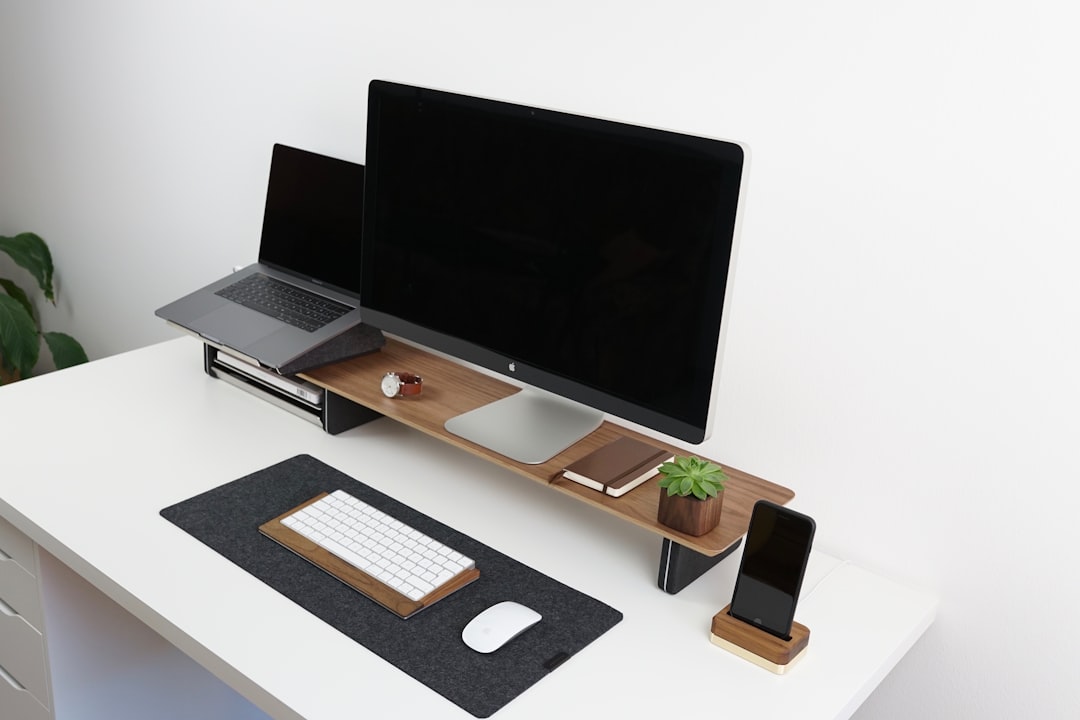
A minimalist office is not just visually appealing; it also promotes a sense of calm and order. By prioritizing essential items and eliminating distractions, individuals can create an environment conducive to deep work and creativity. This approach encourages thoughtful consideration of each item in the space, leading to a more intentional selection of furniture, decor, and organizational systems.
Understanding these principles is the first step toward transforming your basement office into a minimalist haven.
Key Takeaways
- Minimalist design principles focus on simplicity, functionality, and clean lines.
- Decluttering your basement office space is essential for creating a minimalist environment.
- Choosing a neutral color palette helps create a calm and cohesive atmosphere.
- Selecting functional and streamlined furniture is key to achieving a minimalist look.
- Incorporating natural lighting and greenery adds a sense of openness and tranquility to the space.
Decluttering Your Basement Office Space
The process of decluttering is foundational to achieving a minimalist office space. Begin by assessing every item in your basement office, from furniture to stationery. A useful strategy is to categorize items into three groups: keep, donate/sell, and discard.
This method not only simplifies decision-making but also helps you visualize the space you want to create. For example, if you have multiple pens that no longer work or stacks of outdated paperwork, these can be easily discarded or recycled. The goal is to retain only those items that are essential for your work or that bring you joy.
Once you have sorted through your belongings, consider the layout of your office. A common mistake is to overcrowd a space with furniture or decorative items that do not serve a functional purpose. Aim for an open layout that allows for easy movement and access to necessary tools.
This might mean removing bulky furniture or repurposing items that take up valuable real estate without adding value to your work experience. By creating a more spacious environment, you not only enhance the aesthetic appeal but also improve your ability to concentrate and work efficiently.
Choosing a Neutral Color Palette
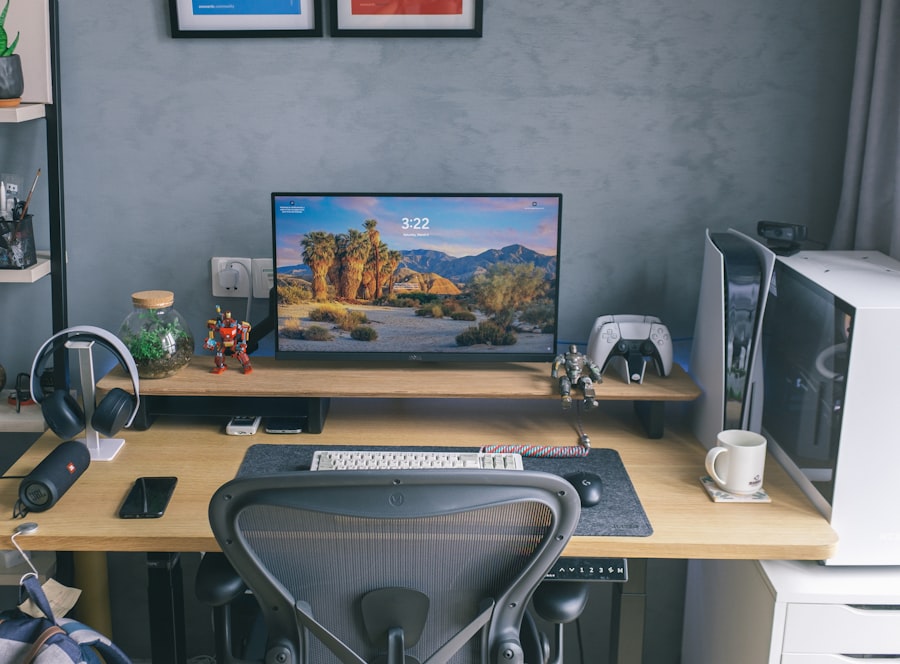
Color plays a crucial role in setting the mood of any space, and in a minimalist office, a neutral color palette can create a calming atmosphere conducive to productivity. Shades such as whites, grays, beiges, and soft earth tones can help establish a serene backdrop that allows for focus and creativity. These colors reflect light well, making the space feel larger and more open while also providing a versatile canvas for other design elements.
When selecting a color palette, consider how different shades interact with one another and with the natural light in your basement office. For instance, pairing a soft gray with crisp white trim can create a sophisticated look that feels both modern and inviting.
A neutral palette not only enhances the minimalist aesthetic but also allows for easy integration of personal touches or accent colors in decor or artwork without clashing.
Selecting Functional and Streamlined Furniture
In a minimalist office, furniture selection is paramount. The goal is to choose pieces that are not only functional but also streamlined in design. Look for furniture that serves multiple purposes; for example, a desk with built-in storage can reduce the need for additional cabinets or shelves.
Opting for sleek designs with clean lines can help maintain an uncluttered look while providing essential functionality. Consider materials as well when selecting furniture.
Avoid overly ornate pieces that may distract from the overall simplicity you are aiming for. Instead, focus on furniture that embodies both form and function—such as an ergonomic chair that supports long hours of work while complementing the clean lines of your desk. By carefully curating your furniture choices, you can create an environment that is both practical and visually appealing.
Incorporating Natural Lighting and Greenery
Natural lighting is one of the most effective ways to enhance a minimalist office space. It not only brightens the room but also contributes to overall well-being by reducing eye strain and improving mood. If your basement office has windows, maximize this natural light by keeping window treatments minimal—consider sheer curtains or blinds that allow light to filter through while maintaining privacy.
If natural light is limited, strategically placed mirrors can help reflect light around the room, creating an illusion of openness. In addition to lighting, incorporating greenery into your workspace can significantly enhance its aesthetic appeal while promoting a sense of tranquility. Plants such as succulents or snake plants require minimal maintenance and can thrive in lower light conditions typical of basement environments.
These natural elements not only purify the air but also add a touch of life to an otherwise sterile setting. Positioning plants on shelves or desks can create visual interest without overwhelming the minimalist design ethos.
Utilizing Simple and Clean Organizational Systems
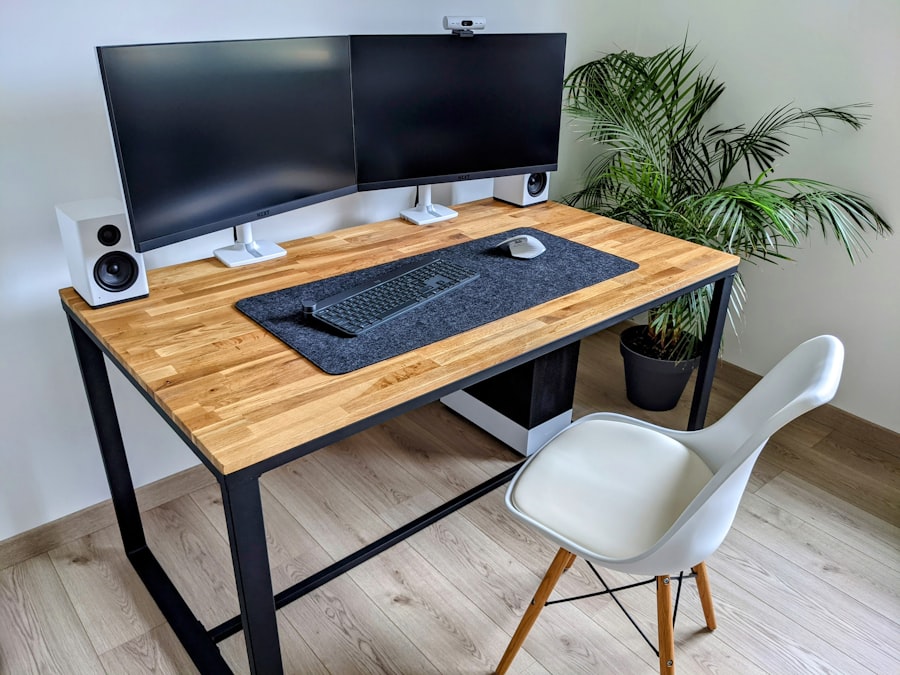
An organized workspace is essential for maintaining a minimalist aesthetic. Simple organizational systems can help keep your office tidy while ensuring that everything has its place. Consider using clear storage bins or labeled boxes to categorize supplies and documents.
This approach allows you to quickly locate what you need without sifting through cluttered drawers or shelves. Digital organization is equally important in today’s tech-driven world. Implementing cloud storage solutions can reduce physical paperwork while ensuring easy access to important files from anywhere.
By digitizing documents and utilizing organizational apps, you can streamline your workflow and minimize physical clutter in your office space. The key is to establish systems that are easy to maintain; regular reviews of your organizational methods will help prevent accumulation of unnecessary items over time.
Adding Minimalist Decor and Artwork
While minimalism emphasizes simplicity, it does not mean sacrificing personality or style in your office decor. Thoughtfully chosen artwork or decor pieces can enhance the overall aesthetic without overwhelming the space. When selecting art for your walls, consider pieces that resonate with you personally but also align with the minimalist philosophy—think abstract designs or monochromatic prints that complement your color palette.
In addition to wall art, consider incorporating decorative elements such as sculptural pieces or vases with simple lines. These items should serve as focal points rather than distractions; they should evoke interest while maintaining harmony within the overall design scheme. A single statement piece can often be more impactful than multiple smaller items vying for attention.
By curating decor that reflects your personal style while adhering to minimalist principles, you can create an inspiring workspace that feels uniquely yours.
Maintaining a Minimalist Aesthetic
Achieving a minimalist aesthetic is an ongoing process rather than a one-time project. To maintain this environment, it’s essential to adopt habits that promote simplicity and orderliness in your workspace. Regularly assess your belongings and be mindful of new items entering your office; ask yourself whether each new addition aligns with your minimalist goals before bringing it into the space.
Establishing routines for tidying up at the end of each workday can also help preserve the clean look of your office. This might include organizing papers, wiping down surfaces, or ensuring that everything is returned to its designated place after use. By fostering these habits, you not only maintain the aesthetic appeal of your workspace but also cultivate an environment that supports productivity and creativity over time.
In conclusion, embracing minimalist design principles in your basement office can lead to a more organized, functional, and aesthetically pleasing workspace. By understanding these principles and implementing strategies such as decluttering, choosing neutral colors, selecting streamlined furniture, incorporating natural elements, utilizing effective organizational systems, adding thoughtful decor, and maintaining orderliness, you can create an environment that enhances both focus and creativity while reflecting your personal style.
If you’re looking to incorporate minimalist design in your Brooklyn basement office, you may also want to consider modern upgrades to stay on top of the latest home trends. This article provides valuable insights on how to elevate your space with contemporary touches.
FAQs
What is minimalist design?
Minimalist design is a style that focuses on simplicity and functionality. It emphasizes clean lines, open spaces, and a limited color palette to create a sense of calm and order.
Why incorporate minimalist design in a basement office?
Incorporating minimalist design in a basement office can help create a clean and uncluttered workspace, making the most of the limited natural light often found in basement spaces. It can also promote a sense of focus and productivity.
What are some key elements of minimalist design?
Key elements of minimalist design include simple and functional furniture, a neutral color palette, uncluttered spaces, and an emphasis on natural light and open space.
How can I incorporate minimalist design in my Brooklyn basement office?
To incorporate minimalist design in your Brooklyn basement office, consider decluttering the space, using simple and functional furniture, choosing a neutral color palette, and maximizing natural light. You can also add greenery and incorporate storage solutions to keep the space organized.
What are the benefits of minimalist design in a basement office?
The benefits of minimalist design in a basement office include creating a clean and uncluttered workspace, promoting a sense of calm and focus, maximizing natural light, and making the most of limited space.