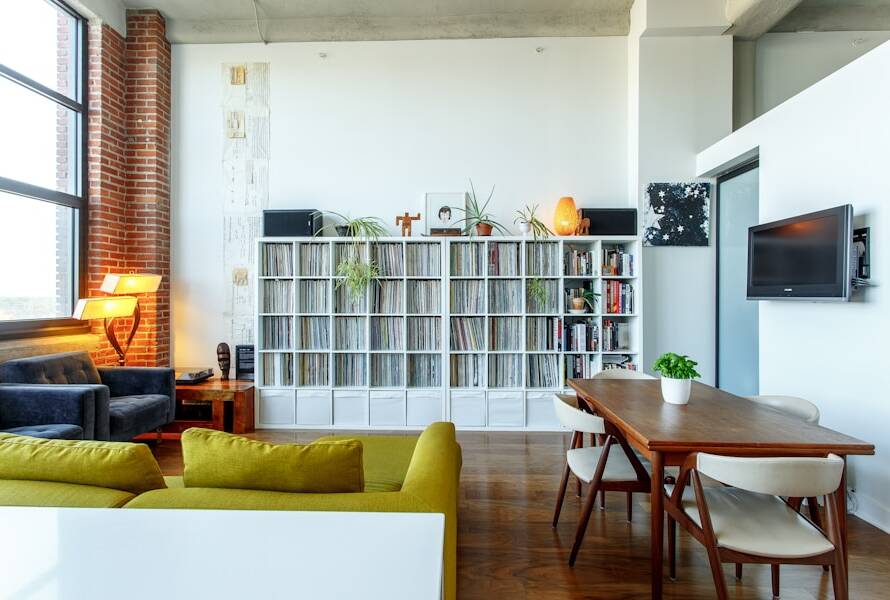
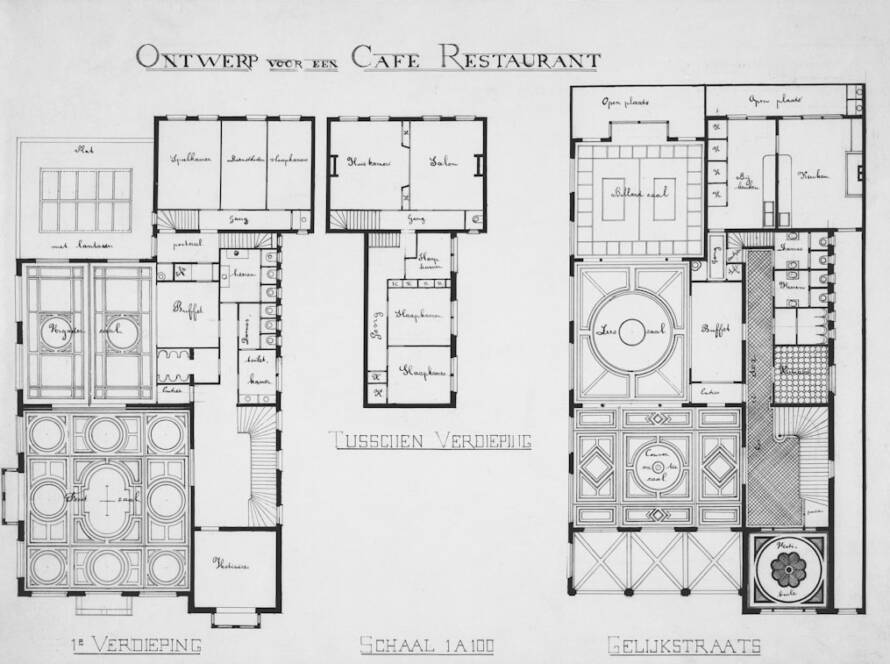
When considering the establishment of a basement office, the first step is to assess the space thoroughly. This involves evaluating the dimensions, ceiling height, and overall layout of the basement. A standard basement may have limited natural light and lower ceilings compared to other areas of a home, which can impact both comfort and functionality.
It is essential to measure the space accurately, taking note of any structural elements such as support beams, ductwork, or plumbing that could influence the design and layout. Additionally, understanding the flow of the space is crucial; how one moves in and out of the office area can affect productivity and comfort. Beyond physical dimensions, it is also vital to consider environmental factors such as humidity and temperature control.
Basements are often prone to dampness, which can lead to mold growth and other issues that may affect both health and equipment. Installing a dehumidifier or ensuring proper ventilation can mitigate these risks. Furthermore, assessing access to electrical outlets and internet connectivity is critical for a functional office setup.
If the basement lacks sufficient power sources or reliable internet, it may require additional investment in wiring or equipment to create a conducive work environment.
Key Takeaways
- Assess the feasibility of the office area in the basement by considering factors such as natural light, ventilation, and accessibility.
- Maximize functionality in the basement office layout by carefully planning the placement of furniture, equipment, and workstations.
- Enhance the work environment in the basement office by incorporating a combination of natural and artificial lighting solutions.
- Organize and utilize limited space in the basement office by implementing creative storage solutions such as built-in shelves, cabinets, and multi-functional furniture.
- Choose practical and stylish furniture pieces for the basement office that complement the overall design and provide comfort and functionality for the workspace.
Designing the Layout: Maximizing the Functionality of the Basement Office
Once the feasibility of the basement space has been established, the next step is to design a layout that maximizes functionality. The arrangement of furniture and equipment should facilitate workflow while also considering comfort and accessibility. A common approach is to create distinct zones within the office area, such as a dedicated workspace for a desk and computer, a meeting area with seating for collaboration, and perhaps a small lounge space for breaks.
This zoning can help delineate work from relaxation, which is particularly important in a home office setting. In addition to zoning, it is essential to consider ergonomics when designing the layout. The desk should be positioned to allow for optimal posture, with the computer screen at eye level and the chair providing adequate support.
Furthermore, ensuring that frequently used items are within arm’s reach can enhance efficiency. For example, placing a printer or filing cabinet close to the desk can reduce unnecessary movement and interruptions during work hours. Utilizing vertical space through shelving can also help keep the floor area clear while providing storage for books, supplies, or decorative items.
Lighting Solutions: Enhancing the Work Environment in a Basement Setting
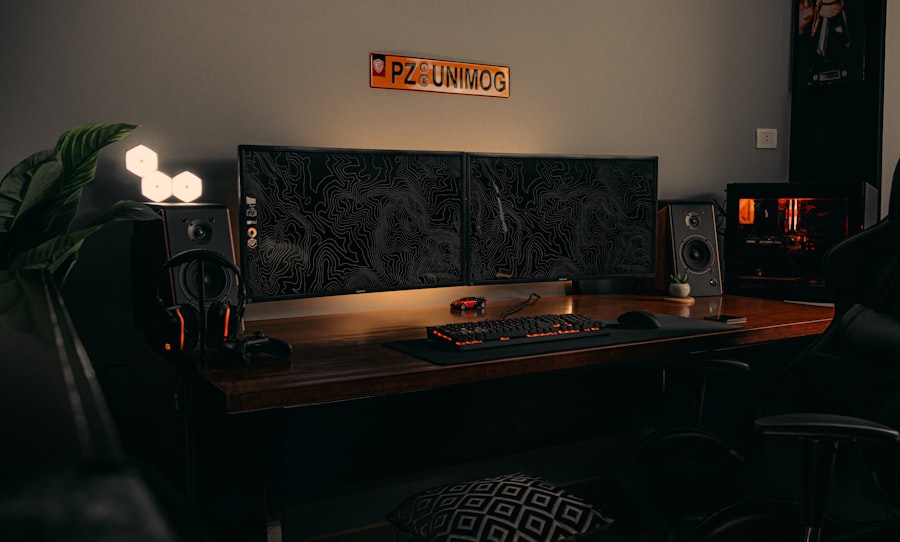
Lighting plays a pivotal role in creating an inviting and productive work environment, especially in a basement office where natural light may be limited. A well-lit space can significantly enhance mood and focus, making it essential to incorporate various lighting solutions. Ambient lighting should be the foundation of any office setup; this can be achieved through ceiling fixtures or floor lamps that provide general illumination throughout the room.
However, ambient lighting alone may not suffice in a basement setting where shadows can be more pronounced. Task lighting is equally important, particularly for areas where detailed work is performed, such as reading or writing at a desk. Desk lamps with adjustable brightness levels can provide focused light without causing glare on screens or paperwork.
Additionally, incorporating accent lighting can add warmth and character to the space; wall sconces or LED strips along shelves can create an inviting atmosphere while also highlighting personal decor elements. It’s also worth considering smart lighting solutions that allow for customization based on time of day or specific tasks, further enhancing the versatility of the workspace.
Storage Solutions: Organizing and Utilizing Limited Space in a Basement Office
Storage is often a significant challenge in basement offices due to limited square footage and potential clutter from other household items. To effectively organize this space, it is crucial to implement creative storage solutions that maximize every inch available.
These shelves can be customized to fit specific needs, whether for books, files, or decorative elements that personalize the office. In addition to shelving, multi-functional furniture can greatly enhance storage capabilities. Desks with built-in drawers or cabinets can help keep supplies organized while minimizing visual clutter.
Mobile carts or rolling cabinets can also provide flexibility; they can be moved as needed and tucked away when not in use. Utilizing under-desk space for storage bins or filing cabinets can further optimize organization without sacrificing floor space. By thoughtfully considering storage options, a basement office can remain tidy and functional, allowing for greater focus on work tasks.
Furniture Selection: Choosing Practical and Stylish Pieces for a Basement Office
Selecting furniture for a basement office requires careful consideration of both practicality and aesthetics. The pieces chosen should not only fit within the spatial constraints but also reflect personal style while providing comfort during long working hours. Ergonomic chairs are essential; they should offer adequate lumbar support and adjustability to accommodate different body types and preferences.
A well-chosen chair can significantly impact productivity by reducing discomfort during extended periods of sitting. Desks are another critical component of office furniture selection. Options range from traditional wooden desks to modern standing desks that promote movement throughout the day.
When choosing a desk, it’s important to consider surface area; there should be enough space for a computer, paperwork, and any additional equipment like printers or monitors. Additionally, incorporating stylish elements such as unique finishes or colors can enhance the overall aesthetic of the basement office while ensuring that it remains functional.
Creating a Distinct Work Environment: Separating the Office Space from the Living Area
Establishing Boundaries
When working from home, especially in a basement office, it’s essential to create a distinct work environment to maintain productivity and focus. This separation helps establish boundaries between professional responsibilities and personal life, which can often blur in remote work situations.
Physical Barriers and Visual Separation
One effective method for delineating these spaces is through physical barriers such as room dividers or curtains that can be drawn when work is in session. Alternatively, design elements can be used to create visual separation without physical barriers. For instance, different color schemes or flooring materials can signal a transition from living space to office area.
Designing for Concentration and Comfort
Rugs can define the workspace while adding comfort underfoot; they also contribute to sound absorption, which is particularly beneficial in basements where acoustics may be less than ideal. By thoughtfully designing these transitions, one can foster an environment conducive to concentration while still feeling connected to the rest of the home.
Incorporating Technology: Integrating Necessary Equipment and Connectivity in the Basement Office
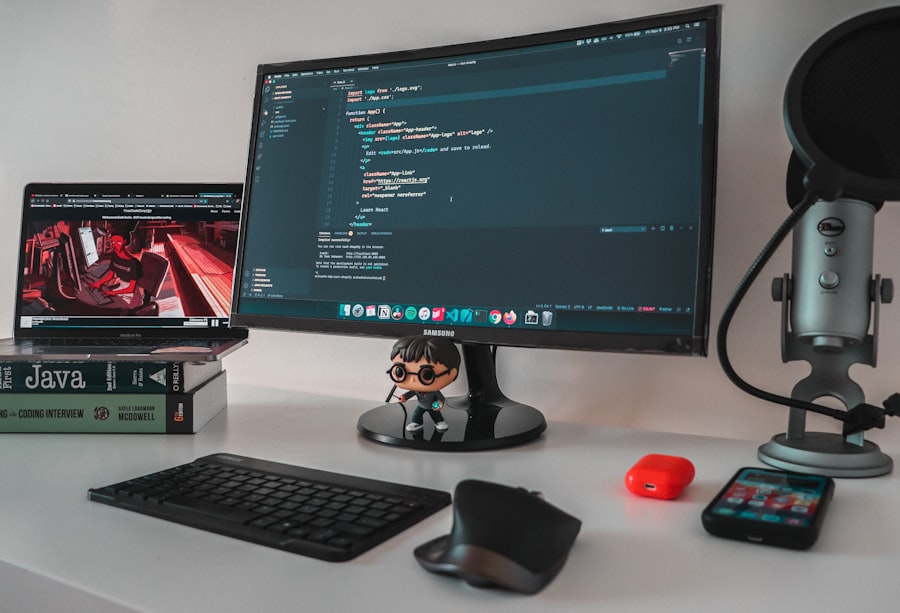
In today’s digital age, technology integration is paramount for any office setup, including those located in basements. Ensuring reliable internet connectivity is one of the first steps; this may involve installing additional wiring or using Wi-Fi extenders if necessary. A strong internet connection is essential for video conferencing, cloud-based applications, and other online tools that facilitate modern work practices.
Beyond connectivity, selecting appropriate technology equipment is crucial for efficiency. This includes computers with sufficient processing power for tasks at hand, printers for document management, and possibly additional monitors for multitasking capabilities. Cable management solutions should also be considered; keeping cords organized not only enhances aesthetics but also prevents potential hazards in a workspace where movement may be limited due to furniture placement.
By carefully integrating technology into the basement office design, one can create an efficient workspace that meets all professional needs.
Personalizing the Space: Adding Decor and Finishing Touches to Make the Office Feel Inviting
Finally, personalizing a basement office with decor and finishing touches transforms it from a mere workspace into an inviting environment that reflects individual personality and style. Artwork, photographs, or motivational quotes can adorn walls, providing inspiration during work hours while also making the space feel more welcoming. Plants are another excellent addition; they not only improve air quality but also bring life into an otherwise utilitarian setting.
Incorporating personal items such as bookshelves filled with favorite reads or souvenirs from travels adds character to the office space. Textiles like cushions or throws can soften hard surfaces and create a cozy atmosphere conducive to creativity and focus. Lighting fixtures with unique designs or colors can serve as statement pieces while providing necessary illumination.
By thoughtfully curating these elements, one can create a basement office that feels both functional and uniquely personal, enhancing overall satisfaction with the workspace.
If you are considering incorporating an office space into your Brooklyn basement apartment design, you may want to consider hiring professional basement remodeling services. These experts can help you maximize the functionality and aesthetics of your space while ensuring it meets all necessary building codes and regulations.