Brooklyn, one of New York City’s most vibrant boroughs, is characterized by its diverse neighborhoods, rich history, and a dynamic real estate market. The borough’s zoning laws play a crucial role in shaping its urban landscape, dictating how land can be used and what types of structures can be built. Zoning regulations are designed to promote orderly development, protect the character of neighborhoods, and ensure the health and safety of residents.
In Brooklyn, these laws can be particularly complex due to the borough’s unique blend of residential, commercial, and industrial zones. Understanding these regulations is essential for homeowners and investors looking to navigate the intricacies of property development and renovation. Zoning laws in Brooklyn are governed by the New York City Zoning Resolution, which outlines specific rules regarding land use, building height, density, and other factors.
Each neighborhood has its own zoning designation, which can significantly impact what can be done with a property. For instance, areas zoned for residential use may have restrictions on the number of units that can be built or the types of modifications that can be made to existing structures. As such, anyone considering a renovation project—especially those involving basement apartments—must familiarize themselves with these regulations to avoid potential legal issues and ensure compliance with city standards.
Key Takeaways
- Brooklyn zoning laws dictate the regulations for basement apartment renovations
- Understanding zoning regulations is crucial for compliance when renovating basement apartments
- The process of obtaining permits for basement apartment renovations involves several steps and considerations
- Important factors to consider when renovating basement apartments in Brooklyn include natural light, ventilation, and safety
- Common challenges when renovating basement apartments in Brooklyn include limited space and compliance with safety codes
Understanding Zoning Regulations for Basement Apartments
Basement apartments in Brooklyn have become increasingly popular as a means of maximizing living space in a city where real estate is at a premium. However, the zoning regulations governing these units are stringent and must be carefully adhered to. In many cases, basement apartments are classified as accessory dwelling units (ADUs), which are subject to specific zoning requirements.
These regulations often dictate the minimum ceiling height, egress requirements, and the overall size of the unit in relation to the primary dwelling. For example, in certain residential zones, basement apartments may only be permitted if they meet specific criteria regarding their size and accessibility. The New York City Department of Buildings (DOB) mandates that any basement apartment must have a minimum ceiling height of 7 feet in habitable spaces and must provide adequate means of egress for safety reasons.
This means that there must be a safe exit route in case of emergencies, which can complicate renovations if the existing structure does not meet these standards. Additionally, zoning laws may restrict the number of units allowed on a single property, further complicating the process for homeowners looking to create additional living spaces.
The Process of Obtaining Permits for Basement Apartment Renovations
Renovating a basement into an apartment requires navigating a complex web of permits and approvals from various city agencies. The first step in this process typically involves submitting plans to the New York City Department of Buildings (DOB) for review. Homeowners must work with licensed architects or engineers to create detailed plans that comply with all relevant zoning laws and building codes.
These plans must clearly outline the proposed changes, including structural modifications, plumbing, electrical work, and any alterations to egress routes. Once the plans are submitted, they undergo a thorough review process by DOB officials. This review can take several weeks or even months, depending on the complexity of the project and the current workload of the department.
During this time, it is not uncommon for the DOB to request additional information or modifications to the plans before granting approval. After receiving the necessary permits, homeowners can begin construction; however, inspections will be required at various stages to ensure compliance with safety codes and regulations. This multi-step process underscores the importance of meticulous planning and adherence to legal requirements when undertaking basement apartment renovations.
Important Considerations for Basement Apartment Renovations in Brooklyn
When planning a basement apartment renovation in Brooklyn, several critical factors must be taken into account beyond just zoning regulations and permits. One of the foremost considerations is the existing condition of the basement itself. Many basements in older Brooklyn homes may have issues such as water intrusion, inadequate ventilation, or insufficient natural light.
Addressing these issues is essential not only for creating a livable space but also for ensuring compliance with health and safety standards. Another important consideration is the potential impact on neighbors and the surrounding community. Renovations that alter the exterior appearance of a building or increase its footprint may lead to disputes with neighbors or trigger additional scrutiny from local community boards.
Engaging with neighbors early in the process can help mitigate concerns and foster goodwill. Additionally, understanding how the renovation aligns with community needs and expectations can enhance the overall success of the project.
Common Challenges Faced When Renovating Basement Apartments in Brooklyn
Renovating basement apartments in Brooklyn presents a unique set of challenges that homeowners must navigate carefully. One common issue is dealing with existing structural limitations. Many older homes have basements that were not originally designed for habitation; thus, they may lack adequate ceiling height or structural support for additional living spaces.
Homeowners may need to invest in significant structural reinforcements or excavate to create a more suitable environment for living. Another challenge is ensuring proper drainage and waterproofing. Basements are inherently prone to moisture issues, which can lead to mold growth and other health hazards if not addressed properly.
Homeowners must consider installing sump pumps, drainage systems, or waterproofing membranes to protect against water intrusion. These measures can add significant costs to a renovation project but are essential for creating a safe and comfortable living space.
Tips for Maximizing Space and Light in Basement Apartment Renovations
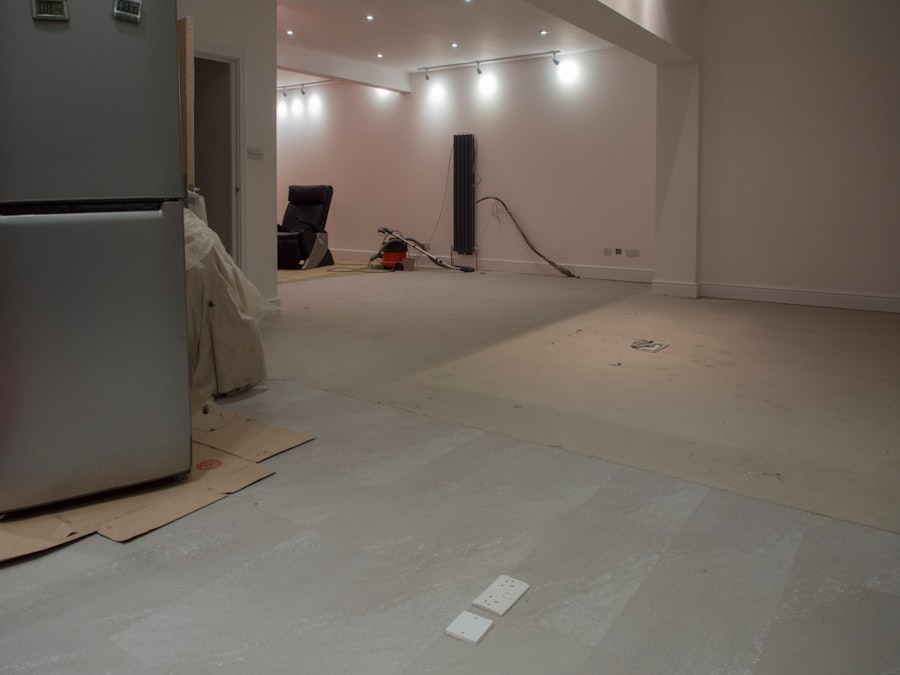
Maximizing space and light in basement apartments is crucial for creating an inviting atmosphere that feels less confined than traditional basements. One effective strategy is to utilize open floor plans that minimize walls and barriers between living areas. This approach not only enhances the flow of space but also allows for better natural light distribution throughout the unit.
Incorporating large windows or light wells can significantly improve natural lighting in basement apartments. While zoning regulations may limit window sizes or placements, creative solutions such as installing egress windows or using glass block can provide both light and safety compliance. Additionally, using lighter color palettes for walls and furnishings can help create an illusion of spaciousness while reflecting available light throughout the apartment.
Compliance with Safety Codes and Regulations for Basement Apartments in Brooklyn
Safety is paramount when renovating basement apartments in Brooklyn, as these spaces must comply with various building codes and safety regulations established by the New York City Department of Buildings (DOB). One critical aspect is ensuring proper egress routes; every habitable space must have at least one means of exit that is easily accessible and unobstructed. This often involves installing windows that meet specific size requirements or creating direct access to exterior staircases.
The New York City Fire Code mandates that all residential units have smoke detectors installed in appropriate locations, such as hallways and bedrooms. Additionally, homeowners may need to install fire-rated doors between the basement apartment and the main dwelling to prevent fire spread.
Compliance with these safety codes not only protects residents but also ensures that renovations pass inspections without complications.
Navigating the Legalities of Renting Out Basement Apartments in Brooklyn
Renting out basement apartments in Brooklyn involves navigating a complex legal landscape that includes tenant rights, rental agreements, and compliance with local housing laws. Homeowners must ensure that their basement apartments are legally permitted as rental units under local zoning laws before listing them for rent. Failure to comply with these regulations can result in fines or legal action from city authorities.
Additionally, landlords must adhere to New York State’s rent stabilization laws if their properties fall under this category. This includes understanding tenant rights regarding lease agreements, eviction processes, and rent increases. It is advisable for landlords to consult with legal professionals who specialize in real estate law to ensure compliance with all applicable regulations and protect their interests as property owners.
The Role of Professional Contractors and Architects in Basement Apartment Renovations
Engaging professional contractors and architects is vital for successful basement apartment renovations in Brooklyn. These experts bring valuable knowledge about local building codes, zoning regulations, and best practices for construction that can save homeowners time and money during the renovation process. Architects can help design functional layouts that maximize space while ensuring compliance with safety standards.
Contractors play an equally important role by managing construction timelines, coordinating subcontractors, and overseeing day-to-day operations on-site. Their experience allows them to anticipate potential challenges and address them proactively before they escalate into costly delays or complications. Collaborating with skilled professionals not only enhances the quality of renovations but also provides peace of mind throughout the project.
Examples of Successful Basement Apartment Renovations in Brooklyn
Several successful basement apartment renovations in Brooklyn serve as inspiring examples for homeowners considering similar projects. One notable case involved transforming a dark, damp basement into a bright and airy studio apartment by incorporating large egress windows and an open floor plan that connected living spaces seamlessly. The use of light-colored finishes and strategic lighting fixtures created an inviting atmosphere that attracted renters quickly.
Another example features a family who converted their underutilized basement into a two-bedroom rental unit while maintaining access to their main living space above. By carefully designing separate entrances and soundproofing measures, they ensured privacy for both themselves and their tenants while maximizing rental income potential. These examples highlight how thoughtful design choices combined with adherence to zoning regulations can lead to successful outcomes in basement apartment renovations.
The Future of Basement Apartment Renovations in Brooklyn
As Brooklyn continues to evolve as a desirable place to live, basement apartment renovations will likely remain an attractive option for homeowners seeking additional income streams or expanded living spaces.
The future landscape of basement apartments will also be influenced by advancements in construction technology and design practices that prioritize sustainability and energy efficiency.
Homeowners who embrace innovative solutions will not only enhance their properties but also contribute positively to Brooklyn’s vibrant community fabric as it adapts to changing housing needs.
If you are considering renovating your basement apartment in Brooklyn, it is important to understand the zoning laws that may affect your project. One key aspect to consider is the use of proper fasteners during the renovation process. This article on choosing the perfect screw or bolt provides valuable information on selecting the right fasteners for your project. Additionally, if you are looking to convert your basement into a home office, this article on basement home office conversions offers helpful tips and inspiration. And don’t forget to consider basement waterproofing services to protect your newly renovated space, as discussed in this article on basement waterproofing services.
FAQs
What are Brooklyn zoning laws?
Brooklyn zoning laws are regulations that govern how land and buildings can be used in different areas of the borough. These laws dictate the types of buildings that can be constructed, the allowable uses for those buildings, and the density and height of development.
What is a basement apartment renovation?
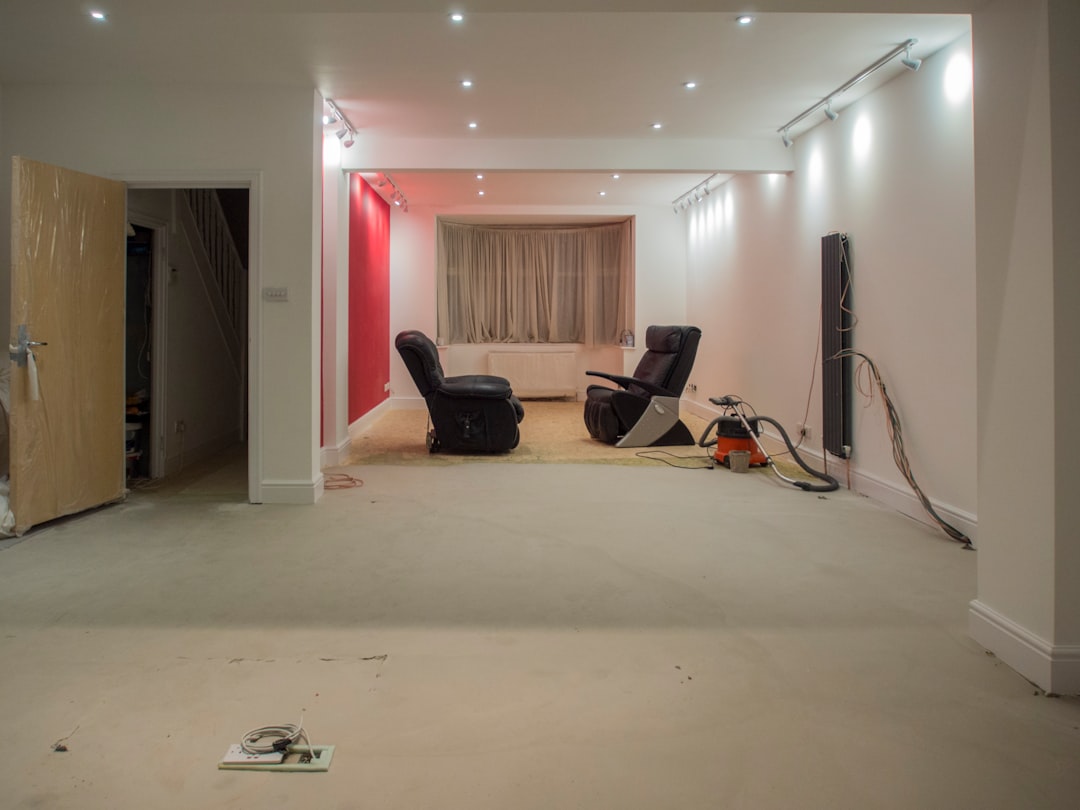
A basement apartment renovation involves converting a basement space into a livable unit, typically with a separate entrance, kitchen, bathroom, and living area. This type of renovation can provide additional housing options in Brooklyn’s tight real estate market.
Are basement apartment renovations allowed under Brooklyn zoning laws?
Basement apartment renovations are allowed in certain areas of Brooklyn, but they must comply with zoning regulations. These regulations may include requirements for ceiling height, egress windows, and minimum square footage, among other considerations.
What are the benefits of renovating a basement into an apartment in Brooklyn?
Renovating a basement into an apartment in Brooklyn can provide additional rental income for homeowners, increase the overall value of the property, and help address the demand for affordable housing in the borough.
What are the potential challenges of renovating a basement into an apartment in Brooklyn?
Challenges of renovating a basement into an apartment in Brooklyn may include navigating the complex zoning laws, obtaining necessary permits, ensuring compliance with building codes, and addressing potential issues with moisture and ventilation in basement spaces.