When embarking on the journey to create a home theater, the first step is to thoroughly assess your basement space. This involves not only measuring the dimensions of the area but also considering its overall layout, ceiling height, and existing features. A basement often presents unique challenges, such as low ceilings or support beams that can obstruct sightlines.
Therefore, it is crucial to take precise measurements and create a scaled floor plan that includes all structural elements. This will help you visualize how the space can be transformed into an immersive cinematic experience. Additionally, consider the existing conditions of your basement.
Is it prone to moisture? Does it have adequate ventilation? These factors can significantly impact your home theater’s functionality and comfort.
If your basement has a history of dampness, investing in a dehumidifier or waterproofing solutions may be necessary to protect your equipment and ensure a pleasant viewing environment. Furthermore, think about accessibility; how will you get equipment in and out of the space? Will you need to install additional electrical outlets or run cables through walls?
Addressing these logistical concerns early on will save you time and frustration later in the process.
Key Takeaways
- Assess your basement space for potential challenges and opportunities before designing your home theater layout.
- When designing the perfect home theater layout, consider factors such as screen size, seating arrangement, and speaker placement.
- Choose the right audio and visual equipment based on your budget, space constraints, and personal preferences.
- Create a comfortable seating arrangement by considering the viewing angles, distance from the screen, and the number of seats needed.
- Soundproofing and acoustic treatments are essential for optimizing the sound quality in your home theater space.
Designing the Perfect Home Theater Layout
Screen Placement and Viewing Distance
Once you have assessed your basement space, the next step is to design an effective layout for your home theater. The arrangement of seating, screen, and audio equipment plays a pivotal role in creating an engaging viewing experience. A common approach is to position the screen at one end of the room, ensuring that it is at eye level when seated. The distance between the screen and seating should be proportional to the size of the screen; for instance, a 100-inch screen typically requires a viewing distance of about 12 to 15 feet for optimal clarity.
Seating Arrangement and Comfort
In addition to screen placement, consider the arrangement of seating. A tiered seating layout can enhance visibility for all viewers, especially in a larger space. This can be achieved by using risers or simply arranging seats in a staggered formation. Furthermore, think about how many people you want to accommodate. A cozy setup for family movie nights might only require a few recliners, while a more elaborate design could include a full row of seats with additional lounge areas for guests.
Balancing Comfort and Functionality
The key is to balance comfort with functionality while ensuring that everyone has an unobstructed view of the screen. By carefully considering these factors, you can create a home theater layout that provides an immersive and enjoyable viewing experience for all.
Choosing the Right Audio and Visual Equipment
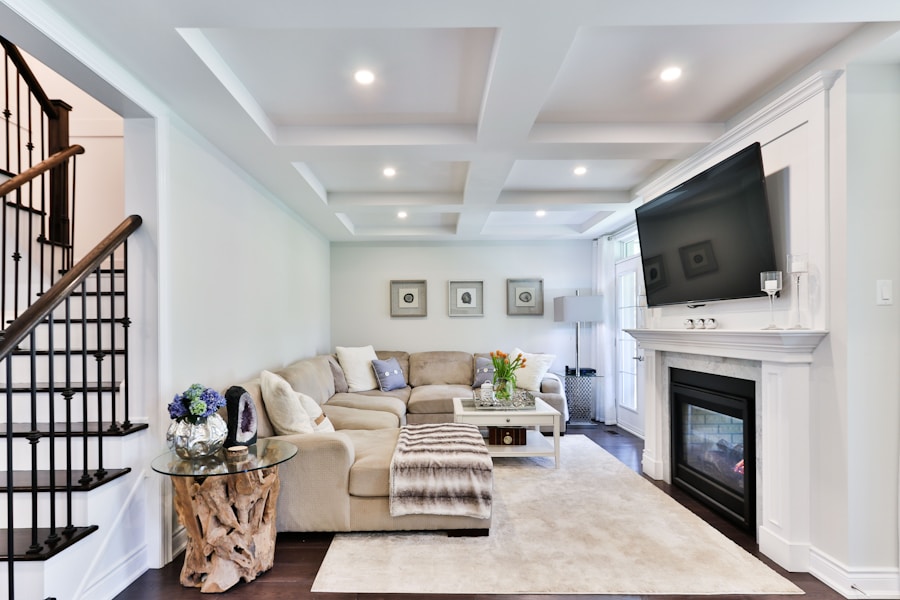
Selecting the right audio and visual equipment is crucial for achieving a high-quality home theater experience. The centerpiece of your setup will be the display screen, which can range from a traditional television to a projector and screen combination. If you opt for a projector, consider factors such as brightness (measured in lumens), resolution (4K is becoming the standard), and throw distance, which determines how far away the projector needs to be from the screen for optimal image size.
Audio equipment is equally important in creating an immersive environment. A surround sound system can significantly enhance your viewing experience by providing depth and clarity to sound effects and dialogue. Look for systems that include multiple speakers strategically placed around the room to create a three-dimensional sound field.
Brands like Bose, Sonos, and Klipsch offer various options that cater to different budgets and preferences. Additionally, consider incorporating a subwoofer for deep bass effects that can make action scenes more thrilling.
Creating a Comfortable Seating Arrangement
Comfort is paramount when designing your home theater seating arrangement. The type of seating you choose can greatly influence how much you enjoy your movie-watching experience. Recliners are a popular choice due to their ability to provide support and relaxation during long films.
Look for models with adjustable headrests and footrests to accommodate different body types and preferences. Some recliners even come equipped with built-in cup holders and USB charging ports, adding convenience to your viewing experience. In addition to individual seating options, consider incorporating sofas or sectional couches for larger groups.
These can create a more communal atmosphere, allowing friends and family to enjoy movies together comfortably. When arranging your seating, ensure that there is enough space between rows for easy movement and access to snacks or drinks. A good rule of thumb is to allow at least 3 feet between rows of seats to prevent crowding and ensure everyone can get up without disturbing others.
Soundproofing and Acoustic Treatments
To fully immerse yourself in your home theater experience, soundproofing and acoustic treatments are essential components that should not be overlooked. Soundproofing helps prevent external noise from intruding on your movie-watching experience while also keeping sound from escaping your basement, which can be particularly important if you live in a multi-family dwelling or have close neighbors. This can be achieved through various methods, such as adding mass-loaded vinyl barriers to walls or installing acoustic panels that absorb sound waves.
Acoustic treatments go hand-in-hand with soundproofing but focus more on enhancing sound quality within the room itself. Hard surfaces like concrete walls and floors can create echoes that detract from audio clarity. To combat this, consider adding soft furnishings such as carpets, curtains, or upholstered furniture that can help absorb sound.
Additionally, strategically placing acoustic panels on walls can help control sound reflections and improve overall audio quality. The goal is to create an environment where sound is rich and immersive without unwanted reverberation.
Adding Ambient Lighting and Decor
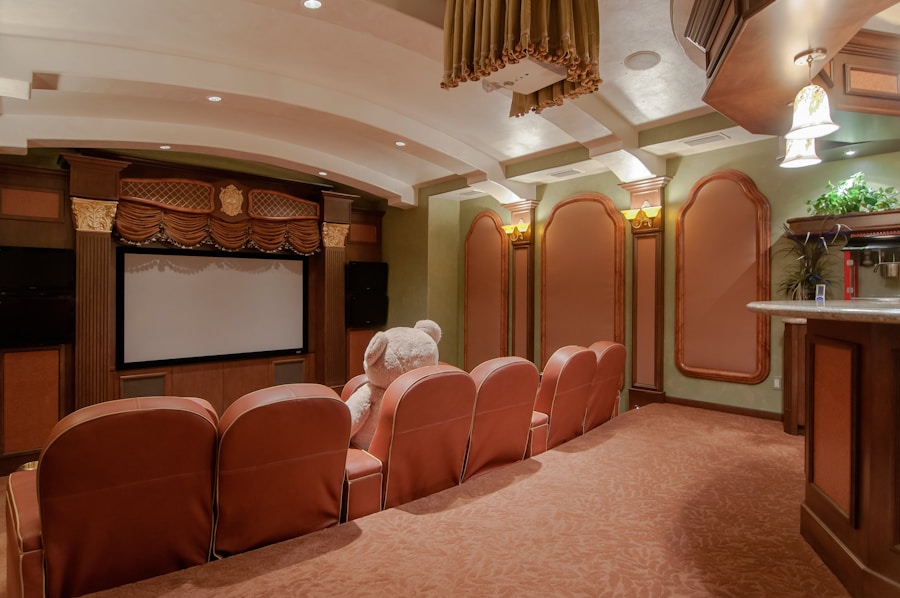
The right lighting can dramatically enhance the atmosphere of your home theater, making it feel more like a commercial cinema while also allowing for flexibility based on different viewing scenarios. Ambient lighting should be adjustable; dimmable LED lights or smart lighting systems can provide just the right amount of illumination without detracting from the screen’s brightness during films. Consider installing wall sconces or recessed lighting that can be controlled remotely or via an app for added convenience.
Decor also plays a significant role in setting the mood for your home theater. Themed decor can add personality and charm; for instance, vintage movie posters or framed memorabilia can create a nostalgic ambiance reminiscent of classic cinemas. Darker colors on walls can help reduce light reflection and enhance focus on the screen while also contributing to a cozy atmosphere.
Additionally, incorporating elements like popcorn machines or themed throw pillows can add fun touches that make your home theater feel unique and inviting.
Incorporating Snack and Beverage Stations
No home theater experience is complete without snacks and beverages readily available at hand. Designing a dedicated snack station can elevate your movie nights by providing easy access to treats without having to leave the comfort of your seating area. This could be as simple as a small cart stocked with popcorn, candy, and drinks or as elaborate as a built-in bar area with a mini-fridge for chilled beverages.
When planning your snack station, consider including features like a popcorn machine for fresh popcorn or a candy dispenser for easy access to sweets during films. If space allows, you might even incorporate a small countertop area where you can prepare snacks or set out trays of food for larger gatherings. Ensuring that this area is easily accessible from your seating arrangement will keep interruptions minimal while allowing everyone to enjoy their favorite movie snacks.
Finalizing the Finishing Touches
As you approach the final stages of creating your home theater, it’s time to focus on those finishing touches that will bring everything together seamlessly. This includes ensuring that all wiring is neatly organized and hidden from view; cable management systems can help keep cords tidy and prevent clutter from detracting from your theater’s aesthetic appeal. Consider using wall-mounted cable raceways or conduits that blend into your decor while keeping everything organized.
Additionally, take time to personalize your space with items that reflect your tastes and interests.
Finally, don’t forget about testing all equipment thoroughly before hosting your first screening; this ensures that everything functions correctly and allows you to make any necessary adjustments before inviting friends and family over for an unforgettable movie night experience.
If you’re considering turning your basement into a stunning home theater in Brooklyn, you may also want to explore the option of creating a basement apartment or in-law suite. This article on basement apartments and in-law suites provides valuable information on how to maximize your basement space for additional living quarters. Additionally, if you’re looking to stick to a budget while renovating your basement, check out this article on basement waterproofing services here.
FAQs
What are the benefits of having a home theater in your basement?
Having a home theater in your basement allows you to create a dedicated space for entertainment, providing a cozy and private environment for watching movies, sports, and TV shows. It also adds value to your home and can be a great space for hosting gatherings and parties.
What are the key considerations when planning a home theater in your basement?
Key considerations when planning a home theater in your basement include the layout and design of the space, the acoustics, lighting, seating, and the selection of audiovisual equipment. It’s important to consider the size and shape of the room, as well as any potential challenges such as low ceilings or limited natural light.
What are some tips for maximizing the space in your basement for a home theater?
Some tips for maximizing the space in your basement for a home theater include utilizing built-in storage for equipment and media, choosing space-saving furniture such as reclining chairs or a sectional sofa, and incorporating soundproofing materials to minimize noise transfer. Additionally, using a projector instead of a large TV can help save space.
What are the essential components of a home theater system?
The essential components of a home theater system include a high-definition display (such as a TV or projector screen), a surround sound system with speakers and a subwoofer, a media player (such as a Blu-ray player or streaming device), and comfortable seating. Additional components may include acoustic treatments, lighting control, and smart home integration.
What are some common challenges when creating a home theater in a basement?
Common challenges when creating a home theater in a basement include limited natural light, potential moisture issues, and the need for proper ventilation and climate control. Additionally, soundproofing the space and addressing any existing structural or electrical limitations may also be challenges to consider.