In recent years, the conversation surrounding sustainable living has gained significant traction, leading to a growing interest in eco-friendly flooring options. As homeowners become increasingly aware of their environmental impact, the demand for flooring materials that are not only aesthetically pleasing but also sustainable has surged. Eco-friendly flooring encompasses a variety of materials and practices that minimize harm to the environment, promote sustainability, and often improve indoor air quality.
This shift towards greener choices is particularly relevant in spaces like basements, where moisture and temperature fluctuations can complicate flooring decisions. The importance of selecting eco-friendly flooring extends beyond mere aesthetics; it reflects a commitment to sustainability and responsible consumption. Traditional flooring materials, such as vinyl and certain types of carpet, can release volatile organic compounds (VOCs) and other harmful chemicals into the air, contributing to indoor pollution.
In contrast, eco-friendly options are typically made from renewable resources, recycled materials, or sustainably harvested wood. By choosing these alternatives, homeowners can create a healthier living environment while also reducing their carbon footprint.
Key Takeaways
- Eco-friendly flooring options are a sustainable choice for homeowners looking to reduce their environmental impact.
- Using eco-friendly flooring in your basement can improve indoor air quality and reduce the risk of mold and mildew.
- Types of eco-friendly flooring options for basements include bamboo, cork, reclaimed wood, and recycled rubber.
- When choosing eco-friendly flooring for your basement, consider factors such as moisture resistance, durability, and installation requirements.
- Installation and maintenance of eco-friendly basement flooring may require special considerations, such as moisture barriers and non-toxic cleaning products.
Benefits of Using Eco-Friendly Flooring in Your Basement
One of the primary benefits of using eco-friendly flooring in your basement is the enhancement of indoor air quality. Many conventional flooring materials emit harmful chemicals that can linger in the air, leading to respiratory issues and other health problems. Eco-friendly options, such as bamboo or cork, are often free from these harmful substances, making them a safer choice for families, especially those with children or individuals with allergies.
Additionally, many eco-friendly flooring materials are treated with natural finishes that further reduce the risk of indoor air pollution. Another significant advantage is the durability and resilience of many eco-friendly flooring options.
Similarly, cork flooring is naturally resistant to mold and mildew due to its unique cellular structure. This durability not only extends the lifespan of the flooring but also reduces the need for frequent replacements, which can be both costly and environmentally taxing.
Types of Eco-Friendly Flooring Options for Basements
When it comes to selecting eco-friendly flooring for basements, several options stand out due to their sustainability and practicality. Bamboo flooring is one of the most popular choices; it is harvested from fast-growing bamboo grass, making it a renewable resource. Its natural beauty and variety of finishes allow homeowners to achieve a stylish look while benefiting from its durability and moisture resistance.
Cork flooring is another excellent option for basements. Sourced from the bark of cork oak trees, this material is not only sustainable but also provides excellent insulation against temperature fluctuations and sound. Cork is naturally resistant to mold and mildew, making it particularly suitable for areas prone to moisture.
Its unique texture adds warmth and comfort underfoot, enhancing the overall ambiance of the basement. Reclaimed wood is also gaining popularity as an eco-friendly flooring choice. By repurposing wood from old barns, factories, or other structures, homeowners can reduce waste while adding character and history to their spaces.
Reclaimed wood often comes with a unique patina that cannot be replicated, providing a distinctive aesthetic that appeals to many design sensibilities. Additionally, there are various types of recycled flooring available on the market today. For example, recycled rubber flooring is made from discarded tires and offers exceptional durability and slip resistance.
This type of flooring is particularly beneficial in basements that may serve as play areas or workout spaces. Furthermore, linoleum made from natural materials like linseed oil, cork dust, and wood flour is another sustainable option that provides a wide range of colors and patterns.
Factors to Consider When Choosing Eco-Friendly Flooring for Your Basement
Selecting the right eco-friendly flooring for your basement involves several critical considerations beyond just aesthetics. One of the foremost factors is moisture resistance. Basements are often susceptible to dampness due to their below-ground location, so it’s essential to choose materials that can withstand humidity without warping or developing mold.
For instance, while solid hardwood may not be ideal due to its susceptibility to moisture damage, engineered wood or bamboo can provide a more stable alternative. Another important consideration is the installation process. Some eco-friendly flooring options require specialized installation techniques or tools that may not be readily available to DIY enthusiasts.
For example, while cork tiles can be installed as floating floors or glued down, proper acclimatization is necessary to prevent expansion or contraction after installation. Homeowners should assess their skill level and whether they will need professional assistance before making a final decision. Sustainability certifications are also worth considering when choosing eco-friendly flooring.
Look for products that have been certified by organizations such as the Forest Stewardship Council (FSC) or GreenGuard. These certifications ensure that the materials have been sourced responsibly and meet specific environmental standards. Additionally, understanding the lifecycle of the product—from sourcing to disposal—can help homeowners make informed choices that align with their sustainability goals.
Installation and Maintenance of Eco-Friendly Basement Flooring
The installation process for eco-friendly basement flooring can vary significantly depending on the material chosen. For instance, bamboo and cork can often be installed as floating floors, which means they do not require glue or nails and can be easily removed if necessary. This feature makes them particularly appealing for basements where future renovations may be planned.
However, it’s crucial to ensure that the subfloor is clean and dry before installation to prevent any moisture-related issues. Maintenance of eco-friendly flooring is generally straightforward but varies by material type. Bamboo and cork floors typically require regular sweeping or vacuuming to remove dirt and debris, along with occasional damp mopping using a pH-neutral cleaner.
It’s essential to avoid harsh chemicals that could damage the finish or integrity of the material. Reclaimed wood may require periodic refinishing to maintain its appearance and protect against wear over time. For those considering recycled rubber flooring, maintenance is minimal due to its inherent durability and resistance to stains.
A simple wipe-down with a damp cloth is usually sufficient to keep it looking fresh. Regardless of the material chosen, establishing a regular cleaning routine will help prolong the life of the flooring while maintaining its aesthetic appeal.
Cost Considerations for Eco-Friendly Flooring in Basements
When evaluating eco-friendly flooring options for basements, cost is an important factor that can influence decision-making. While some eco-friendly materials may have a higher upfront cost compared to traditional options, it’s essential to consider long-term savings associated with durability and maintenance. For example, bamboo flooring may be more expensive initially than laminate but offers greater longevity and less frequent replacement costs.
Additionally, installation costs can vary widely based on the complexity of the material chosen. Some eco-friendly options may require professional installation due to their specific requirements or techniques needed for proper fitting. Homeowners should factor in these potential costs when budgeting for their basement renovation project.
It’s also worth noting that certain eco-friendly materials may qualify for tax credits or rebates due to their sustainable nature.
Ultimately, while initial costs may be higher for eco-friendly flooring options, their long-term benefits often outweigh these expenses.
Tips for Designing a Stylish Basement Using Eco-Friendly Flooring
Designing a stylish basement with eco-friendly flooring involves more than just selecting materials; it requires thoughtful planning and creativity. One effective approach is to consider the overall theme or purpose of the basement space before making decisions about flooring and decor. For example, if the basement will serve as a family room or entertainment area, incorporating warm tones through bamboo or cork can create an inviting atmosphere.
Layering textures can also enhance the visual appeal of an eco-friendly basement design. Combining different materials—such as pairing cork flooring with plush area rugs—can add depth and comfort while maintaining sustainability goals. Additionally, utilizing natural light through windows or strategically placed lighting fixtures can highlight the beauty of eco-friendly materials and create an airy feel in what might otherwise be a dark space.
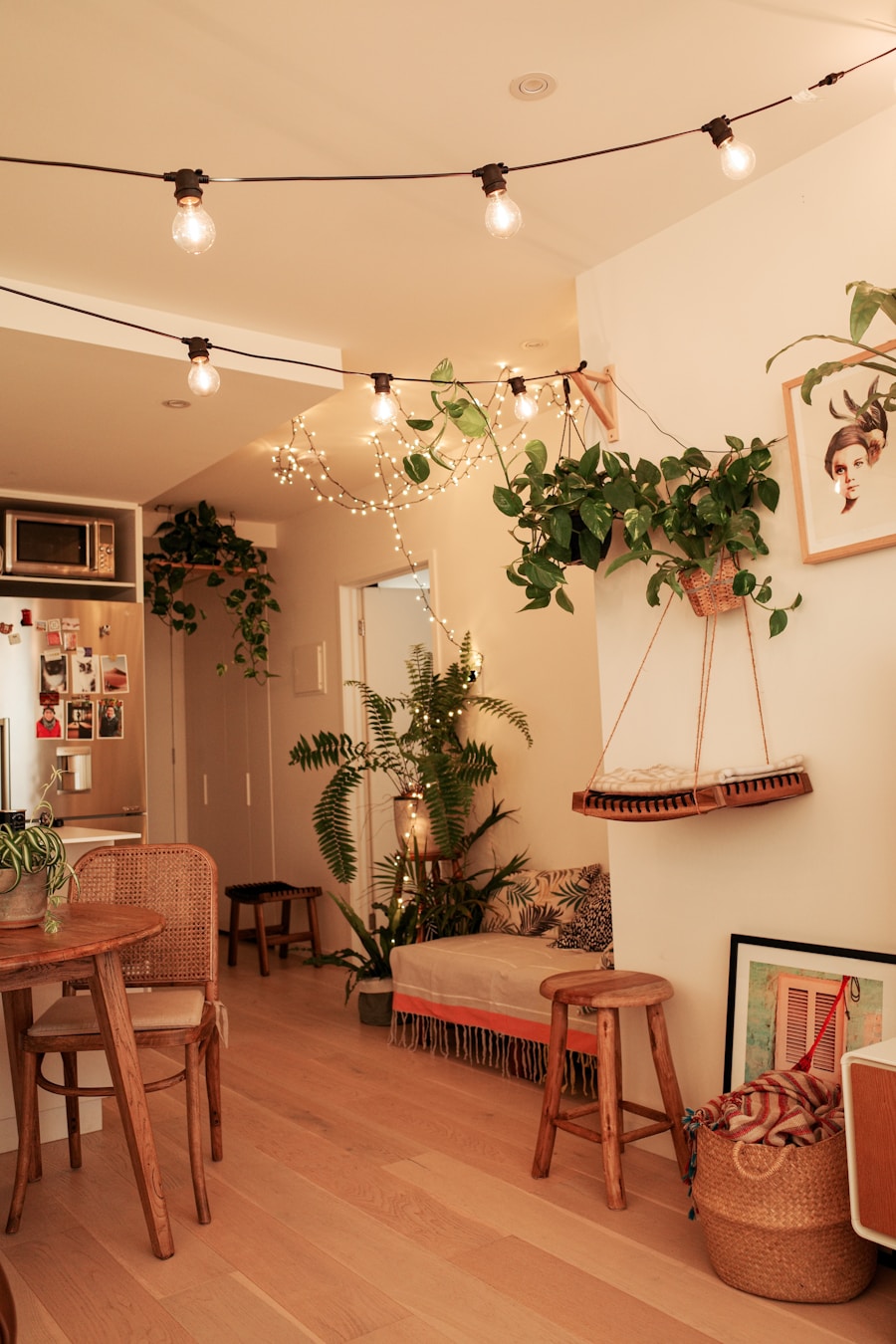
Incorporating plants into the design can further enhance both aesthetics and air quality. Indoor plants not only add color but also help purify the air by absorbing toxins and releasing oxygen. Choosing low-maintenance plants that thrive in lower light conditions can make this aspect of design both practical and visually appealing.
Creating a Sustainable and Stylish Basement with Eco-Friendly Flooring Options
Creating a sustainable basement space using eco-friendly flooring options allows homeowners to express their style while making environmentally conscious choices. The variety of available materials—from bamboo and cork to reclaimed wood—ensures that there is something suitable for every design preference and functional need. By considering factors such as moisture resistance, installation requirements, maintenance needs, and cost implications, homeowners can make informed decisions that align with their sustainability goals.
Ultimately, designing a stylish basement with eco-friendly flooring not only enhances the aesthetic appeal of the space but also contributes positively to indoor air quality and overall health. As more individuals embrace sustainable living practices, choosing eco-friendly flooring becomes an integral part of creating homes that reflect personal values while promoting environmental stewardship.
If you’re looking to design your Brooklyn basement with eco-friendly flooring options, you may also be interested in exploring the latest architectural trends to inspire your next project. Check out this article on Top Architectural Trends to Inspire Your Next Project for some fresh ideas on how to elevate your basement design.
FAQs
What are some eco-friendly flooring options for a Brooklyn basement?
Some eco-friendly flooring options for a Brooklyn basement include bamboo, cork, reclaimed wood, and linoleum. These materials are sustainable and have low environmental impact.
What are the benefits of using eco-friendly flooring in a basement?
Using eco-friendly flooring in a basement can help reduce the environmental impact of your home, improve indoor air quality, and create a healthier living space for you and your family. Additionally, eco-friendly flooring options are often durable and long-lasting.
How can I design my Brooklyn basement with eco-friendly flooring?
To design your Brooklyn basement with eco-friendly flooring, start by researching and selecting the right material for your space. Consider factors such as moisture resistance, durability, and maintenance requirements. Once you’ve chosen the flooring material, work with a professional installer to ensure proper installation.
Are there any specific considerations for using eco-friendly flooring in a basement?
When using eco-friendly flooring in a basement, it’s important to consider the potential for moisture and humidity. Choose a flooring material that is suitable for below-grade installation and consider using a moisture barrier or underlayment to protect the flooring from moisture damage.
Where can I find eco-friendly flooring options for my Brooklyn basement?
You can find eco-friendly flooring options for your Brooklyn basement at home improvement stores, specialty flooring retailers, and online suppliers. Look for products that are certified as sustainable or environmentally friendly by reputable organizations.