Selecting the appropriate tile flooring for a basement in Brooklyn involves a careful consideration of various factors, including moisture levels, durability, and aesthetic appeal. Basements are often prone to dampness, which can lead to mold and mildew if the wrong materials are used. Therefore, it is crucial to opt for tiles that are specifically designed to withstand moisture.
Porcelain and ceramic tiles are excellent choices due to their low water absorption rates. Porcelain tiles, in particular, are denser and more impervious to water than ceramic tiles, making them ideal for basements that may experience occasional flooding or high humidity. In addition to moisture resistance, the durability of the tile is paramount.
Basements often serve as multifunctional spaces, whether as a family room, home gym, or entertainment area. Therefore, the flooring must be able to withstand heavy foot traffic and potential impacts from furniture or equipment. Tiles with a high PEI (Porcelain Enamel Institute) rating are recommended, as they indicate the tile’s ability to resist wear and tear.
Furthermore, considering the aesthetic aspect is equally important; choosing tiles that complement the overall design of your home can enhance the visual appeal of your basement. For instance, opting for large-format tiles can create a sense of spaciousness, while patterned tiles can add character and interest.
Key Takeaways
- Choose porcelain or ceramic tile for your Brooklyn basement as they are durable and moisture-resistant
- Ensure your basement is properly sealed and waterproofed before installing tile flooring
- Use a leveling compound to even out any uneven surfaces in your basement before laying the tiles
- Consider incorporating decorative mosaic tiles or patterned tiles to add visual interest to your basement
- Regularly clean and seal your tile flooring to prevent moisture and mold buildup in your basement
Preparing Your Basement for Tile Installation
Before embarking on the installation of tile flooring in your basement, thorough preparation is essential to ensure a successful outcome. The first step involves assessing the condition of the existing floor. If there are any cracks, uneven surfaces, or signs of moisture damage, these issues must be addressed prior to laying down new tiles.
A level subfloor is critical for tile installation; therefore, any irregularities should be corrected using a self-leveling compound or by grinding down high spots. Additionally, it is advisable to conduct a moisture test on the concrete slab to determine if there are any underlying issues that need to be resolved. Once the subfloor is prepared, it is important to clean the area meticulously.
Dust, debris, and any remnants of previous flooring materials can interfere with the adhesion of the tile. A thorough vacuuming followed by mopping with a suitable cleaner will ensure that the surface is pristine. After cleaning, it is wise to apply a moisture barrier if necessary.
This could be in the form of a waterproof membrane or sealant that prevents moisture from seeping through the concrete slab and damaging the tiles over time. Taking these preparatory steps will not only facilitate a smoother installation process but also contribute to the longevity of your tile flooring.
Tips for Installing Tile Flooring in Your Basement
When it comes to installing tile flooring in your basement, precision and attention to detail are key components that can significantly impact the final result. One effective strategy is to start by laying out the tiles in a dry run before applying adhesive. This allows you to visualize how the tiles will fit together and make any necessary adjustments to achieve a balanced layout.
It is advisable to begin from the center of the room and work your way outwards; this technique helps in creating symmetry and ensures that any cut tiles are placed at the edges where they are less noticeable. Another important aspect of tile installation is ensuring proper spacing between tiles. Utilizing spacers during installation will help maintain consistent grout lines, which not only enhances the aesthetic appeal but also allows for slight expansion and contraction of the tiles due to temperature changes.
Once the tiles are laid and set, applying grout is the next step.
After grouting, allow adequate time for curing before walking on the tiles or placing furniture back in the space.
Incorporating Design Elements with Tile Flooring
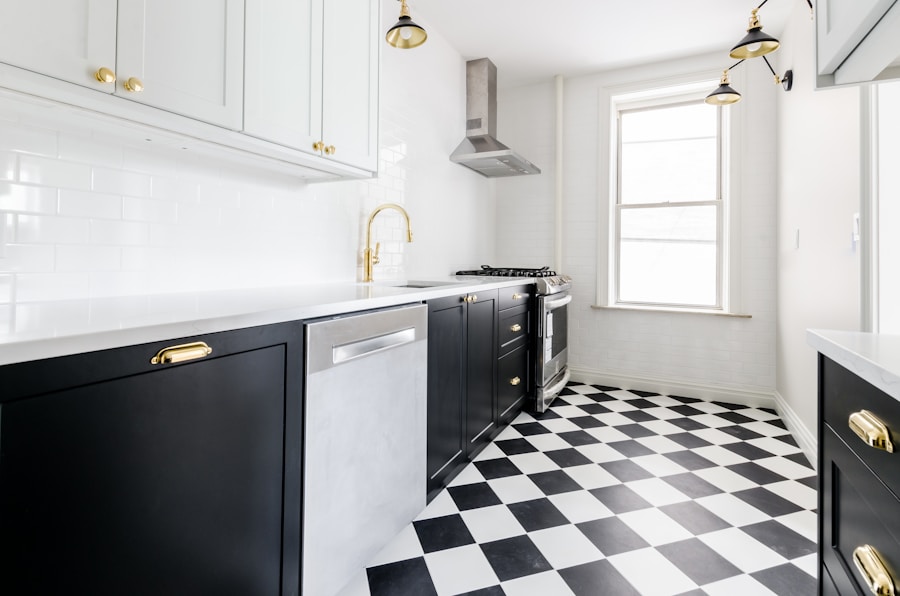
Tile flooring offers an incredible opportunity to incorporate various design elements into your basement space. The versatility of tile allows homeowners to experiment with different colors, patterns, and textures that can transform an otherwise utilitarian area into a stylish retreat. For instance, using large-format tiles in neutral tones can create a sleek and modern look, while colorful mosaic tiles can add vibrancy and personality to the space.
Additionally, combining different types of tiles—such as matte and glossy finishes—can create visual interest and depth. Another design consideration is the layout of the tiles themselves.
Furthermore, incorporating accent tiles or borders can delineate different areas within an open basement layout, such as separating a lounge area from a play zone. By thoughtfully selecting and arranging tile designs, homeowners can create a cohesive look that reflects their personal style while enhancing functionality.
Maintaining Your Tile Flooring in the Basement
Maintaining tile flooring in your basement is crucial for preserving its appearance and longevity over time. Regular cleaning should be part of your routine; sweeping or vacuuming should be done frequently to remove dirt and debris that can scratch the surface of the tiles. For deeper cleaning, using a pH-neutral cleaner specifically formulated for tile surfaces will help avoid damage while effectively removing stains and grime.
It’s important to avoid harsh chemicals or abrasive scrubbers that could compromise the integrity of both the tile and grout. In addition to regular cleaning, periodic sealing of grout lines is recommended to prevent moisture infiltration and staining. Grout can be particularly susceptible to discoloration due to spills or humidity; therefore, applying a grout sealer every year or two can help maintain its original color and prevent mold growth.
If you notice any cracks or chips in your tiles over time, addressing these issues promptly will prevent further damage and maintain the overall aesthetic of your basement flooring.
Enhancing the Lighting in Your Basement with Tile Flooring

Lighting plays a pivotal role in how tile flooring appears in your basement space. Since basements often lack natural light, strategic lighting solutions can enhance both functionality and ambiance. One effective approach is to use recessed lighting fixtures that provide even illumination without taking up valuable floor space.
These fixtures can be installed in conjunction with reflective tile surfaces that help bounce light around the room, creating an airy feel even in lower-ceilinged areas. In addition to overhead lighting, incorporating accent lighting can highlight specific design features within your basement. For example, installing LED strip lights along baseboards or under shelves can create a warm glow that accentuates your tile flooring while adding depth to the overall design.
Furthermore, using light-colored tiles can amplify brightness; lighter shades reflect more light than darker hues, making your basement feel more inviting and spacious.
Creating a Cozy Atmosphere with Tile Flooring in Your Basement
While tile flooring is often associated with modern aesthetics, it can also contribute to creating a cozy atmosphere in your basement when paired with complementary design elements. One way to achieve this is by layering textures through furnishings and decor. Incorporating soft textiles such as area rugs or throw blankets can soften the hard surface of tile flooring while adding warmth underfoot.
Choosing rugs with colors that harmonize with your tile can create a cohesive look that invites relaxation. Additionally, integrating natural elements into your basement design can enhance its coziness. Wooden furniture pieces or decorative accents made from natural materials can provide warmth against the coolness of tile floors.
Plants also play an essential role; strategically placed greenery not only adds life but also improves air quality within enclosed spaces. By thoughtfully combining these elements with your tile flooring choice, you can cultivate an inviting environment perfect for unwinding after a long day.
Adding Finishing Touches to Your Basement with Tile Flooring
The final touches in your basement renovation can significantly elevate its overall appeal when paired with tile flooring. Consider incorporating baseboards or trim that complements both your tile choice and overall design theme; this detail adds polish and helps transition between different flooring types if applicable. Additionally, selecting furniture that aligns with your aesthetic vision—whether it’s modern minimalist or rustic farmhouse—can enhance cohesion throughout the space.
Artwork and decorative elements also play an important role in personalizing your basement area. Wall-mounted shelves displaying books or decorative items can draw attention upward while providing functional storage solutions. Furthermore, choosing artwork that resonates with you personally will infuse character into your basement while harmonizing with your tile flooring’s color palette.
By focusing on these finishing touches, you can create a well-rounded space that feels complete and inviting for both family members and guests alike.
If you’re looking to revitalize your home with key renovation strategies, you may want to check out this article on basementremodelingesg.com. It offers valuable insights on how to transform your living space and create a more modern and functional environment. By incorporating top architectural trends, you can inspire your next project and achieve a sleek and stylish look for your Brooklyn basement using tile flooring.
FAQs
What are the benefits of using tile flooring in a Brooklyn basement?
Tile flooring in a Brooklyn basement offers several benefits, including durability, moisture resistance, easy maintenance, and a sleek, modern look.
What types of tile are suitable for basement flooring?
Porcelain and ceramic tiles are popular choices for basement flooring due to their durability and moisture resistance. Additionally, luxury vinyl tiles (LVT) are also a great option for basement flooring.
How can I ensure a sleek look when using tile flooring in my Brooklyn basement?
To achieve a sleek look with tile flooring in your Brooklyn basement, consider using large format tiles, opting for a neutral color palette, and ensuring a uniform and level installation.
What are some design tips for using tile flooring in a Brooklyn basement?
When using tile flooring in a Brooklyn basement, consider incorporating patterns, textures, and contrasting grout colors to add visual interest and personality to the space.
How can I maintain tile flooring in my Brooklyn basement?
To maintain tile flooring in your Brooklyn basement, regularly sweep or vacuum to remove dirt and debris, clean up spills promptly, and use a mild detergent and water for regular cleaning. Additionally, consider sealing the grout to prevent staining.