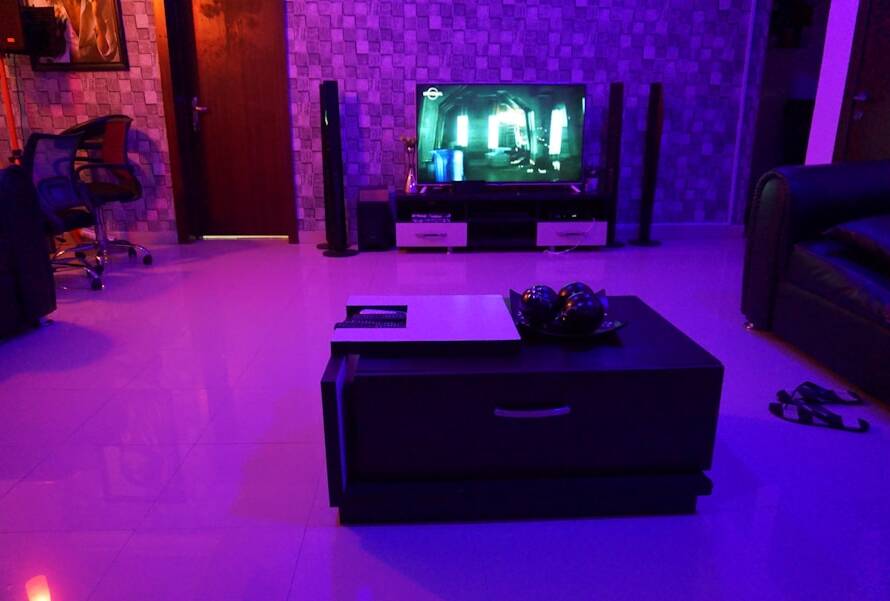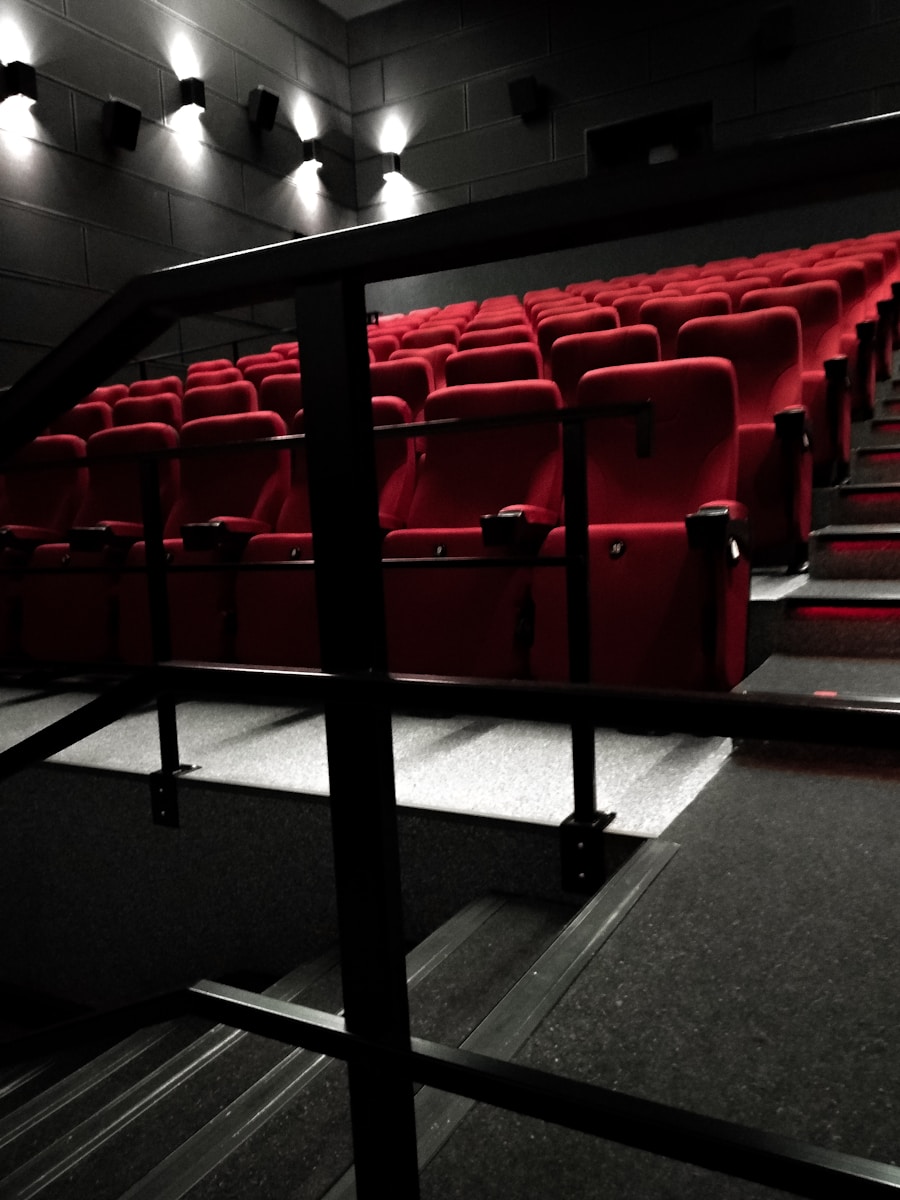
Selecting the ideal space for a home theater is a critical first step that can significantly influence the overall experience. The location should ideally be a room that can be isolated from the rest of the house to minimize distractions and external noise. Basements are often favored due to their natural soundproofing qualities and the ability to control light levels effectively.
However, any room can be transformed into a theater with the right considerations. A spare bedroom or a dedicated media room can also serve as excellent options, provided they can accommodate the necessary equipment and seating arrangements. When evaluating potential spaces, consider the dimensions and layout.
A rectangular room is generally more conducive to optimal sound distribution than a square one. The height of the ceiling also plays a role; higher ceilings can enhance acoustics and create a more immersive environment. Additionally, think about accessibility and convenience.
The space should be easily reachable from other areas of the home, especially if you plan to host gatherings. Proximity to power outlets and existing wiring for audio-visual equipment is another practical consideration that can save time and effort during setup.
Key Takeaways
- Choose a space that is suitable for your needs and consider factors such as size, location, and accessibility.
- Soundproofing and acoustics are crucial for creating a high-quality audio experience, so invest in materials and techniques to minimize sound interference.
- Select audio and visual equipment that meets your specific requirements and consider factors such as quality, compatibility, and ease of use.
- Create comfortable seating arrangements that cater to the needs of your audience and provide a pleasant viewing experience.
- Design the right lighting setup to enhance the atmosphere and visibility, considering factors such as brightness, color temperature, and control options.
Soundproofing and Acoustics
Once the space is chosen, soundproofing becomes a paramount concern. Effective soundproofing not only prevents external noise from intruding but also ensures that sound from the theater does not disturb other areas of the home. There are various methods to achieve this, including adding mass to walls with soundproof drywall or using acoustic panels that absorb sound waves.
Insulating the walls and ceiling with materials designed for sound absorption can also significantly reduce noise transmission. For instance, mineral wool insulation is known for its excellent sound-dampening properties and can be installed in wall cavities to enhance acoustic performance. In addition to soundproofing, optimizing acoustics within the room is essential for achieving high-quality audio playback.
The arrangement of furniture, speakers, and other elements can greatly affect how sound travels and is perceived. For example, placing speakers at ear level and ensuring they are positioned correctly relative to seating can create a more balanced soundstage. Utilizing acoustic treatments such as bass traps in corners and diffusers on walls can help manage sound reflections, leading to a clearer and more immersive listening experience.
The goal is to create an environment where dialogue is crisp, music is rich, and sound effects envelop the audience.
Selecting the Right Audio and Visual Equipment

The heart of any home theater lies in its audio and visual equipment.
For instance, 4K projectors offer stunning clarity and detail, making them ideal for cinematic experiences.
A screen size that matches the room dimensions is crucial; too large a screen can overwhelm the space, while too small a screen may not provide an immersive experience. Additionally, consider whether a fixed screen or a retractable one suits your needs better, especially if you want to maintain flexibility in the room’s use. Audio equipment is equally important in creating an engaging atmosphere.
A surround sound system with multiple speakers strategically placed around the room can replicate the experience of being in a commercial theater. Brands like Dolby Atmos offer advanced audio technology that allows sound to move in three-dimensional space, enhancing immersion. Subwoofers are essential for delivering deep bass sounds that add impact to action scenes.
When selecting speakers, consider their compatibility with your receiver and ensure they are rated for the size of your room. Investing in quality equipment will pay off in terms of performance and longevity.
Creating Comfortable Seating
Comfortable seating is a vital component of any home theater setup, as it directly impacts how long viewers can enjoy movies or shows without discomfort. Reclining chairs or sofas designed specifically for home theaters provide not only comfort but also support for extended viewing sessions. Look for options with adjustable headrests and footrests to accommodate different body types and preferences.
Additionally, consider the arrangement of seating; tiered seating can enhance sightlines for larger groups, ensuring everyone has an unobstructed view of the screen. The choice of materials for seating also plays a role in both comfort and aesthetics. Leather or high-quality fabric options are popular choices due to their durability and ease of cleaning.
Some seating options come equipped with built-in cup holders or storage compartments for snacks and remotes, adding convenience to the viewing experience. Furthermore, incorporating throw pillows or blankets can enhance comfort while allowing for personalization of the space. Ultimately, the goal is to create an inviting atmosphere where viewers can relax and fully immerse themselves in their favorite films.
Designing the Right Lighting
Lighting design is often overlooked but is crucial in setting the mood for a home theater experience. The ability to control light levels enhances both visual quality and viewer comfort. Ideally, you want a combination of ambient lighting for general use and task lighting that can be adjusted based on viewing needs.
Dimmable LED lights are an excellent choice as they allow for flexibility in brightness levels while being energy-efficient. Consider installing sconces on the walls or using recessed lighting to create a cinematic ambiance without causing glare on the screen. Smart lighting systems can also be programmed to adjust automatically based on whether you’re watching a movie or using the space for other activities.
Additionally, blackout curtains or shades are essential for blocking out external light sources during daytime viewing, ensuring that images remain vibrant and clear regardless of the time of day.
Adding Concession Stand Elements
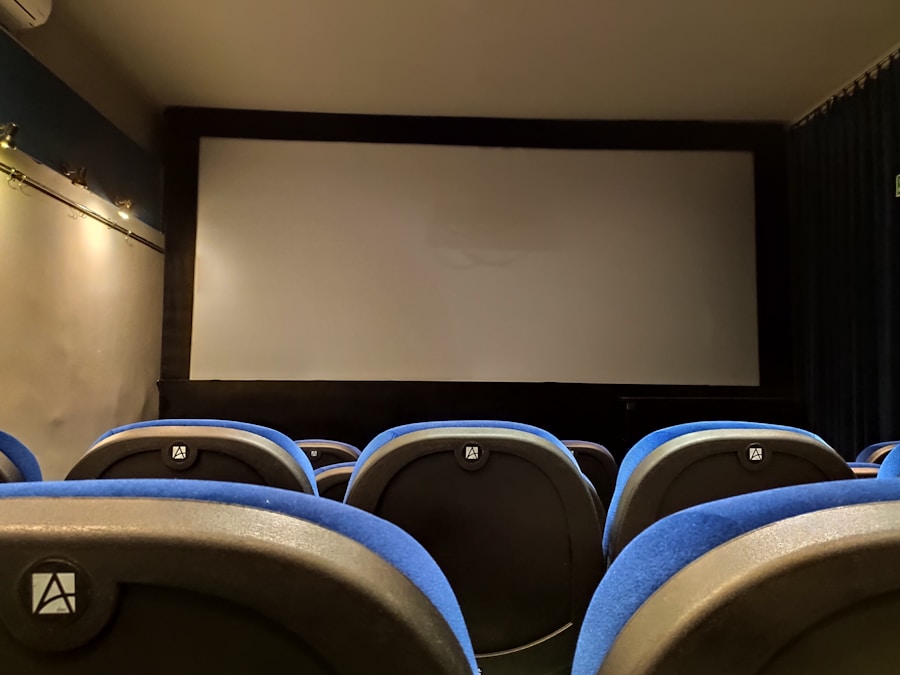
To elevate the home theater experience further, consider incorporating concession stand elements that mimic those found in commercial cinemas. This could include a popcorn machine that produces fresh popcorn with that irresistible buttery aroma, enhancing the sensory experience of movie-watching at home. There are various models available, from countertop versions to larger machines that can serve multiple guests at once.
In addition to popcorn, think about offering a selection of snacks and beverages that cater to different tastes. A small refrigerator stocked with drinks or a designated snack bar area can make it easy for guests to grab refreshments without missing any action on screen.
By providing these elements, you create an environment where viewers can indulge in their favorite treats while enjoying their films.
Incorporating Decor and Aesthetics
The decor of your home theater should reflect your personal style while enhancing the overall viewing experience. Wall colors play a significant role; darker shades tend to absorb light better than lighter ones, reducing reflections on the screen and creating a more immersive environment. Consider using paint or wallpaper with sound-absorbing qualities to further enhance acoustics while adding visual interest.
Artwork related to cinema—such as framed movie posters or photographs—can add character to the space without overwhelming it. Additionally, themed decor elements like vintage film reels or director’s chairs can create a cohesive look that celebrates your love for movies. The flooring should also be considered; plush carpets not only provide comfort but also help with sound absorption, contributing to an overall better acoustic environment.
Final Touches and Testing
After all elements have been put in place, it’s time for final touches and testing to ensure everything functions as intended. Begin by calibrating your audio-visual equipment; many modern systems come with built-in calibration tools that help optimize settings based on room acoustics and speaker placement. This step is crucial for achieving balanced sound across all frequencies.
Once calibration is complete, conduct several test screenings with different types of content—action films, dramas, comedies—to evaluate both audio and visual performance under various conditions. Pay attention to how well sound travels throughout the room and whether any adjustments are needed in speaker placement or settings. Finally, invite friends or family over for a movie night; their feedback can provide valuable insights into any remaining tweaks needed before you fully enjoy your new home theater setup.
If you’re looking to design, renovate, and revitalize your home, you may want to check out this article on