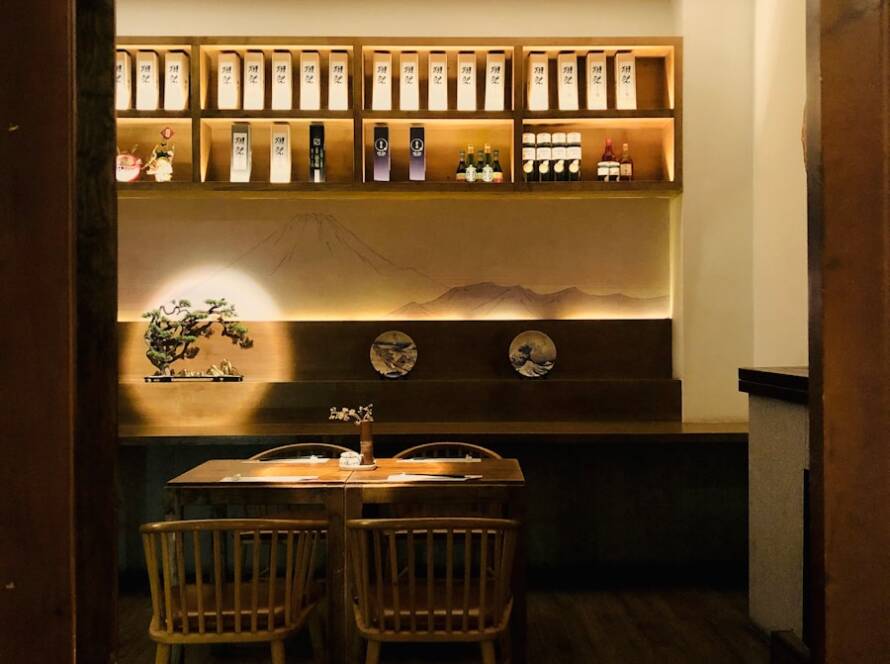
Before diving into the world of wine coolers, it is essential to assess your space and specific needs. The first step in this process involves evaluating the area where you plan to install the wine cooler. Consider the dimensions of the space, including height, width, and depth, as well as any existing furniture or fixtures that may impact the cooler’s placement.
For instance, if your basement has low ceilings or is particularly cramped, a tall, narrow wine cooler might be more suitable than a wide, bulky model. Additionally, think about the overall layout of your basement bar. Is it a cozy nook or a more expansive area?
Understanding these spatial dynamics will help you select a wine cooler that fits seamlessly into your design. Next, consider your wine collection and how it will grow over time. Are you a casual drinker who enjoys an occasional bottle, or are you a serious collector with a diverse selection of wines?
This distinction will significantly influence the size and type of wine cooler you need. For example, if you only have a few bottles, a compact countertop model may suffice. However, if you envision curating an extensive collection that includes reds, whites, and sparkling wines, investing in a larger unit with multiple temperature zones could be beneficial.
Additionally, think about the types of wines you prefer. Different varietals often require specific storage conditions, so understanding your preferences will guide your decision-making process.
Key Takeaways
- Assess the available space and consider your wine storage needs before choosing a wine cooler for your basement bar.
- When choosing a wine cooler, consider factors such as size, capacity, cooling technology, and noise level to find the right fit for your space.
- Proper installation of your wine cooler is crucial for its performance, so ensure it is placed on a level surface with proper ventilation and access to a power source.
- Organize your wine collection by categorizing and labeling bottles, utilizing racks or shelves, and keeping track of inventory to easily locate and access your wines.
- Maintain the proper temperature and humidity levels in your wine cooler to preserve the quality of your wines and prevent spoilage.
Choosing the Right Wine Cooler
Once you have assessed your space and needs, the next step is to choose the right wine cooler. The market offers a plethora of options, ranging from small countertop models to large freestanding units capable of holding hundreds of bottles. When selecting a wine cooler, consider factors such as capacity, temperature zones, and energy efficiency.
For instance, if you plan to store both red and white wines, look for a cooler with dual temperature zones that allow you to set different temperatures for each type. This feature ensures that your wines are stored at their optimal temperatures, enhancing their flavor profiles when served. Another critical aspect to consider is the cooling technology used in the wine cooler.
There are primarily two types: thermoelectric and compressor-based systems. Thermoelectric coolers are generally quieter and more energy-efficient but may struggle to maintain consistent temperatures in warmer environments. On the other hand, compressor-based coolers are more powerful and can handle larger capacities but may produce more noise and consume more energy.
Depending on your basement’s climate and your personal preferences, one type may be more suitable than the other. Additionally, pay attention to features such as UV protection in the glass door and vibration dampening systems, which can help preserve the quality of your wines over time.
Installing Your Wine Cooler
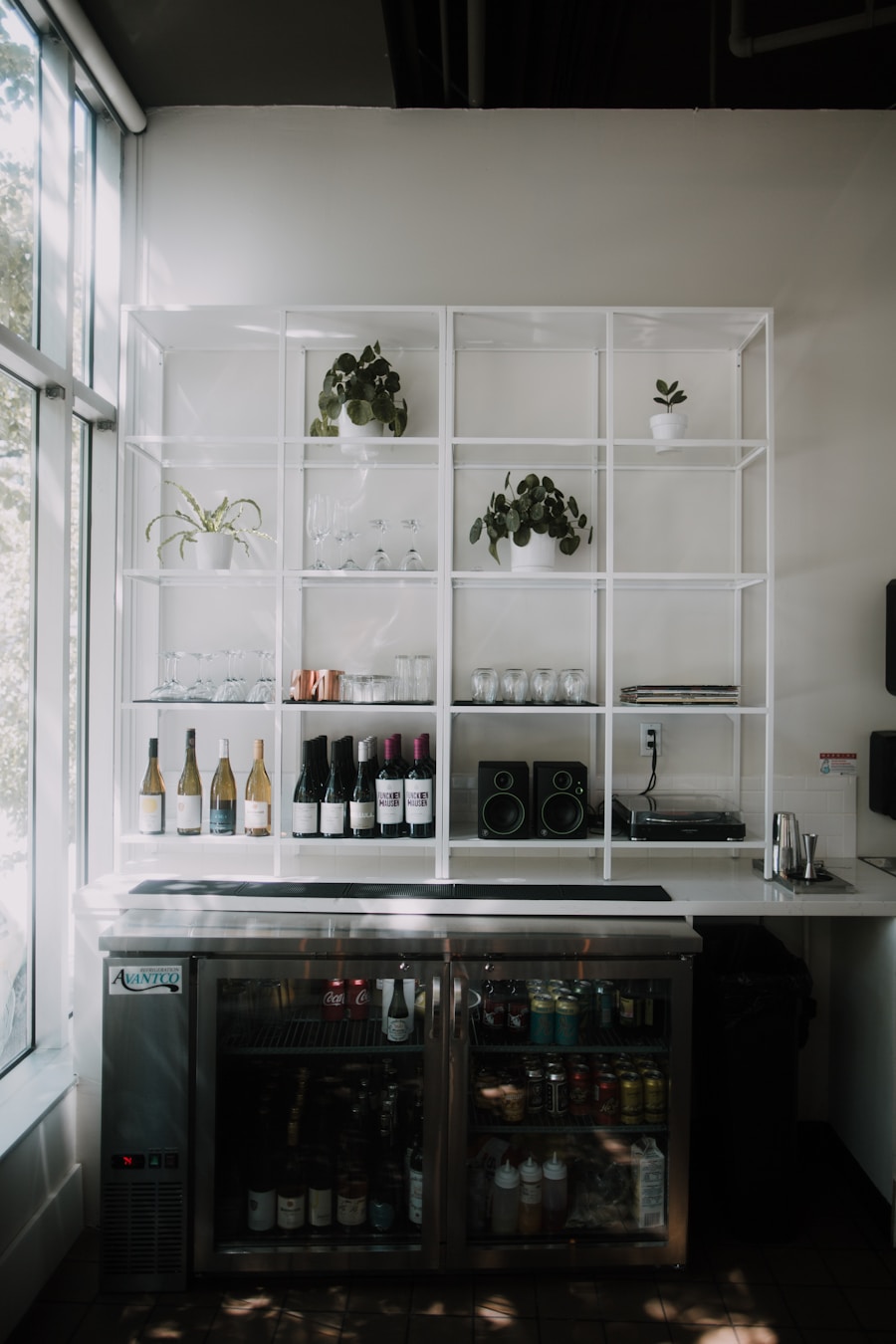
The installation process for your wine cooler can vary significantly based on its type and location.
However, if you choose a built-in unit designed to fit seamlessly into cabinetry, the installation process may require more planning and effort.
Ensure that there is adequate ventilation around the cooler to prevent overheating and maintain optimal performance. This often means leaving space on all sides of the unit for air circulation.
For example, placing it near a stove or oven could lead to temperature fluctuations that negatively impact your wine storage. Additionally, think about accessibility; you want to ensure that your wine cooler is easy to reach when hosting guests or selecting a bottle for dinner. If you’re unsure about the installation process or need to make modifications to your cabinetry, consulting with a professional can save you time and ensure that everything is set up correctly.
Organizing Your Wine Collection
Once your wine cooler is installed, it’s time to organize your collection effectively. A well-organized wine cooler not only makes it easier to find specific bottles but also enhances the overall aesthetic of your basement bar. Start by categorizing your wines based on type—reds, whites, rosés, and sparkling wines—and then consider organizing them further by varietal or region.
For example, you might group all your Cabernet Sauvignons together or arrange your Italian wines in one section. This method allows for quick access and helps you keep track of what you have on hand. In addition to categorization, consider labeling your bottles for even easier identification.
You can use simple adhesive labels or invest in a label maker for a more polished look. Include details such as the wine’s name, vintage year, and any tasting notes that might be helpful when selecting a bottle for a specific occasion. Furthermore, be mindful of how you place bottles within the cooler; store bottles horizontally to keep corks moist and prevent air from entering the bottle.
This practice is particularly important for wines intended for long-term aging.
Maintaining the Proper Temperature and Humidity
Maintaining the proper temperature and humidity levels in your wine cooler is crucial for preserving the quality of your collection. The ideal temperature for storing most wines ranges between 45°F and 65°F (7°C to 18°C), with red wines typically stored at slightly warmer temperatures than whites. Regularly monitor the temperature settings on your cooler to ensure they remain consistent; fluctuations can lead to spoilage or premature aging of your wines.
Humidity is another critical factor in wine storage that is often overlooked. The ideal humidity level for wine storage is between 50% and 70%. Low humidity can cause corks to dry out and shrink, allowing air to seep into the bottle and spoil the wine.
Conversely, high humidity can lead to mold growth on labels and corks. Many modern wine coolers come equipped with humidity control features; however, if yours does not, consider placing a small dish of water inside the unit to help maintain moisture levels. Regularly check both temperature and humidity levels to ensure that your wines are stored under optimal conditions.
Incorporating Stylish Design Elements
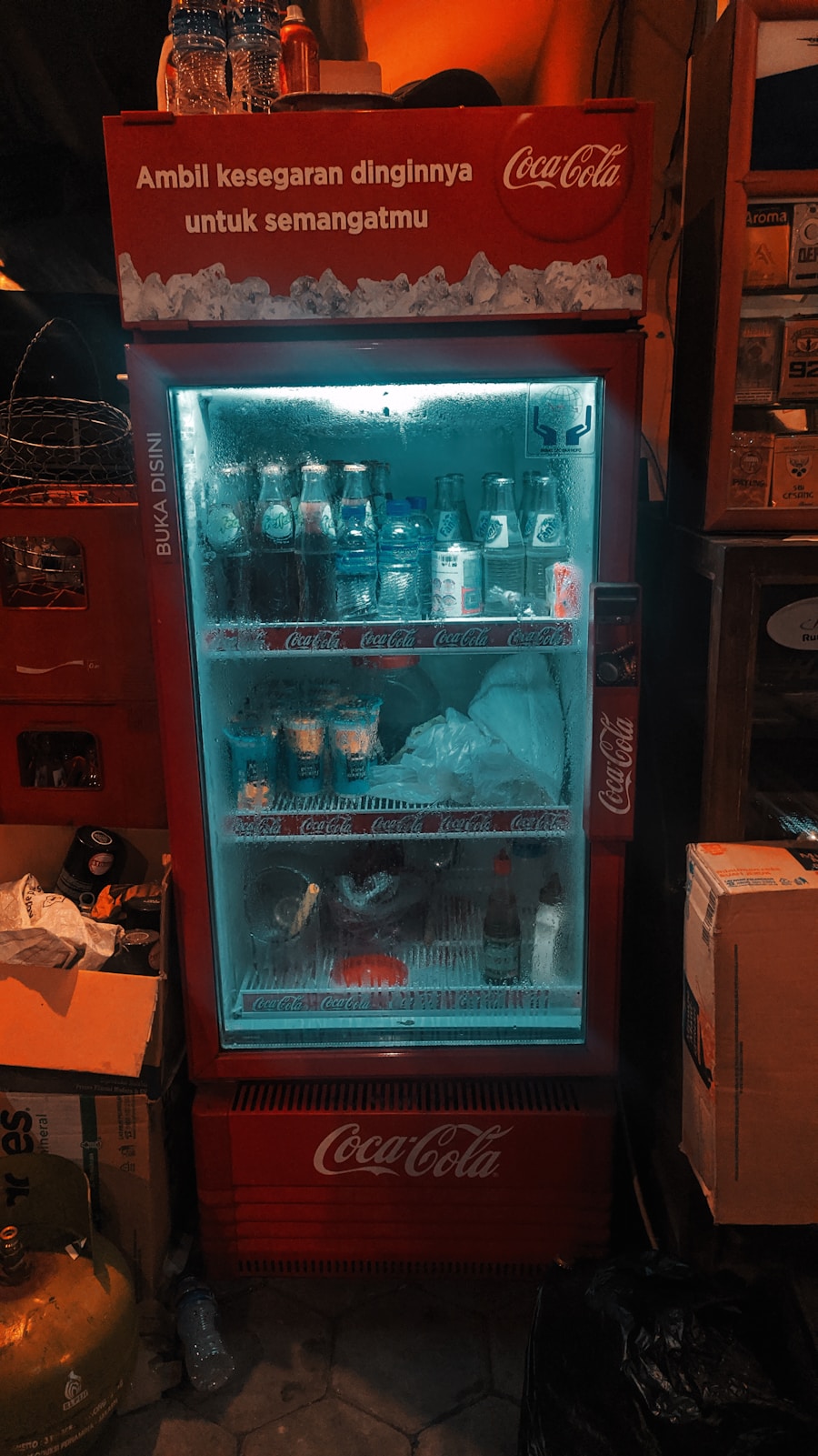
A wine cooler can be more than just a functional appliance; it can also serve as a stylish design element in your basement bar. When selecting a wine cooler, consider its aesthetic appeal in relation to your overall decor theme. Many models come with sleek stainless steel finishes or elegant wood accents that can complement various design styles—from modern minimalist to rustic charm.
Choose a design that aligns with your personal taste while enhancing the visual appeal of your space. In addition to selecting an attractive wine cooler, think about how you can incorporate it into your bar’s overall design scheme. For instance, consider using ambient lighting to highlight the cooler’s contents or placing it against a backdrop of decorative shelving filled with glassware or bar tools.
You might also consider adding artwork or decorative elements around the cooler to create a focal point in the room. By thoughtfully integrating design elements around your wine cooler, you can create an inviting atmosphere that encourages relaxation and enjoyment.
Pairing Wines with Your Basement Bar Menu
An essential aspect of hosting gatherings in your basement bar is curating a menu that pairs well with your wine selection. Understanding which foods complement specific wines can elevate any event from ordinary to extraordinary. For example, if you have a robust Cabernet Sauvignon in your collection, consider serving it alongside grilled meats or rich pasta dishes that enhance its bold flavors.
On the other hand, lighter white wines like Sauvignon Blanc pair beautifully with seafood or fresh salads. When planning your menu, think about seasonal ingredients that can enhance the overall experience. In summer months, fresh vegetables and grilled fish can create delightful pairings with crisp whites or rosés.
In contrast, winter gatherings might call for hearty stews or roasted meats that harmonize with full-bodied reds. Additionally, consider offering small bites or charcuterie boards featuring cheeses that complement various wines; this not only provides guests with delicious options but also encourages them to explore different pairings throughout the evening.
Hosting Wine Tasting Events in Your Brooklyn Basement Bar
Hosting wine tasting events in your Brooklyn basement bar can be an enjoyable way to share your passion for wine with friends and family while creating memorable experiences together. To organize a successful tasting event, start by selecting a theme—this could be based on varietals (like Pinot Noir), regions (such as Napa Valley), or even specific vintages (like 2010). A well-defined theme helps guide guests through their tasting journey while providing context for each selection.
As you prepare for the event, consider creating tasting notes for each wine being served; these notes can include information about the winery’s history, tasting profiles, and suggested food pairings. Providing guests with this information not only enhances their appreciation of each wine but also encourages conversation around their experiences during the tasting. Additionally, set up designated tasting stations where guests can sample each wine at their own pace while enjoying light bites that complement each selection.
To elevate the experience further, consider incorporating interactive elements such as blind tastings or food pairing challenges where guests guess which food pairs best with each wine. These activities foster engagement and create an atmosphere of fun and camaraderie among participants. By thoughtfully planning every detail—from selection to presentation—you can transform an ordinary gathering into an unforgettable evening centered around the joy of wine exploration in your Brooklyn basement bar.
If you’re looking to transform your basement into the ultimate entertainment space, you may want to check out this article on crafting dream homes step by step transformations. This article provides valuable tips and inspiration for creating the basement bar and lounge of your dreams. With the addition of a wine cooler, your Brooklyn basement bar will be the envy of all your friends and family. For more information on basement remodeling and design, visit basementremodelingesg.com.
FAQs
What is a wine cooler?
A wine cooler is a refrigeration appliance specifically designed to store and chill wine bottles at the optimal temperature.
Why should I add a wine cooler to my basement bar and lounge?
Adding a wine cooler to your basement bar and lounge allows you to properly store and serve your wine collection at the ideal temperature, enhancing the overall drinking experience for you and your guests.
What are the benefits of having a wine cooler in my basement bar?
Having a wine cooler in your basement bar ensures that your wine is stored at the correct temperature, preserving its flavor and aroma. It also adds a touch of sophistication to your bar and makes it more convenient to access and serve your wine collection.
How do I choose the right wine cooler for my basement bar?
When choosing a wine cooler for your basement bar, consider factors such as the size of your wine collection, the available space in your bar, and your budget. Look for a wine cooler with adjustable temperature settings and UV-protected glass to protect your wine from light exposure.
How do I install a wine cooler in my basement bar?
To install a wine cooler in your basement bar, you will need to ensure that there is a suitable electrical outlet nearby and sufficient ventilation for the cooler. Follow the manufacturer’s instructions for installation and consider hiring a professional if needed.
How can I maintain and care for my wine cooler?
To maintain your wine cooler, regularly clean the interior and exterior, check the temperature settings, and ensure proper ventilation. Additionally, keep the cooler stocked with wine to help maintain a consistent temperature.