Creating a basement home theater involves more than just setting up a screen and a projector; it requires a thoughtful approach to layout and functionality. The first step in this process is to assess the dimensions of the space. A typical basement may have irregular shapes, low ceilings, or support beams that can affect seating arrangements and screen placement.
Understanding these elements is crucial for optimizing the viewing experience. For instance, if the ceiling height is limited, a projector may need to be mounted closer to the screen, which can impact image quality and viewing angles. Additionally, the distance between the seating and the screen should be calculated based on the size of the screen to ensure that viewers can enjoy a comfortable viewing experience without straining their eyes.
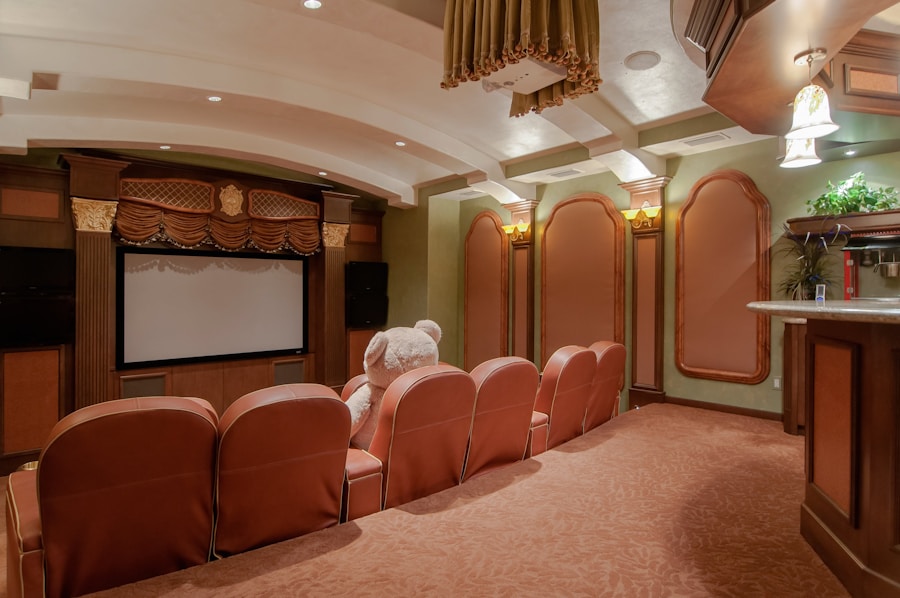
The ideal setup often involves tiered seating to enhance visibility for all viewers. This can be achieved by using risers or strategically placing chairs and sofas at varying heights.
Furthermore, considering the functionality of the space is essential. Will it serve solely as a movie-watching venue, or will it also host gaming sessions or sports events? Each function may require different seating configurations and equipment placements.
For example, if gaming is a priority, additional space for consoles and controllers should be factored into the design. By carefully considering both layout and functionality, homeowners can create a basement theater that meets their specific needs while providing an immersive viewing experience.
Key Takeaways
- Understanding the layout and functionality of your basement home theater is crucial for creating an optimal viewing experience.
- Consider the size and shape of the space when planning proper lighting placement to avoid glare and shadows.
- Explore different lighting options for both ambiance and functionality, such as recessed lights, sconces, and LED strips.
- Incorporate dimmers and smart lighting systems for versatility in adjusting light levels for different activities.
- Choose lighting fixtures that complement the aesthetic of your home theater to enhance the overall design.
- Balance ambient, task, and accent lighting to create a well-lit space that is both functional and visually appealing.
- Address potential light glare and reflection issues by strategically positioning light sources and using anti-glare coatings.
- Seek professional advice for customized lighting solutions tailored to your specific basement home theater layout and design.
Considering the Size and Shape of the Space for Proper Lighting Placement
The size and shape of your basement home theater play a pivotal role in determining how lighting should be placed throughout the space. A larger room may require multiple light sources to ensure even illumination, while a smaller space might benefit from fewer, strategically placed fixtures. The shape of the room also influences lighting placement; for instance, a long, narrow basement may necessitate different lighting strategies compared to a square room.
Understanding these dynamics allows homeowners to create a balanced lighting scheme that enhances the overall atmosphere without overwhelming the senses. When planning lighting placement, it’s essential to consider how light interacts with various surfaces in the room. Darker colors absorb light, while lighter colors reflect it, which can significantly affect brightness levels.
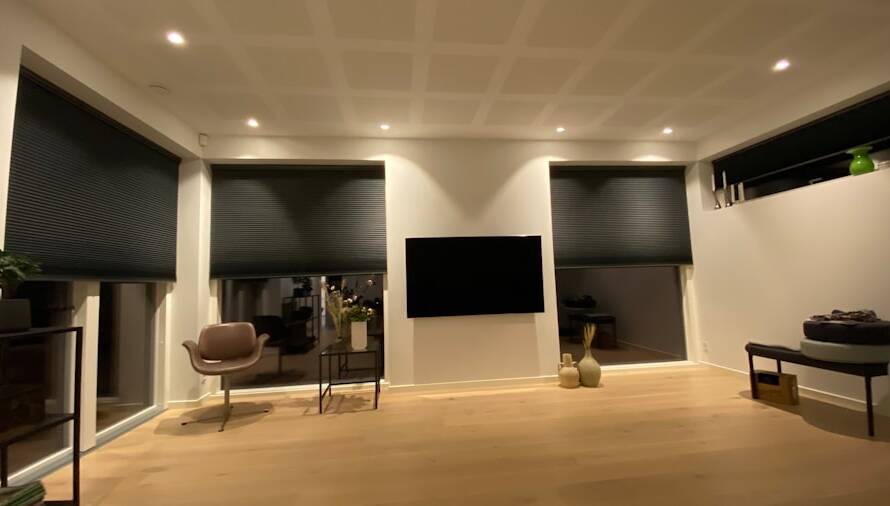
In a basement theater with dark walls and furniture designed to minimize distractions during viewing, careful attention must be paid to where lights are installed. For example, wall sconces can provide soft illumination without causing glare on the screen, while recessed lighting can be used to highlight architectural features without detracting from the cinematic experience. By taking into account both size and shape, homeowners can ensure that their lighting design complements the unique characteristics of their basement theater.
Exploring Different Lighting Options for Ambiance and Functionality
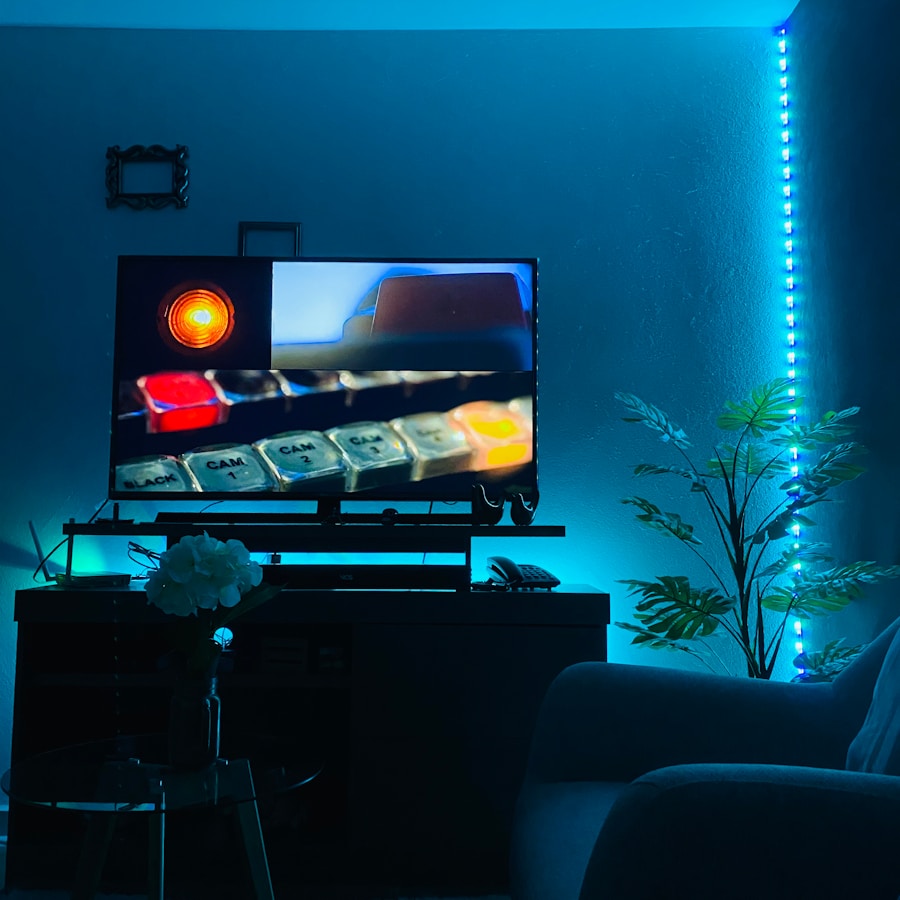
When designing a basement home theater, exploring various lighting options is essential for achieving both ambiance and functionality. Ambient lighting serves as the primary source of illumination in the room, creating a comfortable environment for viewers before and after shows.
These types of lights can also be color-adjustable, allowing homeowners to set different moods depending on the film genre or occasion. In addition to ambient lighting, task lighting is crucial for activities that occur outside of movie-watching, such as reading or playing games. Adjustable floor lamps or table lamps placed strategically around seating areas can provide focused light when needed without disrupting the overall ambiance.
Accent lighting is another important consideration; it highlights specific features within the theater, such as artwork or architectural details. Wall-mounted picture lights or small spotlights can draw attention to these elements while adding depth to the room’s design. By thoughtfully combining these different types of lighting, homeowners can create a versatile environment that caters to various activities while maintaining an inviting atmosphere.
Incorporating Dimmers and Smart Lighting Systems for Versatility
Incorporating dimmers and smart lighting systems into your basement home theater can significantly enhance its versatility and user experience. Dimmers allow for precise control over light levels, enabling viewers to adjust brightness according to their preferences or specific activities. For instance, during an intense action scene, lowering ambient light can heighten suspense and immersion, while brighter settings may be more suitable for socializing before or after a film.
This flexibility is particularly valuable in a multi-functional space where different activities require varying levels of illumination. Smart lighting systems take this versatility a step further by allowing homeowners to control their lighting through mobile apps or voice commands. These systems often include features such as scheduling, scene setting, and remote access, making it easy to create customized lighting scenarios for different occasions.
For example, a “movie night” scene could automatically dim all lights to a predetermined level while turning on specific accent lights to create an inviting atmosphere. Additionally, smart systems can integrate with other home automation technologies, such as sound systems or projectors, providing a seamless experience that enhances both convenience and enjoyment in your basement theater.
Choosing Lighting Fixtures that Complement the Aesthetic of Your Home Theater
Selecting lighting fixtures that complement the aesthetic of your basement home theater is crucial for creating a cohesive design that reflects your personal style. The choice of fixtures should align with the overall theme of the space—whether it’s modern, traditional, or something in between. For instance, sleek, minimalist fixtures may suit a contemporary design, while ornate chandeliers or vintage sconces could enhance a more classic look.
The materials used in these fixtures also play a significant role; metals like brushed nickel or matte black can add sophistication, while warm wood tones may evoke a cozy atmosphere. In addition to style considerations, functionality should not be overlooked when choosing fixtures. For example, recessed lighting provides an unobtrusive option that maintains clean lines in modern designs but may not offer enough flexibility for task lighting needs.
On the other hand, pendant lights can serve as both decorative elements and sources of direct illumination when placed strategically above seating areas or snack stations. By carefully selecting fixtures that harmonize with both aesthetic preferences and functional requirements, homeowners can create an inviting environment that enhances their overall viewing experience.
Balancing Ambient, Task, and Accent Lighting for a Well-Lit Space
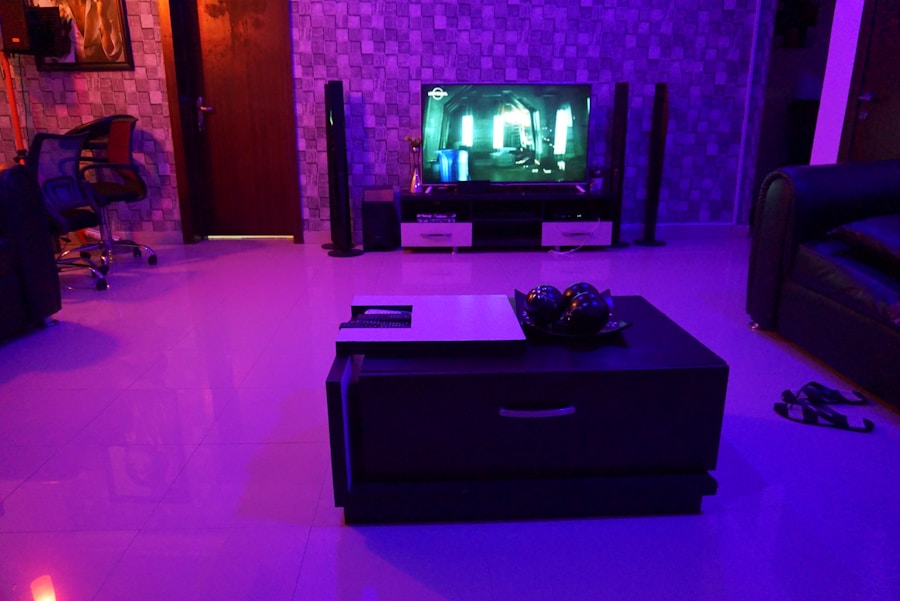
Achieving a well-lit basement home theater requires careful balancing of ambient, task, and accent lighting to create an inviting atmosphere while ensuring functionality. Ambient lighting serves as the foundation of illumination in the space; it should provide enough light for general movement without being harsh or distracting during movie-watching sessions. This can be accomplished through soft overhead fixtures or wall-mounted sconces that cast gentle light throughout the room.
Task lighting is equally important for activities that occur outside of film viewing—such as reading scripts or playing games—requiring focused illumination in specific areas. Adjustable floor lamps or table lamps placed near seating areas can provide this necessary light without interfering with ambient brightness levels. Accent lighting adds depth and character to the space by highlighting architectural features or decorative elements; strategically placed spotlights or LED strips can draw attention to artwork or unique design details without overwhelming the overall ambiance.
By thoughtfully integrating these three types of lighting into their design scheme, homeowners can create a balanced environment that caters to various activities while maintaining an enjoyable viewing experience.
Addressing Potential Light Glare and Reflection Issues in Your Basement Home Theater
Light glare and reflection issues are common challenges faced in basement home theaters due to their often limited natural light sources and specific layout characteristics. Glare occurs when bright light sources directly hit viewers’ eyes or reflect off surfaces like screens or walls, detracting from the viewing experience. To mitigate this issue, careful consideration must be given to both fixture placement and light intensity levels.
For instance, avoiding direct overhead lights above the screen can help reduce glare during movie-watching sessions. Additionally, using blackout curtains or shades on windows can prevent unwanted external light from entering the space during daytime screenings. Reflective surfaces should also be minimized; opting for matte finishes on walls and furniture can help absorb light rather than reflect it back into viewers’ eyes.
Furthermore, selecting screens with anti-glare coatings can significantly enhance picture quality by reducing reflections from ambient light sources within the room. By proactively addressing potential glare and reflection issues through thoughtful design choices, homeowners can ensure an optimal viewing experience in their basement theater.
Seeking Professional Advice for Customized Lighting Solutions
While many homeowners may feel confident in their ability to design their basement home theater’s lighting scheme independently, seeking professional advice can provide invaluable insights tailored to individual needs and preferences. Lighting designers possess specialized knowledge about how different types of fixtures interact with various spaces and can recommend solutions that maximize both functionality and aesthetics. They can also help identify potential challenges—such as glare issues or inadequate illumination levels—that may not be immediately apparent to those less experienced in lighting design.
Moreover, professionals often have access to advanced tools and technologies that allow them to create customized lighting plans based on specific requirements. This includes conducting detailed assessments of room dimensions and layouts as well as considering factors like color schemes and furniture arrangements. By collaborating with experts in the field, homeowners can achieve a well-thought-out lighting design that enhances their basement home theater’s overall ambiance while ensuring optimal performance for all intended activities.
If you’re looking to give your Brooklyn basement home theater a stylish and modern touch, you may want to consider incorporating some typography elements into the design. Typography can add a unique and personalized touch to your space, making it stand out from the rest. Check out this article on basementremodelingesg.com for some inspiration on how to incorporate typography into your home theater design.
FAQs
What are the key factors to consider when choosing lighting for a basement home theater?
The key factors to consider when choosing lighting for a basement home theater include the size and layout of the space, the desired ambiance, the type of activities that will take place in the room, and the placement of the screen and seating.
What are the different types of lighting options available for a basement home theater?
Different types of lighting options for a basement home theater include recessed lighting, track lighting, wall sconces, floor lamps, and LED strip lights. Each type of lighting offers different levels of brightness and control.
How can I create a cinematic ambiance with the right lighting in my basement home theater?
To create a cinematic ambiance in your basement home theater, consider using dimmable lights, installing sconces or wall-mounted lights around the perimeter of the room, and incorporating LED strip lights behind the screen or along the baseboards for a subtle, immersive effect.
What are some tips for controlling glare and reflections in a basement home theater?
To control glare and reflections in a basement home theater, consider using recessed lighting with adjustable trims to direct the light away from the screen, installing blackout curtains or shades to block out natural light, and using matte or dark-colored paint on the walls and ceiling to minimize reflections.
How can I ensure that the lighting in my basement home theater is energy-efficient?
To ensure that the lighting in your basement home theater is energy-efficient, consider using LED bulbs, which consume less energy and produce less heat than traditional incandescent bulbs. Additionally, installing dimmer switches can help reduce energy consumption by allowing you to adjust the brightness of the lights based on your needs.