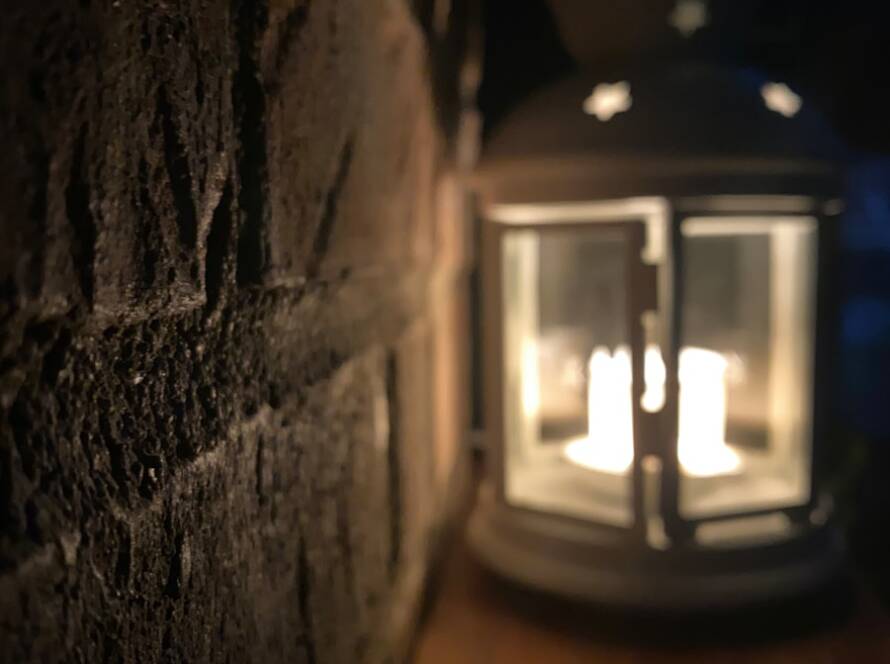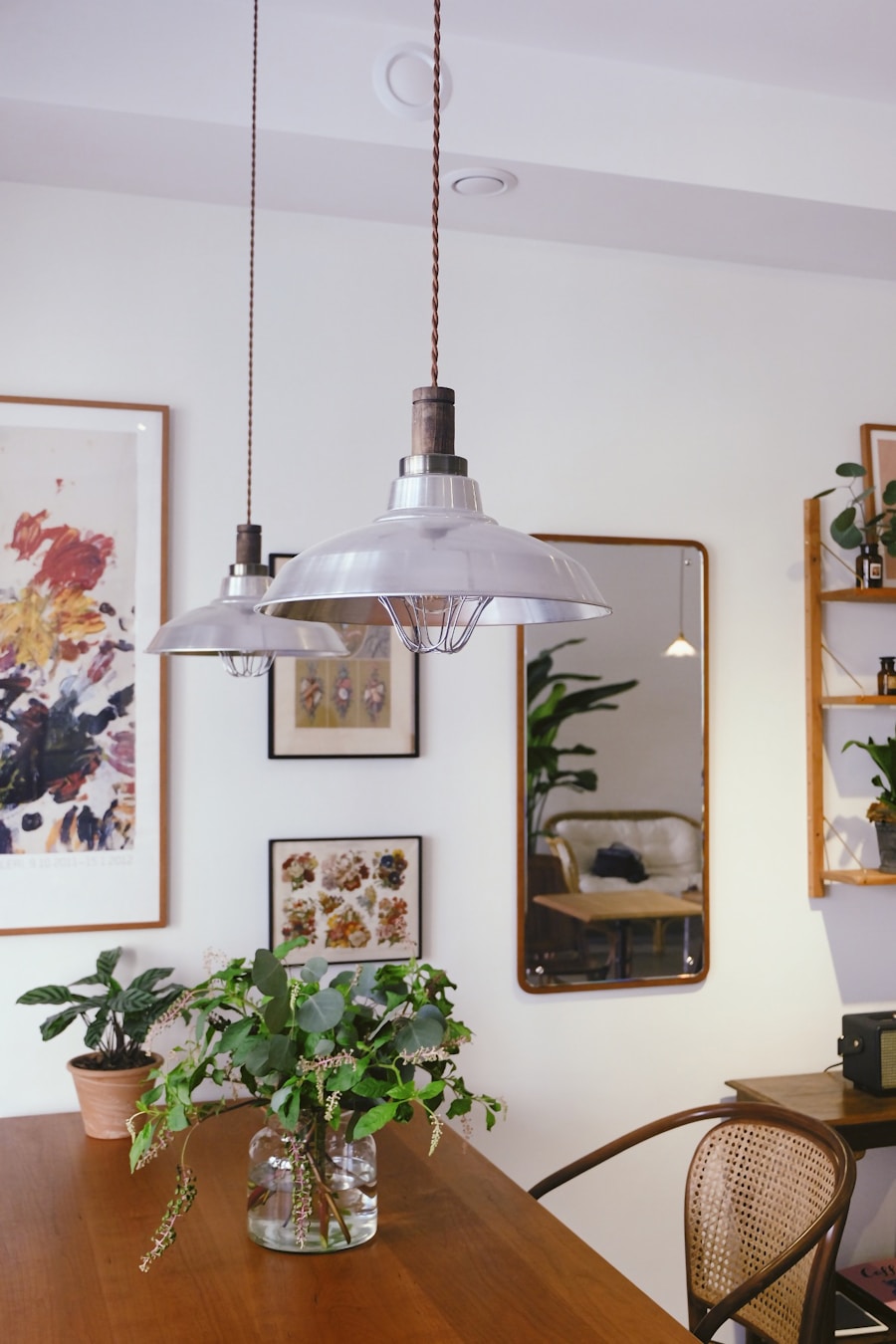
When embarking on a lighting design project, the first step is to thoroughly assess the space and its intended function.
For instance, a kitchen requires bright, focused lighting to facilitate cooking and food preparation, while a living room may benefit from softer, more ambient lighting that fosters relaxation and social interaction.
By evaluating the specific activities that will take place in each area, one can tailor the lighting to enhance both functionality and comfort. In addition to considering the primary function of the space, it is essential to take into account the size and layout of the room. A small, enclosed area may require different lighting solutions compared to a large, open-concept space.
For example, in a compact room, wall-mounted fixtures or recessed lighting can help maximize floor space while providing adequate illumination. Conversely, in larger areas, a combination of overhead fixtures and strategically placed lamps can create a layered lighting effect that ensures every corner is well-lit. Understanding the interplay between space and function allows for a more thoughtful approach to lighting design.
Key Takeaways
- Assess the space and function to determine the lighting needs
- Consider natural light sources and how they can be utilized in the space
- Choose the right type of lighting based on the function of the area
- Determine the right placement of lighting fixtures for optimal illumination
- Select appropriate fixtures that complement the design and function of the space
- Incorporate task lighting for specific activities or work areas
- Add ambient lighting to create a desired atmosphere in the space
- Consider energy efficiency and cost when selecting lighting options
Consider Natural Light Sources
Natural light plays a pivotal role in any lighting design scheme. It not only enhances the aesthetic appeal of a space but also contributes to the overall well-being of its occupants. When planning lighting, it is vital to assess the availability and quality of natural light throughout the day.
This involves observing how sunlight enters the room at different times, noting the direction of windows, and considering any obstructions such as trees or buildings that may block light. By understanding these factors, one can make informed decisions about artificial lighting that complements and enhances natural light. Incorporating natural light into the overall design can lead to significant energy savings and improved mood for occupants.
For instance, in spaces with ample natural light, it may be possible to reduce reliance on artificial lighting during daylight hours. This not only lowers energy costs but also creates a more inviting atmosphere. Additionally, using sheer window treatments or strategically placed mirrors can help reflect and diffuse natural light throughout the room, further enhancing its brightness and warmth.
By harmonizing artificial and natural light sources, one can create a balanced and dynamic lighting environment.
Choose the Right Type of Lighting
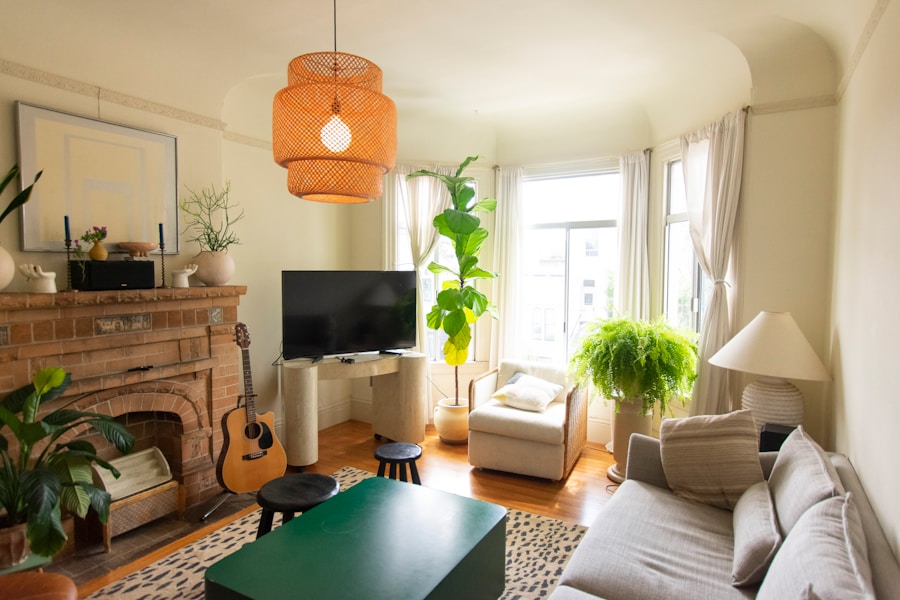
Selecting the appropriate type of lighting is fundamental to achieving the desired ambiance and functionality in any space. Lighting can be broadly categorized into three types: ambient, task, and accent lighting. Ambient lighting serves as the primary source of illumination, providing overall brightness to a room.
This can be achieved through ceiling fixtures, chandeliers, or wall sconces that distribute light evenly across the space. Task lighting, on the other hand, is designed to illuminate specific areas where activities such as reading or cooking take place. Desk lamps, under-cabinet lights, and pendant lights are common examples of task lighting.
Accent lighting adds depth and interest to a room by highlighting architectural features or decorative elements such as artwork or plants. This type of lighting is often achieved through spotlights or track lighting that directs beams of light onto focal points within the space. When choosing the right type of lighting, it is essential to consider not only the functional needs of the space but also the desired mood and aesthetic.
For example, warm-toned bulbs can create a cozy atmosphere in living areas, while cooler tones may be more suitable for workspaces where focus and concentration are paramount.
Determine the Right Placement
The placement of lighting fixtures is critical in achieving an effective and harmonious design. Poorly positioned lights can lead to harsh shadows or uneven illumination, detracting from both functionality and aesthetics. To determine optimal placement, one must consider factors such as ceiling height, furniture arrangement, and the specific tasks that will be performed in each area.
In addition to functional considerations, placement should also take into account visual balance within the space. A well-lit room should have a sense of equilibrium, with light sources distributed evenly throughout.
This can be achieved by layering different types of lighting—ambient, task, and accent—across various heights and locations within the room. For example, combining floor lamps with table lamps and wall sconces can create a multi-dimensional lighting scheme that enhances both comfort and style. Thoughtful placement not only improves visibility but also contributes to the overall aesthetic appeal of the space.
Select the Appropriate Fixtures
Choosing the right fixtures is an essential aspect of any lighting design project. The style, size, and finish of fixtures can significantly impact both functionality and aesthetics within a space. When selecting fixtures, it is important to consider the overall design theme of the room.
For instance, a modern minimalist space may benefit from sleek pendant lights with clean lines, while a traditional setting might call for ornate chandeliers or vintage-inspired sconces. In addition to style considerations, one must also take into account the scale of fixtures in relation to the size of the room. Oversized fixtures can overwhelm a small space, while tiny fixtures may get lost in larger areas.
It is crucial to strike a balance between form and function; fixtures should not only complement the design but also provide adequate illumination for their intended purpose. Furthermore, selecting fixtures with adjustable features—such as dimmers or swiveling heads—can enhance versatility and allow for customization based on changing needs or moods.
Incorporate Task Lighting
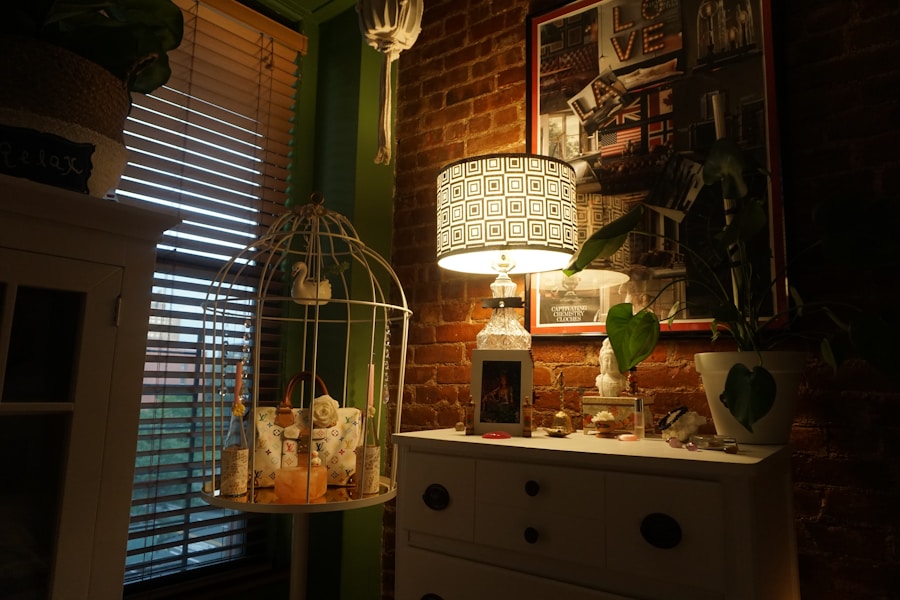
Task lighting is an indispensable component of effective lighting design, particularly in spaces where specific activities require focused illumination. This type of lighting is essential in areas such as kitchens, home offices, and reading nooks where precision is key. For example, under-cabinet lights in a kitchen provide direct illumination on countertops for food preparation tasks, while adjustable desk lamps in an office setting allow for targeted light on work surfaces.
When incorporating task lighting into a design scheme, it is important to consider both functionality and aesthetics. The fixtures chosen should not only provide adequate brightness but also blend seamlessly with the overall decor of the space. Adjustable task lights offer flexibility; they can be repositioned as needed to accommodate different tasks or preferences.
Additionally, using multiple sources of task lighting within a single area can help reduce eye strain by minimizing shadows and ensuring even illumination across work surfaces.
Add Ambient Lighting for Atmosphere
Ambient lighting plays a crucial role in establishing the overall atmosphere of a space. It serves as the foundation for all other types of lighting by providing general illumination that allows occupants to navigate comfortably within the environment. The choice of ambient lighting can significantly influence how a room feels; warm tones create an inviting atmosphere ideal for relaxation, while cooler tones may promote alertness and focus.
To enhance ambient lighting effectively, one can utilize various techniques such as layering different light sources or incorporating dimmable fixtures that allow for adjustable brightness levels based on time of day or activity. For instance, in a living room designed for entertaining guests, soft ambient lighting combined with accent lights highlighting artwork can create an inviting atmosphere conducive to social interaction. In contrast, brighter ambient lighting may be more appropriate for spaces where tasks are performed or where clarity is essential.
Consider Energy Efficiency and Cost
In today’s environmentally conscious world, energy efficiency has become an integral consideration in lighting design. The choice of bulbs and fixtures can have a significant impact on energy consumption and long-term costs. LED bulbs have emerged as a popular choice due to their longevity and low energy usage compared to traditional incandescent bulbs.
While LEDs may have a higher upfront cost, their extended lifespan and reduced energy consumption often result in substantial savings over time. In addition to selecting energy-efficient bulbs, it is also important to consider smart technology options that allow for greater control over lighting usage. Smart bulbs and systems enable users to adjust brightness levels remotely or set schedules for when lights turn on or off automatically.
This not only enhances convenience but also promotes energy conservation by ensuring that lights are only used when necessary. By prioritizing energy efficiency in lighting design choices, one can create a sustainable environment that aligns with modern values while also reducing utility costs over time.
If you’re looking to transform your Brooklyn basement into a functional living space, you may also be interested in learning about the benefits of creating basement apartments or in-law suites. Check out this article for tips on how to maximize the potential of your basement and create a comfortable living space for guests or tenants.
FAQs
What are the key factors to consider when choosing lighting for a Brooklyn basement?
Key factors to consider when choosing lighting for a Brooklyn basement include the size and layout of the space, the intended use of the basement, the natural light available, and the overall design aesthetic.
What are the different types of lighting options suitable for a Brooklyn basement?
There are several types of lighting options suitable for a Brooklyn basement, including recessed lighting, track lighting, pendant lights, wall sconces, and floor lamps. Each type of lighting offers different benefits and can be used to create different atmospheres in the space.
How can I maximize natural light in my Brooklyn basement?
To maximize natural light in a Brooklyn basement, consider installing larger windows or adding a window well to bring in more natural light. Additionally, using light-colored paint on the walls and strategically placing mirrors can help reflect and amplify natural light.
What are some tips for creating a well-lit and inviting atmosphere in a Brooklyn basement?
To create a well-lit and inviting atmosphere in a Brooklyn basement, consider layering different types of lighting, using dimmer switches to control the intensity of the light, and incorporating task lighting in areas where specific activities will take place. Additionally, choosing light fixtures that complement the overall design aesthetic of the basement can help create a cohesive and inviting space.
Are there any specific lighting considerations for a Brooklyn basement with low ceilings?
For a Brooklyn basement with low ceilings, it’s important to choose lighting fixtures that are not too bulky or hang too low. Recessed lighting and flush-mount fixtures can be good options for low-ceiling basements, as they provide adequate lighting without taking up too much space.