Before embarking on any lighting project, it is crucial to assess the space you are working with, particularly in a basement where layout and functionality can vary significantly. Basements often come with unique challenges, such as low ceilings, limited natural light, and structural elements like support beams and ductwork that can complicate design choices. Begin by taking detailed measurements of the area, noting the dimensions of walls, ceilings, and any architectural features that may influence your lighting plan.
This assessment will help you visualize how different lighting options can enhance the space while addressing its limitations. Understanding the intended use of your basement is equally important. Will it serve as a family room, home office, gym, or perhaps a guest suite?
Each function requires a different approach to lighting. For example, a home theater may benefit from dimmable lights and blackout options, while a playroom for children might need brighter, more vibrant lighting to create an energetic atmosphere. By clearly defining the purpose of the space, you can make informed decisions about the types of fixtures and lighting schemes that will best suit your needs.
Key Takeaways
- Understanding the layout and functionality of your basement is crucial for assessing the space and planning the lighting design.
- Select warm and inviting light fixtures to create a cozy atmosphere in your basement.
- Incorporate task, ambient, and accent lighting to create layered lighting and enhance the ambiance of the space.
- Maximize the use of windows and light wells to bring in natural light and brighten up your basement.
- Control the intensity of your basement lighting by incorporating dimmer switches for added flexibility and comfort.
Choosing the Right Light Fixtures: Selecting Warm and Inviting Lighting Options
Once you have a clear understanding of your basement’s layout and functionality, the next step is to choose light fixtures that will create a warm and inviting atmosphere. The type of fixtures you select can dramatically influence the overall feel of the space. For basements, which often lack natural light, opting for warm-toned bulbs can help create a cozy environment.
LED bulbs with a color temperature of around 2700K to 3000K are ideal for achieving this effect, as they emit a soft, yellowish light that mimics traditional incandescent bulbs. In terms of fixture types, consider a mix of overhead lighting and decorative elements. Recessed lighting is an excellent choice for basements with low ceilings, as it provides ample illumination without taking up visual space.
Pendant lights or chandeliers can add character and style, especially in areas designated for relaxation or entertainment. Additionally, wall sconces can provide supplementary lighting while enhancing the aesthetic appeal of your basement walls. By thoughtfully selecting fixtures that align with your design vision, you can create a welcoming ambiance that invites people to spend time in the space.
Creating Ambiance with Layered Lighting: Incorporating Task, Ambient, and Accent Lighting
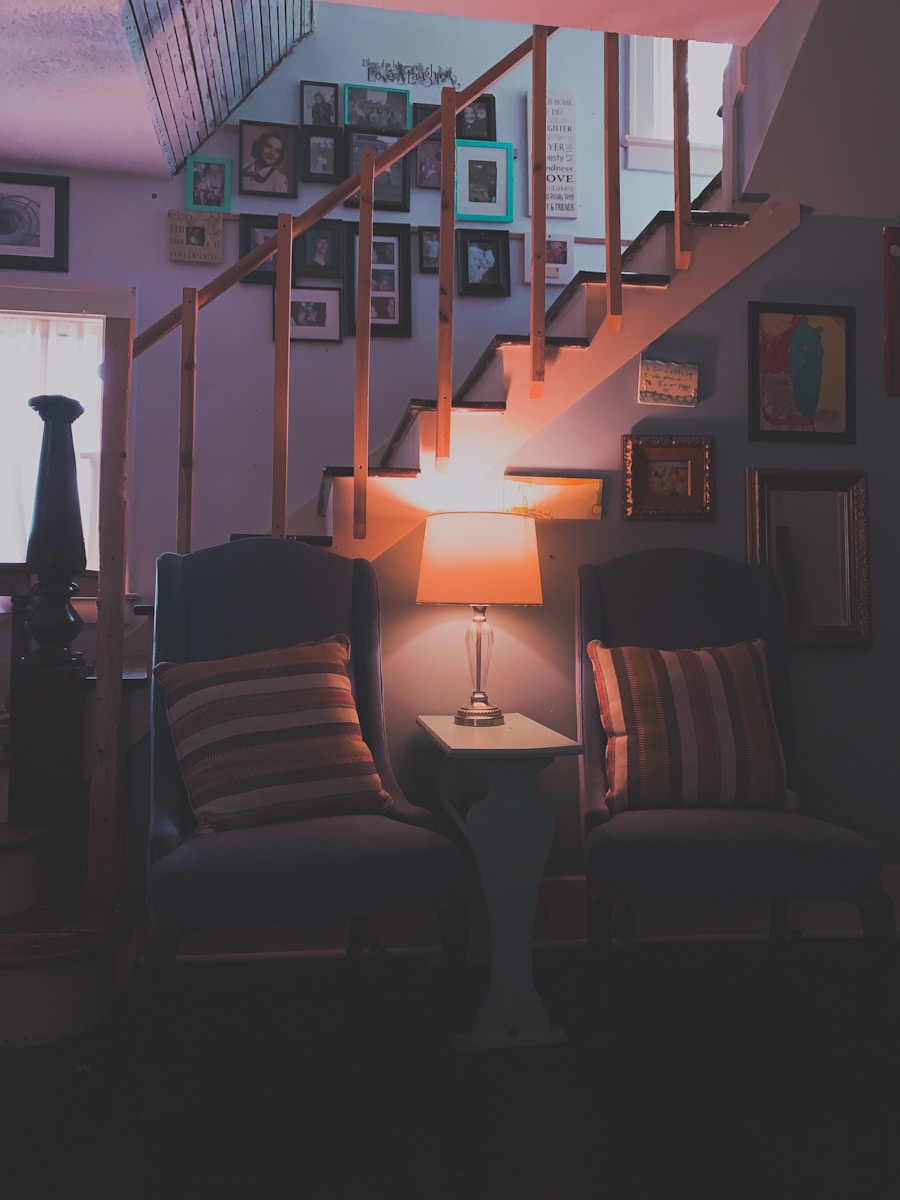
To achieve a well-lit basement that caters to various activities and moods, it is essential to incorporate layered lighting. This approach involves combining three main types of lighting: ambient, task, and accent. Ambient lighting serves as the primary source of illumination, providing overall brightness to the room.
This can be achieved through ceiling-mounted fixtures or recessed lights that evenly distribute light throughout the space. Task lighting is more focused and is designed to illuminate specific areas where activities take place, such as reading or working. Desk lamps or adjustable floor lamps can provide targeted light for tasks that require concentration.
Accent lighting, on the other hand, is used to highlight particular features or decor elements within the basement, such as artwork or architectural details. This can be accomplished with track lighting or strategically placed spotlights that draw attention to focal points in the room. By thoughtfully layering these different types of lighting, you can create a dynamic environment that adapts to various needs and enhances the overall aesthetic of your basement.
Utilizing Natural Light: Maximizing the Use of Windows and Light Wells
While basements are often associated with limited natural light, there are ways to maximize whatever light is available. If your basement has windows or light wells, consider how you can enhance their effectiveness in brightening the space. Start by ensuring that windows are clean and unobstructed by furniture or heavy drapes that could block incoming light.
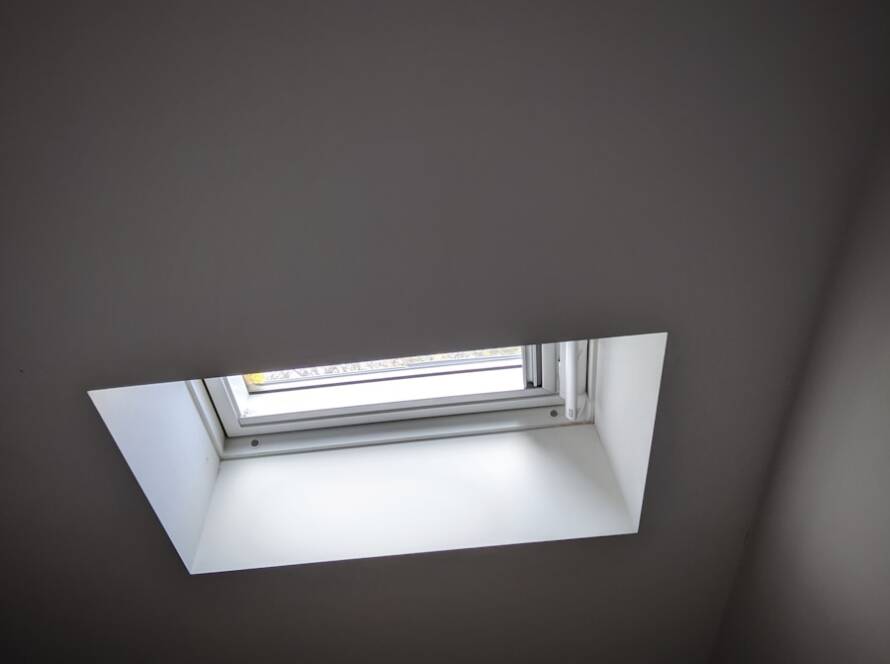
Light-colored window treatments can also help reflect sunlight into the room while maintaining privacy. If your basement lacks windows altogether, consider installing light wells or sun tunnels that can channel natural light from above ground into your basement space. These innovative solutions can significantly improve the brightness of your basement without compromising its structural integrity.
Additionally, using mirrors strategically placed across from windows can amplify natural light by reflecting it throughout the room. This not only brightens the space but also creates an illusion of depth and openness that is often lacking in basements.
Incorporating Dimmer Switches: Controlling the Intensity of Your Basement Lighting
One of the most effective ways to enhance the versatility of your basement lighting is by incorporating dimmer switches into your design plan. Dimmer switches allow you to control the intensity of your lights, enabling you to create different moods depending on the time of day or activity taking place. For instance, during movie nights in a home theater setup, you may want to lower the lights for a more immersive experience, while brighter settings may be preferable for family gatherings or game nights.
Installing dimmer switches is relatively straightforward and can be done by a qualified electrician if you’re not comfortable with electrical work.
Moreover, many modern dimmers are compatible with smart home systems, allowing you to control your lighting remotely via smartphone apps or voice commands.
This level of control not only enhances convenience but also contributes to energy efficiency by allowing you to use only as much light as needed at any given time.
Adding Warmth with Decorative Lighting: Using Lamps, Lanterns, and String Lights
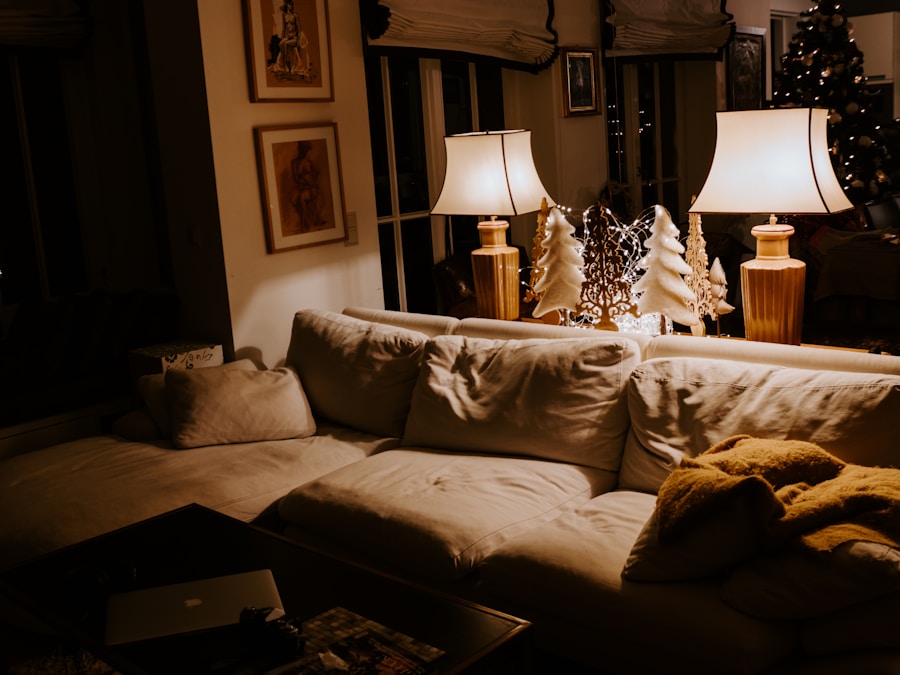
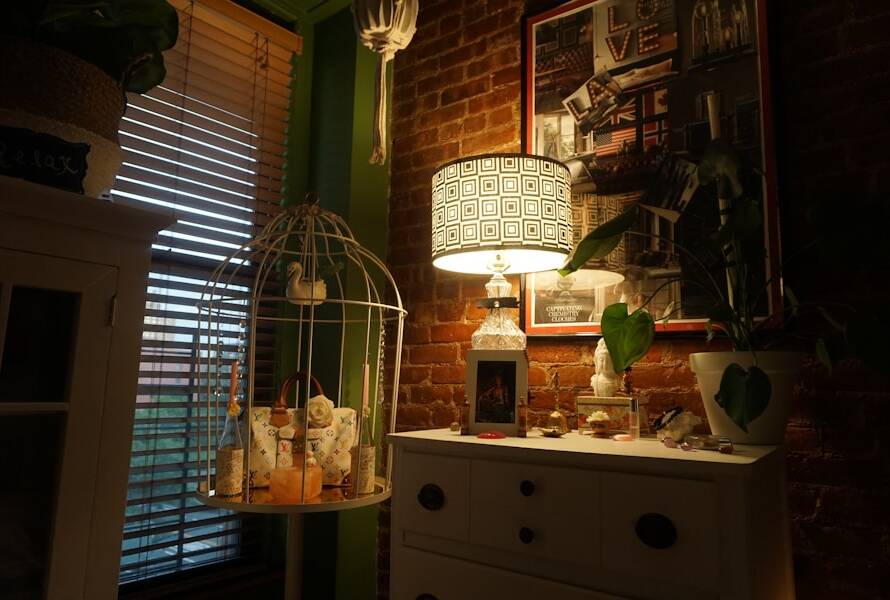
In addition to functional lighting solutions, decorative lighting plays a vital role in creating a warm and inviting atmosphere in your basement. Incorporating various decorative elements such as lamps, lanterns, and string lights can add layers of warmth and personality to the space. Table lamps placed on side tables or shelves provide both task lighting and decorative flair; choose lamps with warm-toned bulbs to maintain consistency in ambiance.
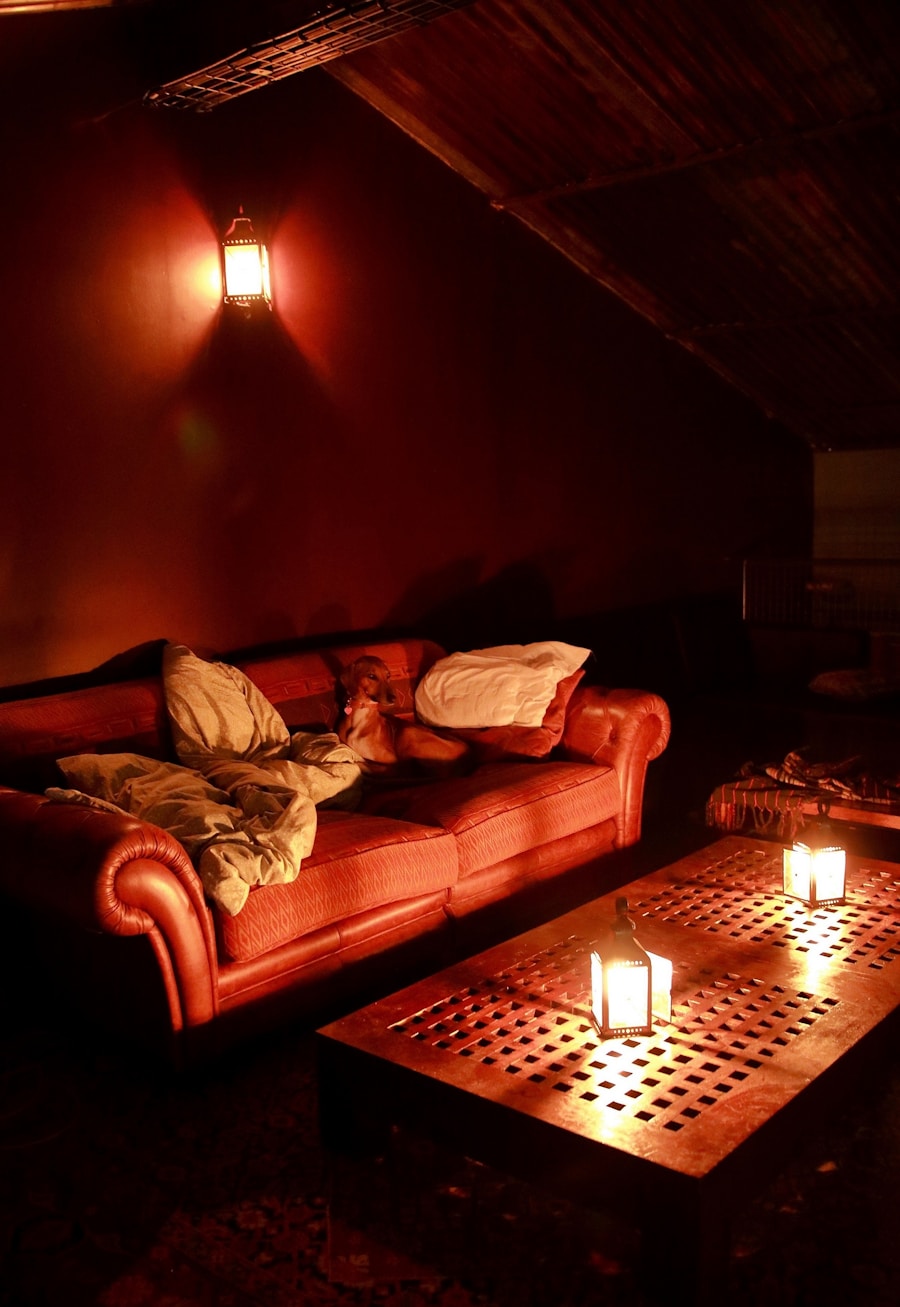
Lanterns can be used both indoors and outdoors to create a cozy vibe; they can be placed on shelves or hung from ceilings for added visual interest. String lights are another popular option for adding charm; they can be draped along walls or ceilings to create a whimsical effect reminiscent of outdoor gatherings.
Enhancing Coziness with Warm Colors: Selecting Paint and Decor to Complement Your Lighting
The colors you choose for your basement walls and decor can significantly impact how your lighting is perceived and how cozy the space feels overall. Warm colors such as soft yellows, earthy browns, and muted reds can enhance the warmth created by your lighting choices. When selecting paint colors, consider how they will interact with both natural and artificial light throughout different times of day.
In addition to wall colors, incorporating warm-toned decor elements such as textiles—think plush rugs, throw pillows, and curtains—can further enhance the cozy atmosphere. Textures also play an important role; soft fabrics can absorb sound and create a more intimate setting. By harmonizing your color palette with your lighting scheme, you can create a cohesive look that invites relaxation and comfort.
Maintaining Safety and Functionality: Ensuring Proper Installation and Adequate Illumination
While aesthetics are important in basement lighting design, safety and functionality should never be overlooked. Proper installation of all electrical components is crucial; this includes ensuring that fixtures are securely mounted and that wiring is up to code. If you’re unsure about any aspect of installation, it’s wise to consult with a licensed electrician who can ensure everything is safe and compliant with local regulations.
Additionally, consider the placement of lights in relation to potential hazards such as stairs or low ceilings. Adequate illumination in these areas is essential for preventing accidents. Using brighter lights in high-traffic zones while maintaining softer lighting in relaxation areas strikes a balance between safety and ambiance.
Regular maintenance checks on all fixtures will also help ensure they remain functional over time; replacing burnt-out bulbs promptly will keep your basement well-lit and inviting for years to come.
If you’re looking to transform your basement from drab to fab, check out this article on transformative remodels for some inspiration. With cutting-edge innovations in hardware technology, you can create a cozy and inviting space for those cozy evenings in your Brooklyn basement. And if you need some design ideas, take a look at this portfolio grid for some waves of inspiration.
FAQs
What are the benefits of adding warm lighting to a basement?
Adding warm lighting to a basement can create a cozy and inviting atmosphere, making the space more comfortable for relaxing and entertaining. It can also help to counteract the typically cool and dim nature of basements, making them feel more welcoming.
What are some popular types of warm lighting for basements?
Popular types of warm lighting for basements include recessed lighting, pendant lights, wall sconces, and floor lamps. These options can provide both ambient and task lighting, allowing for flexibility in creating the desired atmosphere.
How can I choose the right color temperature for warm lighting in my basement?
When choosing the color temperature for warm lighting in a basement, it’s generally recommended to opt for bulbs with a color temperature of around 2700-3000 Kelvin. This range produces a warm, inviting glow that is ideal for creating a cozy atmosphere.
What are some tips for positioning warm lighting in a basement?
When positioning warm lighting in a basement, it’s important to consider the layout of the space and the activities that will take place there. For example, placing floor lamps near seating areas and using recessed lighting to illuminate specific areas can help create a balanced and inviting atmosphere.
Are there any energy-efficient options for adding warm lighting to a basement?
Yes, there are energy-efficient options for adding warm lighting to a basement, such as LED bulbs. LED bulbs are not only long-lasting, but they also consume less energy compared to traditional incandescent bulbs, making them a cost-effective and environmentally friendly choice.