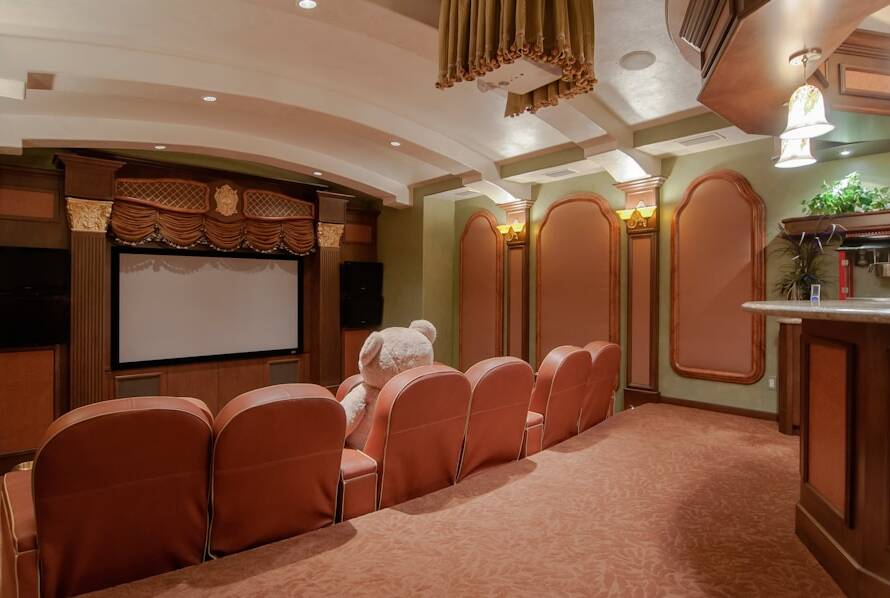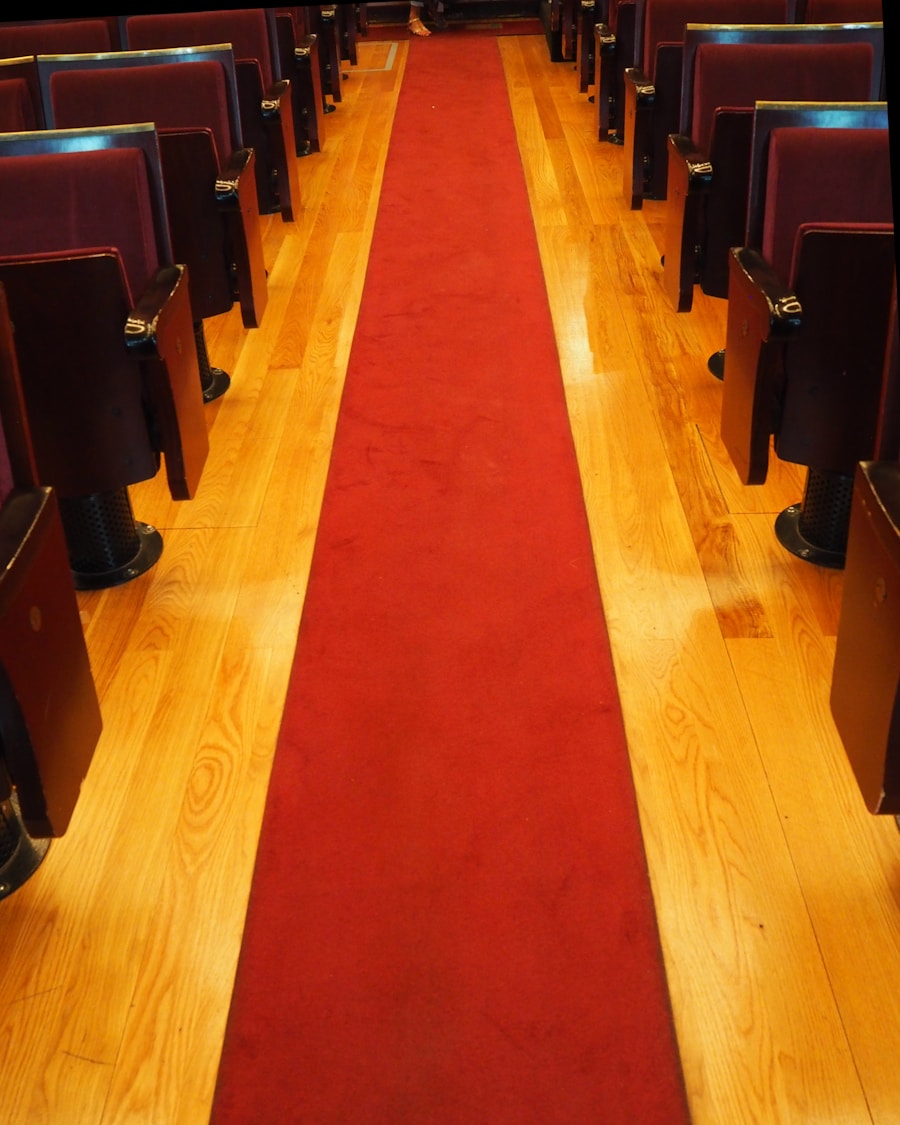
Basements present a unique set of challenges when it comes to flooring. Unlike other areas of a home, basements are often prone to moisture issues due to their location below ground level. This can lead to problems such as mold growth, warping, and deterioration of flooring materials.
The presence of groundwater, especially in regions with high water tables or heavy rainfall, can exacerbate these issues. Homeowners must be vigilant about assessing the moisture levels in their basements before selecting flooring options. A thorough understanding of the basement’s environment is crucial, as it can significantly influence the longevity and performance of the flooring.
The choice of flooring can either enhance or detract from the aesthetic appeal of a basement, making it essential to consider how different materials will interact with the existing elements of the room.
Each function may require different flooring characteristics, adding another layer of complexity to the decision-making process. Therefore, understanding these unique challenges is the first step in selecting the right flooring for a basement.
Key Takeaways
- Basement flooring faces unique challenges such as moisture, lack of natural light, and potential flooding.
- Moisture-resistant options like vinyl, ceramic tile, and epoxy coatings are ideal for basement flooring.
- Soundproofing and acoustic qualities are important for creating a home theater in the basement.
- Durability and longevity should be key factors when evaluating basement flooring materials.
- Choose a style and aesthetic that complements your home theater design and overall basement decor.
- Compare different flooring materials such as carpet, laminate, and engineered hardwood for their pros and cons.
- Budgeting and cost considerations should include not only the initial installation but also long-term maintenance.
- Seek professional advice and consider professional installation options to ensure the best results for your basement flooring.
Considering Moisture-Resistant Options
When it comes to basement flooring, moisture resistance is paramount. Traditional materials like hardwood and carpet are often ill-suited for these environments due to their susceptibility to water damage. Instead, homeowners should consider options specifically designed to withstand moisture.
Vinyl flooring, for instance, has gained popularity in recent years for its water-resistant properties. Available in a variety of styles and colors, vinyl can mimic the appearance of wood or tile while providing a durable surface that resists moisture infiltration. Another excellent choice for moisture-prone areas is tile flooring.
Ceramic and porcelain tiles are inherently resistant to water and can be installed over a waterproof underlayment for added protection. These materials not only resist moisture but also offer a wide range of design possibilities, allowing homeowners to create a stylish and functional space. Additionally, rubber flooring is another viable option that provides excellent moisture resistance while also offering cushioning and sound absorption—ideal for a basement that serves as a home theater or play area.
Exploring Soundproofing and Acoustic Qualities
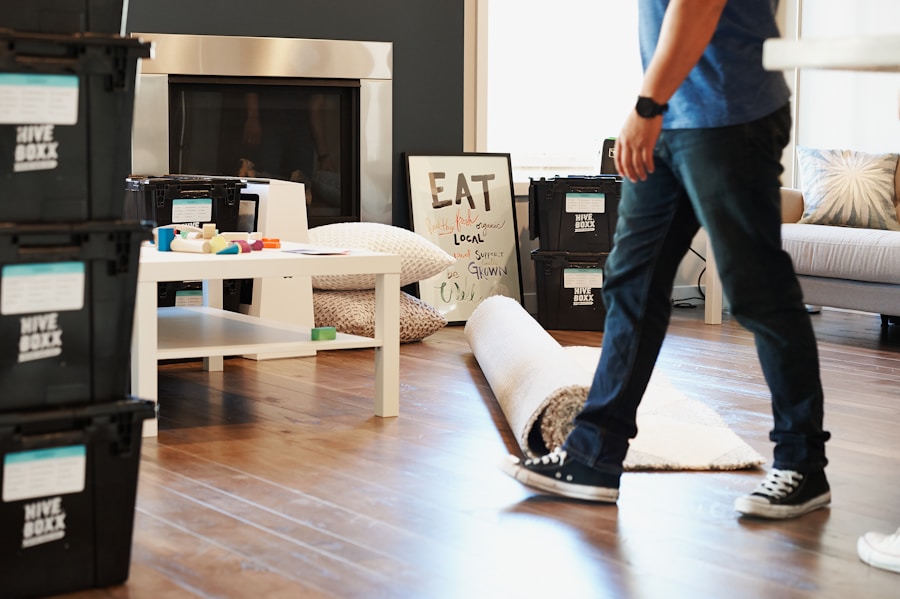
In a basement setting, particularly one designated for entertainment purposes like a home theater, soundproofing becomes an essential consideration. The right flooring can significantly impact the acoustic qualities of the space. Hard surfaces such as tile or laminate can create echoes and amplify sound, which may not be desirable in a home theater environment.
Conversely, softer materials like carpet or rubber flooring can help absorb sound, reducing noise levels and enhancing the overall audio experience. Carpet tiles are particularly effective in this regard; they provide both comfort underfoot and sound-dampening qualities. These tiles can be easily replaced if damaged or stained, making them a practical choice for high-traffic areas.
Additionally, underlayment options designed specifically for soundproofing can be installed beneath hard surface flooring to mitigate noise transmission between floors. This combination of materials and techniques allows homeowners to create an acoustically optimized environment that enhances their viewing experience while minimizing disturbances to other areas of the home.
Evaluating Durability and Longevity
Durability is a critical factor when selecting flooring for a basement. Given the potential for moisture exposure and heavy foot traffic, it is essential to choose materials that can withstand these conditions over time. Vinyl flooring is known for its resilience; it is resistant to scratches, dents, and stains, making it an ideal choice for busy households.
Additionally, many vinyl products come with warranties that guarantee their performance for several years, providing peace of mind for homeowners. Tile flooring also boasts impressive durability. Both ceramic and porcelain tiles are fired at high temperatures, making them resistant to wear and tear.
They are less likely to chip or crack compared to other materials, ensuring that they maintain their appearance even in high-traffic areas. Furthermore, tile is easy to clean and does not harbor allergens or dust mites, making it a practical choice for families with allergies or respiratory issues. When evaluating durability and longevity, it is essential to consider not only the material itself but also the installation method and maintenance requirements that will contribute to the floor’s lifespan.
Choosing a Style and Aesthetic that Complements Your Home Theater
The aesthetic appeal of basement flooring should not be overlooked, especially in spaces designed for entertainment like home theaters. The right flooring can set the tone for the entire room and enhance the overall design scheme. For instance, if a homeowner desires a modern look, sleek vinyl planks that mimic hardwood can create an elegant atmosphere while providing the necessary durability and moisture resistance.
On the other hand, if a more traditional or rustic feel is desired, natural stone tiles or distressed wood-look laminate can add warmth and character to the space. Color choices also play a significant role; darker shades can create a cozy ambiance while lighter tones can make the space feel larger and more open. Additionally, incorporating area rugs can add texture and comfort while also contributing to sound absorption—an important consideration in a home theater setting.
Comparing Different Flooring Materials and Their Pros and Cons
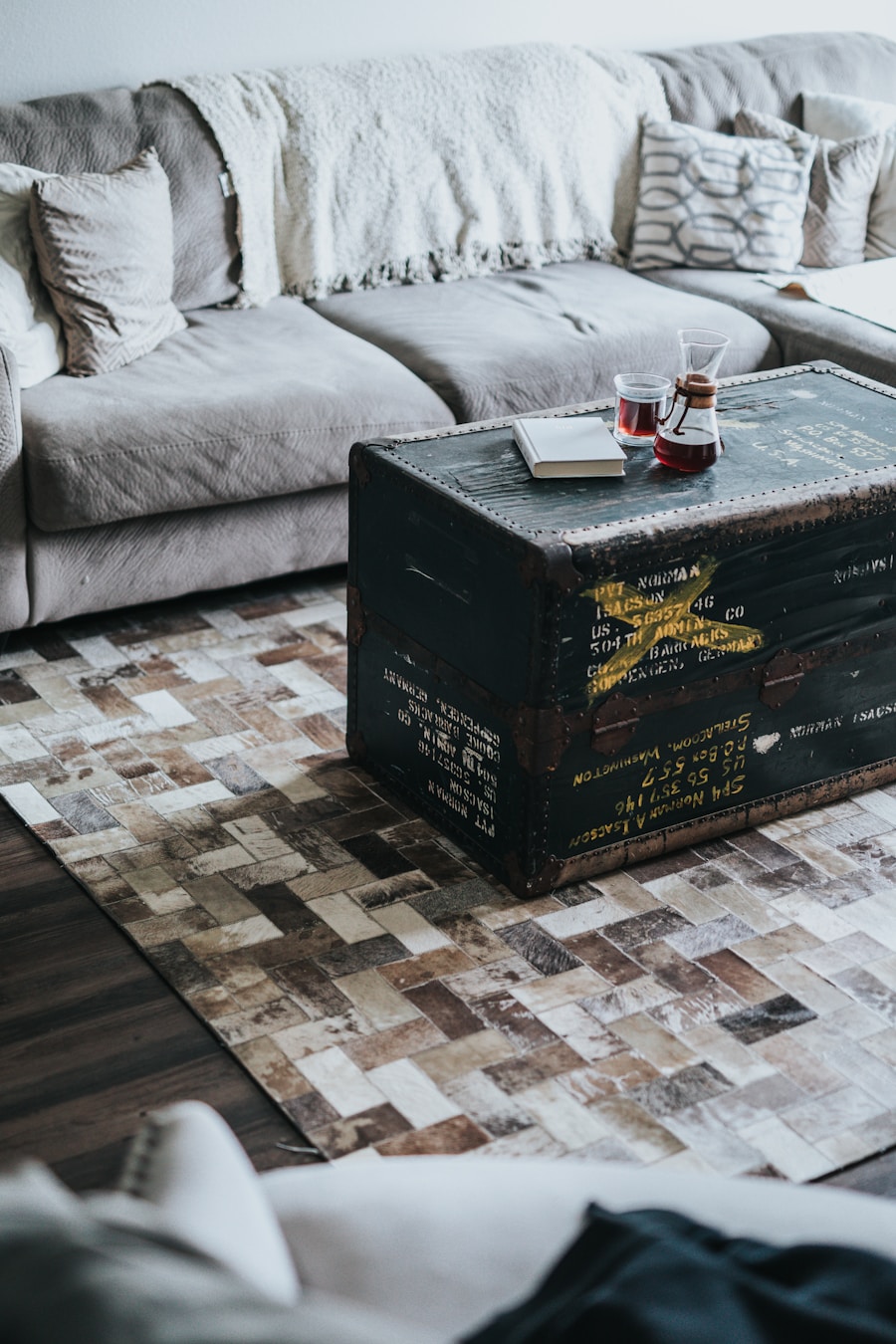
Vinyl Flooring: A Budget-Friendly Option
Vinyl flooring stands out for its affordability and versatility; it is available in numerous styles and colors while being resistant to moisture and easy to maintain. However, some may find that vinyl lacks the authentic feel of natural materials.
Tile Flooring: Durable but Challenging to Install
Tile flooring offers exceptional durability and moisture resistance but can be cold underfoot without proper heating solutions. It also requires careful installation to prevent cracking or chipping over time.
Weighing the Options: Carpet, Laminate, and More
Carpet provides warmth and comfort but may not be suitable for all basement environments due to its susceptibility to mold if exposed to excessive moisture. Laminate flooring is another popular option; it mimics the look of hardwood while being more affordable and easier to install. However, laminate is less resistant to water damage than vinyl or tile, making it less ideal for basements with high humidity levels. Each material has its unique advantages and disadvantages, making it crucial for homeowners to assess their specific needs before making a decision.
Budgeting and Cost Considerations
Budgeting for basement flooring involves more than just the initial cost of materials; it also includes installation expenses and potential long-term maintenance costs. Vinyl flooring tends to be one of the most budget-friendly options available, with prices varying based on quality and design features. Homeowners should also factor in any necessary underlayment or moisture barriers that may be required for optimal performance.
Tile flooring generally has a higher upfront cost due to both material expenses and installation complexity; professional installation is often recommended to ensure proper sealing and alignment. While carpet may seem like an economical choice initially, ongoing maintenance costs such as cleaning and potential replacement due to water damage should be considered as well. It’s essential for homeowners to establish a clear budget before embarking on their flooring project.
This budget should account for all aspects of the installation process—from purchasing materials to hiring professionals—ensuring that there are no unexpected financial surprises along the way.
Seeking Professional Advice and Installation Options
Navigating the complexities of basement flooring can be daunting; therefore, seeking professional advice is often beneficial. Flooring specialists can provide valuable insights into which materials are best suited for specific conditions within a basement environment. They can also assist in assessing moisture levels and recommending appropriate solutions tailored to individual needs.
Professional installation is another critical consideration; while some homeowners may opt for DIY projects to save money, improper installation can lead to significant issues down the line—especially in moisture-prone areas like basements. Hiring experienced installers ensures that flooring is laid correctly, minimizing risks associated with water damage or uneven surfaces. In conclusion, investing time in research and professional consultation can lead to informed decisions regarding basement flooring options that meet both functional requirements and aesthetic preferences.
By understanding the unique challenges posed by basements and considering factors such as moisture resistance, soundproofing qualities, durability, style choices, budgeting considerations, and professional guidance, homeowners can create a beautiful and functional space that enhances their living experience.
If you are considering transforming your basement into a home theater in Brooklyn, you may also be interested in reading about custom home builds tailored to architectural solutions. This article from basementremodelingesg.com discusses how to create a space that is not only functional but also aesthetically pleasing. By incorporating unique architectural elements into your basement renovation, you can truly make your home theater stand out.
FAQs
What are the important factors to consider when choosing flooring for a basement home theater in Brooklyn?
When choosing flooring for a basement home theater in Brooklyn, it’s important to consider factors such as moisture resistance, sound insulation, durability, and aesthetics. Since basements are prone to moisture, it’s crucial to choose flooring that can withstand potential water damage. Additionally, sound insulation is important for creating an optimal home theater experience, and durability is essential for withstanding heavy foot traffic.
What are some moisture-resistant flooring options suitable for a Brooklyn basement home theater?
Some moisture-resistant flooring options suitable for a Brooklyn basement home theater include luxury vinyl planks, ceramic or porcelain tile, and concrete. These materials are less susceptible to water damage and can withstand the humid conditions often found in basements.
How can I ensure good sound insulation in my basement home theater flooring?
To ensure good sound insulation in your basement home theater flooring, consider options such as carpet with thick padding, cork flooring, or rubber flooring. These materials can help absorb sound and reduce echoing, creating a more immersive and enjoyable movie-watching experience.
What are the best flooring options for durability in a Brooklyn basement home theater?
The best flooring options for durability in a Brooklyn basement home theater include ceramic or porcelain tile, luxury vinyl planks, and engineered hardwood. These materials are resistant to wear and tear, making them ideal for withstanding heavy foot traffic in a home theater setting.
What flooring options are popular for creating a stylish look in a Brooklyn basement home theater?
Popular flooring options for creating a stylish look in a Brooklyn basement home theater include hardwood, luxury vinyl planks, and carpet tiles. These materials offer a range of design options, allowing homeowners to achieve a stylish and inviting atmosphere in their home theater space.