Creating the perfect viewing environment is essential for an immersive cinematic experience, whether it’s for a home theater or a dedicated screening room. The first step in this process is to select an appropriate space that can be easily controlled for light and sound. Ideally, this space should be isolated from external noise and distractions, allowing viewers to fully engage with the film.
A basement or a room with minimal windows can serve as an excellent choice, as these areas typically have fewer interruptions from outside light and sound. If natural light is unavoidable, blackout curtains or shades can be installed to ensure that the room remains dark during screenings. In addition to controlling light, the layout of the room plays a crucial role in creating an optimal viewing environment.
The screen should be positioned at eye level when seated, and the distance from the seating area to the screen should be carefully calculated based on the size of the display. For instance, a large projector screen may require viewers to sit further back than a smaller television. The arrangement of seating should also consider sightlines; every seat in the room should provide an unobstructed view of the screen.
This can be achieved by tiering the seating or using risers, which elevate the back rows and ensure that everyone has a clear line of sight.
Key Takeaways
- Creating the perfect viewing environment is essential for a home theater experience.
- Choosing the right audio and video equipment is crucial for high-quality sound and picture.
- Comfortable seating is important for long movie nights and enjoyable viewing experiences.
- Adding authentic decor and design elements can enhance the overall ambiance of the space.
- Enhancing the sound and acoustics can make a significant difference in the audio quality of the home theater.
Choosing the Right Audio and Video Equipment
Selecting the right audio and video equipment is paramount in achieving a high-quality viewing experience. The choice of display technology—whether it be a high-definition television, a 4K OLED screen, or a projection system—will significantly impact the visual quality. For instance, OLED screens are known for their deep blacks and vibrant colors, making them ideal for movie watching.
On the other hand, projection systems can create a larger-than-life experience, especially when paired with a high-quality screen that enhances image clarity and brightness.
A surround sound system can transport viewers into the heart of the action, making them feel as if they are part of the film.
Systems that include multiple speakers strategically placed around the room can create a three-dimensional soundscape that enhances dialogue clarity and sound effects. Brands like Dolby Atmos offer advanced sound technology that allows sound to move freely around the listener, adding depth to the auditory experience. Additionally, investing in a quality receiver that can handle various audio formats will ensure compatibility with different media sources, enhancing versatility.
Incorporating Comfortable Seating

Comfortable seating is a critical component of any viewing environment, as it directly affects how long viewers can enjoy their cinematic experience without discomfort. Reclining chairs or sofas designed specifically for home theaters can provide both comfort and support during long movie marathons. These seats often come equipped with features such as built-in cup holders, adjustable headrests, and even massage functions, allowing viewers to relax fully while enjoying their favorite films.
The arrangement of seating should also promote social interaction while maintaining comfort. A staggered layout can help ensure that everyone has a good view of the screen while allowing for easy movement throughout the space. Additionally, incorporating various seating options—such as loveseats, bean bags, or even floor cushions—can cater to different preferences and create a more inviting atmosphere.
This variety not only enhances comfort but also encourages guests to feel at home in the space.
Adding Authentic Decor and Design Elements
The aesthetic appeal of a viewing environment can significantly enhance the overall experience. Authentic decor and design elements can transform a simple room into a themed cinema that reflects personal tastes and interests. For example, vintage movie posters framed on the walls can evoke nostalgia and set the tone for movie nights.
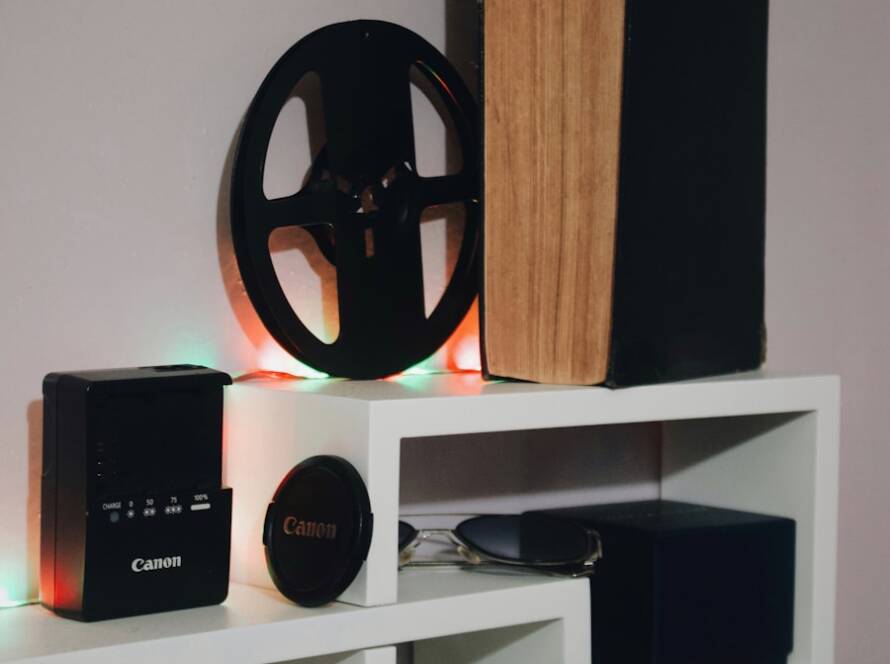
Incorporating elements like film reels, director’s chairs, or even a popcorn machine can add character and charm to the space.
Darker colors on walls and ceilings can help absorb light and reduce glare on screens, while also providing a cozy ambiance.
Accent lighting can highlight specific decor elements without overwhelming the overall design. Additionally, incorporating textures through materials such as plush carpets or velvet curtains can enhance both comfort and visual appeal, making the space feel more luxurious.
Enhancing the Sound and Acoustics
To achieve an exceptional audio experience, enhancing sound quality and acoustics is crucial. The materials used in the room can significantly affect how sound travels and resonates within the space. Soft furnishings like carpets, curtains, and upholstered furniture can help absorb sound waves, reducing echoes and creating a more balanced audio environment.
Acoustic panels strategically placed on walls can further improve sound quality by minimizing reflections and enhancing clarity. In addition to physical modifications, careful consideration of speaker placement is vital for optimal sound distribution. Front speakers should be positioned at ear level when seated, while surround speakers should be placed slightly above ear level to create an enveloping sound experience.
Subwoofers should be positioned in corners or along walls to maximize bass response without overwhelming other audio elements. By fine-tuning these aspects, viewers can enjoy a rich auditory experience that complements the visual spectacle on screen.
Installing Atmospheric Lighting

Atmospheric lighting is an often-overlooked aspect of creating an engaging viewing environment. Proper lighting not only enhances visibility but also sets the mood for movie nights. Dimmable LED lights are an excellent choice for home theaters, allowing users to adjust brightness levels according to their preferences.
Installing wall sconces or recessed lighting can provide ambient light without distracting from the screen. Incorporating smart lighting systems can elevate the experience even further by allowing users to control lighting through their smartphones or voice commands. For instance, programmable scenes can be created for different activities—such as watching movies, playing video games, or hosting parties—ensuring that lighting complements each occasion perfectly.
Additionally, using colored LED strips behind screens or along shelves can create a dynamic visual effect that enhances immersion during screenings.
Managing the Space and Layout
Effective space management is essential for maximizing both functionality and comfort in a viewing environment. The layout should facilitate easy movement while ensuring that all seating areas have unobstructed views of the screen. This may involve careful planning of furniture placement and considering pathways for guests to navigate without disrupting others’ viewing experiences.
Storage solutions are also important in managing space effectively. Built-in cabinets or shelves can house media collections, gaming consoles, and other equipment while keeping clutter at bay. This not only maintains a clean aesthetic but also ensures that everything needed for an enjoyable viewing experience is easily accessible.
Additionally, considering multi-functional furniture—such as ottomans with storage capabilities—can help optimize space without sacrificing style or comfort.
Incorporating Concession Stand and Snack Area
No cinematic experience is complete without snacks, making it essential to incorporate a concession stand or snack area into your viewing environment. This dedicated space can range from a simple cart stocked with popcorn and candy to a fully equipped bar area featuring a mini-fridge for beverages and storage for various snacks. The key is to create an inviting setup that encourages guests to indulge in their favorite treats while enjoying films.
Designing this area with convenience in mind is crucial; it should be easily accessible from seating areas without disrupting the flow of the movie-watching experience. Consider including a popcorn machine for that authentic theater feel or installing shelves for displaying snacks attractively. Additionally, providing various options—such as healthy snacks alongside traditional movie fare—can cater to diverse preferences and dietary needs, ensuring that everyone feels included in the experience.
By thoughtfully considering each aspect of your viewing environment—from acoustics to decor—you can create a space that not only enhances your cinematic experiences but also becomes a cherished gathering place for family and friends alike.
If you’re looking to transform your basement into a home theater, you may also be interested in exploring the services offered by Basement Remodeling ESG. Their website https://basementremodelingesg.com/our-services/ showcases their expertise in creating innovative home changes, such as smart makeovers that can elevate your space to the next level. With their typography expertise, they can help you design a basement home theater that feels like a true cinema experience.
FAQs
What are the key elements to consider when creating a basement home theater?
When creating a basement home theater, it’s important to consider factors such as lighting, soundproofing, seating, and audio-visual equipment. These elements can help to create an immersive cinema-like experience.
How can I improve the sound quality in my basement home theater?
To improve sound quality in a basement home theater, consider using acoustic panels or soundproofing materials to reduce echoes and outside noise. Additionally, investing in high-quality speakers and a subwoofer can enhance the overall audio experience.
What lighting options are best for a basement home theater?
For a cinema-like experience, it’s best to use dimmable or adjustable lighting in a basement home theater. This allows for control over the level of brightness and creates a more immersive viewing environment.
What type of seating is ideal for a basement home theater?
When choosing seating for a basement home theater, consider comfortable and reclining chairs or a large sectional sofa. This will provide ample seating for guests and ensure a cozy and enjoyable viewing experience.
How can I optimize the visual experience in my basement home theater?
To optimize the visual experience in a basement home theater, invest in a high-quality projector or large-screen TV. Additionally, consider using blackout curtains or shades to eliminate any outside light that may affect the viewing quality.