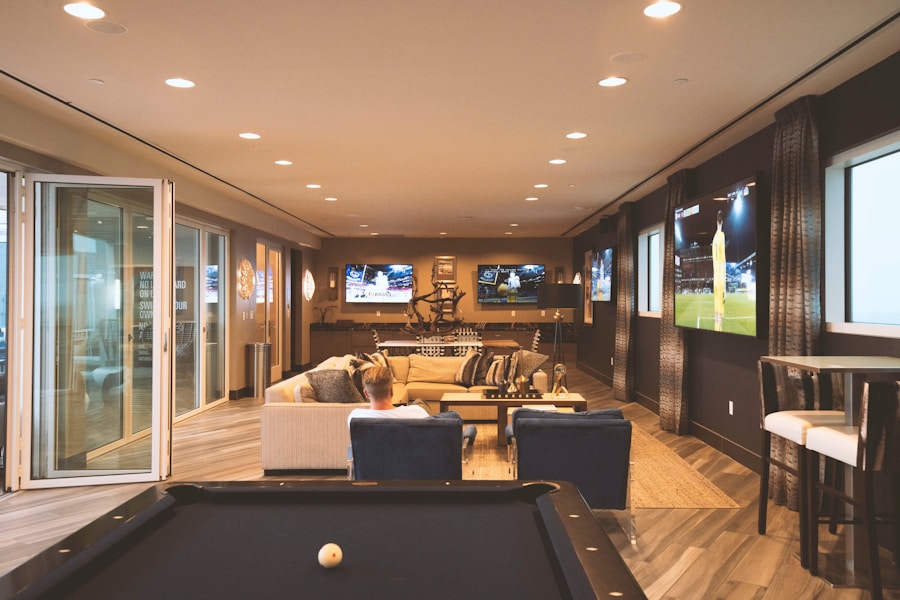
Creating a game room is an exciting venture that requires careful planning and thoughtful design. The first step in this process is to determine the purpose of the space. Will it be primarily for video gaming, board games, or a combination of both?
Understanding the primary activities that will take place in the room will guide your decisions on layout, furniture, and decor. For instance, if video gaming is the main focus, you might prioritize comfortable seating and a large screen, while a board game-centric room may require a spacious table and ample seating for players. Once you have a clear vision of the room’s purpose, consider the available space.
Measure the dimensions of the room to understand how much area you have to work with. This will help you create a floor plan that maximizes the use of space while ensuring comfort and accessibility. You might want to sketch out different layouts, experimenting with various arrangements of furniture and gaming equipment.
Additionally, think about the flow of movement within the room; ensuring that players can easily navigate between different areas without feeling cramped is essential for an enjoyable gaming experience.
Key Takeaways
- Plan and design your game room with the activities and games you want to include in mind, ensuring there is enough space for each element.
- Consider waterproofing and insulation to protect your game room from potential water damage and to regulate temperature for comfort.
- When considering electrical and lighting options, prioritize adjustable lighting for different gaming moods and ensure there are enough outlets for all your gaming equipment.
- Choose durable and easy-to-clean flooring options such as hardwood, laminate, or vinyl for your game room to withstand heavy foot traffic and potential spills.
- Opt for wall finishes that are easy to clean and maintain, such as washable paint or wallpaper, to keep your game room looking fresh and vibrant.
Waterproofing and Insulation
Waterproofing and insulation are critical components of any game room, especially if it is located in a basement or an area prone to moisture. The first step in waterproofing is to assess the existing conditions of the space. Look for signs of water damage, such as stains on walls or ceilings, and check for any leaks around windows or doors.
If you identify any issues, it’s essential to address them before proceeding with your design plans. This may involve sealing cracks in walls, applying waterproof coatings, or installing drainage systems to redirect water away from the foundation. Insulation plays a vital role in maintaining a comfortable temperature within your game room.
Proper insulation not only helps regulate heat during colder months but also keeps the space cool during summer. Consider using foam board insulation or spray foam insulation for walls and ceilings, as these materials provide excellent thermal resistance. Additionally, insulating your floors can help reduce noise transmission between levels of your home, creating a more immersive gaming environment.
By investing in waterproofing and insulation, you ensure that your game room remains a comfortable and enjoyable space year-round.
Electrical and Lighting Considerations
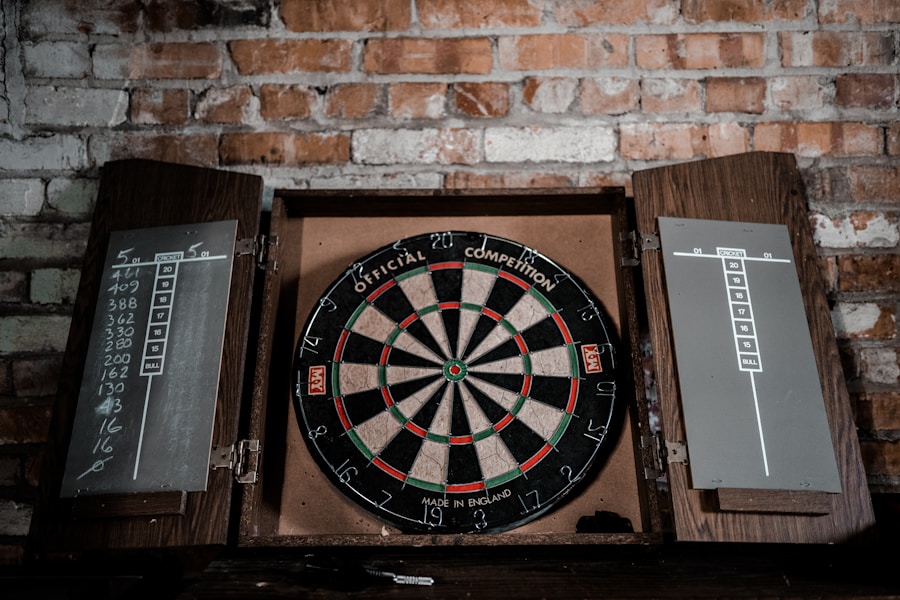
When designing a game room, electrical and lighting considerations are paramount. A well-planned electrical layout will accommodate all your gaming equipment while ensuring safety and functionality. Start by determining the number of outlets you will need based on your devices—this includes gaming consoles, PCs, monitors, sound systems, and charging stations for controllers.
It’s advisable to install more outlets than you think you’ll need to avoid overloading circuits and to provide flexibility for future additions. Lighting is another crucial aspect that can significantly enhance the gaming experience. A combination of ambient, task, and accent lighting can create an inviting atmosphere while ensuring that players can see their screens clearly without straining their eyes.
Consider installing dimmable LED lights to adjust brightness levels according to different activities—bright light for intense gaming sessions and softer light for casual board games or movie nights.
Flooring Options for a Game Room
Choosing the right flooring for your game room is essential for both aesthetics and functionality. The flooring should be durable enough to withstand heavy foot traffic while also providing comfort during long gaming sessions. One popular option is carpet, which offers warmth and sound absorption—ideal for creating a cozy atmosphere.
However, it’s important to select a carpet that is stain-resistant and easy to clean, especially if snacks and drinks are likely to be present during gaming marathons. Another excellent choice is vinyl flooring, which comes in a variety of styles and colors while being highly resistant to moisture and wear. Vinyl planks can mimic the look of hardwood or tile without the associated maintenance issues.
For those who prefer a more modern aesthetic, polished concrete can provide an industrial look that is both stylish and easy to maintain. Regardless of your choice, ensure that the flooring complements the overall design theme of your game room while providing comfort and durability.
Choosing the Right Wall Finishes
The wall finishes in your game room can significantly influence its overall ambiance and style. Paint is one of the most straightforward options; however, selecting the right color can set the tone for the entire space. Darker colors like navy blue or charcoal gray can create a cozy, immersive environment perfect for gaming, while lighter shades can make the room feel more spacious and airy.
Consider using paint with a satin or semi-gloss finish for easy cleaning and durability. In addition to paint, wall coverings such as wallpaper or decals can add personality to your game room. There are countless designs available that cater to various themes—from retro video game graphics to sleek modern patterns.
If you want to create an accent wall, consider using removable wallpaper or wall decals that can be easily changed as your tastes evolve. Furthermore, incorporating shelving or display cases on the walls allows you to showcase collectibles or gaming memorabilia, adding character and personal touch to your space.
Furnishing and Decorating Your Game Room
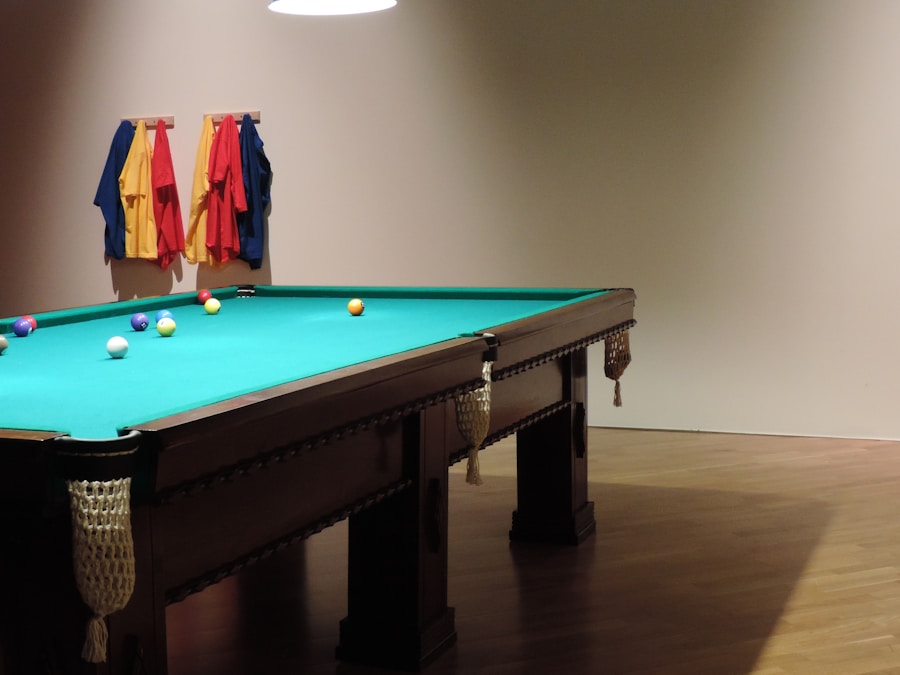
Furnishing your game room involves selecting pieces that not only fit your style but also enhance comfort and functionality. Start with seating options; comfortable chairs or couches are essential for long gaming sessions. Look for ergonomic designs that provide support while allowing players to relax.
Bean bags or gaming chairs with built-in speakers can also add a fun element to the space while catering specifically to gamers’ needs. When it comes to decorating, consider incorporating elements that reflect your personal interests in gaming culture. Posters of favorite games or framed artwork can serve as focal points on the walls.
Additionally, themed decor items—such as figurines or collectibles—can be displayed on shelves or tables to create an immersive environment. Lighting fixtures like neon signs or LED strips can further enhance the atmosphere by adding vibrant colors that resonate with gaming aesthetics.
Soundproofing for a Better Gaming Experience
Soundproofing is often an overlooked aspect of designing a game room but is crucial for creating an optimal gaming experience. Excessive noise can be distracting not only for players but also for others in the home. To minimize sound transmission, consider using acoustic panels on walls or ceilings; these panels absorb sound waves and reduce echo within the room.
They come in various designs and colors, allowing you to integrate them seamlessly into your decor. In addition to acoustic panels, sealing gaps around windows and doors can prevent outside noise from intruding into your game room. Weather stripping or door sweeps can be effective solutions for this purpose.
If your game room is located above another living space, adding carpets or rugs can help dampen sound transmission through floors as well. By implementing these soundproofing measures, you create an environment conducive to focused gameplay without disturbances from external noise.
Creating a Functional and Organized Storage Space
A well-organized storage space is essential in any game room to keep it tidy and functional. Start by assessing what items need storage—this may include games, consoles, controllers, accessories, and even snacks or drinks for players. Consider investing in multi-functional furniture such as ottomans with hidden storage or coffee tables with shelves underneath; these pieces can help maximize space while keeping items easily accessible.
Incorporating shelving units or cabinets can also provide designated areas for storing games and equipment neatly. Labeling boxes or bins can further enhance organization by making it easy to find specific items when needed.
By prioritizing organization in your game room design, you create a welcoming environment that encourages enjoyment and relaxation during gaming sessions.
If you’re considering transforming your basement into a game room, you may also want to read about the benefits of hiring a professional for the job. Check out this article to learn more about the advantages of professional basement remodeling services. Professional contractors can help ensure that your basement is transformed into the perfect space for your game room needs.
FAQs
What are the benefits of finishing a basement for a game room?
Finishing a basement for a game room can provide additional living space, increase the value of your home, and create a fun and entertaining area for family and friends to enjoy.
What are the steps involved in finishing a basement for a game room?
The steps involved in finishing a basement for a game room typically include planning and design, obtaining necessary permits, framing and insulating the walls, installing electrical and plumbing systems, drywalling, flooring, and finishing touches such as painting and decorating.
What are some important considerations when finishing a basement for a game room?
Important considerations when finishing a basement for a game room include addressing any moisture or water issues, ensuring proper insulation and ventilation, complying with building codes and regulations, and choosing durable and low-maintenance materials for the space.
What are some popular features to include in a game room basement?
Popular features to include in a game room basement may include a home theater system, a wet bar or mini kitchen, comfortable seating and furniture, game tables such as pool or foosball, and adequate lighting for a fun and inviting atmosphere.
How can I ensure the safety of a finished basement game room?
To ensure the safety of a finished basement game room, it’s important to install smoke detectors and carbon monoxide detectors, provide proper egress in case of emergency, use non-slip flooring, secure heavy furniture and equipment, and follow electrical and fire safety guidelines.