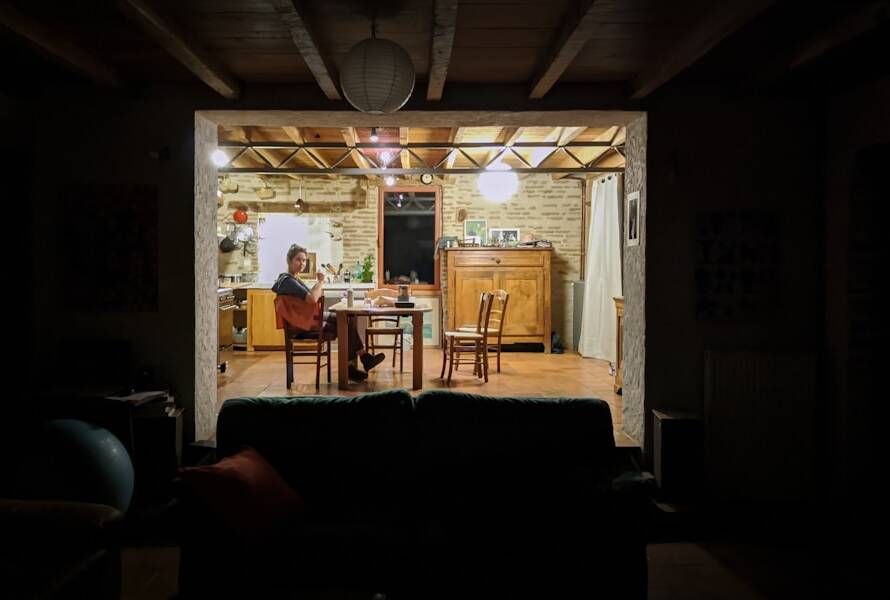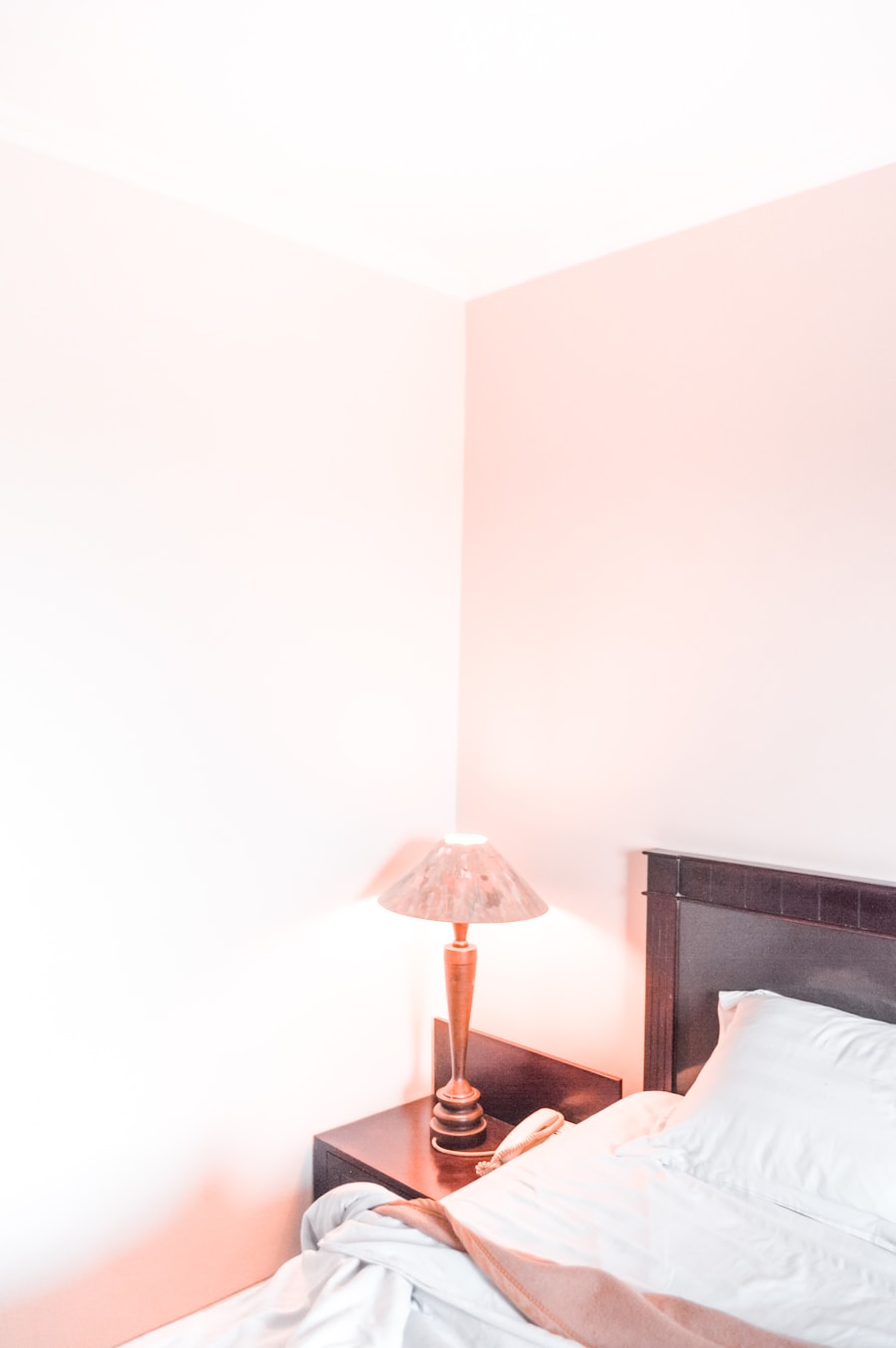
Natural light plays a pivotal role in the overall ambiance and functionality of a space. When assessing natural light, one must consider the orientation of windows, the size of openings, and the surrounding environment. For instance, a room with south-facing windows typically receives abundant sunlight throughout the day, making it an ideal location for activities that benefit from bright illumination, such as reading or working.
Conversely, north-facing windows may provide softer, diffused light, which can create a serene atmosphere but may not be sufficient for tasks requiring more brightness. Additionally, the presence of trees, buildings, or other obstructions can significantly impact the amount of natural light that enters a room. For example, a home nestled among tall trees may experience reduced sunlight during certain times of the year, particularly in winter when the sun is lower in the sky.
To maximize natural light, homeowners can consider strategies such as trimming overgrown foliage or using reflective surfaces like mirrors to bounce light around the room. Understanding these dynamics is crucial for creating a well-lit environment that harmonizes with both natural and artificial lighting.
Key Takeaways
- Assess the natural light in the room to determine how much additional lighting is needed
- Consider the ceiling height when choosing light fixtures to ensure they fit the space appropriately
- Choose the right light fixtures that complement the room’s style and provide adequate illumination
- Select the right bulbs based on the desired brightness, color temperature, and energy efficiency
- Incorporate task lighting in areas where specific activities such as reading or cooking take place
- Create ambient lighting to establish a warm and inviting atmosphere in the room
- Add accent lighting to highlight architectural features, artwork, or other focal points in the room
- Incorporate dimmer switches to have control over the brightness and mood of the lighting in the room
Consider the Ceiling Height
Ceiling height is another critical factor that influences lighting design. Rooms with higher ceilings can accommodate larger fixtures and more dramatic lighting designs, allowing for a greater sense of space and grandeur. For instance, a chandelier can serve as a stunning focal point in a room with vaulted ceilings, drawing the eye upward and enhancing the overall aesthetic.
In contrast, lower ceilings may require more streamlined fixtures to avoid overwhelming the space and creating a feeling of confinement. Moreover, ceiling height affects how light is distributed throughout a room. In spaces with high ceilings, light fixtures should be positioned strategically to ensure that light reaches all areas effectively.
This might involve using multiple light sources at varying heights or incorporating wall sconces to illuminate vertical surfaces. Conversely, in rooms with lower ceilings, flush-mount fixtures or recessed lighting can provide adequate illumination without encroaching on the perceived space. Understanding the relationship between ceiling height and lighting choices is essential for achieving a balanced and inviting atmosphere.
Choose the Right Light Fixtures
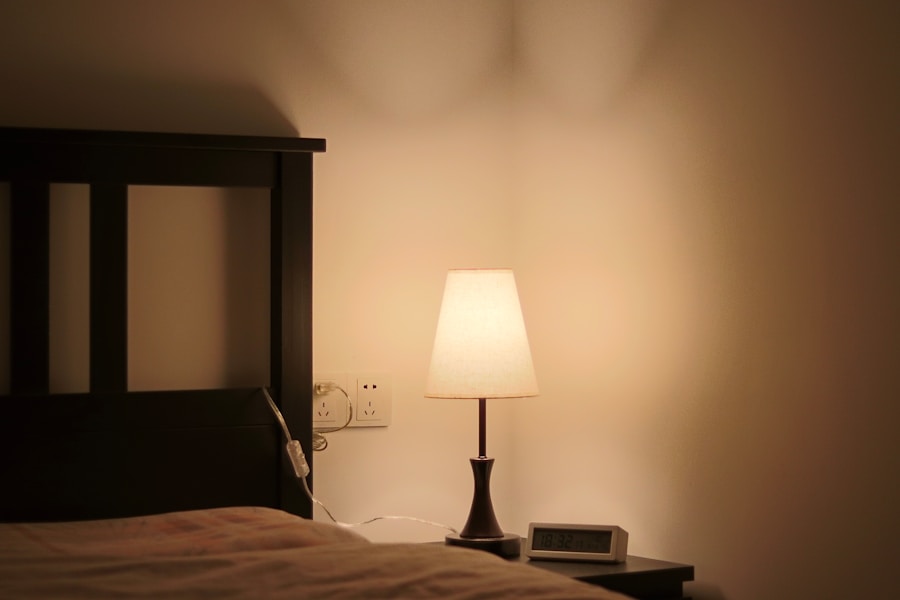
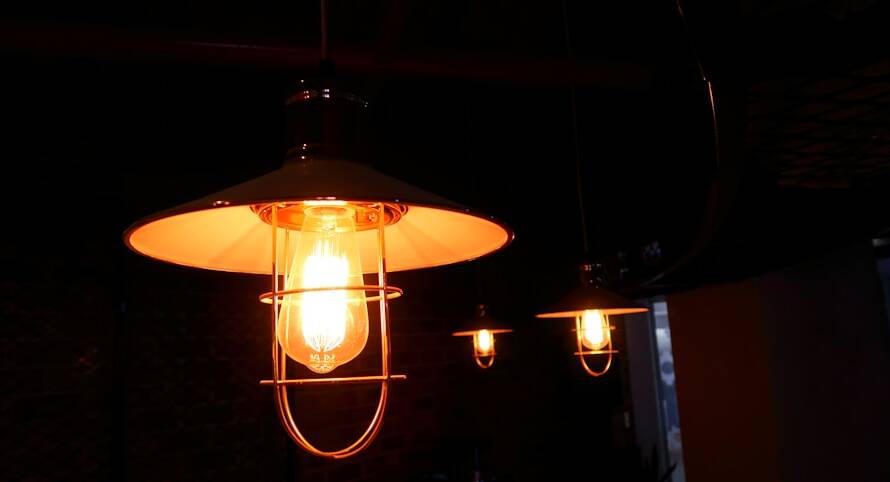
Selecting appropriate light fixtures is fundamental to achieving an effective lighting scheme. The style and design of fixtures should complement the overall decor while also serving practical purposes.
In contrast, traditional sconces may enhance the charm of a living room or hallway, offering both style and functionality. When choosing fixtures, it is also important to consider their placement and how they interact with other elements in the room. A well-placed floor lamp can create a cozy reading nook, while strategically positioned recessed lights can highlight architectural features or artwork.
Additionally, layering different types of fixtures—such as combining overhead lights with table lamps—can create depth and dimension in a space. This approach not only enhances visual interest but also allows for greater flexibility in adjusting the lighting to suit various activities and moods.
Select the Right Bulbs
The choice of light bulbs is crucial in determining the quality and character of illumination in any space. Different types of bulbs—incandescent, LED, fluorescent—offer varying levels of brightness, color temperature, and energy efficiency. For instance, incandescent bulbs emit a warm glow that creates a cozy atmosphere, making them ideal for living rooms and bedrooms.
However, they are less energy-efficient compared to LED bulbs, which have become increasingly popular due to their longevity and versatility. Color temperature is another important consideration when selecting bulbs. Measured in Kelvin (K), this metric indicates whether a bulb emits warm or cool light.
Warm white bulbs (around 2700K) are often preferred for residential settings as they create an inviting ambiance, while cooler white bulbs (above 4000K) are better suited for task-oriented spaces like kitchens or offices where clarity and focus are paramount. Additionally, dimmable LED bulbs offer flexibility in adjusting brightness levels to suit different activities or moods, making them an excellent choice for versatile spaces.
Incorporate Task Lighting
Task lighting is essential for areas where specific activities require focused illumination. This type of lighting is designed to enhance visibility for tasks such as reading, cooking, or working on crafts. For example, under-cabinet lighting in kitchens provides direct light on countertops, making food preparation safer and more efficient.
Incorporating task lighting involves understanding the specific needs of each area within a home or workspace. In a home office, for instance, a combination of overhead lighting and dedicated task lamps can create an effective environment for productivity.
Adjustable fixtures allow users to customize their lighting based on their preferences and tasks at hand. Furthermore, layering task lighting with ambient and accent lighting can create a well-rounded illumination scheme that enhances both functionality and aesthetics.
Create Ambient Lighting
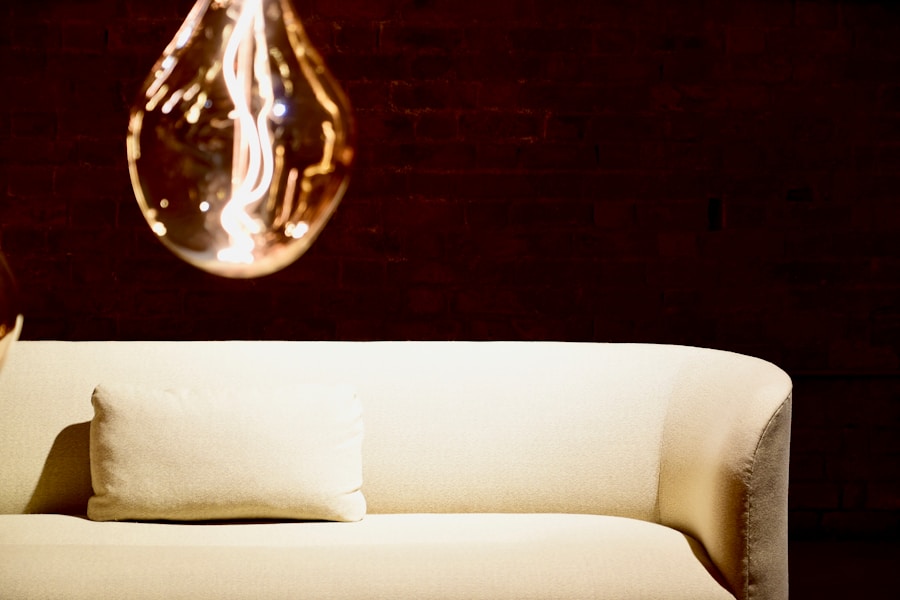
Common Sources of Ambient Lighting
Common sources of ambient lighting include ceiling-mounted fixtures, chandeliers, and wall-mounted sconces that distribute light evenly throughout the room.
Achieving Optimal Ambient Lighting
To achieve optimal ambient lighting, it’s essential to consider the size and layout of the space. In larger rooms, multiple light sources may be necessary to ensure even distribution of light. For instance, using a combination of recessed lights and floor lamps can help eliminate dark corners and create a welcoming atmosphere.
Dimming for Comfort and Versatility
Additionally, dimmable ambient lights allow homeowners to adjust brightness levels according to different times of day or activities, enhancing comfort and versatility within the space.
Add Accent Lighting
Accent lighting serves to highlight specific features within a room, such as artwork, architectural details, or decorative elements. This type of lighting adds depth and visual interest by creating focal points that draw attention to particular areas or objects. For example, track lighting can be used to illuminate paintings or sculptures on display, while wall washers can highlight textured surfaces or unique architectural features.
When incorporating accent lighting into a design scheme, it’s essential to consider both placement and intensity. The goal is to create contrast between illuminated areas and surrounding spaces without overwhelming the viewer with excessive brightness. A well-placed spotlight can enhance the beauty of a piece of art while maintaining an overall balance within the room’s lighting design.
Additionally, using dimmers on accent lights allows for greater control over how much emphasis is placed on specific features at any given time.
Incorporate Dimmer Switches
Dimmer switches are an invaluable addition to any lighting design as they provide flexibility in controlling brightness levels throughout a space. By allowing users to adjust the intensity of light according to their needs or preferences, dimmers enhance both functionality and ambiance. For instance, in dining areas, dimming lights during meals can create an intimate atmosphere conducive to conversation and relaxation.
Moreover, dimmer switches can contribute to energy efficiency by reducing power consumption when full brightness is unnecessary. This not only extends the lifespan of bulbs but also lowers electricity bills over time. In addition to traditional incandescent dimmers, modern technology has introduced smart dimmer switches that can be controlled via smartphone apps or voice commands, offering even greater convenience and customization options for homeowners looking to optimize their lighting experience.
In conclusion, effective lighting design requires careful consideration of various factors including natural light assessment, ceiling height evaluation, fixture selection, bulb choice, task lighting incorporation, ambient creation, accent highlighting, and dimmer switch integration. Each element plays a vital role in crafting spaces that are not only functional but also aesthetically pleasing and conducive to well-being.
If you are looking to transform your Brooklyn basement bedroom into a stylish and functional space, you may want to consider incorporating some clever remodeling techniques to maximize space. A related article on maximizing space with clever remodeling techniques offers valuable tips and ideas on how to make the most of your basement apartment or in-law suite. By utilizing smart design strategies and creative solutions, you can create a beautiful and efficient living area that meets all your needs.
FAQs
What are the key factors to consider when choosing lighting for a Brooklyn basement bedroom?
When choosing lighting for a Brooklyn basement bedroom, it’s important to consider the natural light available, the size and layout of the room, the desired ambiance, and the functionality of the lighting.
What are the best types of lighting for a basement bedroom?
The best types of lighting for a basement bedroom include overhead lighting such as recessed lights or flush mount fixtures, task lighting for reading or working, and ambient lighting to create a cozy atmosphere.
How can I maximize natural light in a basement bedroom?
To maximize natural light in a basement bedroom, consider using light-colored paint on the walls, strategically placing mirrors to reflect light, and keeping windows unobstructed. Additionally, using sheer curtains can help to let in more natural light.
What are some tips for creating a cozy atmosphere with lighting in a basement bedroom?
To create a cozy atmosphere in a basement bedroom, consider using warm-toned light bulbs, adding dimmer switches to control the brightness, and incorporating soft, layered lighting such as table lamps and wall sconces.
Are there any specific lighting considerations for a basement bedroom in Brooklyn?
In Brooklyn, where basement apartments are common, it’s important to ensure that the lighting meets building code requirements for safety and functionality. Additionally, considering the unique layout and design of Brooklyn brownstone basements is important when choosing lighting.