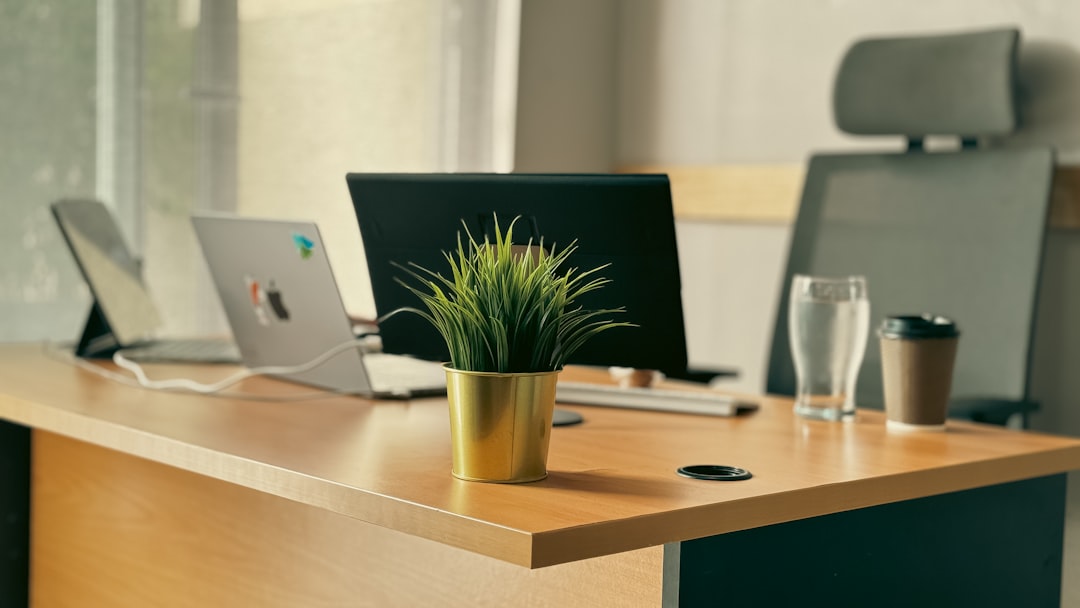
The landscape of work has undergone a seismic shift in recent years, with remote work becoming a staple for many professionals. In Brooklyn, a borough known for its vibrant culture and diverse communities, the trend of working from home has gained significant traction. The allure of flexible hours, the absence of a daily commute, and the ability to create a personalized workspace have drawn many to embrace this new way of working.
However, the unique characteristics of Brooklyn—its eclectic architecture, bustling neighborhoods, and artistic vibe—also influence how individuals approach remote work. For many residents, the home office is not just a corner of the living room or a makeshift desk in the bedroom; it can be an entire room dedicated to productivity. Among the various options available, the basement office has emerged as a popular choice.
As more Brooklynites adapt to this new normal, understanding the nuances of creating an effective basement office becomes essential for maximizing productivity and maintaining a healthy work-life balance.
Key Takeaways
- Working remotely in Brooklyn offers flexibility and convenience for many professionals.
- Having a basement office provides privacy, quiet, and separation from the rest of the household.
- Design and organization are key to creating an efficient and comfortable basement office space.
- Overcoming challenges such as lack of natural light and ventilation is possible with the right solutions.
- Creating a productive and comfortable work environment involves ergonomic furniture and personal touches.
Benefits of Having a Basement Office for Remote Work
Secluded Environment for Focus
Unlike other areas of the home that may be shared with family members or roommates, a basement can provide a secluded environment where one can focus on tasks without interruptions. This separation from the main living areas allows for deeper concentration and can lead to enhanced productivity.
Unique Architectural Features
In a city like Brooklyn, where space is often at a premium, having a dedicated area for work can help delineate professional responsibilities from personal life. Additionally, basements often come with unique architectural features that can be leveraged to create an inspiring workspace. Many Brooklyn homes feature exposed brick walls, wooden beams, or large windows that can be transformed into focal points of the office design.
Ideal for Intense Focus
These elements not only add character but can also foster creativity and motivation. Furthermore, basements typically have lower noise levels compared to upper floors, making them ideal for tasks that require intense focus or virtual meetings where clear communication is essential.
Designing and Organizing Your Basement Office Space

When it comes to designing a basement office, thoughtful organization is key to creating an efficient workspace. The first step is to assess the available space and determine how it can best serve your needs. Consider factors such as natural light sources, existing furniture, and electrical outlets.
A well-planned layout can significantly enhance workflow and comfort. For instance, positioning your desk near a window can help maximize any available light while also providing a view that can inspire creativity. Incorporating ergonomic furniture is another crucial aspect of designing your basement office.
Investing in a quality desk and chair that promote good posture can prevent discomfort during long working hours. Additionally, utilizing vertical space with shelves or wall-mounted storage solutions can help keep the area organized and clutter-free. Personal touches, such as artwork or plants, can also make the space feel more inviting and tailored to your personality, transforming it from a mere workspace into an environment that fosters creativity and productivity.
Overcoming Challenges of Working in a Basement
While there are numerous benefits to having a basement office, there are also challenges that must be addressed to ensure a successful remote work experience. One common issue is the potential for dampness or poor air quality in basements, which can lead to discomfort and health concerns over time. To combat this, it’s essential to invest in proper ventilation systems or dehumidifiers that can help maintain a comfortable atmosphere.
Regularly checking for leaks or mold growth is also crucial in preserving both the integrity of the space and your well-being. Another challenge is the potential for isolation when working in a basement office. The lack of natural light and connection to the outside world can lead to feelings of seclusion, which may impact mental health and motivation.
To mitigate this issue, consider incorporating elements that connect you with the outside environment, such as mirrors that reflect light or bright colors that evoke a sense of openness. Additionally, scheduling regular breaks to step outside or engage with others can help maintain social connections and prevent feelings of isolation.
Creating a Productive and Comfortable Work Environment
Creating a productive work environment in your basement office involves more than just aesthetics; it requires careful consideration of various factors that contribute to overall comfort and efficiency.
Similarly, ensuring adequate lighting is essential for reducing eye strain and maintaining focus throughout the day.
Sound management is another critical aspect of creating an effective workspace. Basements may have unique acoustics that can amplify noise from above or outside. To counteract this, consider using sound-absorbing materials such as rugs or acoustic panels that can help dampen sound and create a quieter environment conducive to concentration.
Additionally, incorporating background music or white noise machines can further enhance focus by masking distracting sounds.
Utilizing Natural Light and Ventilation in a Basement Office
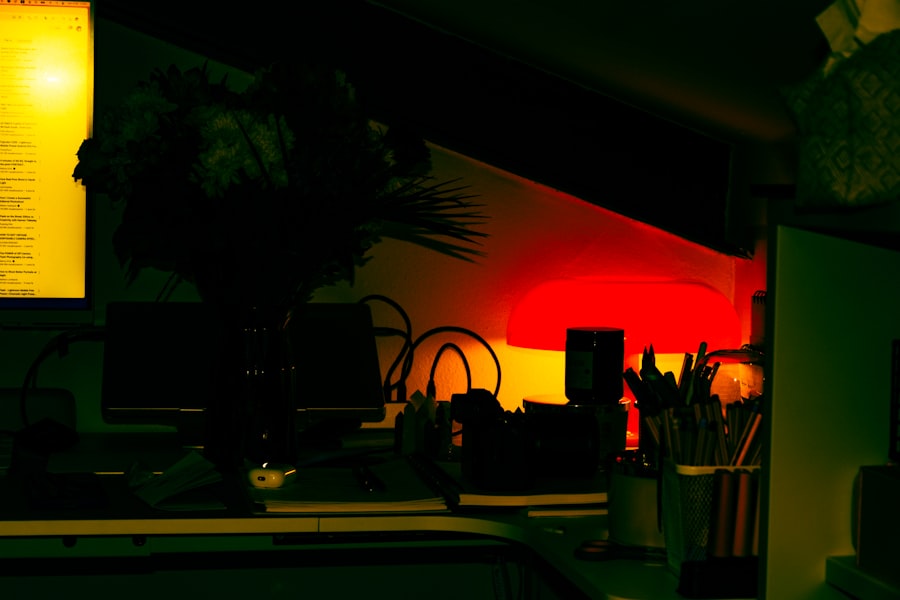
Natural light plays a vital role in enhancing mood and productivity in any workspace, including basements. While many basements may lack windows or have limited access to daylight, there are creative ways to incorporate light into your office design. If possible, consider installing larger windows or glass doors that allow more sunlight to enter the space.
If structural changes are not feasible, strategically placing mirrors opposite existing windows can help reflect light throughout the room, creating an illusion of brightness. Ventilation is equally important in maintaining a healthy work environment. Stale air can lead to fatigue and decreased concentration levels over time.
To improve airflow in your basement office, consider using fans or air purifiers that circulate fresh air throughout the space. Additionally, opening windows when weather permits can help bring in natural ventilation and reduce humidity levels. By prioritizing both light and air quality, you can create an invigorating atmosphere that supports sustained productivity.
Incorporating Technology and Connectivity in a Basement Workspace
In today’s digital age, technology plays an integral role in remote work success. A well-equipped basement office should include reliable internet connectivity and access to essential tools that facilitate communication and collaboration with colleagues. Investing in high-speed internet service is crucial for seamless video conferencing and efficient file sharing.
Additionally, ensuring that your workspace has adequate power outlets for charging devices will prevent interruptions during work hours. Moreover, incorporating smart technology into your basement office can enhance productivity significantly. Devices such as smart speakers or virtual assistants can help manage tasks through voice commands, while smart lighting systems allow you to adjust brightness levels based on your needs throughout the day.
Furthermore, utilizing project management software or collaboration tools can streamline workflows and keep you connected with your team, regardless of physical distance.
Tips for Balancing Work and Personal Life in a Basement Office
Establishing boundaries between work and personal life is essential when working remotely from home, especially in a basement office where both activities may occur within close proximity. One effective strategy is to set specific working hours and communicate these boundaries with family members or housemates to minimize interruptions during designated work times. Creating a clear schedule not only helps maintain focus but also signals to others when you are unavailable for personal matters.
In addition to setting boundaries, incorporating rituals into your daily routine can help signal transitions between work and personal time. For instance, starting your day with a morning coffee ritual or ending it with a brief walk outside can create mental cues that delineate work hours from personal time. Furthermore, designating specific areas within your basement office for different tasks—such as reading or brainstorming—can help reinforce these boundaries by associating certain spaces with specific activities.
By implementing these strategies, you can cultivate a balanced lifestyle that promotes both productivity and well-being while working remotely from your Brooklyn basement office.
If you’re considering turning your basement into a home office for remote work in Brooklyn, you may also be interested in incorporating retro styles into your modern home. This article from