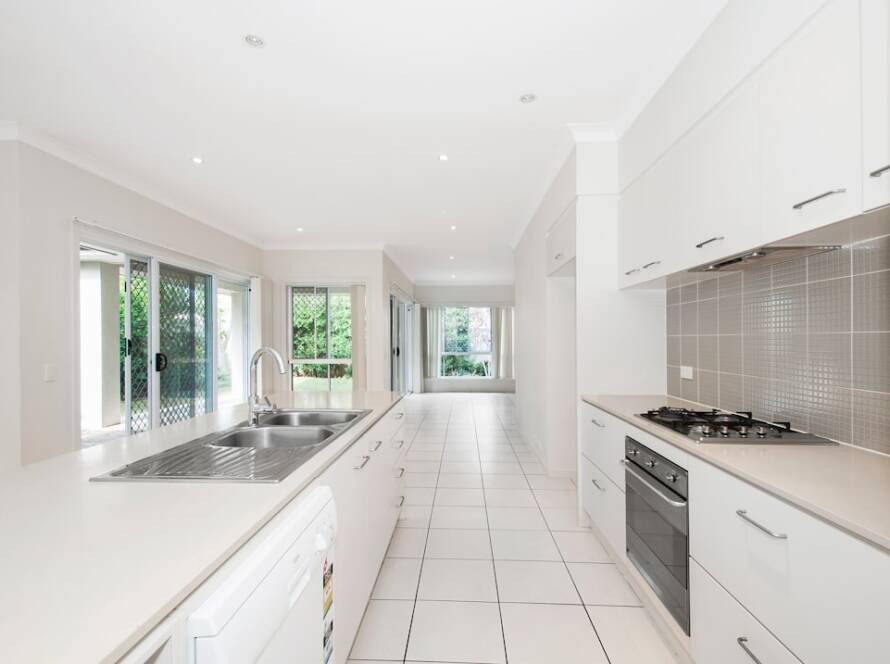
Creating a cozy living space is an art that combines comfort, style, and functionality. The essence of coziness often lies in the choice of colors, textures, and furnishings. Warm, inviting hues such as soft beiges, muted greens, and gentle blues can create a serene atmosphere.
These colors can be complemented by rich textures like plush throw blankets, soft area rugs, and cushioned furniture. For instance, a deep-seated sofa adorned with an array of colorful cushions can serve as the focal point of the room, inviting relaxation and conversation. Layering different materials—such as a knitted throw over a velvet couch or a jute rug under a wooden coffee table—adds depth and warmth to the space.
In addition to color and texture, the arrangement of furniture plays a crucial role in establishing a cozy environment. A well-thought-out layout encourages social interaction and creates intimate nooks for quiet reflection. For example, positioning chairs and sofas in a circular formation around a coffee table fosters conversation and connection among guests.
Incorporating elements like a reading nook with a comfortable armchair and a small bookshelf can also enhance the coziness of the living space. By creating designated areas for various activities—whether it’s reading, entertaining, or simply unwinding—homeowners can cultivate an inviting atmosphere that feels both personal and welcoming.
Key Takeaways
- Create a cozy living space by incorporating soft textures, warm colors, and comfortable seating arrangements.
- Maximize natural light by using sheer curtains, strategically placing mirrors, and keeping windows unobstructed.
- Add personal touches to your living space with family photos, artwork, and sentimental decor items.
- Incorporate functional furniture such as multi-purpose pieces, storage ottomans, and adjustable tables to make the most of your space.
- Utilize storage solutions like floating shelves, under-bed storage, and built-in cabinets to keep your living space organized and clutter-free.
Maximizing Natural Light
Natural light is one of the most effective ways to enhance the ambiance of any living space. It not only brightens up the room but also has psychological benefits, promoting feelings of happiness and well-being. To maximize natural light, it is essential to consider window treatments carefully.
Opting for sheer curtains or blinds that can be easily opened allows sunlight to flood the room while still providing privacy when needed. Additionally, strategically placing mirrors across from windows can reflect light throughout the space, making it feel larger and more open. A well-placed mirror can double the effect of natural light, creating an illusion of depth and brightness.
Another effective strategy for maximizing natural light is to choose lighter colors for walls and furnishings. Light-colored walls can reflect sunlight rather than absorb it, enhancing the overall brightness of the room. For instance, painting walls in soft whites or pale pastels can create an airy feel that complements the influx of natural light.
Furthermore, using glass or transparent materials in furniture design—such as glass coffee tables or acrylic chairs—can help maintain an unobstructed view of the outdoors while allowing light to pass through freely. By thoughtfully considering both window treatments and color schemes, homeowners can create a living space that feels open, inviting, and filled with warmth.
Adding Personal Touches
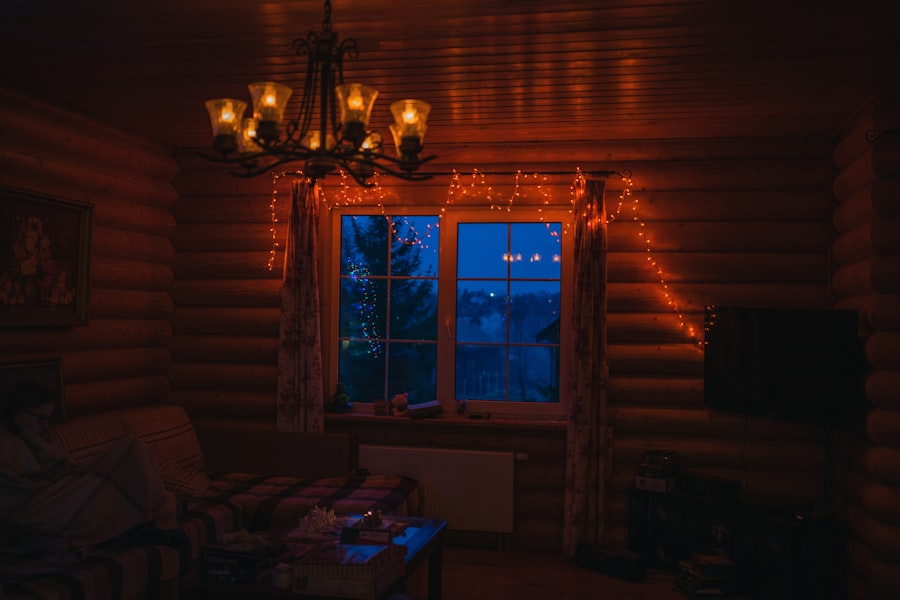
Personal touches are what transform a house into a home, infusing it with character and individuality. These elements can range from family photographs displayed in unique frames to artwork that resonates with personal experiences or interests. For example, creating a gallery wall featuring a mix of framed photos, paintings, and even three-dimensional objects can serve as a conversation starter while showcasing personal history and creativity.
This not only adds visual interest but also tells a story about the inhabitants of the space. In addition to artwork and photographs, incorporating handmade items or souvenirs from travels can further personalize a living area. A handcrafted vase from a local artisan or a decorative piece collected during a trip abroad can serve as focal points that spark memories and conversations.
Furthermore, displaying books that reflect personal interests or hobbies on shelves or coffee tables can invite guests to engage with those passions. By curating these personal elements thoughtfully, homeowners can create an environment that feels uniquely theirs, fostering a sense of belonging and comfort.
Incorporating Functional Furniture
Functional furniture is essential in creating a living space that is not only stylish but also practical. The right pieces can enhance usability while maintaining aesthetic appeal. For instance, a coffee table with built-in storage can serve dual purposes: it provides a surface for drinks and snacks while also offering space to stow away magazines or remote controls.
Similarly, ottomans that double as seating or storage solutions can be incredibly versatile in smaller living areas where maximizing space is crucial. Another example of functional furniture is modular seating arrangements that can be reconfigured based on the occasion. Sofas with movable sections allow homeowners to adapt their living space for entertaining guests or enjoying family movie nights.
Additionally, incorporating multi-functional pieces like sofa beds or daybeds can provide extra sleeping arrangements for visitors without sacrificing style or comfort during the day. By selecting furniture that serves multiple purposes, homeowners can create an efficient living space that meets their needs while remaining visually appealing.
Utilizing Storage Solutions
Effective storage solutions are vital for maintaining an organized and clutter-free living space.
Built-in shelving units can be an excellent way to utilize vertical space while displaying decorative items or books.
These shelves can be customized to fit specific dimensions and styles, seamlessly integrating into the overall design of the room. Another innovative storage solution is using furniture that incorporates hidden compartments. For example, benches with lift-up seats or coffee tables with drawers provide discreet storage options for items like blankets or board games.
Additionally, wall-mounted organizers or floating shelves can help keep frequently used items within reach while minimizing clutter on surfaces. By implementing these storage strategies, homeowners can create a tidy living environment that feels spacious and inviting.
Enhancing the Ambiance with Lighting
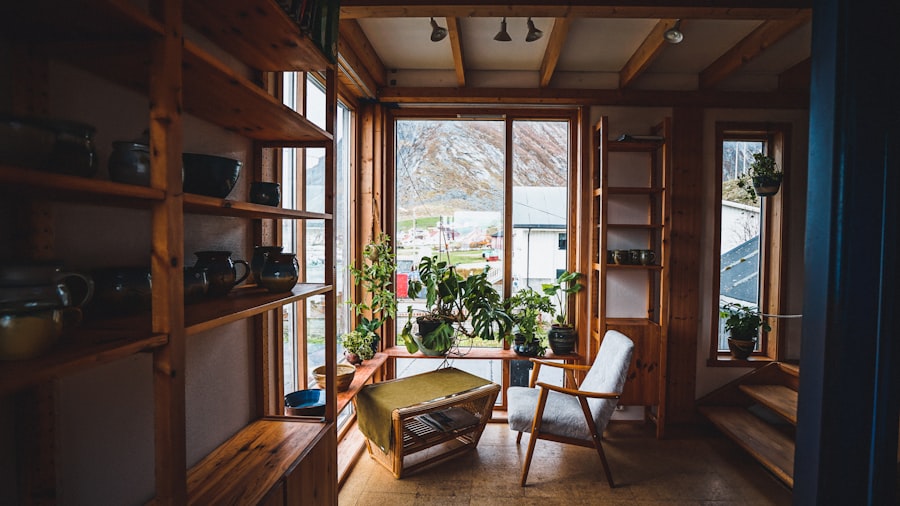
Lighting plays a pivotal role in shaping the ambiance of any living space. A well-lit room not only enhances functionality but also sets the mood for various activities. Layering different types of lighting—ambient, task, and accent—can create a dynamic atmosphere that adapts to different needs throughout the day.
Ambient lighting provides overall illumination; this can be achieved through ceiling fixtures or floor lamps that cast soft light across the room. Task lighting is equally important for specific activities such as reading or working on hobbies. Table lamps placed on side tables or adjustable floor lamps positioned next to seating areas can provide focused light where it’s needed most.
Accent lighting, on the other hand, highlights architectural features or artwork within the space. Wall sconces or spotlights directed at paintings can draw attention to these elements while adding depth to the overall lighting scheme. By thoughtfully combining these different lighting types, homeowners can create an inviting atmosphere that enhances both functionality and aesthetic appeal.
Incorporating Greenery
Incorporating greenery into a living space brings life and vibrancy to the environment while improving air quality. Plants have been shown to reduce stress levels and enhance overall well-being, making them an excellent addition to any home. When selecting plants for indoor spaces, it’s essential to consider factors such as light availability and maintenance requirements.
Low-light plants like snake plants or pothos are perfect for areas with limited sunlight, while brighter spaces may accommodate more demanding varieties like fiddle leaf figs or succulents. Beyond traditional potted plants, there are numerous creative ways to incorporate greenery into living spaces. Vertical gardens or wall-mounted planters can serve as stunning focal points while saving floor space in smaller areas.
Additionally, using herbs in decorative pots not only adds greenery but also provides fresh ingredients for cooking. By thoughtfully integrating plants into their decor, homeowners can create a refreshing atmosphere that promotes relaxation and connection with nature.
Making the Most of the Space
Making the most of available space is crucial in creating an efficient and enjoyable living environment. This often involves strategic planning and creative thinking to ensure every square foot serves a purpose without feeling cramped or cluttered. One effective approach is to assess how each area of the living space is utilized and identify opportunities for improvement.
For instance, if certain corners are underused, they could be transformed into cozy reading nooks or small workspaces by adding appropriate furniture. Another strategy is to embrace open-concept designs that allow for fluid movement between different areas of the home. This approach not only maximizes space but also fosters social interaction among family members or guests.
Using area rugs to define separate zones within an open layout can help delineate spaces without erecting physical barriers. Additionally, incorporating foldable furniture—such as collapsible tables or stackable chairs—can provide flexibility for gatherings while allowing for easy storage when not in use. By employing these strategies, homeowners can create functional living spaces that feel spacious and accommodating while reflecting their personal style.
If you’re looking to transform your basement into a cozy living space, you may also be interested in creating an outdoor oasis in your backyard. Check out this article on outdoor oasis remodeling ideas for inspiration on how to make the most of your outdoor space. By combining the cozy comfort of your basement apartment with a beautiful outdoor retreat, you can create a truly inviting home that you’ll never want to leave.
FAQs
What are some tips for making a Brooklyn basement apartment feel like a home?
Some tips for making a Brooklyn basement apartment feel like a home include adding plenty of lighting, using area rugs to define spaces, incorporating plants and greenery, and personalizing the space with artwork and decor.
Why is lighting important in a basement apartment?
Lighting is important in a basement apartment because it can help to combat the naturally darker and potentially dreary atmosphere of a basement. Adding plenty of lighting, including natural light if possible, can help to make the space feel brighter and more inviting.
How can area rugs help define spaces in a basement apartment?
Area rugs can help to define different areas within a basement apartment, such as a living area, dining space, or bedroom. By using rugs to delineate these spaces, the apartment can feel more organized and cohesive.
What are some ways to incorporate plants and greenery in a basement apartment?
Incorporating plants and greenery in a basement apartment can help to bring life and vibrancy to the space. Consider using low-light tolerant plants such as snake plants, pothos, or peace lilies, and placing them in various spots throughout the apartment.
How can artwork and decor personalize a basement apartment?
Artwork and decor can personalize a basement apartment by adding character and reflecting the interests and style of the resident. Consider hanging artwork, displaying personal photos, and incorporating decor items that bring joy and a sense of home.