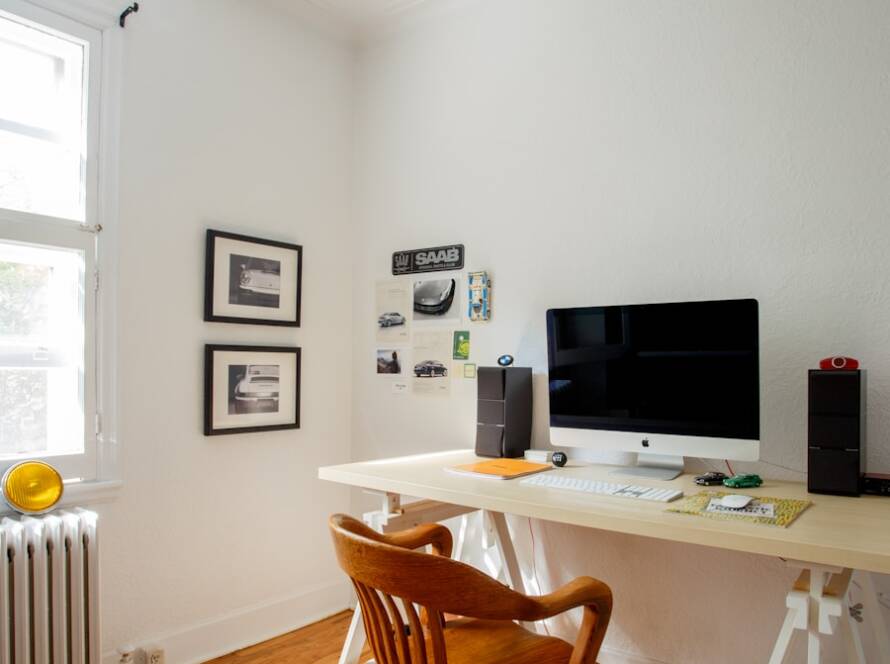
When considering the transformation of a basement into a functional workspace, the first step is a thorough assessment of the available space. Basements often come with unique challenges, such as low ceilings, limited natural light, and potential moisture issues. Begin by measuring the dimensions of the area, noting any structural elements like support beams or ductwork that may impact your design.
Understanding the layout will help you visualize how to best utilize the space. For instance, if your basement has an open floor plan, you might consider creating distinct zones for different activities, such as a dedicated area for meetings and another for focused work. Additionally, it’s crucial to evaluate the condition of the basement.
Check for signs of dampness or water damage, as these can lead to mold growth and other health hazards. If moisture is present, it may be necessary to invest in waterproofing solutions or dehumidifiers before proceeding with your workspace design. Furthermore, consider the existing lighting and ventilation.
If the basement lacks windows, you may need to incorporate artificial lighting solutions that mimic natural light and ensure proper air circulation. By taking these factors into account, you can create a solid foundation for your ideal workspace.
Key Takeaways
- Assess your basement space for potential as a productive workspace
- Design your ideal workspace with functionality and comfort in mind
- Maximize natural light to create a bright and inviting environment
- Create a comfortable environment with proper ventilation and temperature control
- Organize your supplies and equipment for easy access and efficiency
- Add personal touches to make the space feel inspiring and motivating
- Set up technology and connectivity for seamless workflow
- Maintain your productive workspace with regular cleaning and organization
Designing Your Ideal Workspace
Once you have assessed your basement space, the next step is to design a workspace that meets your specific needs and preferences. Start by defining the primary functions of your workspace. Are you primarily focused on creative tasks, administrative work, or perhaps a combination of both?
This will influence your choice of furniture and layout. For example, if creativity is at the forefront, you might opt for an open layout with flexible seating arrangements that encourage collaboration and brainstorming. Incorporating ergonomic furniture is also essential for long-term comfort and productivity.
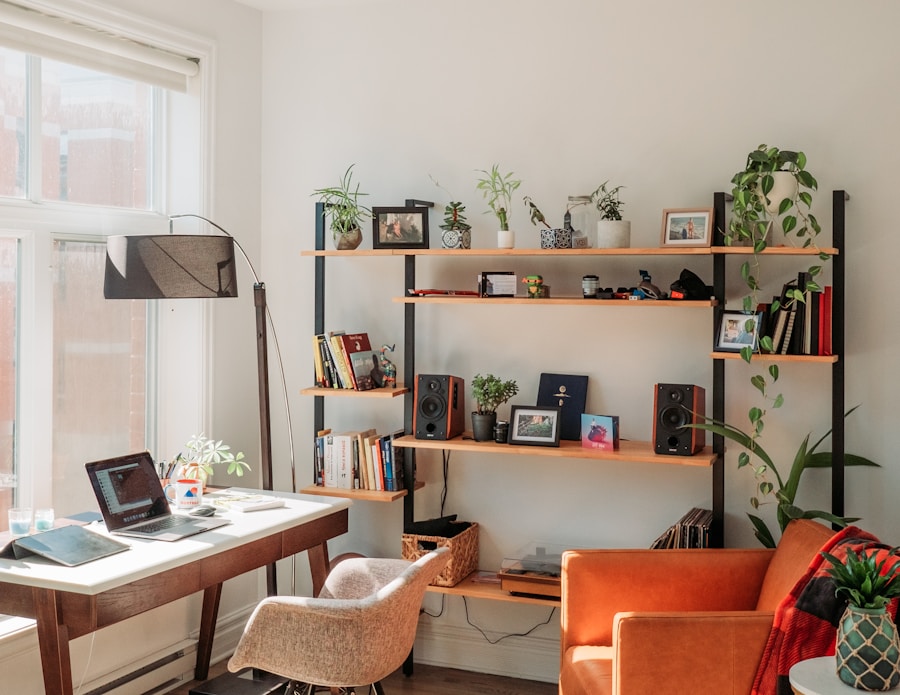
Consider investing in an adjustable desk that allows you to alternate between sitting and standing throughout the day. Pair this with an ergonomic chair that provides adequate support for your back and promotes good posture. Additionally, think about storage solutions that keep your workspace organized without cluttering the environment.
Shelving units, filing cabinets, and mobile carts can help maintain an orderly space while ensuring that everything you need is within reach.
Maximizing Natural Light

Natural light plays a significant role in enhancing mood and productivity in any workspace. While basements typically have limited access to sunlight, there are creative ways to maximize whatever light is available. If your basement has windows, ensure they are unobstructed by furniture or decor.
Consider using light-colored window treatments that allow sunlight to filter through while providing privacy. If possible, install mirrors on walls opposite windows to reflect light deeper into the room, creating an illusion of a brighter space. For basements without windows, you can simulate natural light through strategic lighting choices.
Opt for full-spectrum LED bulbs that mimic daylight and provide a warm ambiance. Additionally, consider incorporating light fixtures with adjustable brightness levels to create a dynamic environment that can be tailored to different tasks throughout the day. Skylights or light tubes can also be installed if structural modifications are feasible, allowing natural light to penetrate deeper into the basement.
Creating a Comfortable Environment
A comfortable environment is paramount for maintaining focus and productivity in your workspace. Start by controlling the temperature; basements can often be cooler than other areas of the home. Invest in a reliable heating system or portable heaters to ensure a comfortable working temperature year-round.
Additionally, consider adding insulation to walls and ceilings to help regulate temperature fluctuations. Beyond temperature control, think about the overall ambiance of your workspace. Incorporate soft furnishings such as rugs and cushions to create a cozy atmosphere.
Plants can also play a vital role in enhancing comfort; they not only improve air quality but also add a touch of nature that can reduce stress levels. Choose low-maintenance plants like snake plants or pothos that thrive in lower light conditions typical of basements. By focusing on these elements, you can create an inviting workspace that encourages creativity and productivity.
Organizing Your Supplies and Equipment
An organized workspace is essential for efficiency and focus. Begin by categorizing your supplies and equipment based on their function and frequency of use. For instance, keep everyday items like pens, notebooks, and chargers within arm’s reach on your desk or in a nearby drawer.
Less frequently used items can be stored in cabinets or on shelves to minimize clutter. Utilizing vertical space is another effective strategy for organization in a basement workspace. Wall-mounted shelves or pegboards can hold tools, supplies, and decorative items without taking up valuable floor space.
Consider using clear bins or labeled containers for easy identification of materials while maintaining a tidy appearance. Additionally, implementing a filing system for documents will help keep important papers organized and accessible without overwhelming your workspace.
Adding Personal Touches
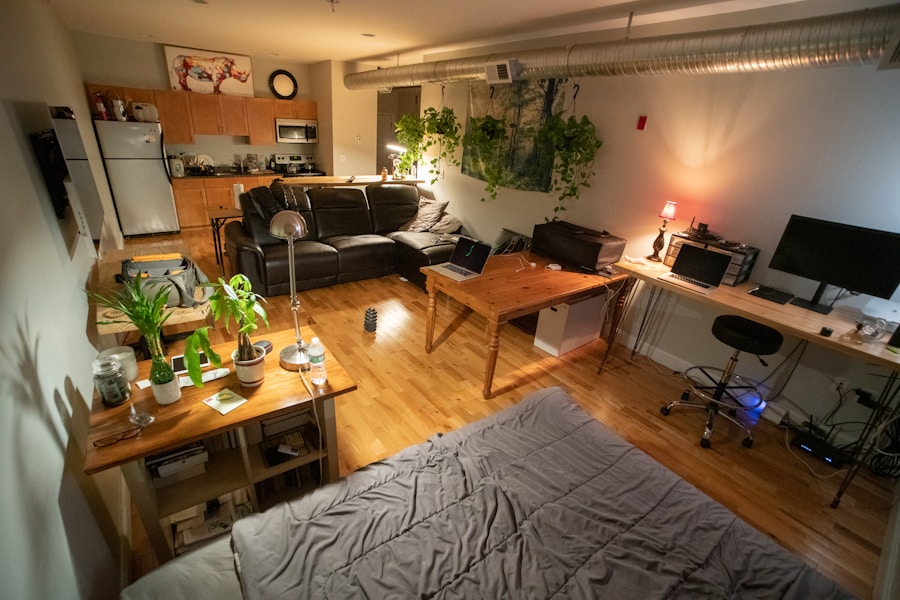
Personalizing your workspace can significantly enhance your motivation and creativity. Start by selecting a color palette that resonates with you; colors can evoke different emotions and influence productivity levels. For example, blues and greens are often associated with calmness and focus, while yellows can inspire creativity and energy.
Incorporate artwork or photographs that inspire you or reflect your personality. A vision board filled with goals, quotes, or images can serve as a daily reminder of what you aspire to achieve. Additionally, consider adding personal mementos or souvenirs from travels that spark joy and creativity when viewed.
These personal touches not only make the space feel more inviting but also create an environment that fosters inspiration and innovation.
Setting Up Technology and Connectivity
In today’s digital age, setting up technology and ensuring reliable connectivity is crucial for any workspace. Begin by assessing your technological needs based on your work requirements. This may include computers, printers, scanners, or specialized equipment relevant to your profession.
Ensure that you have adequate power outlets available; if not, consider hiring an electrician to install additional outlets where necessary. Connectivity is equally important; a strong internet connection is essential for remote work and collaboration with colleagues or clients. If your basement has weak Wi-Fi signals due to its location in the home, consider investing in a Wi-Fi extender or mesh network system to enhance coverage throughout the space.
Additionally, organize cables using cable management solutions to prevent tangling and maintain a clean aesthetic.
Maintaining Your Productive Workspace
Creating an ideal workspace is just the beginning; maintaining it is equally important for long-term productivity. Establishing a routine for regular cleaning and organization will help keep distractions at bay. Set aside time each week to declutter your desk, organize supplies, and dust surfaces to create a fresh environment conducive to work.
Moreover, periodically reassess your workspace setup to ensure it continues to meet your evolving needs.
This adaptability will help sustain motivation and productivity over time.
If you’re looking to transform your Brooklyn basement into a productive workspace, you may also be interested in learning about outdoor oasis remodeling ideas for your backyard. Creating a comfortable and inspiring outdoor space can complement your indoor workspace and provide a refreshing change of scenery. Check out this article for more ideas on how to enhance your work environment both indoors and outdoors.
FAQs
What are the benefits of transforming a Brooklyn basement into a productive workspace?
Transforming a Brooklyn basement into a productive workspace can provide a quiet and private area for work, increase the value of your property, and maximize the available space in your home.
What are some tips for transforming a Brooklyn basement into a productive workspace?
Some tips for transforming a Brooklyn basement into a productive workspace include ensuring proper lighting, adding insulation for comfort, organizing the space efficiently, and incorporating ergonomic furniture.
What are some potential challenges to consider when transforming a Brooklyn basement into a productive workspace?
Potential challenges to consider when transforming a Brooklyn basement into a productive workspace include addressing any existing moisture or mold issues, obtaining necessary permits for renovations, and ensuring compliance with building codes.
What are some popular design ideas for a productive workspace in a Brooklyn basement?
Popular design ideas for a productive workspace in a Brooklyn basement include creating a minimalist and clutter-free environment, incorporating natural elements for a calming atmosphere, and utilizing built-in storage solutions to maximize space.
What are some important factors to consider when planning the layout of a productive workspace in a Brooklyn basement?
Important factors to consider when planning the layout of a productive workspace in a Brooklyn basement include the location of electrical outlets, the placement of technology and equipment, and the incorporation of designated areas for different tasks.