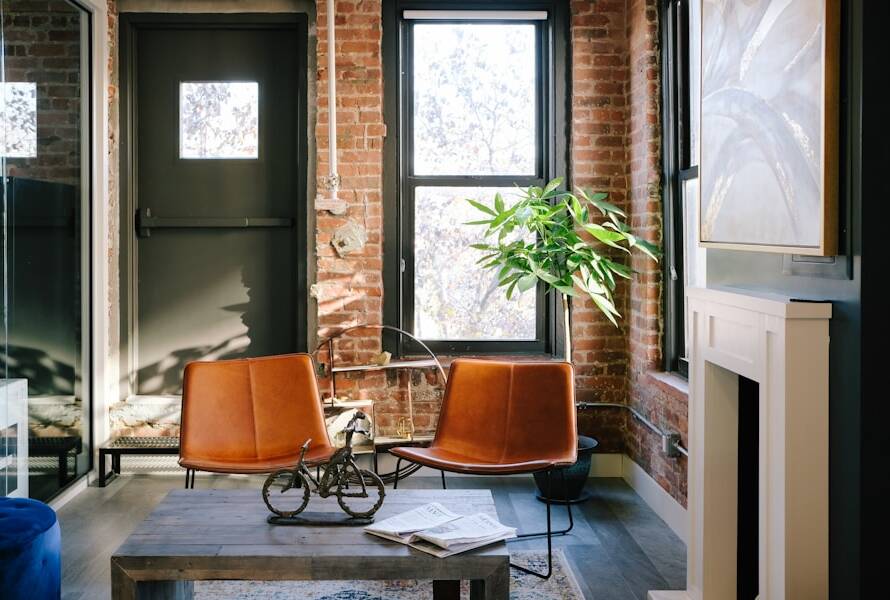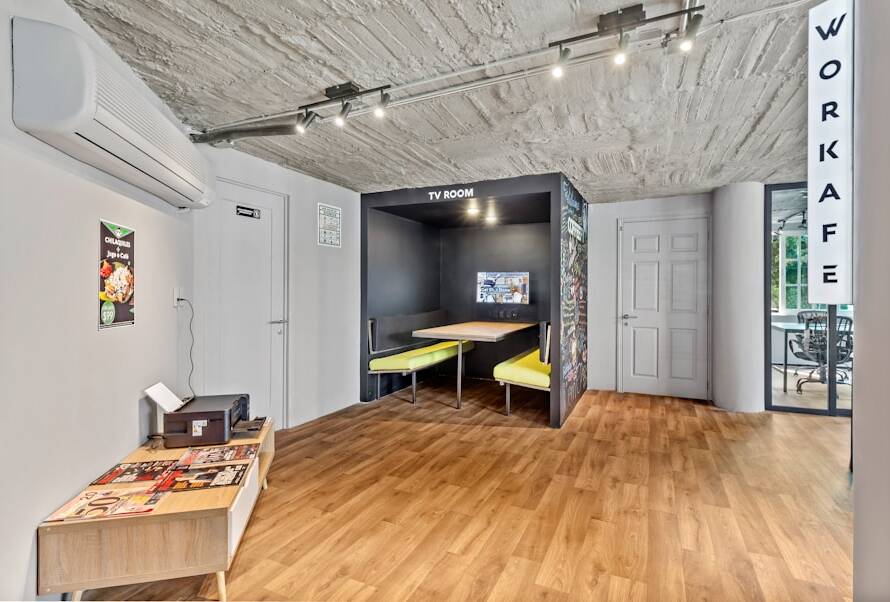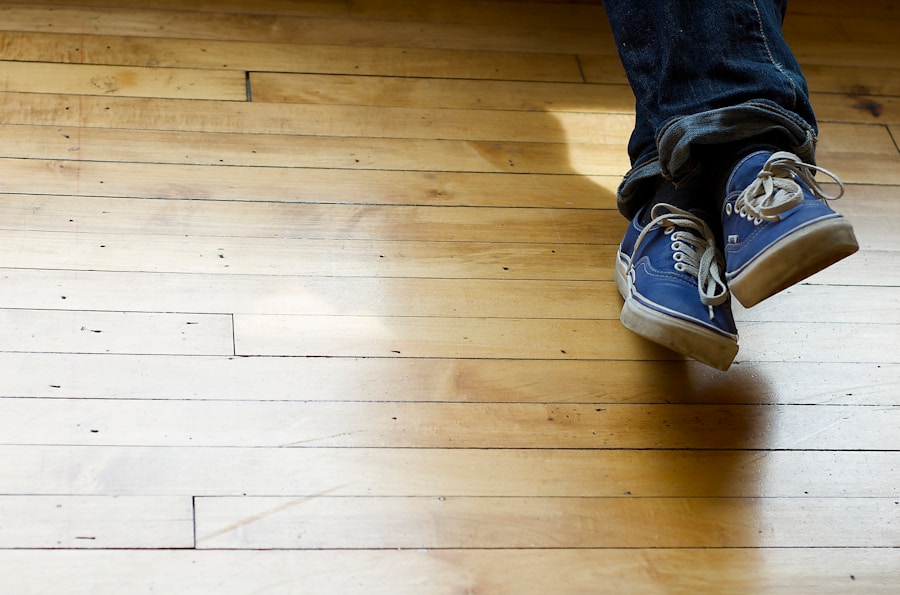
Hardwood flooring has long been celebrated for its aesthetic appeal, durability, and ability to enhance the value of a home. Traditionally, hardwood has been a popular choice for living rooms, dining areas, and bedrooms, but its application in basements has sparked considerable debate among homeowners and designers alike. Basements, often characterized by their unique environmental conditions—such as higher humidity levels and potential water exposure—pose specific challenges that can complicate the installation and longevity of hardwood flooring.
Despite these challenges, many homeowners are drawn to the warmth and elegance that hardwood can bring to what is often a cold and utilitarian space. The allure of hardwood flooring in basements lies not only in its visual appeal but also in its potential to transform an otherwise underutilized area into a cozy retreat or functional living space.
This article will explore the pros and cons of hardwood flooring in basements, considerations for installation, maintenance requirements, budgeting aspects, and alternative flooring options that may be more suitable for this unique environment.
Key Takeaways
- Hardwood flooring in basements can add warmth and beauty to the space, but it comes with its own set of challenges and considerations.
- Pros of hardwood flooring in basements include its natural beauty, durability, and the potential to increase the value of the home.
- Cons of hardwood flooring in basements include susceptibility to moisture and humidity, which can lead to warping and damage.
- Considerations for installing hardwood flooring in basements include moisture testing, proper subflooring, and choosing the right type of hardwood for the environment.
- Maintenance and care for hardwood flooring in basements involves regular cleaning, monitoring humidity levels, and addressing any water damage promptly.
Pros of Hardwood Flooring in Basements
One of the most significant advantages of installing hardwood flooring in basements is its ability to create a warm and inviting atmosphere. Unlike cold concrete or tile floors, hardwood adds a touch of elegance and comfort that can make a basement feel more like an extension of the home rather than a separate, unwelcoming space. The natural beauty of wood grain and the variety of finishes available allow homeowners to customize their basements to reflect their personal style.
Whether opting for a rustic oak or a sleek maple finish, hardwood can elevate the overall design of the basement. In addition to aesthetic benefits, hardwood flooring is known for its durability and longevity. When properly maintained, hardwood can last for decades, making it a worthwhile investment for homeowners looking to enhance their living spaces.
Unlike carpets that can trap allergens and odors or laminate flooring that may wear down over time, hardwood is resistant to wear and tear. It can withstand heavy foot traffic, making it suitable for basements that may serve as playrooms, entertainment areas, or home offices. Furthermore, hardwood floors can be refinished multiple times throughout their lifespan, allowing homeowners to refresh their look without the need for complete replacement.
Cons of Hardwood Flooring in Basements
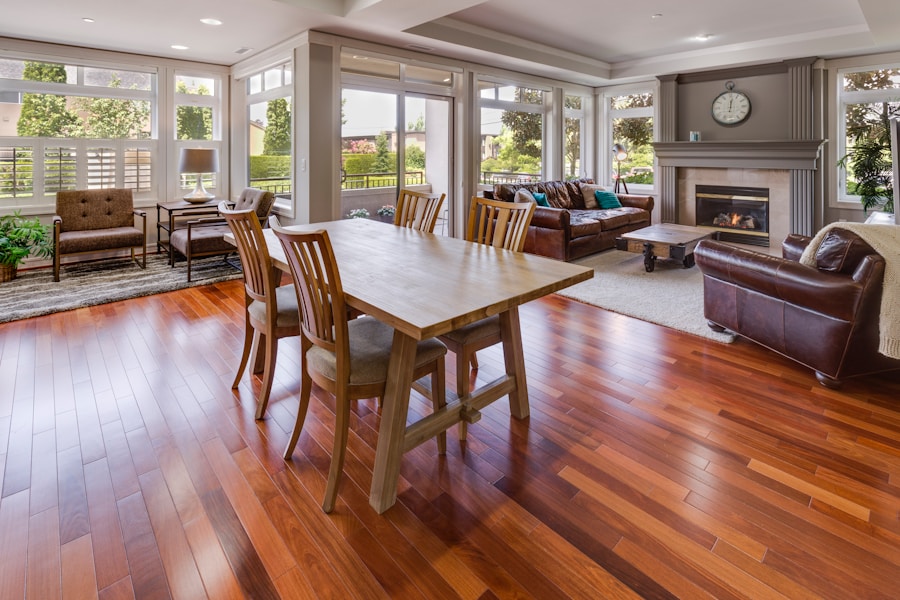
Despite its many advantages, there are notable drawbacks to consider when contemplating hardwood flooring for basements. One of the primary concerns is moisture. Basements are inherently more prone to dampness due to their below-ground location, which can lead to issues such as warping, buckling, or mold growth if moisture levels are not adequately controlled.
Even with proper sealing and moisture barriers, the risk of water damage remains a significant consideration that can deter homeowners from choosing hardwood. Another disadvantage is the cost associated with installing hardwood flooring in basements. Hardwood is generally more expensive than other flooring options such as laminate or vinyl.
The initial investment can be substantial, especially when factoring in additional costs for moisture barriers and underlayment materials designed to protect the wood from potential water damage. Additionally, if issues arise due to moisture or improper installation, repairs can be costly and time-consuming. Homeowners must weigh these financial implications against the aesthetic benefits when deciding on flooring options for their basements.
Considerations for Installing Hardwood Flooring in Basements
When considering hardwood flooring for a basement installation, several critical factors must be taken into account to ensure a successful outcome. First and foremost is moisture management. Homeowners should conduct thorough assessments of their basement’s humidity levels before installation.
Utilizing a hygrometer can help gauge moisture content in the air and on surfaces. If humidity levels are consistently high, it may be necessary to invest in dehumidifiers or improve ventilation systems to create a more stable environment for hardwood flooring. Another essential consideration is the type of hardwood chosen for the project.
Engineered hardwood is often recommended over solid hardwood for basement applications due to its construction. Engineered hardwood consists of multiple layers of wood veneer bonded together, making it more stable and less susceptible to changes in humidity and temperature compared to solid wood planks. This stability allows engineered hardwood to perform better in environments where moisture fluctuations are common.
Additionally, selecting a high-quality finish that offers water resistance can further protect the flooring from potential damage.
Maintenance and Care for Hardwood Flooring in Basements
Maintaining hardwood flooring in basements requires diligence and care to ensure its longevity and appearance remain intact over time. Regular cleaning is essential; homeowners should sweep or vacuum the floor frequently to remove dirt and debris that can scratch the surface. Using a damp mop with a pH-neutral cleaner specifically designed for hardwood floors can help maintain shine without causing damage.
It’s crucial to avoid excessive water exposure during cleaning since standing water can seep into seams and cause warping. In addition to routine cleaning, periodic inspections are vital for identifying any signs of moisture damage or wear early on. Homeowners should check for any gaps between planks or signs of buckling that may indicate underlying moisture issues.
If any problems are detected, addressing them promptly can prevent more extensive damage down the line. Furthermore, refinishing the floors every few years can help restore their original luster and protect against scratches and dents.
Cost and Budgeting for Hardwood Flooring in Basements
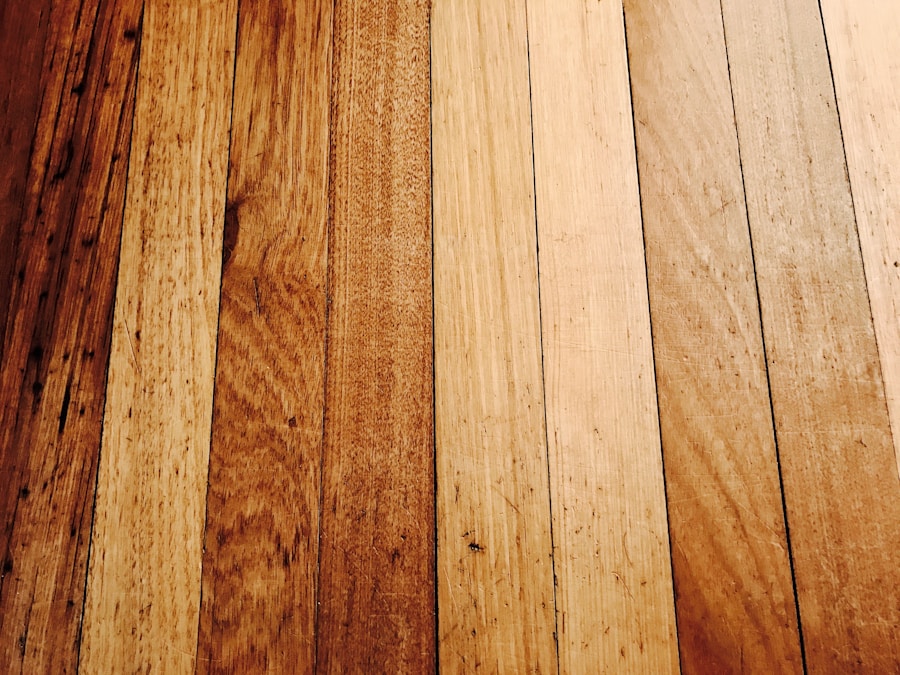
The financial aspect of installing hardwood flooring in basements encompasses several variables that homeowners must consider when budgeting for their project. The cost of materials is often the most significant factor; solid hardwood typically ranges from $5 to $15 per square foot, while engineered hardwood may cost between $3 and $10 per square foot depending on quality and brand.
Beyond material and labor costs, homeowners should also factor in expenses related to moisture mitigation strategies. This may include purchasing vapor barriers or dehumidifiers, which can add several hundred dollars to the overall budget. It’s wise to allocate funds for potential unforeseen issues that may arise during installation or after completion—such as repairs due to moisture damage—which could further impact financial planning.
Alternatives to Hardwood Flooring in Basements
For homeowners who are hesitant about installing hardwood flooring in their basements due to moisture concerns or budget constraints, several alternative flooring options provide both functionality and aesthetic appeal. Luxury vinyl plank (LVP) has gained popularity as an excellent substitute for hardwood; it mimics the look of wood while being highly resistant to moisture and easier to maintain. LVP is also available at a lower price point than traditional hardwood, making it an attractive option for budget-conscious homeowners.
Another viable alternative is tile flooring, particularly porcelain or ceramic tiles that are impervious to water damage. Tile offers versatility in design with various colors and patterns available while providing durability against heavy foot traffic. Additionally, tile floors can be heated with radiant heating systems, adding comfort during colder months—a feature that may not be feasible with traditional hardwood installations.
Conclusion and Recommendations for Hardwood Flooring in Basements
In summary, while hardwood flooring can bring undeniable beauty and warmth to basement spaces, it is essential for homeowners to carefully weigh the pros and cons before making a decision. The potential for moisture-related issues necessitates thorough planning and consideration of alternative materials that may better suit the unique conditions found in basements. For those committed to installing hardwood, investing in engineered wood products along with proper moisture management strategies can lead to successful outcomes.
Ultimately, whether choosing hardwood or exploring alternatives like luxury vinyl or tile, understanding the specific needs of your basement environment will guide you toward making an informed decision that enhances your home’s value while providing a comfortable living space.
If you are considering remodeling your basement in Brooklyn and are weighing the pros and cons of hardwood flooring, you may also be interested in reading about the step-by-step basement remodeling process on basementremodelingesg.com. This article can provide valuable insights and tips on how to effectively transform your basement space. Additionally, if you are looking for more inspiration on incorporating retro styles into modern homes, check out basementremodelingesg.com for creative ideas and design trends.
FAQs
What are the pros of hardwood flooring for basement spaces in Brooklyn?
– Hardwood flooring adds a touch of elegance and warmth to the basement space.
– It can increase the value of the home and make it more attractive to potential buyers.
– Hardwood is durable and can withstand heavy foot traffic, making it a good choice for basement areas that are frequently used.
What are the cons of hardwood flooring for basement spaces in Brooklyn?
– Basements are prone to moisture and humidity, which can cause hardwood flooring to warp and buckle.
– Hardwood flooring can be more expensive to install compared to other flooring options.
– It may require regular maintenance and refinishing to keep it looking its best in a basement environment.