The trend of multi-generational living has gained significant traction in recent years, particularly in urban areas like Brooklyn, where housing costs are high and space is at a premium. Converting a basement into an in-law suite offers a practical solution for families looking to accommodate aging parents or adult children while maintaining a degree of independence. This transformation not only enhances the functionality of your home but also adds value to your property.
With the right planning and execution, a basement can be transformed from a dark, underutilized space into a bright, welcoming living area that meets the needs of your family. In Brooklyn, where real estate is both competitive and costly, maximizing every square foot of your home is essential. An in-law suite can serve as a private retreat for family members, complete with a bedroom, bathroom, and kitchenette.
This arrangement fosters closeness while allowing for personal space, which is crucial for maintaining harmony in multi-generational households. Additionally, such conversions can be appealing to potential buyers in the future, making your property more attractive in a bustling market. As you embark on this journey, understanding the nuances of the conversion process will be key to achieving a successful outcome.
Key Takeaways
- Converting your Brooklyn basement into an in-law suite can provide additional living space and potential rental income.
- Assess the space and potential renovations needed to ensure the basement meets the requirements for an in-law suite.
- Obtain permits and meet building codes to ensure the safety and legality of the in-law suite renovation.
- Hiring contractors and labor costs should be carefully considered and budgeted for in the renovation process.
- Choose materials and fixtures that are durable, functional, and aesthetically pleasing for the in-law suite.
Assessing the Space and Potential Renovations Needed
Designing for Privacy
A well-planned in-law suite should ideally have separate access from the main living area to ensure privacy.
Overcoming Challenges
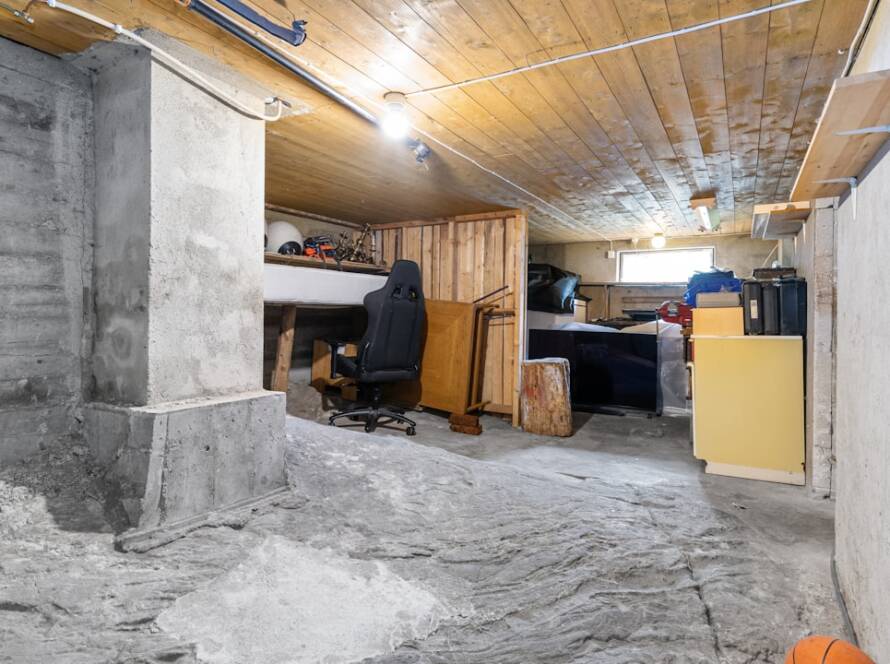
If your basement lacks windows or has low ceilings, you may need to explore options for increasing natural light and improving ventilation. This could involve installing egress windows or even raising the ceiling height if feasible. Once you have a clear understanding of the space, you can begin to identify potential renovations needed to create a comfortable living environment.
Essential Renovations
This may include installing insulation to regulate temperature, upgrading electrical systems to accommodate additional appliances, and ensuring plumbing is adequate for a bathroom and kitchenette. Depending on the current state of your basement, you might also need to address moisture issues or mold remediation before proceeding with any cosmetic changes. A well-planned renovation will not only enhance the aesthetic appeal of the space but also ensure it meets safety standards and provides a comfortable living experience.
Obtaining Permits and Meeting Building Codes
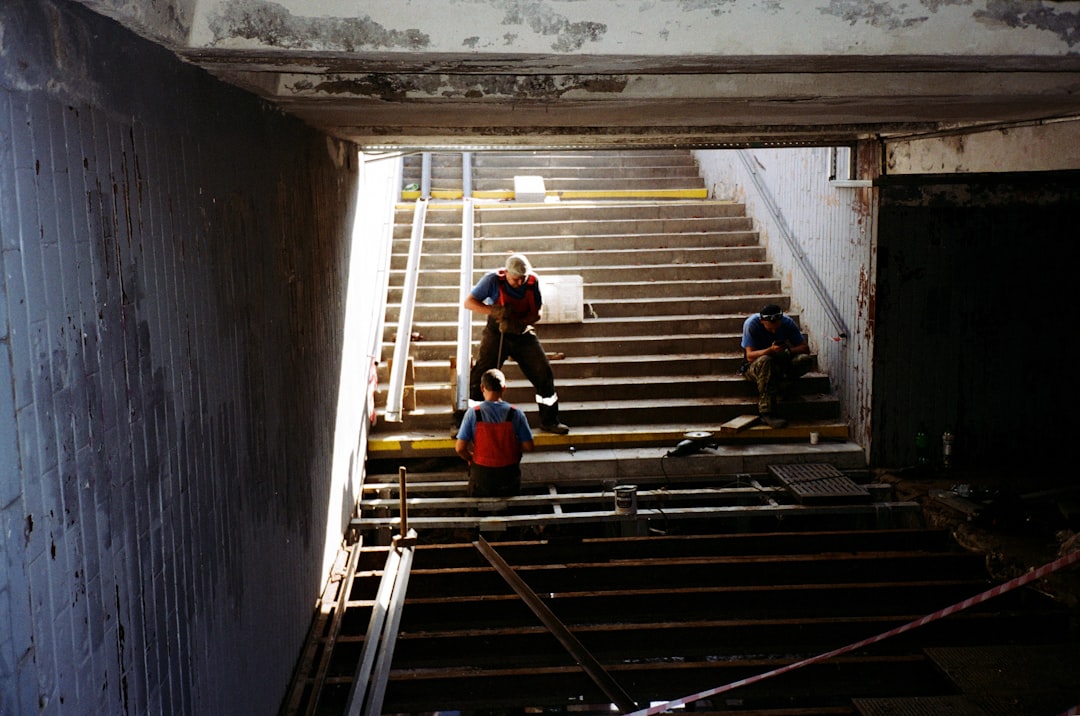
Navigating the legal landscape of home renovations can be daunting, especially when converting a basement into an in-law suite. In New York City, including Brooklyn, homeowners are required to obtain specific permits before commencing any significant construction work. This process typically involves submitting detailed plans to the Department of Buildings (DOB) and ensuring that your project complies with local zoning laws and building codes.
Failing to secure the necessary permits can lead to fines and complications down the line, so it is crucial to approach this step with diligence. Building codes are designed to ensure safety and livability standards are met. For instance, if you plan to add a bathroom or kitchenette, you must adhere to plumbing codes that dictate proper drainage and water supply systems.
Additionally, egress windows must meet specific size requirements to ensure they provide adequate escape routes in case of emergencies. Familiarizing yourself with these regulations early in the process will save you time and money in the long run.
Hiring Contractors and Labor Costs
Once you have assessed your space and secured the necessary permits, the next step is hiring contractors who will bring your vision to life. Selecting the right professionals is critical; their expertise will significantly impact the quality of your renovation. Start by gathering recommendations from friends or family who have undertaken similar projects or consult online platforms that provide reviews of local contractors.
It’s advisable to interview multiple candidates and request detailed estimates that outline labor costs, timelines, and materials. Labor costs can vary widely based on several factors, including the complexity of the project, the contractor’s experience level, and current market conditions. In Brooklyn, where demand for skilled labor is high, you may find that costs are on the higher end of the spectrum.
On average, homeowners can expect to pay between $50 to $150 per hour for skilled laborers, depending on their specialization. It’s essential to budget accordingly and factor in potential contingencies for unexpected expenses that may arise during construction.
Materials and Fixtures
The choice of materials and fixtures plays a pivotal role in defining the overall aesthetic and functionality of your in-law suite. When selecting flooring, consider options that are both durable and moisture-resistant, such as vinyl plank or tile. These materials not only withstand potential water exposure but also offer a modern look that can elevate the space’s appeal.
For walls, drywall is typically used; however, adding insulation can enhance energy efficiency and soundproofing. In terms of fixtures, investing in quality plumbing and electrical components is crucial for long-term satisfaction. For example, selecting energy-efficient appliances for the kitchenette can reduce utility costs while providing modern conveniences.
Lighting fixtures should also be carefully chosen; recessed lighting can create an open feel while providing ample illumination throughout the suite. Additionally, consider incorporating smart home technology for added convenience and security—features like smart thermostats or lighting systems can enhance both comfort and energy efficiency.
Additional Costs to Consider
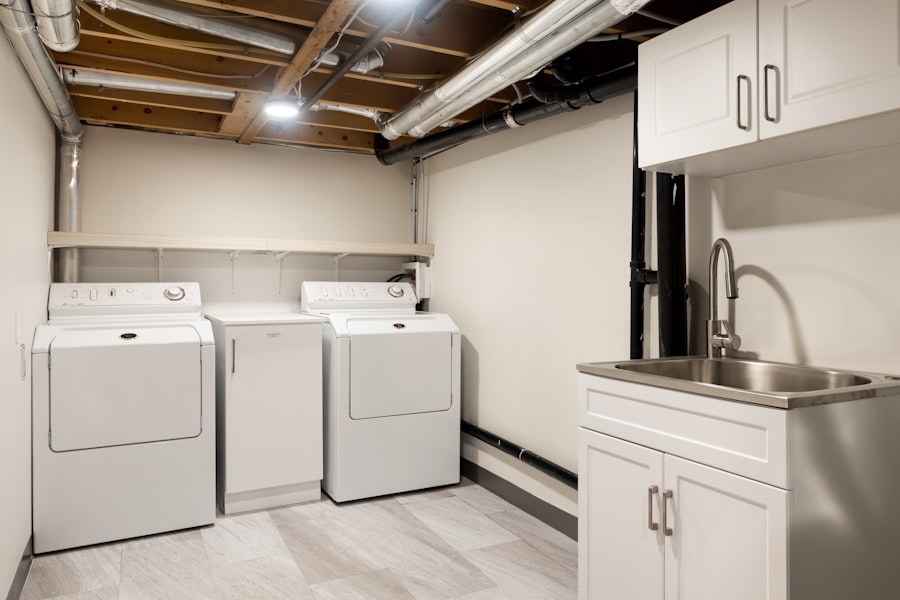
Beyond labor and materials, several additional costs may arise during your basement conversion project that should be factored into your budget. One significant expense could be related to waterproofing measures if your basement has a history of moisture issues. This might involve installing sump pumps or drainage systems to prevent water intrusion, which can add several thousand dollars to your overall costs.
Another consideration is furnishing the in-law suite once construction is complete. Depending on your family member’s needs, you may need to purchase furniture such as beds, sofas, kitchen tables, and storage solutions. Additionally, window treatments for privacy and insulation should not be overlooked; these can range from simple blinds to more elaborate drapery options that enhance the room’s decor.
Finally, don’t forget about landscaping or exterior improvements if you plan to create a separate entrance for the suite—these elements can significantly impact curb appeal.
Potential Return on Investment
Investing in a basement conversion can yield substantial returns when it comes time to sell your home or rent out the space. In Brooklyn’s competitive real estate market, properties with additional living spaces are often more desirable among buyers seeking flexibility for family arrangements or rental income opportunities. According to various real estate studies, adding an in-law suite can increase property value by as much as 20%, depending on location and market conditions.
Moreover, if you choose to rent out the suite as a short-term rental or long-term lease, this additional income stream can help offset mortgage payments or other housing costs. The demand for rental units in Brooklyn remains strong due to its vibrant culture and proximity to Manhattan; thus, having an in-law suite could provide financial benefits beyond mere property appreciation. However, it’s essential to research local rental regulations and market rates to ensure you maximize this potential return on investment.
Conclusion and Final Considerations
Converting your Brooklyn basement into an in-law suite is an exciting opportunity that requires careful planning and execution. From assessing the space and understanding building codes to hiring skilled contractors and selecting appropriate materials, each step plays a crucial role in achieving a successful transformation. While there are numerous factors to consider—such as labor costs, additional expenses, and potential returns—this project can significantly enhance both your living situation and property value.
As you embark on this journey, keep in mind that communication with contractors and adherence to local regulations will be vital in navigating any challenges that arise during construction. By investing time upfront in planning and budgeting effectively, you can create a beautiful in-law suite that meets your family’s needs while also contributing positively to your home’s overall value in Brooklyn’s dynamic real estate market.
If you are considering converting your Brooklyn basement into an in-law suite, you may also be interested in reading about some stylish makeovers that can elevate the interior design of your new space. Check out this article for some inspiration on how to transform your basement into a beautiful and functional living area for your loved ones.
FAQs
What is an in-law suite?
An in-law suite is a separate living space within a home that is typically designed for a family member, such as a parent or in-law, to live independently while still being connected to the main household.
What are the benefits of converting a Brooklyn basement into an in-law suite?
Converting a Brooklyn basement into an in-law suite can provide additional living space for family members, increase the value of the property, and potentially generate rental income.
What are the costs associated with converting a Brooklyn basement into an in-law suite?
The costs of converting a Brooklyn basement into an in-law suite can vary depending on factors such as the size of the space, the extent of the renovations, and the materials used. Common expenses include construction, plumbing, electrical work, and permits.
What are some considerations to keep in mind when converting a Brooklyn basement into an in-law suite?
Considerations when converting a Brooklyn basement into an in-law suite include ensuring compliance with local building codes, obtaining necessary permits, addressing any potential moisture or ventilation issues, and creating a separate entrance for the in-law suite.
Are there any zoning or legal considerations to be aware of when converting a Brooklyn basement into an in-law suite?
It is important to check with local zoning regulations and building codes to ensure that converting a Brooklyn basement into an in-law suite is permitted. Additionally, it may be necessary to obtain legal approval or permits for the renovation.