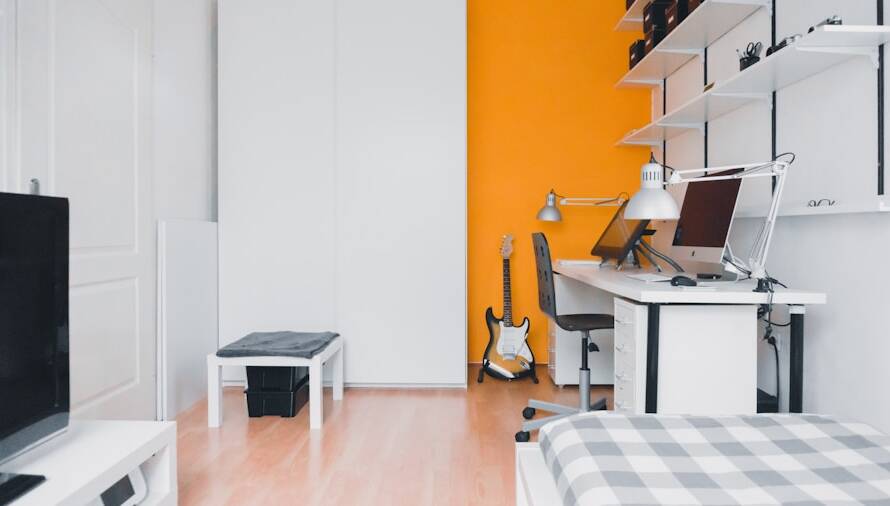
Natural light is a powerful element in interior design, capable of transforming a space by enhancing its ambiance and making it feel more expansive. To maximize natural light, one must first consider the orientation of windows and the layout of the room. South-facing windows typically receive the most sunlight throughout the day, while north-facing windows provide a softer, diffused light.
By strategically placing mirrors opposite these windows, you can reflect and amplify the incoming light, creating a brighter atmosphere. For instance, a large, decorative mirror can serve as both a focal point and a functional tool to bounce light around the room, making it feel more open and inviting. In addition to mirrors, the choice of window treatments plays a crucial role in harnessing natural light.
Opting for sheer curtains or blinds that can be easily adjusted allows for flexibility in controlling the amount of light entering the space. Heavy drapes can block out valuable sunlight, so it’s wise to select lighter fabrics that filter light rather than obstruct it. Furthermore, keeping windows clean and unobstructed by furniture or decor ensures that as much light as possible can enter the room.
Incorporating skylights or larger windows can also significantly enhance natural light, especially in areas that may otherwise feel dark or cramped.
Key Takeaways
- Maximize natural light by using sheer curtains, mirrors, and light-colored furniture to reflect and amplify the sunlight.
- Choose artwork that complements the room’s color scheme and style, and consider mixing different sizes and mediums for visual interest.
- Create a gallery wall by arranging artwork in a cohesive manner, using a mix of frames and spacing to create a balanced look.
- Incorporate functional decor such as storage ottomans, decorative baskets, and wall-mounted shelves to add both style and practicality to the space.
- Utilize vertical space by adding tall bookshelves, hanging plants, and wall-mounted lighting to draw the eye upward and make the room feel larger.
Choosing the Right Artwork
Artwork is an essential component of interior design, serving not only as decoration but also as a means of expressing personal style and enhancing the overall aesthetic of a space. When selecting artwork, it’s important to consider the color palette and theme of the room. For example, if a room features a neutral color scheme, bold and vibrant artwork can create a striking contrast that draws the eye and adds visual interest.
Conversely, if the space is already filled with color, opting for more subdued or monochromatic pieces can help maintain balance and harmony. The scale of the artwork is another critical factor to consider. Large pieces can serve as statement items that anchor a room, while smaller works can be grouped together to create a cohesive look.
When choosing artwork, think about how it interacts with other elements in the room. For instance, a large canvas above a sofa can create a focal point, while smaller pieces arranged on a shelf or side table can add layers and depth to the decor. Additionally, incorporating different mediums—such as photography, paintings, or sculptures—can create a dynamic visual experience that keeps the eye engaged.
Creating a Gallery Wall
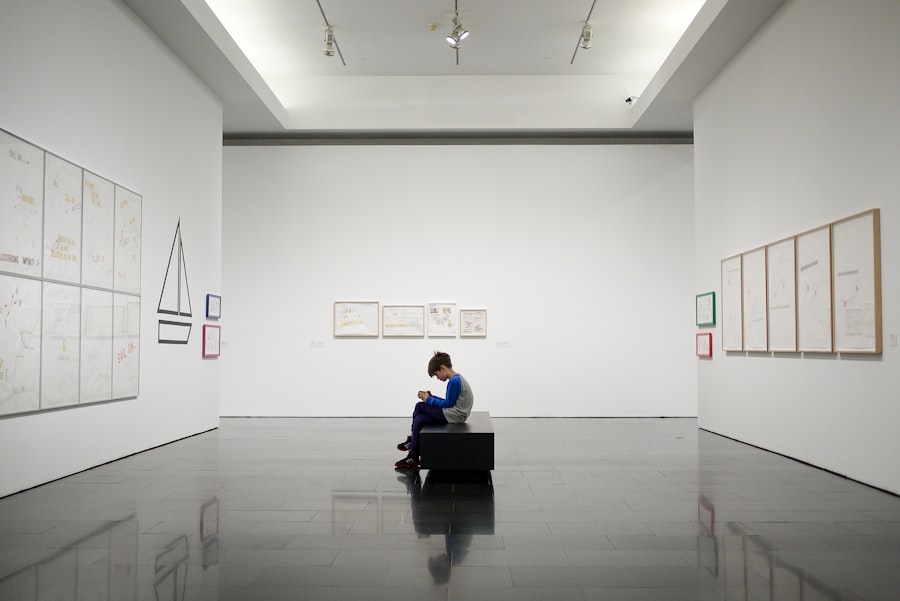
A gallery wall is an excellent way to showcase personal style and create an engaging focal point in any room. This design technique involves arranging multiple pieces of art or photographs in a cohesive manner on one wall. To begin creating a gallery wall, it’s essential to select a theme or color scheme that ties the pieces together.
This could be based on a specific color palette, subject matter, or even frame styles. For example, using black and white photographs in matching frames can create a sophisticated and timeless look. When arranging the artwork, consider the layout carefully.
A grid pattern offers a clean and organized appearance, while an eclectic arrangement can convey a more casual and artistic vibe. It’s helpful to lay out the pieces on the floor first to experiment with different configurations before committing to hanging them on the wall. Additionally, varying the sizes of the frames can add visual interest; however, maintaining some consistency in frame color or style will help unify the display.
Once hung, a gallery wall not only serves as an artistic statement but also invites conversation and reflection.
Incorporating Functional Decor
Functional decor merges aesthetics with practicality, allowing homeowners to enhance their spaces without sacrificing utility. This approach involves selecting items that serve a purpose while also contributing to the overall design scheme. For instance, decorative baskets can be used for storage while adding texture and warmth to a room.
Similarly, stylish shelving units can display books and decorative objects while keeping clutter at bay. Another example of functional decor is multi-purpose furniture. Ottomans that double as storage units or coffee tables with built-in shelves exemplify how design can be both beautiful and practical.
In kitchens, decorative cutting boards or stylish utensil holders can serve as both functional tools and attractive decor elements. By thoughtfully incorporating functional decor into your space, you can create an environment that is not only visually appealing but also enhances everyday living.
Utilizing Vertical Space
In many homes, vertical space is often underutilized, yet it presents an opportunity to enhance both functionality and aesthetics. By drawing the eye upward, you can create an illusion of height and spaciousness in a room. One effective way to utilize vertical space is through tall bookshelves or cabinets that reach up to the ceiling.
These not only provide ample storage but also create an impressive visual impact. When styling these shelves, consider mixing books with decorative objects to add interest and break up the monotony. Another approach to maximizing vertical space is through wall-mounted decor such as floating shelves or art installations.
Floating shelves can display plants, books, or decorative items without taking up valuable floor space. Additionally, hanging plants or artwork at varying heights can create depth and intrigue within a room. Utilizing vertical space effectively not only enhances storage solutions but also contributes to a more dynamic and visually engaging environment.
Adding Personal Touches
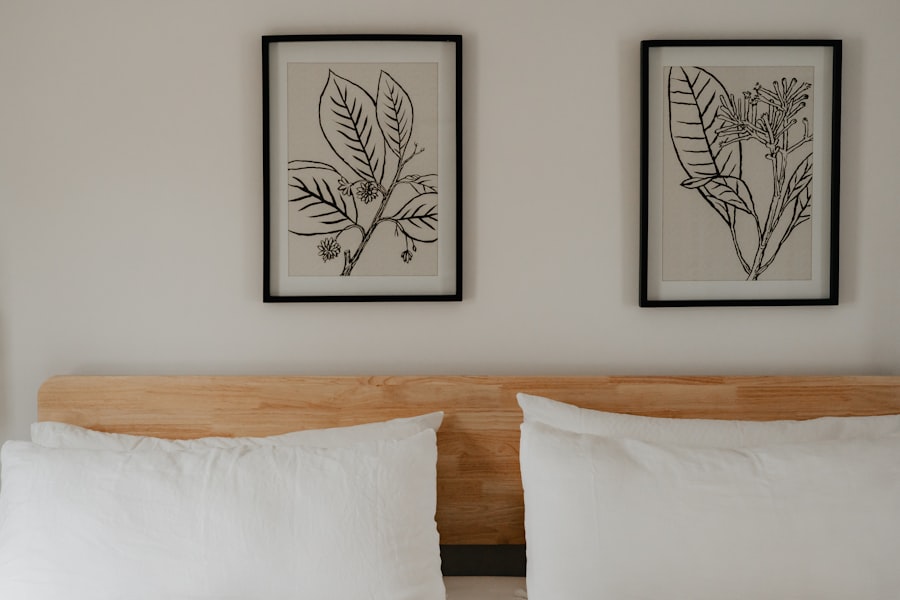
Displaying Cherished Memories
Family photographs displayed in unique frames or travel souvenirs arranged on shelves can evoke cherished memories while enhancing the decor. These items tell your story and invite guests to connect with you on a deeper level.
Adding Authenticity with Handmade Items
In addition to personal mementos, consider incorporating handmade items or DIY projects into your decor. A hand-knitted throw blanket draped over a sofa or custom artwork created by you or loved ones adds authenticity and uniqueness to your home.
Creating an Emotional Connection
These personal touches not only enhance the aesthetic appeal but also foster an emotional connection to your living space, making it truly yours.
Selecting the Right Lighting
Lighting is one of the most crucial aspects of interior design, influencing mood and functionality within a space. The right lighting can highlight architectural features, enhance colors, and create an inviting atmosphere. When selecting lighting fixtures, consider layering different types of lighting: ambient (general), task (specific areas), and accent (highlighting features).
For example, pendant lights over a dining table provide task lighting while also serving as decorative elements. In addition to fixtures, consider the color temperature of bulbs used throughout your home. Warmer tones (around 2700K) create a cozy ambiance ideal for living spaces and bedrooms, while cooler tones (around 4000K) are better suited for workspaces where focus is essential.
Dimmers are another valuable addition; they allow you to adjust brightness levels according to time of day or activity, providing versatility in how you experience your space.
Embracing the Industrial Aesthetic
The industrial aesthetic has gained popularity in recent years for its raw and edgy appeal.
To incorporate industrial elements into your home, start by selecting materials that reflect this aesthetic—think steel beams, concrete floors, and vintage lighting fixtures.
Furniture choices play a significant role in achieving an industrial look as well. Opt for pieces made from reclaimed wood or metal with distressed finishes to enhance authenticity. Open shelving made from pipes or metal frames can add both functionality and style while showcasing decorative items or books.
By embracing the industrial aesthetic, you create an environment that feels modern yet grounded in history—a perfect blend of form and function that resonates with many contemporary homeowners.
If you’re looking for more renovation tips to transform your space, check out this article on innovative home solutions for a modern lifestyle. This article offers valuable insights on how to update your basement apartment to better suit your needs and style preferences. By incorporating art and decor into your space, you can create a cozy and inviting atmosphere that reflects your personality. Explore the possibilities and get inspired to transform your basement into a stylish and functional living area.
FAQs
What are some tips for incorporating art and decor in a Brooklyn basement apartment?
Some tips for incorporating art and decor in a Brooklyn basement apartment include utilizing light-colored and reflective surfaces to brighten the space, choosing artwork that complements the overall aesthetic of the apartment, and incorporating functional decor items to maximize the use of space.
What are some popular art and decor styles for Brooklyn basement apartments?
Popular art and decor styles for Brooklyn basement apartments include industrial, minimalist, and modern styles. These styles often incorporate clean lines, neutral colors, and functional furniture to create a sleek and contemporary look.
How can I maximize the use of space in my Brooklyn basement apartment when incorporating art and decor?
To maximize the use of space in a Brooklyn basement apartment when incorporating art and decor, consider using multi-functional furniture, utilizing wall space for artwork and shelving, and incorporating mirrors to create the illusion of a larger space.
What are some budget-friendly ways to incorporate art and decor in a Brooklyn basement apartment?
Budget-friendly ways to incorporate art and decor in a Brooklyn basement apartment include DIY artwork, thrift store finds, and utilizing affordable decor items such as throw pillows, rugs, and curtains to add personality and style to the space without breaking the bank.