Basement waterproofing issues are a prevalent concern for homeowners in Brooklyn, where the unique geological and climatic conditions can lead to significant water intrusion problems. One of the most common issues is groundwater seepage, which occurs when water from the surrounding soil finds its way into the basement through cracks in the foundation or porous concrete walls. This is particularly problematic in areas with high water tables or heavy rainfall, as the pressure from the saturated soil can force water into even the smallest openings.
Homeowners often notice damp spots on walls, musty odors, or even mold growth, all of which are indicators that water is infiltrating their basements. Another frequent issue is surface water runoff, which can accumulate around the foundation of a home due to improper grading or inadequate drainage systems. In Brooklyn, where many homes are built close together, this can exacerbate the problem, as water from neighboring properties can flow toward a home’s foundation.
Additionally, plumbing leaks from pipes or appliances located in the basement can contribute to moisture problems. These leaks can go unnoticed for extended periods, leading to significant damage and costly repairs if not addressed promptly. Understanding these common issues is crucial for Brooklyn homeowners to take proactive measures in protecting their basements from water damage.
Key Takeaways
- Common basement waterproofing issues in Brooklyn include foundation cracks, poor drainage, and high water tables.
- Basement waterproofing is important for Brooklyn homes to prevent water damage, mold growth, and structural issues.
- Exterior basement waterproofing systems include French drains, waterproof membranes, and proper grading to direct water away from the foundation.
- Interior basement waterproofing systems such as sump pumps and interior drainage systems help manage water that has already entered the basement.
- French drain systems are effective for basement waterproofing in Brooklyn, as they collect and redirect water away from the foundation.
- Sump pump systems are essential for basement waterproofing in Brooklyn to remove excess water and prevent flooding.
- Basement waterproofing membranes and sealants create a barrier against water intrusion and are crucial for long-term protection.
- Choosing the right basement waterproofing system for your Brooklyn home depends on factors such as the severity of the issue, budget, and the home’s foundation type.
Importance of Basement Waterproofing for Brooklyn Homes
The importance of basement waterproofing cannot be overstated for homeowners in Brooklyn. A well-maintained basement not only enhances the overall value of a property but also provides a safe and healthy living environment. Water intrusion can lead to structural damage over time, compromising the integrity of the foundation and leading to costly repairs.
By investing in effective waterproofing solutions, homeowners can mitigate these risks and ensure their basements remain dry and usable. In addition to health and structural concerns, waterproofing a basement can significantly increase the usable space within a home.
Many Brooklyn homeowners utilize their basements for storage, laundry rooms, or even as additional living spaces. A dry and well-maintained basement can be transformed into a comfortable area for recreation or relaxation, adding valuable square footage to the home. Furthermore, with the increasing trend of urban living and limited space in Brooklyn, maximizing every square foot is essential.
Therefore, waterproofing not only protects against damage but also enhances the functionality and livability of a home.
Exterior Basement Waterproofing Systems
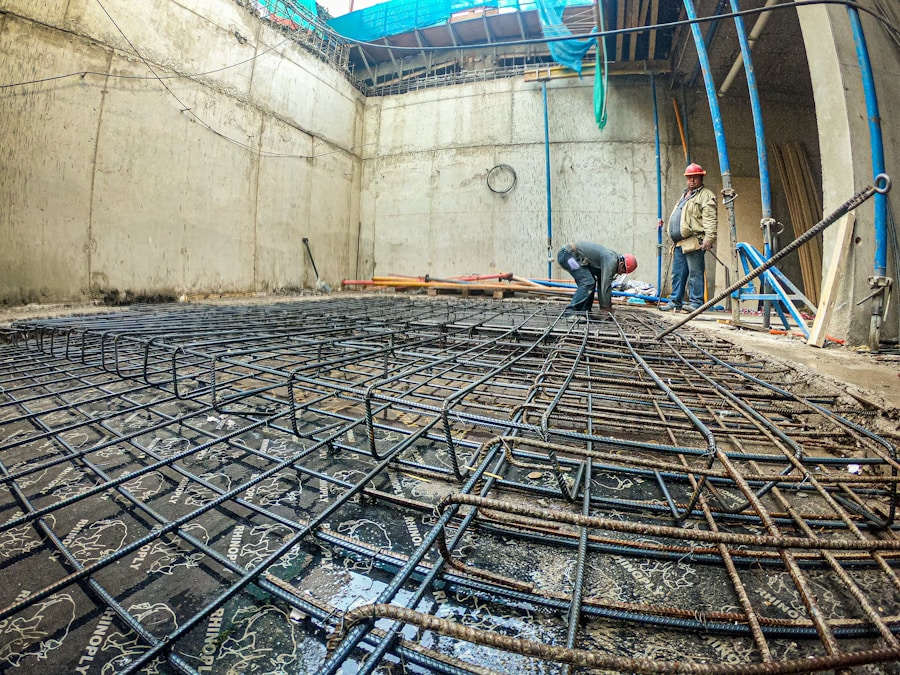
Exterior basement waterproofing systems are designed to prevent water from entering a basement by addressing issues at the source—outside the home. One of the most effective methods involves excavating around the foundation to install a waterproof barrier. This barrier typically consists of a combination of materials such as rubberized asphalt or polyethylene sheeting that is applied directly to the exterior walls of the basement.
This method creates a watertight seal that prevents moisture from penetrating through the walls and into the basement. In addition to applying a waterproof barrier, exterior systems often include drainage solutions such as weeping tiles or perforated pipes that redirect water away from the foundation. These systems are installed at the base of the foundation and collect any groundwater that may accumulate during heavy rains or snowmelt.
The collected water is then channeled away from the home, reducing hydrostatic pressure against the foundation walls. While exterior waterproofing systems can be more expensive due to excavation and labor costs, they provide long-term protection and are often more effective than interior solutions in preventing water intrusion.
Interior Basement Waterproofing Systems
Interior basement waterproofing systems focus on managing water that has already entered the basement rather than preventing it from getting in. One common approach is to install an interior drainage system, which typically involves placing a perforated drain pipe along the perimeter of the basement floor. This pipe collects any water that seeps through the walls or floor and directs it to a sump pump for removal.
Interior drainage systems are often less invasive than exterior solutions since they do not require excavation around the foundation. Another popular interior waterproofing method is applying sealants or coatings to basement walls and floors. These products create a barrier that helps prevent moisture from penetrating through porous concrete surfaces.
While sealants can be effective for minor moisture issues, they may not be sufficient for more severe water intrusion problems. Homeowners should consider combining interior solutions with other methods, such as sump pumps or dehumidifiers, to effectively manage moisture levels in their basements.
French Drain Systems for Basement Waterproofing
French drain systems are a widely used solution for managing groundwater and preventing water accumulation around a home’s foundation. This system consists of a trench filled with gravel or rock that contains a perforated pipe at its base. The design allows water to flow into the pipe from surrounding soil while filtering out debris through the gravel layer.
Once collected, the water is directed away from the foundation, effectively reducing hydrostatic pressure and minimizing the risk of water intrusion. In Brooklyn, where heavy rains can lead to rapid water accumulation, French drains are particularly beneficial. They can be installed both inside and outside of basements, depending on specific needs and site conditions.
For exterior applications, French drains are typically placed around the perimeter of a home’s foundation during new construction or major renovations. For existing homes experiencing water issues, interior French drains can be installed along basement floors to capture seepage before it causes damage. This versatility makes French drain systems an essential component of many comprehensive basement waterproofing strategies.
Sump Pump Systems for Basement Waterproofing
The Function of a Sump Pump
A sump pump is typically installed in a sump pit—a specially designed basin located at the lowest point of the basement floor—where it collects excess water from interior drainage systems or groundwater seepage. Once the water level in the pit rises above a certain threshold, the pump activates and discharges the water outside the home through a discharge pipe.
Importance of Sump Pumps in Urban Environments
In Brooklyn’s urban environment, where heavy rainfall and flooding can occur, having a reliable sump pump system is essential for protecting basements from water damage.
Advanced Features of Modern Sump Pumps
Many modern sump pumps come equipped with battery backup systems that ensure continued operation during power outages—a common occurrence during severe storms. Additionally, some models feature smart technology that allows homeowners to monitor their sump pump’s performance remotely via smartphone apps, providing peace of mind that their basement remains protected even when they are away.
Basement Waterproofing Membranes and Sealants
Basement waterproofing membranes and sealants are crucial components in preventing moisture intrusion and protecting against water damage. Membranes are typically made from materials such as rubberized asphalt or polyethylene and are applied directly to basement walls and floors to create a barrier against moisture penetration. These membranes can be used in both interior and exterior applications and are particularly effective when combined with other waterproofing methods.
Sealants, on the other hand, are liquid products that can be applied to concrete surfaces to fill in cracks and pores that may allow moisture to seep through. They come in various formulations, including epoxy-based and polyurethane-based options, each offering different levels of durability and flexibility. While sealants can provide an additional layer of protection against moisture intrusion, they should not be relied upon as standalone solutions for severe water issues.
Instead, they work best when integrated into a comprehensive waterproofing strategy that includes drainage systems and sump pumps.
Choosing the Right Basement Waterproofing System for Your Brooklyn Home
Selecting the appropriate basement waterproofing system for a Brooklyn home requires careful consideration of several factors, including the specific moisture issues present, budget constraints, and long-term goals for the space. Homeowners should begin by assessing their basements for signs of water intrusion—such as dampness on walls or floors—and identifying potential sources of moisture like groundwater seepage or plumbing leaks. Once these factors have been evaluated, homeowners can consult with professional waterproofing contractors who specialize in local conditions and building practices.
These experts can provide tailored recommendations based on individual circumstances and help homeowners understand the benefits and limitations of various waterproofing methods. Ultimately, investing in a comprehensive waterproofing solution not only protects against immediate water damage but also enhances property value and livability for years to come in Brooklyn’s unique urban landscape.
If you are considering renovating your basement in Brooklyn, you may want to check out The Best Solutions & Ideas for Renovating Your Home article for some inspiration. This article discusses various renovation ideas and solutions that can help you transform your basement into a functional and beautiful space. When it comes to basement waterproofing systems, it is important to consider cutting-edge innovations in hardware technology, which you can learn more about in Cutting-Edge Innovations in Hardware Technology article. These innovations can help ensure that your basement remains dry and protected from water damage.
FAQs
What are the common causes of basement water issues in Brooklyn homes?
Common causes of basement water issues in Brooklyn homes include poor drainage, foundation cracks, hydrostatic pressure, and heavy rainfall.
What are the best basement waterproofing systems for Brooklyn homes?
The best basement waterproofing systems for Brooklyn homes include interior drainage systems, exterior waterproofing membranes, sump pumps, and dehumidifiers.
How do interior drainage systems help in basement waterproofing?
Interior drainage systems help in basement waterproofing by collecting water that seeps through the foundation walls and directing it to a sump pump for removal.
What is the role of exterior waterproofing membranes in basement waterproofing?
Exterior waterproofing membranes create a barrier between the foundation walls and the surrounding soil, preventing water from seeping into the basement.
How do sump pumps contribute to basement waterproofing?
Sump pumps remove water that accumulates in the basement through a network of drainage pipes, preventing flooding and water damage.
Why are dehumidifiers important in basement waterproofing?
Dehumidifiers help in basement waterproofing by reducing the moisture levels in the air, preventing mold and mildew growth, and creating a drier and healthier environment.