Maximizing space in a small basement requires a strategic approach that combines organization, creativity, and functionality. One of the first steps is to assess the available area and identify its potential uses. For instance, if the basement has low ceilings, it may not be suitable for traditional furniture arrangements.
Instead, consider using built-in shelving or wall-mounted storage solutions that draw the eye upward, creating an illusion of height while providing ample storage. Additionally, decluttering is essential; removing unnecessary items can free up valuable space and make the area feel larger and more inviting. Another effective strategy is to create designated zones within the basement.
By dividing the space into specific areas for different activities—such as a home office, a play area for children, or a cozy reading nook—you can maximize functionality without overwhelming the space. Use rugs or furniture arrangements to delineate these zones visually. For example, a small sofa paired with a coffee table can define a relaxation area, while a desk in the corner can serve as a workspace.
This approach not only enhances organization but also makes the basement feel more purposeful and less cramped.
Key Takeaways
- Maximize space in a small basement by using built-in storage solutions and multi-functional furniture.
- Get creative with storage by using wall-mounted shelves, under-stair storage, and hidden storage compartments.
- Design a functional layout by considering the flow of traffic and creating designated zones for different activities.
- Brighten up a small basement with strategic lighting placement, including overhead lights, task lighting, and natural light sources.
- Choose the right flooring for a small basement by considering moisture resistance, durability, and comfort.
Creative Storage Solutions for a Small Basement
When it comes to small basements, creative storage solutions are paramount to maintaining order and maximizing utility. One innovative idea is to utilize under-stair storage. This often-overlooked space can be transformed into a functional area by installing shelves or cabinets that fit snugly beneath the staircase.
This not only provides additional storage but also keeps items out of sight, contributing to a cleaner aesthetic. For those with more extensive collections or seasonal items, consider using clear plastic bins labeled with their contents, making it easy to find what you need without rummaging through boxes. Another clever storage solution involves repurposing furniture.
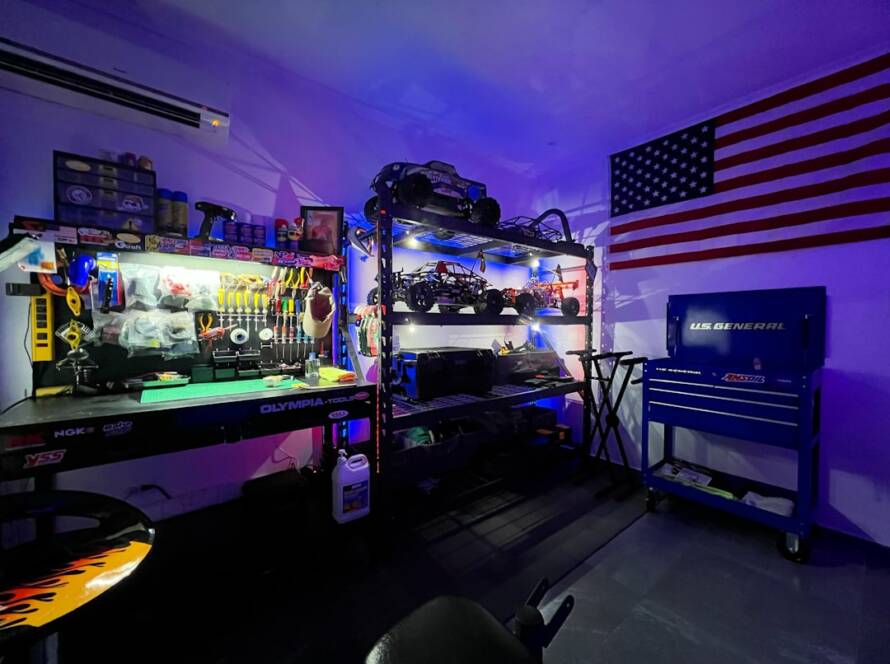
For instance, an old trunk can serve as both a coffee table and a storage unit for blankets or board games. Similarly, ottomans with hidden compartments can provide extra seating while discreetly storing items like magazines or remote controls. Wall-mounted pegboards are also an excellent option for organizing tools or craft supplies, allowing for easy access while keeping surfaces clear.
By thinking outside the box and utilizing everyday items in new ways, you can create a highly functional storage system that enhances the overall usability of your small basement.
Designing a Functional Layout for a Small Basement
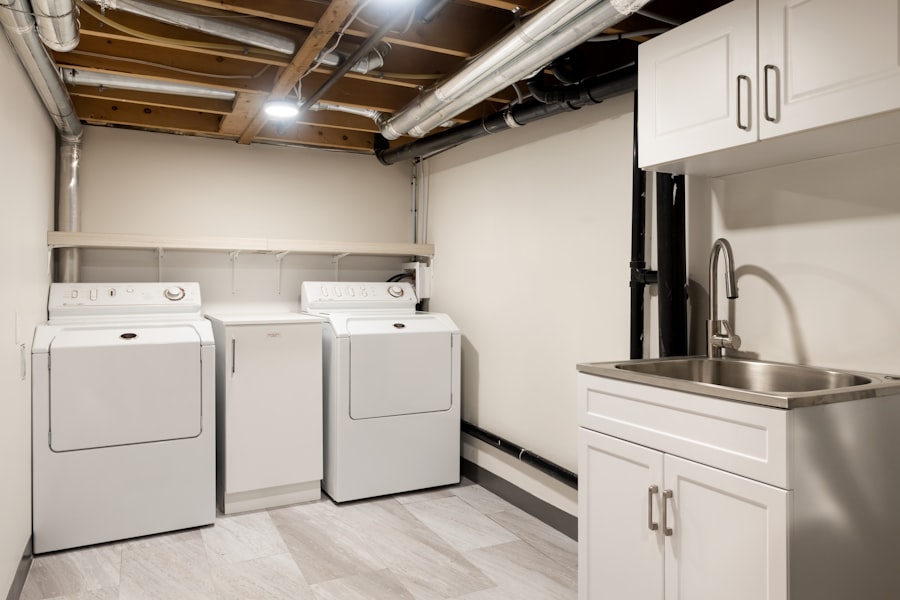
Designing a functional layout in a small basement involves careful planning and consideration of how the space will be used. Start by measuring the dimensions of the basement and sketching out potential layouts that accommodate your needs. It’s crucial to prioritize flow; ensure that there is enough room for movement between different areas without feeling cramped.
For example, if you plan to include a seating area, position it away from high-traffic paths to avoid congestion and create a more inviting atmosphere. Incorporating flexible furniture arrangements can also enhance functionality.
For instance, lightweight chairs can be moved around to accommodate gatherings or family activities, while foldable tables can be stored away when not in use. Additionally, consider the placement of electrical outlets and lighting fixtures when designing your layout; ensuring that these elements are conveniently located will enhance usability and comfort in your small basement.
Lighting Tips for Brightening up a Small Basement
Lighting plays a crucial role in transforming a small basement from dark and dreary to bright and welcoming. One effective strategy is to maximize natural light by using light-colored window treatments that allow sunlight to filter through while maintaining privacy. If your basement lacks windows, consider installing recessed lighting or track lighting to create an even distribution of light throughout the space.
These fixtures can be strategically placed to highlight specific areas, such as artwork or shelving, adding depth and interest to the overall design. In addition to overhead lighting, incorporating various light sources can enhance the ambiance of your small basement. Table lamps and floor lamps can provide warm, inviting light in seating areas, while wall sconces can add character and style without taking up valuable floor space.
Using dimmable lights allows you to adjust the brightness according to the time of day or activity, creating a versatile environment that suits different moods and functions. By layering your lighting effectively, you can create an inviting atmosphere that makes your small basement feel more spacious and comfortable.
Choosing the Right Flooring for a Small Basement
Selecting the right flooring for a small basement is essential for both aesthetics and functionality. Given that basements are often prone to moisture issues, it’s crucial to choose materials that are durable and resistant to water damage. Vinyl flooring is an excellent option due to its versatility and ease of maintenance; it comes in various styles that can mimic wood or tile while providing waterproof protection.
Additionally, luxury vinyl planks offer comfort underfoot and can be installed over existing flooring without extensive preparation. Another popular choice is laminate flooring, which provides a stylish appearance at a lower cost than hardwood while being resistant to scratches and stains. However, it’s important to ensure proper moisture barriers are in place before installation to prevent warping or damage over time.
For those seeking warmth and comfort, consider using area rugs on top of hard surfaces; they not only add texture but also help define different areas within the basement. By carefully selecting flooring materials that suit your needs and style preferences, you can enhance both the functionality and visual appeal of your small basement.
Creating a Cozy Atmosphere in a Small Basement

Soft Textiles for Tactile Comfort
Start by incorporating soft textiles such as plush throw blankets, decorative pillows, and area rugs that invite relaxation. These elements not only add visual interest but also create tactile comfort that makes the space feel more inviting.
Layering Textures and Colors
Layering different textures—like combining knit throws with smooth cushions—can enhance the cozy vibe while adding depth to your decor. Color selection also plays a significant role in establishing a warm atmosphere. Opt for warm neutrals or soft pastels on walls to create an inviting backdrop that feels open yet intimate.
Personal Touches for Emotional Connection
Accent walls painted in deeper hues can add drama without overwhelming the space. Additionally, incorporating personal touches such as family photos or artwork can make the basement feel more like home, fostering an emotional connection to the space. By focusing on comfort through textiles, color, and personal elements, you can transform your small basement into a cozy retreat.
Incorporating Multi-Functional Furniture in a Small Basement
In small basements where space is at a premium, incorporating multi-functional furniture is an intelligent way to maximize utility without sacrificing style. Consider investing in a sofa bed that serves as both seating during the day and converts into a sleeping area at night for guests. This dual-purpose piece allows you to host visitors without needing additional bedrooms while maintaining an open layout during regular use.
Another excellent option is using coffee tables with built-in storage or ottomans that double as seating and storage units. These pieces provide practical solutions for keeping clutter at bay while offering flexibility in how you use the space. Nesting tables are also ideal for small areas; they can be separated when needed for entertaining but tucked away when not in use, freeing up valuable floor space.
By selecting furniture that serves multiple purposes, you can create an efficient layout that adapts to your lifestyle.
Utilizing Vertical Space in a Small Basement
Utilizing vertical space is essential in maximizing every inch of a small basement effectively. One of the most straightforward methods is installing tall shelving units that reach up to the ceiling; this not only provides ample storage but also draws the eye upward, creating an illusion of height within the room. Use decorative baskets or bins on these shelves to keep items organized while adding visual appeal.
Wall-mounted cabinets are another excellent way to take advantage of vertical space without consuming floor area. These cabinets can house everything from books to seasonal decorations while keeping surfaces clear for other uses. Additionally, consider hanging hooks or pegboards for items like bicycles or tools; this keeps them off the floor while making them easily accessible when needed.
By creatively utilizing vertical space through shelving and wall-mounted solutions, you can significantly enhance both storage capacity and overall functionality in your small basement.
Adding a Touch of Luxury to a Small Basement
Even in small basements, it’s possible to infuse elements of luxury that elevate the overall design aesthetic. Start by selecting high-quality materials for key features such as countertops or cabinetry; opting for natural stone or custom finishes can add sophistication without overwhelming the space. Incorporating elegant lighting fixtures—like chandeliers or designer pendant lights—can also create focal points that draw attention upward while adding an air of opulence.
Textiles play an important role in conveying luxury as well; consider using rich fabrics such as velvet or silk for cushions and drapes that add depth and richness to the decor. Layering these textiles with plush rugs can create an inviting atmosphere reminiscent of upscale lounges or boutique hotels. Additionally, incorporating artwork or decorative accents made from metals like brass or gold can further enhance the luxurious feel of your small basement without requiring extensive renovations.
Incorporating Technology in a Small Basement Renovation
Incorporating technology into your small basement renovation can significantly enhance its functionality and comfort level. Smart home devices such as thermostats allow you to control temperature settings remotely, ensuring your basement remains comfortable year-round regardless of external conditions.
Entertainment technology is another aspect worth considering; installing built-in speakers or sound systems can transform your basement into an entertainment hub without cluttering the space with bulky equipment. Wall-mounted televisions save floor space while providing an immersive viewing experience for movie nights or gaming sessions with friends and family. By thoughtfully integrating technology into your renovation plans, you can create a modernized basement that meets contemporary lifestyle demands.
Budget-Friendly Ideas for Renovating a Small Basement
Renovating a small basement on a budget doesn’t mean sacrificing style or functionality; there are numerous cost-effective strategies that yield impressive results without breaking the bank. One approach is to focus on cosmetic updates rather than extensive structural changes; painting walls in light colors can instantly brighten up the space while making it feel larger. Additionally, refinishing existing furniture instead of purchasing new pieces can save money while adding character through personalized touches.
DIY projects are another excellent way to keep costs down during renovation efforts; building your own shelves or repurposing old furniture into new configurations allows for creativity while minimizing expenses associated with hiring professionals. Thrift stores and online marketplaces often have hidden gems waiting to be discovered—furniture pieces that just need some love or decor items that fit perfectly into your vision at a fraction of retail prices. By embracing budget-friendly ideas like these, you can achieve an attractive and functional small basement renovation without overspending.
If you’re looking for more tips on maximizing the potential of your small basement renovation project, be sure to check out