Basement apartments in Brooklyn, New York, have become an increasingly popular housing option, particularly in a city where space is at a premium. These units often provide a more affordable alternative to traditional apartments, making them attractive to a diverse range of tenants, including students, young professionals, and families. The borough’s unique architectural landscape, characterized by brownstones and row houses, often includes basements that can be converted into livable spaces.
This trend has led to a significant rise in the number of basement apartments available for rent, reflecting the ongoing demand for housing in one of the most densely populated areas in the United States. However, the rise of basement apartments is not without its challenges. Many of these units exist in a legal gray area, as they may not always comply with local zoning laws and building codes.
This situation can create complications for both landlords and tenants, particularly regarding safety, legality, and tenant rights. Understanding the intricacies of renting or living in a basement apartment in Brooklyn is essential for anyone considering this option. This article will delve into the various aspects of basement apartments, including zoning laws, building codes, legal requirements, tenant rights, and landlord responsibilities.
Key Takeaways
- Basement apartments in Brooklyn, NY are a popular housing option due to affordability and availability.
- Zoning laws and regulations in Brooklyn dictate the legal requirements for basement apartments, including occupancy and safety standards.
- Building codes and safety requirements for basement apartments in Brooklyn ensure that these units meet minimum standards for habitability and safety.
- Legal requirements for renting a basement apartment in Brooklyn include lease agreements, security deposits, and tenant rights.
- Permits and certifications are needed for basement apartment rentals in Brooklyn to ensure compliance with building and safety regulations.
- Tenant rights and protections for basement apartment renters in Brooklyn include the right to a safe and habitable living space.
- Landlord responsibilities and obligations for basement apartments in Brooklyn include maintenance, repairs, and providing essential services.
- Renting an illegal basement apartment in Brooklyn can result in fines, eviction, and legal consequences for both landlords and tenants.
- Resources for landlords and tenants regarding basement apartment rentals in Brooklyn include government agencies and housing organizations.
- Recent changes and updates to basement apartment regulations in Brooklyn may impact the legal requirements and standards for these units.
- Conclusion and recommendations for renting a basement apartment in Brooklyn include thorough research, understanding legal obligations, and seeking professional guidance when necessary.
Zoning Laws and Regulations for Basement Apartments
Zoning laws play a crucial role in determining how properties can be used within a given area. In Brooklyn, these regulations dictate whether a basement can be legally converted into a residential unit. Generally, zoning laws are designed to ensure that land use is compatible with the surrounding environment and to maintain the character of neighborhoods.
In many residential zones, basement apartments are permitted under specific conditions; however, there are restrictions that landlords must adhere to in order to avoid penalties. For instance, certain zoning districts may require that basement apartments have direct access to the outside, which is essential for safety and egress purposes. Additionally, the size of the unit and the number of occupants may be regulated based on the overall square footage of the property.
Landlords must also consider parking requirements and whether their property is located in a historic district, which may impose further restrictions on modifications. Understanding these zoning laws is vital for landlords looking to convert their basements into rental units legally.
Building Codes and Safety Requirements for Basement Apartments
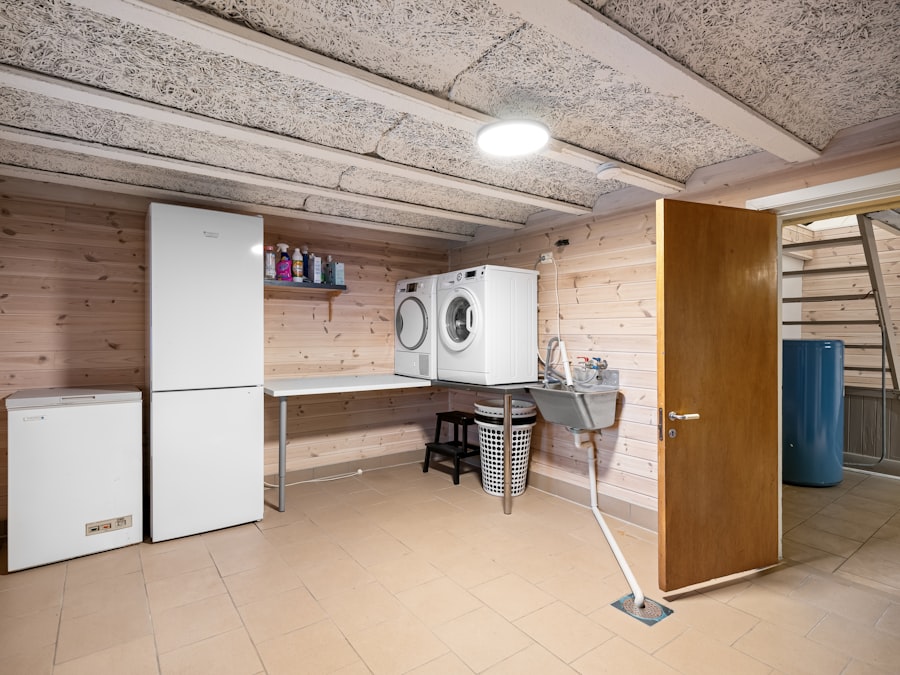
In addition to zoning laws, building codes are another critical aspect of establishing a legal basement apartment.
In Brooklyn, basement apartments must comply with specific requirements regarding ventilation, lighting, plumbing, and electrical systems.
For example, adequate natural light must be provided through windows that meet size requirements relative to the floor area of the apartment. This is not only a matter of comfort but also a safety measure to ensure that tenants have an escape route in case of emergencies. Moreover, safety requirements extend to fire safety measures such as smoke detectors and carbon monoxide detectors.
The New York City Fire Code mandates that all residential units have functioning smoke alarms installed in appropriate locations. Additionally, basement apartments must have proper egress routes—meaning tenants should have a safe way to exit the unit in case of an emergency. This often involves having windows that can be opened easily or doors leading directly outside.
Failure to comply with these building codes can result in fines or even eviction for tenants living in illegal units.
Legal Requirements for Renting a Basement Apartment in Brooklyn
Renting a basement apartment in Brooklyn comes with its own set of legal requirements that both landlords and tenants must understand. For landlords, it is essential to ensure that their property complies with all local laws before renting out a basement unit. This includes obtaining any necessary permits and ensuring that the apartment meets safety standards as outlined by building codes.
Landlords should also be aware of tenant screening laws to avoid discrimination based on race, gender, or other protected characteristics. Tenants also have legal rights when renting a basement apartment. They should receive a written lease agreement that outlines the terms of their tenancy, including rent amount, duration of the lease, and any rules regarding maintenance or repairs.
It is crucial for tenants to understand their rights regarding security deposits as well; New York law limits security deposits to one month’s rent and requires landlords to return them within 14 days after the tenant vacates the property. Familiarity with these legal requirements can help both parties navigate potential disputes and ensure a smoother rental experience.
Permits and Certifications Needed for Basement Apartment Rentals
Before renting out a basement apartment in Brooklyn, landlords must obtain various permits and certifications to ensure compliance with local regulations. One of the primary permits required is a Certificate of Occupancy (CO), which verifies that the space is safe for habitation and meets all building code requirements. Without this certificate, landlords risk facing significant fines or legal action if they rent out an illegal unit.
Additionally, landlords may need to apply for a conversion permit if they are changing the use of their basement from storage or utility space to residential living space. This process often involves submitting plans to the Department of Buildings (DOB) for review and approval. Depending on the extent of renovations needed to meet safety standards, landlords may also need to hire licensed professionals such as architects or contractors to assist with the application process.
Ensuring that all necessary permits are obtained not only protects landlords from legal repercussions but also provides peace of mind for tenants regarding their living conditions.
Tenant Rights and Protections for Basement Apartment Renters
Tenants living in basement apartments in Brooklyn are entitled to various rights and protections under New York State law. One of the most significant protections is the right to habitable living conditions; this means that landlords must maintain their properties in a safe and livable state. If tenants encounter issues such as mold, leaks, or inadequate heating, they have the right to request repairs from their landlord.
If landlords fail to address these issues promptly, tenants may have grounds for legal action. Moreover, tenants have protections against eviction without proper notice. In New York City, landlords must provide written notice before initiating eviction proceedings, allowing tenants time to rectify any lease violations or seek legal counsel if necessary.
Additionally, tenants cannot be discriminated against based on race, gender identity, sexual orientation, or other protected characteristics when applying for rental housing. Understanding these rights empowers tenants to advocate for themselves and seek recourse if they encounter unfair treatment from their landlords.
Landlord Responsibilities and Obligations for Basement Apartments
Landlords who rent out basement apartments in Brooklyn have specific responsibilities and obligations they must fulfill to ensure compliance with local laws and provide safe living conditions for their tenants. One primary responsibility is maintaining the property in good repair; this includes addressing any maintenance issues promptly and ensuring that all safety features—such as smoke detectors—are functional. Landlords are also required to provide tenants with essential services such as heat and hot water during designated months.
Additionally, landlords must respect tenant privacy rights by providing reasonable notice before entering the apartment for repairs or inspections. New York law typically requires landlords to give at least 24 hours’ notice unless there is an emergency situation that necessitates immediate access. Failure to adhere to these obligations can lead to disputes between landlords and tenants and may result in legal consequences for landlords who do not fulfill their responsibilities.
Consequences of Renting an Illegal Basement Apartment
Renting an illegal basement apartment can have serious consequences for both landlords and tenants involved in such arrangements. For landlords, operating without the necessary permits or certificates can lead to hefty fines from city authorities or even criminal charges in severe cases.
For tenants living in illegal basement apartments, there are risks associated with their housing situation as well. They may lack access to essential services such as heat or hot water if landlords are unwilling or unable to provide them due to legal constraints. Furthermore, tenants living in illegal units may find themselves vulnerable to sudden eviction if city officials discover that the apartment does not meet legal standards.
This precarious situation underscores the importance of ensuring that any rental arrangement complies with local laws.
Resources for Landlords and Tenants Regarding Basement Apartment Rentals
Navigating the complexities of renting or living in a basement apartment can be daunting for both landlords and tenants alike. Fortunately, several resources are available to assist individuals seeking guidance on this topic. The New York City Department of Buildings (DOB) provides comprehensive information regarding zoning laws, building codes, and permit applications on its official website.
Landlords can access resources related to obtaining necessary permits while tenants can learn about their rights under local housing laws. Additionally, organizations such as Legal Aid Society offer free legal assistance to low-income individuals facing housing issues or disputes with landlords. These organizations can help tenants understand their rights and provide representation if needed during eviction proceedings or other legal matters related to rental agreements.
Furthermore, local community boards often host workshops or informational sessions focused on housing issues that can benefit both landlords and tenants seeking knowledge about best practices in rental arrangements.
Recent Changes and Updates to Basement Apartment Regulations in Brooklyn
In recent years, there have been notable changes and updates regarding regulations governing basement apartments in Brooklyn as part of broader efforts by city officials to address housing shortages while ensuring safety standards are met. One significant development was the introduction of new legislation aimed at legalizing existing basement apartments under specific conditions while streamlining the permitting process for new conversions. These changes reflect an acknowledgment of the growing demand for affordable housing options within the borough while prioritizing tenant safety through enhanced oversight measures.
As part of this initiative, city agencies have increased outreach efforts aimed at educating both landlords and tenants about compliance requirements associated with basement rentals—ensuring that individuals understand their rights and responsibilities within this evolving landscape.
Conclusion and Recommendations for Renting a Basement Apartment in Brooklyn
When considering renting a basement apartment in Brooklyn, it is essential for both landlords and tenants to familiarize themselves with local regulations governing these unique living spaces. Understanding zoning laws, building codes, legal requirements for renting out units, tenant rights protections available under state law will empower individuals involved in rental agreements while promoting safer housing conditions overall. Landlords should prioritize obtaining necessary permits before converting basements into livable spaces while ensuring compliance with safety standards outlined by building codes—protecting themselves from potential liabilities down the line.
Tenants should conduct thorough research on prospective rentals while advocating for their rights throughout their tenancy—ensuring they secure safe housing options within this vibrant borough known for its diverse communities and rich cultural heritage. By staying informed about current regulations surrounding basement apartments along with available resources designed specifically for both parties involved—individuals can navigate this complex landscape more effectively while contributing positively towards addressing ongoing housing challenges faced by many residents throughout Brooklyn today.
If you’re considering renting a basement apartment in Brooklyn, NY, it’s essential to understand the legalities and regulations involved. While navigating these complexities, you might also be interested in exploring design ideas for your space. A related article that could inspire your basement transformation is Top Architectural Trends to Inspire Your Next Project. This article provides insights into the latest design trends that can help you create a stylish and functional living area, ensuring that your basement apartment is not only legal but also aesthetically pleasing.
FAQs
What are the legal requirements for renting a basement apartment in Brooklyn, NY?
In Brooklyn, NY, basement apartments must meet certain legal requirements in order to be rented out. These requirements include having proper egress, adequate ceiling height, and compliance with building and fire codes.
What are the zoning laws for basement apartments in Brooklyn, NY?
Zoning laws in Brooklyn, NY may restrict the use of basements as separate dwelling units. It is important to check with the local zoning regulations to ensure that renting out a basement apartment is allowed in a specific area.
Are there any permits required to rent a basement apartment in Brooklyn, NY?
Landlords in Brooklyn, NY may be required to obtain certain permits or approvals in order to legally rent out a basement apartment. This may include a Certificate of Occupancy or other relevant permits from the Department of Buildings.
What are the safety considerations for renting a basement apartment in Brooklyn, NY?
Safety considerations for basement apartments in Brooklyn, NY include proper ventilation, natural light, and compliance with fire safety regulations. Landlords are responsible for ensuring that the basement apartment meets all safety requirements.
Can a basement apartment in Brooklyn, NY be rented out as a legal dwelling unit?
In some cases, basement apartments in Brooklyn, NY can be rented out as legal dwelling units if they meet all the necessary legal requirements and obtain the required permits and approvals. It is important to consult with local authorities to ensure compliance with all regulations.