
When considering the transformation of a basement into a functional workspace, the first step is to conduct a thorough assessment of the available space. This involves measuring the dimensions of the area, noting the ceiling height, and identifying any structural elements such as support beams or ductwork that may impact the layout. Understanding the physical characteristics of your basement is crucial, as it will dictate how you can utilize the space effectively.
For instance, a basement with low ceilings may require creative solutions for lighting and furniture placement to ensure that the area feels open and inviting rather than cramped and oppressive. Additionally, it is essential to evaluate the existing conditions of the basement, including moisture levels and temperature fluctuations. Basements are often prone to dampness, which can lead to mold growth and other issues if not addressed.
Consider investing in a dehumidifier or waterproofing solutions if necessary. Furthermore, take note of any windows or natural light sources, as these will play a significant role in creating a pleasant working environment. A well-lit space can enhance productivity and mood, making it vital to assess how much natural light your basement receives throughout the day.
Key Takeaways
- Assess your basement space for its potential as a home office, considering factors like size, layout, and natural light.
- Design a layout that promotes productivity and organization, taking into account the placement of furniture, storage, and work areas.
- Choose furniture and equipment that are functional, ergonomic, and fit the overall aesthetic of your home office.
- Improve lighting and ventilation in your basement to create a comfortable and productive work environment.
- Create a professional and inspiring atmosphere by incorporating design elements that reflect your personal style and business brand.
- Set up a high-speed internet connection to ensure seamless communication and productivity.
- Implement soundproofing solutions to minimize distractions and create a quiet work environment.
- Add personal touches and greenery to promote a healthy and enjoyable work environment in your basement home office.
Designing the Layout for Productivity
Zoning for Efficiency
Once you have a clear understanding of your basement’s dimensions and conditions, the next step is to design a layout that maximizes productivity. A well-thought-out layout can significantly influence your efficiency and focus while working. Start by zoning the space according to different functions; for example, designate areas for workstations, meetings, and relaxation.
Ergonomic Principles for Comfort
This zoning approach helps create a structured environment where you can easily switch between tasks without feeling overwhelmed. Incorporating ergonomic principles into your layout is also essential. Position your desk in a way that allows for comfortable movement and access to necessary tools and resources. For instance, if you frequently use a printer or filing cabinet, ensure they are within arm’s reach to minimize disruptions during your workflow.
By thoughtfully arranging your workspace, you can create an environment that fosters concentration and creativity.
Choosing the Right Furniture and Equipment

Selecting appropriate furniture and equipment is a critical aspect of creating an effective basement workspace. The right choices can enhance comfort, functionality, and aesthetics. Start with an ergonomic desk and chair that support good posture during long hours of work.
Adjustable desks that allow you to alternate between sitting and standing can be particularly beneficial for maintaining energy levels and reducing fatigue. In addition to the desk and chair, consider storage solutions that keep your workspace organized. Shelving units, filing cabinets, and drawer organizers can help manage paperwork and supplies efficiently.
Opt for furniture that complements the overall design of your basement while also being practical. For example, multi-functional furniture such as a coffee table with storage or a foldable desk can save space while providing versatility. Investing in high-quality equipment like monitors, keyboards, and other tech essentials will also contribute to a more productive work environment.
Improving Lighting and Ventilation
Lighting plays a pivotal role in any workspace, particularly in a basement where natural light may be limited. To create an inviting atmosphere, incorporate a mix of ambient, task, and accent lighting. Ambient lighting provides overall illumination, while task lighting focuses on specific areas where detailed work occurs, such as desk lamps or under-shelf lights.
Consider using LED bulbs for their energy efficiency and longevity; they also come in various color temperatures that can influence mood and productivity. Ventilation is equally important in ensuring a comfortable working environment. Basements often lack adequate airflow, which can lead to stuffiness and discomfort.
If possible, install windows that can be opened to allow fresh air in. If this isn’t feasible, consider using air purifiers or fans to improve air circulation. Additionally, incorporating plants into your workspace can enhance air quality while adding a touch of nature to the environment.
Plants like snake plants or pothos are low-maintenance options that thrive in lower light conditions typical of basements.
Creating a Professional and Inspiring Atmosphere
The atmosphere of your basement workspace should reflect professionalism while also inspiring creativity. Start by choosing a color palette that promotes focus and calmness; soft blues or greens can create a serene environment conducive to concentration. You might also consider adding artwork or motivational quotes on the walls to stimulate creativity and positivity.
Incorporating personal elements into your workspace can further enhance its appeal. Displaying items that resonate with you—such as photographs, books, or souvenirs from travels—can make the space feel more personalized and inviting. Additionally, consider using decorative elements like rugs or curtains to soften the room’s appearance and add warmth.
A well-curated atmosphere not only boosts morale but also encourages productivity by making you feel more connected to your work environment.
Setting Up a High-Speed Internet Connection
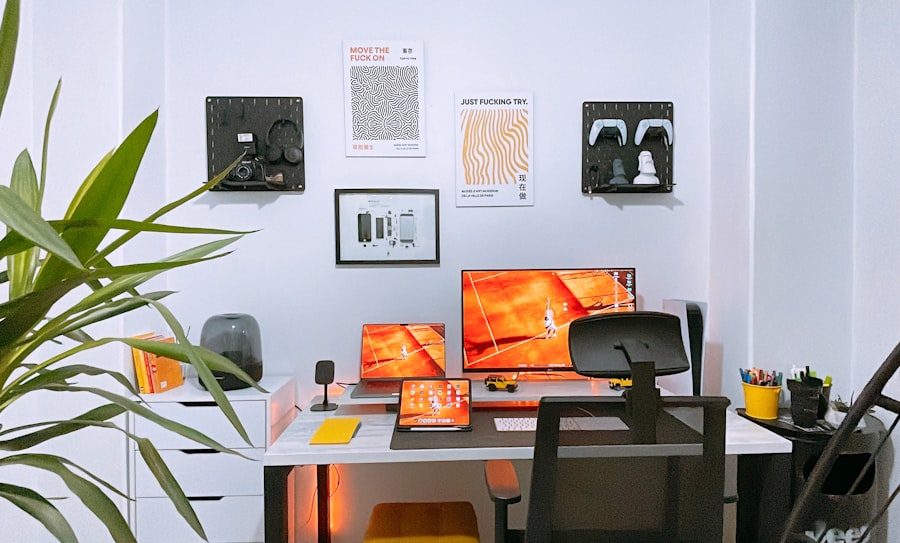
Choosing the Right Internet Connection
In today’s digital age, having a reliable high-speed internet connection is essential for any home office setup. Assess your current internet service provider (ISP) options to ensure you have sufficient bandwidth for your needs, especially if you frequently engage in video conferencing or large file transfers. Fiber-optic connections are often the fastest option available; however, cable internet can also provide robust speeds suitable for most home office tasks.
Optimizing Your Network Setup
Once you have selected an appropriate plan, consider the layout of your basement when setting up your network equipment. Position your router in a central location to maximize coverage throughout the space. If Wi-Fi signals are weak in certain areas, investing in Wi-Fi extenders or mesh networks can help eliminate dead zones and ensure consistent connectivity.
Enhancing Speed and Reliability
Additionally, using wired connections for devices like computers or printers can enhance speed and reliability compared to relying solely on wireless connections.
Implementing Soundproofing Solutions
Soundproofing is an often-overlooked aspect of creating an effective workspace in a basement setting. Noise from outside or other areas of the home can be distracting and disrupt concentration. To mitigate these disturbances, consider implementing soundproofing solutions such as acoustic panels or sound-absorbing curtains.
These materials can help dampen noise levels while also adding an aesthetic touch to your workspace. Additionally, if your basement has concrete walls or floors, consider adding rugs or carpets to absorb sound reflections and create a more pleasant auditory environment.
By prioritizing soundproofing measures, you can create a tranquil workspace that allows for deep focus and productivity.
Adding Personal Touches and Greenery for a Healthy Work Environment
Finally, personal touches and greenery can significantly enhance the overall ambiance of your basement workspace while promoting well-being. Personalizing your space with items that inspire you—such as artwork, bookshelves filled with favorite reads, or even a vision board—can create an environment that feels uniquely yours. These elements not only make the space more enjoyable but also serve as reminders of your goals and aspirations.
Incorporating plants into your workspace is another effective way to improve air quality and boost mood. Research has shown that having greenery indoors can reduce stress levels and increase feelings of happiness. Choose low-maintenance plants like succulents or peace lilies that thrive in lower light conditions typical of basements.
Additionally, consider creating a small herb garden if you have access to natural light; this not only adds beauty but also provides fresh ingredients for cooking. By thoughtfully assessing your basement space, designing an efficient layout, selecting appropriate furniture, improving lighting and ventilation, creating an inspiring atmosphere, ensuring high-speed internet connectivity, implementing soundproofing solutions, and adding personal touches along with greenery, you can transform your basement into a productive home office that meets all your professional needs while reflecting your personal style.
If you’re looking to transform your basement into a high-performance office for entrepreneurs in Brooklyn, you may also be interested in exploring stylish makeovers that elevate interior design. This article offers tips and inspiration for creating a functional and aesthetically pleasing workspace that reflects your personal style. Additionally, considering basement lighting solutions is crucial for creating a productive and inviting work environment. Check out this article for ideas on how to brighten up your basement office and enhance its overall ambiance.
FAQs
What are the benefits of turning a basement into a high-performance office for entrepreneurs in Brooklyn?
Turning a basement into a high-performance office provides entrepreneurs with a dedicated and quiet workspace, increased productivity, cost savings compared to renting a commercial space, and the ability to customize the space to fit their specific needs.
What are some important considerations when converting a basement into an office?
Important considerations when converting a basement into an office include ensuring proper ventilation and lighting, addressing any potential moisture or water issues, obtaining necessary permits and approvals, and creating a comfortable and ergonomic workspace.
What are some key design elements to incorporate into a high-performance office in a basement?
Key design elements to incorporate into a high-performance office in a basement include ample natural and artificial lighting, soundproofing to minimize noise, ergonomic furniture and equipment, adequate storage solutions, and a layout that promotes productivity and creativity.
What are some tips for creating a productive and inspiring work environment in a basement office?
Tips for creating a productive and inspiring work environment in a basement office include adding plants for improved air quality and aesthetics, incorporating personal touches and decor that reflect the entrepreneur’s brand and style, and utilizing color schemes and organization systems that promote focus and creativity.
What are some potential challenges to consider when converting a basement into an office?
Potential challenges to consider when converting a basement into an office include addressing any existing structural or safety issues, ensuring compliance with building codes and regulations, and managing the logistics of bringing utilities and technology infrastructure into the space.