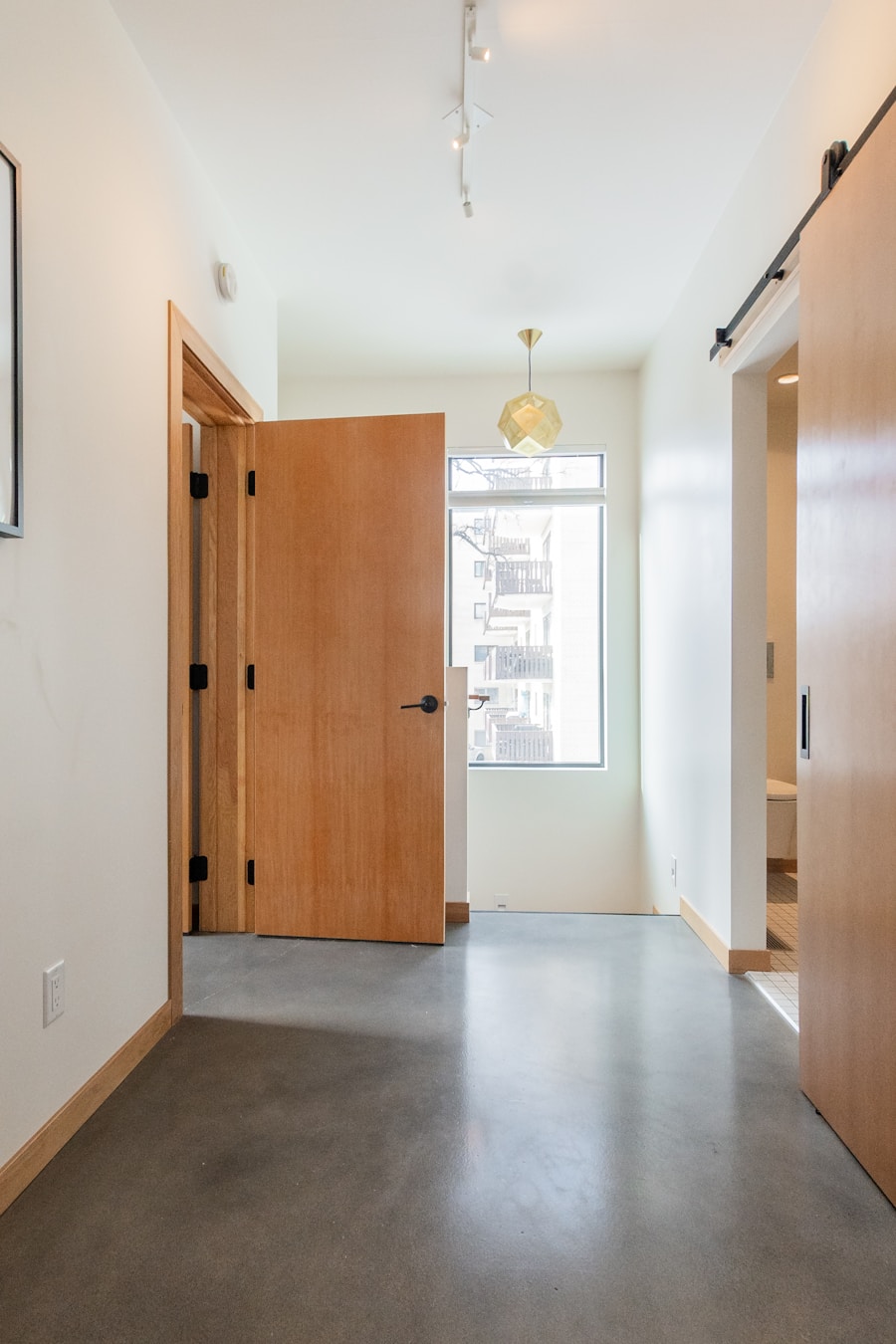
In recent years, the trend of converting basements into functional office spaces has gained significant traction in Brooklyn. As remote work becomes increasingly prevalent, many homeowners are seeking innovative solutions to create dedicated workspaces within their residences. The unique architectural characteristics of Brooklyn homes, often featuring spacious basements, make these areas prime candidates for conversion.
This trend not only addresses the need for a quiet and organized work environment but also maximizes the utility of underutilized spaces. The allure of a basement office conversion lies in its potential to enhance productivity while providing a distinct separation between work and home life. In a city where real estate is at a premium, transforming a basement into an office can be a cost-effective way to gain additional square footage without the need for an expensive extension or relocation.
As more individuals embrace the flexibility of remote work, the demand for such conversions is likely to continue growing, making it a relevant topic for homeowners and real estate investors alike.
Key Takeaways
- Basement office conversions are a popular trend in Brooklyn, offering a solution to limited space and high real estate costs.
- Renovation expenses for basement office conversions can vary, but potential savings in rent and increased property value make it a worthwhile investment.
- Basement office conversions provide increased space and functionality, allowing for a more productive work environment.
- Building codes and permits are important considerations for basement office conversions to ensure safety and compliance with regulations.
- Potential drawbacks of basement office conversions include moisture issues and lack of natural light, which can be mitigated with proper planning and design.
Cost Analysis: Renovation Expenses and Potential Savings
When considering a basement office conversion, understanding the financial implications is crucial. The costs associated with such renovations can vary widely based on several factors, including the size of the basement, the extent of the renovation required, and the quality of materials chosen. On average, homeowners in Brooklyn can expect to spend anywhere from $10,000 to $50,000 on a basement office conversion.
This range typically includes expenses for insulation, flooring, electrical work, plumbing (if necessary), and finishing touches like paint and furnishings. While the initial investment may seem daunting, potential savings can offset these costs over time. For instance, having a dedicated home office can reduce commuting expenses and save time that would otherwise be spent traveling to a traditional workplace.
Additionally, homeowners may find that they can claim certain tax deductions related to home office expenses, further enhancing the financial viability of the conversion.
Benefits of a Basement Office Conversion: Increased Space and Functionality
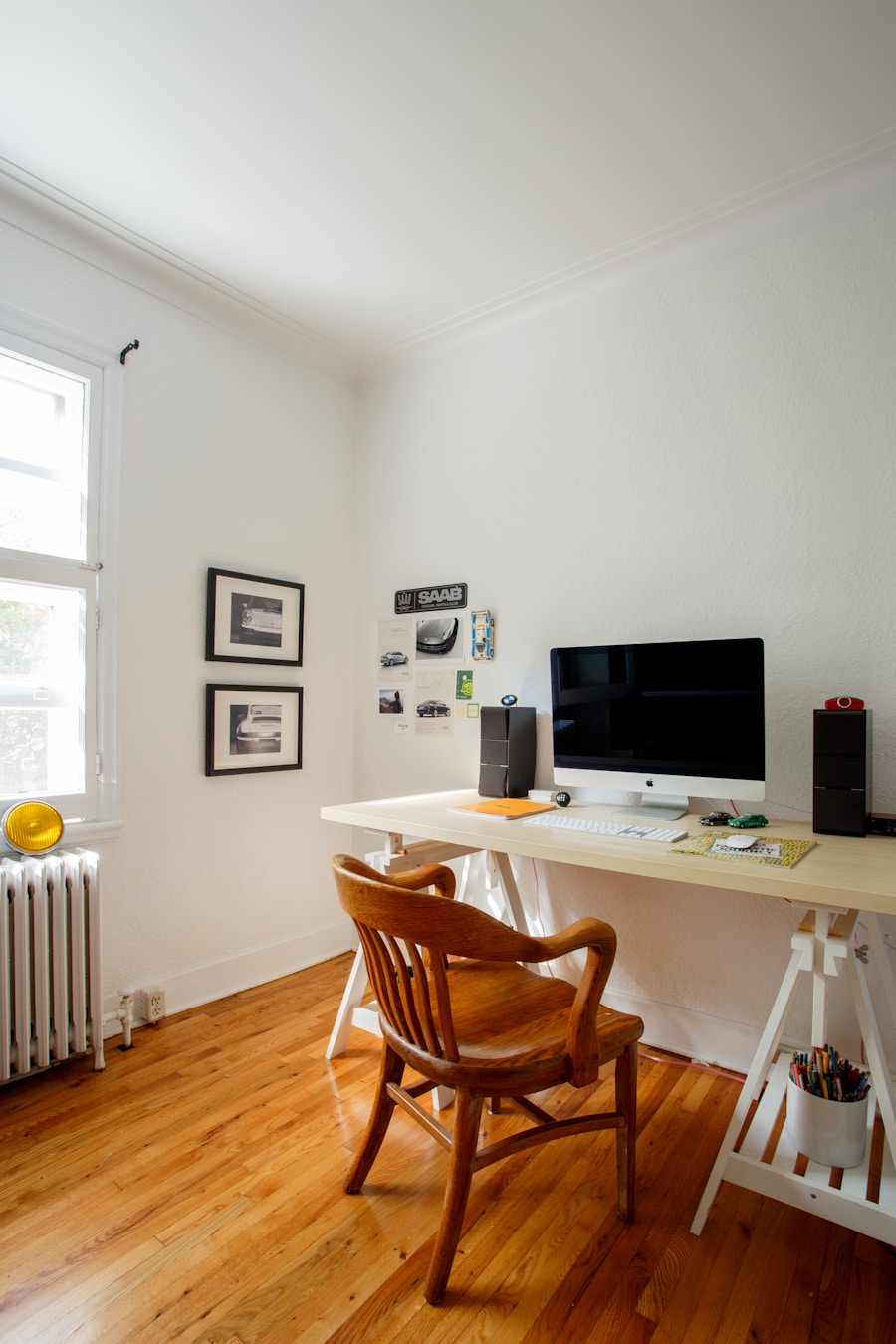
One of the most compelling advantages of converting a basement into an office is the significant increase in usable space it provides. Many Brooklyn homes are designed with limited square footage on the upper levels, making it challenging to carve out a dedicated workspace. A basement conversion effectively transforms an underused area into a functional office, allowing homeowners to create an environment tailored to their specific needs.
This newfound space can accommodate everything from desks and chairs to storage solutions and meeting areas. Functionality is another key benefit of basement office conversions. Homeowners have the opportunity to design their workspace according to their preferences, incorporating elements that enhance productivity and comfort.
For example, they can choose ergonomic furniture, install soundproofing materials to minimize distractions, and create an aesthetically pleasing environment that fosters creativity. Additionally, having a separate office space can help establish boundaries between work and personal life, which is particularly important for those working from home.
Considerations for Basement Office Conversions: Building Codes and Permits
Before embarking on a basement office conversion project, it is essential to navigate the regulatory landscape surrounding building codes and permits in Brooklyn. Local regulations often dictate specific requirements for basement renovations, including egress windows for safety, ceiling height minimums, and electrical standards. Homeowners must ensure that their plans comply with these codes to avoid potential fines or complications during the renovation process.
Obtaining the necessary permits is another critical step in the conversion process. Depending on the scope of the project, homeowners may need to submit detailed plans to their local building department for approval. This process can be time-consuming but is vital for ensuring that the renovation meets safety standards and is legally compliant.
Engaging with professionals who are familiar with local regulations can streamline this process and help homeowners avoid common pitfalls.
Potential Drawbacks: Moisture Issues and Lack of Natural Light
While basement office conversions offer numerous benefits, they are not without their challenges. One significant concern is moisture control. Basements are inherently more prone to dampness due to their location below ground level.
If not properly addressed during the renovation process, moisture issues can lead to mold growth and structural damage over time. Homeowners must invest in adequate waterproofing solutions and consider installing dehumidifiers to maintain a healthy environment. Another drawback is the potential lack of natural light in basement spaces.
Many basements have limited windows or may be entirely windowless, which can create a gloomy atmosphere that negatively impacts productivity and mood. To counteract this issue, homeowners can explore options such as installing larger egress windows or utilizing artificial lighting that mimics natural light. Thoughtful design choices can help create a more inviting workspace that mitigates the downsides associated with limited daylight.
Case Studies: Success Stories of Basement Office Conversions in Brooklyn
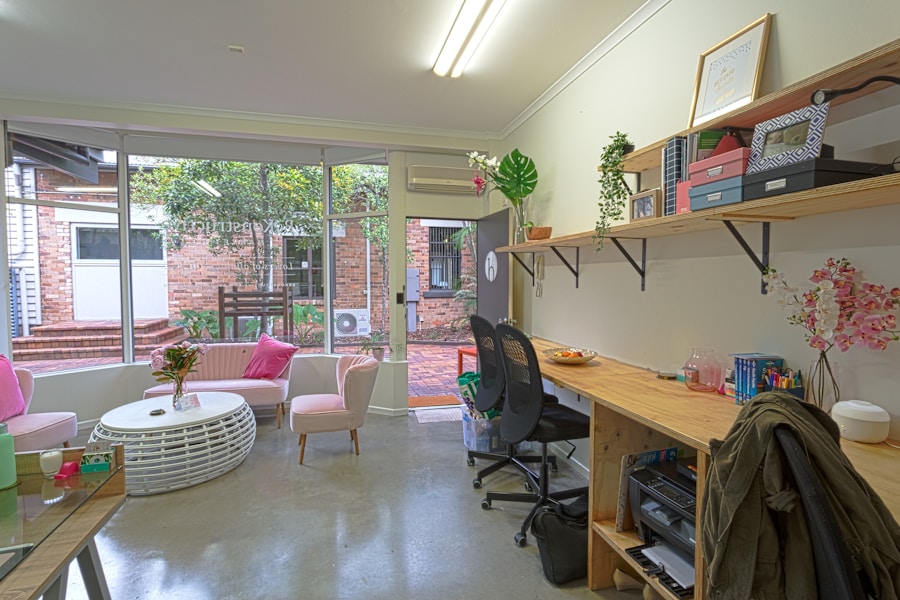
Several homeowners in Brooklyn have successfully transformed their basements into vibrant office spaces that reflect their personal styles and professional needs. One notable example is a couple who converted their 800-square-foot basement into a multifunctional workspace that includes a private office, a small conference area, and even a cozy reading nook. By incorporating bright colors, modern furnishings, and ample lighting fixtures, they created an inviting atmosphere that inspires creativity while maintaining functionality.
Another success story involves a freelance graphic designer who turned her damp and cluttered basement into a sleek studio filled with natural light. By installing large egress windows and using light-colored paint on the walls, she was able to brighten up the space significantly. The designer also invested in soundproofing materials to ensure that her work remained undisturbed by household noise.
This transformation not only improved her productivity but also provided her with a dedicated space to showcase her work during client meetings.
Expert Tips for a Successful Basement Office Conversion
To ensure a successful basement office conversion, homeowners should consider several expert tips that can enhance both functionality and aesthetics. First and foremost, it is essential to prioritize proper insulation and ventilation. A well-insulated basement will maintain comfortable temperatures year-round while preventing moisture buildup.
Additionally, incorporating ventilation systems or air purifiers can improve air quality and create a healthier workspace. Another important consideration is layout planning. Homeowners should think carefully about how they want to utilize the space and arrange furniture accordingly.
Creating distinct zones for different activities—such as working, meeting clients, or relaxing—can help maximize efficiency and comfort. Furthermore, investing in quality lighting solutions is crucial; combining ambient lighting with task lighting can create an inviting atmosphere while ensuring adequate illumination for work tasks.
Is a Basement Office Conversion Worth It in Brooklyn?
The decision to convert a basement into an office space in Brooklyn ultimately hinges on individual circumstances and preferences. For many homeowners, the benefits—such as increased space, enhanced functionality, and potential cost savings—far outweigh the challenges associated with moisture control and natural light limitations. With careful planning and consideration of local regulations, transforming an underutilized basement into a productive workspace can be both feasible and rewarding.
As remote work continues to shape modern employment landscapes, the demand for dedicated home offices will likely persist. For those living in Brooklyn’s vibrant neighborhoods, converting basements into functional offices presents an opportunity not only to adapt to changing work environments but also to enhance property value in an ever-evolving real estate market.
When considering whether a basement office conversion is worth it in Brooklyn, it’s important to also think about the flooring options available. Basement Remodeling ESG offers a variety of flooring services that can enhance the overall look and functionality of your basement workspace. Additionally, exploring cutting-edge innovations in hardware technology, as discussed in this article, can help you create a modern and efficient office space that meets your needs. Consider these factors when weighing the cost versus benefit of converting your basement into a home office.
FAQs
What are the potential benefits of converting a basement into an office in Brooklyn?
Converting a basement into an office in Brooklyn can provide additional space for work or business activities, potentially increasing productivity and efficiency. It can also add value to the property and provide a dedicated workspace away from the main living areas.
What are the potential costs associated with converting a basement into an office in Brooklyn?
The costs of converting a basement into an office in Brooklyn can include construction and renovation expenses, such as insulation, flooring, lighting, and electrical work. There may also be additional costs for obtaining permits and meeting building code requirements.
What factors should be considered when determining if a basement office conversion is worth it in Brooklyn?
Factors to consider when determining the worth of a basement office conversion in Brooklyn include the potential increase in property value, the impact on daily work or business activities, the overall cost of the conversion, and any potential zoning or building regulations that may affect the project.
Are there any potential drawbacks to converting a basement into an office in Brooklyn?
Potential drawbacks of converting a basement into an office in Brooklyn may include limited natural light, potential moisture or humidity issues, and the need to comply with specific building codes and regulations for basement conversions.
What are some tips for making a basement office conversion successful in Brooklyn?
Some tips for a successful basement office conversion in Brooklyn include ensuring proper insulation and ventilation, maximizing natural light where possible, and working with experienced contractors who are familiar with local building codes and regulations.