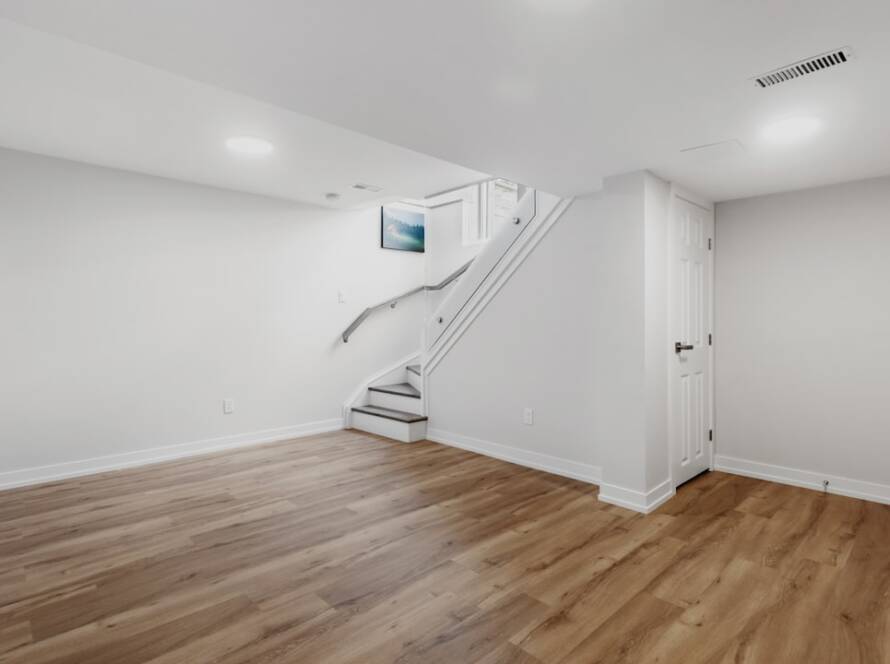
Natural ventilation is a critical aspect of maintaining a healthy indoor environment, particularly in spaces like basements that are often prone to moisture and poor air quality. This method of ventilation relies on the natural movement of air, driven by temperature differences and wind pressure, to circulate fresh air throughout a space. Unlike mechanical ventilation systems, which can be costly to install and operate, natural ventilation is an energy-efficient solution that can significantly enhance indoor air quality.
In basements, where humidity levels can rise due to groundwater seepage or inadequate drainage, effective natural ventilation can help mitigate these issues by allowing moist air to escape and fresh air to enter. Moreover, natural ventilation contributes to the overall comfort of a space. It helps regulate temperature and humidity levels, creating a more pleasant environment for occupants.
In basements, where air can become stagnant and musty, introducing fresh air can alleviate discomfort and promote a healthier atmosphere. The benefits extend beyond mere comfort; improved air quality can reduce the risk of mold growth and other health hazards associated with poor ventilation.
Key Takeaways
- Natural ventilation is important for maintaining indoor air quality and reducing the risk of mold and moisture buildup.
- Assess your current basement ventilation system to identify any issues or areas for improvement.
- Utilize windows and doors to promote airflow and improve ventilation in the basement.
- Incorporate ventilation strategies specifically aimed at controlling moisture and preventing mold growth.
- Implement ceiling fans and other air circulation methods to improve airflow and ventilation in the basement.
- Consider the use of exhaust fans to remove stale air and improve ventilation in the basement.
- Ensure proper insulation and air sealing to prevent air leaks and maintain efficient ventilation.
- Regularly maintain and monitor the ventilation system to ensure it is functioning effectively and efficiently.
Assessing the Current Ventilation System in Your Basement
Before implementing any changes to improve ventilation, it is essential to assess the current system in place. This evaluation involves examining existing openings such as windows, doors, and vents, as well as identifying any potential barriers to airflow. A thorough inspection can reveal whether the current setup is adequate for maintaining proper air circulation or if modifications are necessary.
For instance, if windows are sealed shut or vents are blocked by furniture or debris, airflow will be severely restricted, leading to increased humidity and poor air quality. In addition to physical barriers, it is crucial to consider the overall design of the basement. Factors such as the layout, size, and orientation of the space can significantly impact how air flows within it.
For example, a basement with multiple windows on one side may benefit from cross-ventilation if positioned correctly to take advantage of prevailing winds. Conversely, a basement that lacks sufficient openings may require additional measures to enhance airflow. By conducting a comprehensive assessment of the current ventilation system, homeowners can identify specific areas for improvement and develop a targeted strategy for enhancing natural ventilation.
Utilizing Windows and Doors for Airflow
Windows and doors are vital components in facilitating natural ventilation in basements. When properly utilized, they can create pathways for fresh air to enter while allowing stale air to escape. Opening windows on opposite sides of the basement can establish cross-ventilation, which is particularly effective in promoting airflow.
This technique relies on the principle that cooler air enters through one opening while warmer air exits through another, creating a continuous flow that helps regulate temperature and humidity levels. In addition to traditional windows and doors, homeowners can consider installing operable skylights or vented doors that allow for additional airflow without compromising security or privacy. These features can be especially beneficial in basements that may not have many exterior walls or where traditional windows are limited.
Furthermore, strategically placing window fans can enhance this process by actively drawing in fresh air while expelling stale air. By maximizing the use of windows and doors, homeowners can significantly improve the ventilation in their basements, leading to a healthier living environment.
Incorporating Ventilation Strategies for Moisture Control
Moisture control is a critical aspect of basement ventilation that cannot be overlooked. High humidity levels can lead to mold growth, structural damage, and health issues for occupants. To combat these problems, it is essential to incorporate specific ventilation strategies aimed at reducing moisture levels.
One effective approach is to ensure that any sources of moisture—such as leaks from plumbing or groundwater—are addressed before relying solely on ventilation methods. This may involve repairing leaks, improving drainage systems, or using dehumidifiers in conjunction with natural ventilation. Another strategy involves utilizing exhaust vents or fans that can help expel humid air from the basement.
These systems work by creating negative pressure within the space, drawing out moist air while allowing drier air from outside to enter. Additionally, incorporating moisture-absorbing materials such as silica gel or activated charcoal can further assist in controlling humidity levels. By combining these strategies with natural ventilation techniques, homeowners can create a comprehensive approach to moisture control that enhances both comfort and safety in their basements.
Implementing Ceiling Fans and Air Circulation
Ceiling fans are an excellent addition to any basement ventilation strategy, as they promote air circulation without relying on external power sources. By strategically placing ceiling fans throughout the basement, homeowners can create a more dynamic airflow pattern that helps distribute fresh air evenly across the space. This circulation not only enhances comfort but also aids in reducing humidity levels by preventing stagnant pockets of air where moisture can accumulate.
In addition to ceiling fans, portable fans can be employed to direct airflow toward specific areas that may require additional ventilation. For instance, placing a fan near a window can help draw in fresh air while pushing out stale air simultaneously. This method is particularly useful during warmer months when outdoor temperatures are more favorable for ventilation.
By implementing ceiling fans and portable fans into the overall ventilation strategy, homeowners can significantly improve air circulation in their basements, leading to a more comfortable and healthier environment.
Considering the Use of Exhaust Fans

Exhaust fans play a crucial role in enhancing basement ventilation by actively removing stale or humid air from the space. These fans are particularly effective in areas prone to high moisture levels, such as laundry rooms or bathrooms located within the basement. By installing exhaust fans in these strategic locations, homeowners can create a more balanced airflow that helps maintain optimal humidity levels while improving overall air quality.
When selecting exhaust fans for a basement, it is essential to consider factors such as size, noise level, and energy efficiency. A properly sized exhaust fan will effectively remove humid air without creating excessive noise or consuming too much energy. Additionally, incorporating timers or humidity sensors can further optimize their performance by ensuring they operate only when necessary.
By thoughtfully integrating exhaust fans into the basement ventilation system, homeowners can take significant strides toward achieving a healthier indoor environment.
Ensuring Proper Insulation and Air Sealing
While ventilation is vital for maintaining indoor air quality, it must be complemented by proper insulation and air sealing to maximize effectiveness. Insulation helps regulate temperature by preventing heat loss during colder months and keeping cool air inside during warmer months. In basements, where temperatures can fluctuate significantly due to ground contact, adequate insulation is essential for maintaining comfort levels while reducing reliance on mechanical heating or cooling systems.
Air sealing is equally important as it prevents unwanted drafts and moisture infiltration from outside sources. Common areas where air leaks occur include around windows and doors, electrical outlets, and plumbing penetrations.
Together, proper insulation and effective air sealing create a more controlled environment that supports natural ventilation efforts while ensuring comfort and energy efficiency.
Maintaining and Monitoring the Ventilation System
Once a comprehensive ventilation strategy has been implemented in the basement, ongoing maintenance and monitoring are crucial for ensuring its continued effectiveness. Regular inspections should be conducted to identify any potential issues such as blockages in vents or fans that may hinder airflow. Additionally, cleaning filters in exhaust fans or replacing them as needed will help maintain optimal performance.
Monitoring humidity levels using hygrometers can provide valuable insights into the effectiveness of the ventilation system over time. If humidity levels remain consistently high despite implementing various strategies, it may indicate that further adjustments are necessary or that additional measures—such as dehumidifiers—should be considered. By prioritizing maintenance and monitoring efforts, homeowners can ensure their basement remains well-ventilated and conducive to a healthy living environment for years to come.
If you’re looking to maximize natural ventilation in your Brooklyn basement in-law suite, you may also be interested in checking out the FAQ section on basementremodelingesg.com. This page can provide additional information on common questions related to basement remodeling and ventilation. Additionally, you may want to explore the construction services offered by basementremodelingesg.com to ensure that your basement in-law suite is properly constructed to optimize natural ventilation.
FAQs
What is natural ventilation?
Natural ventilation is the process of supplying and removing air from a space without the use of mechanical systems, such as fans or air conditioning. It relies on the natural forces of wind and temperature differences to create airflow.
Why is natural ventilation important in a basement in-law suite?
Natural ventilation is important in a basement in-law suite because basements tend to have poor air circulation and can be prone to moisture and stale air. Proper ventilation can help improve air quality, reduce humidity, and prevent the buildup of odors and mold.
What are some strategies for maximizing natural ventilation in a basement in-law suite?
Strategies for maximizing natural ventilation in a basement in-law suite include installing operable windows and vents to allow for cross-ventilation, using window wells and light wells to bring in natural light and air, and creating openings in the foundation walls to allow for airflow.
What are the benefits of maximizing natural ventilation in a basement in-law suite?
Maximizing natural ventilation in a basement in-law suite can help improve air quality, reduce the risk of mold and mildew, lower humidity levels, and create a more comfortable and healthy living environment for occupants.
Are there any potential drawbacks to relying solely on natural ventilation in a basement in-law suite?
While natural ventilation can be effective in improving air quality and reducing humidity, it may not be sufficient to provide adequate airflow in all situations, especially in areas with limited natural airflow or during extreme weather conditions. In such cases, supplemental mechanical ventilation may be necessary.