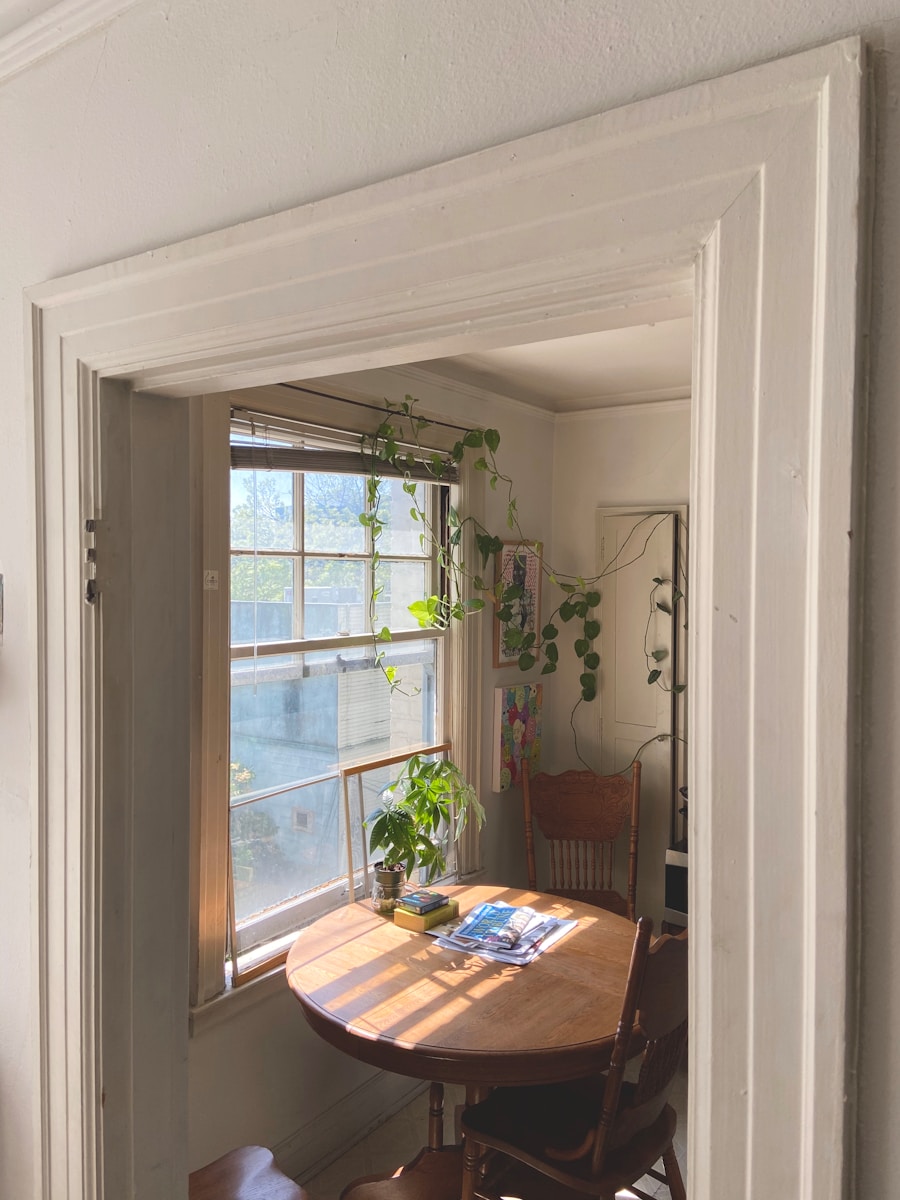
Natural light plays a pivotal role in enhancing the ambiance of any space, significantly influencing both mood and productivity. Exposure to sunlight has been linked to improved mental health, as it stimulates the production of serotonin, a neurotransmitter that contributes to feelings of happiness and well-being. In work environments, natural light can lead to increased focus and efficiency, reducing eye strain and fatigue that often accompany artificial lighting.
Studies have shown that employees who work in spaces with ample natural light report higher levels of satisfaction and lower levels of stress, which can translate into better performance and creativity. Moreover, natural light can dramatically alter the perception of space. Rooms bathed in sunlight appear larger and more inviting, creating an atmosphere that feels open and airy.
This is particularly important in urban settings where space is often at a premium. By maximizing the amount of natural light that enters a room, homeowners can create a more welcoming environment that encourages social interaction and relaxation. The interplay of light and shadow throughout the day also adds a dynamic quality to interiors, allowing for a constantly evolving aesthetic that can enhance the overall design of a home.
Key Takeaways
- Natural light is essential for creating a bright and inviting atmosphere in any space.
- Choosing the right window treatments, such as sheer curtains or blinds, can help maximize natural light while still providing privacy.
- Mirrors can be strategically placed to reflect natural light and make a room feel more spacious and bright.
- Light-colored decor and furniture can help to bounce natural light around a room and create a more airy feel.
- Installing skylights or light wells can bring in additional natural light and create a more open and bright environment.
Choosing the Right Window Treatments
Functionality and Purpose
Different window treatments serve distinct purposes. Sheer curtains, for instance, allow soft light to filter through while providing a degree of privacy, making them ideal for living rooms or bedrooms where a balance between brightness and seclusion is desired. On the other hand, blackout curtains are perfect for spaces that require complete darkness, such as home theaters or bedrooms for those who prefer to sleep in total darkness.
Aesthetic Considerations
Window treatments can also serve as a design element that complements the overall aesthetic of a room. For example, wooden blinds can add warmth and texture to a space, while sleek roller shades can contribute to a modern, minimalist look.
Color and Material Selection
The color and material of window treatments are also important factors to consider. Lighter fabrics tend to reflect more light, enhancing the brightness of a room, while darker materials can absorb light and create a cozier atmosphere. By thoughtfully selecting window treatments that align with both practical needs and design preferences, homeowners can effectively harness the benefits of natural light.
Utilizing Mirrors to Reflect Light
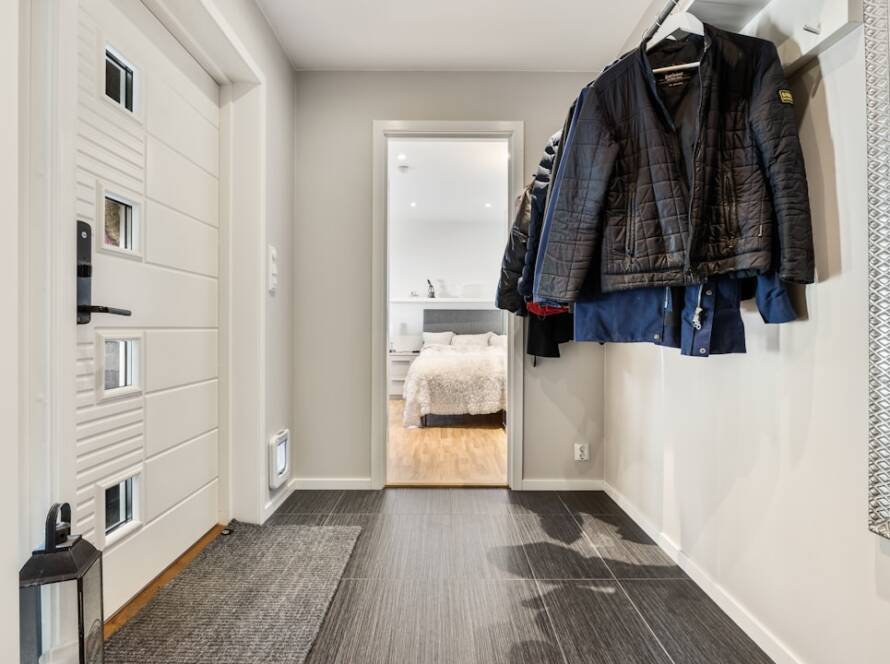
Mirrors are powerful tools for enhancing natural light within a space. By strategically placing mirrors across from windows or in areas where light is abundant, homeowners can amplify the brightness in a room. The reflective surface of a mirror bounces light around the space, creating an illusion of depth and making even smaller rooms feel more expansive.
This technique is particularly effective in narrow hallways or compact living areas where maximizing light is crucial. In addition to their functional benefits, mirrors can also serve as striking decorative elements. A large statement mirror can act as a focal point in a room, drawing attention while simultaneously enhancing the overall luminosity.
Smaller mirrors can be grouped together to create an artistic display that not only reflects light but also adds visual interest to walls. When selecting mirrors, consider frames that complement existing decor; ornate frames can add elegance, while sleek designs may contribute to a contemporary feel. By incorporating mirrors thoughtfully into interior design, homeowners can create brighter, more inviting spaces.
Selecting Light-Colored Decor and Furniture
The color palette of a room significantly impacts its brightness and overall atmosphere. Light-colored decor and furniture can help reflect natural light rather than absorb it, contributing to a more luminous environment. Shades such as whites, creams, pastels, and soft grays are particularly effective at enhancing brightness.
For instance, painting walls in soft white or pale beige can create a blank canvas that allows natural light to bounce around the room, making it feel airy and open. In addition to wall colors, the choice of furniture plays a crucial role in determining how light interacts with a space. Light-colored upholstery on sofas and chairs can brighten up living areas, while wooden furniture with a light finish can add warmth without overwhelming the space.
Accessories such as rugs and cushions in complementary light hues can further enhance this effect. It’s essential to strike a balance between light colors and texture; incorporating various materials like linen, cotton, or light woods can add depth while maintaining an overall bright aesthetic. By carefully curating decor and furniture choices with an emphasis on lighter tones, homeowners can create spaces that feel both inviting and uplifting.
Installing Skylights or Light Wells
For those looking to maximize natural light in their homes, installing skylights or light wells presents an excellent solution. Skylights are windows set into the roofline that allow sunlight to pour into spaces that might otherwise lack adequate daylight. They are particularly beneficial in areas like kitchens or bathrooms where traditional windows may not be feasible due to privacy concerns or structural limitations.
The introduction of skylights not only brightens these spaces but also provides an opportunity to enjoy views of the sky and changing weather patterns.
This architectural feature is especially useful in multi-story homes or basements where access to natural light is limited.
By incorporating glass panels or open designs at the top of the well, homeowners can ensure that sunlight penetrates deep into the interior spaces. Both skylights and light wells require careful planning and installation to ensure they are energy-efficient and do not lead to excessive heat loss or gain. When executed correctly, these features can transform dark areas into vibrant living spaces filled with natural illumination.
Keeping Windows Clean and Unobstructed
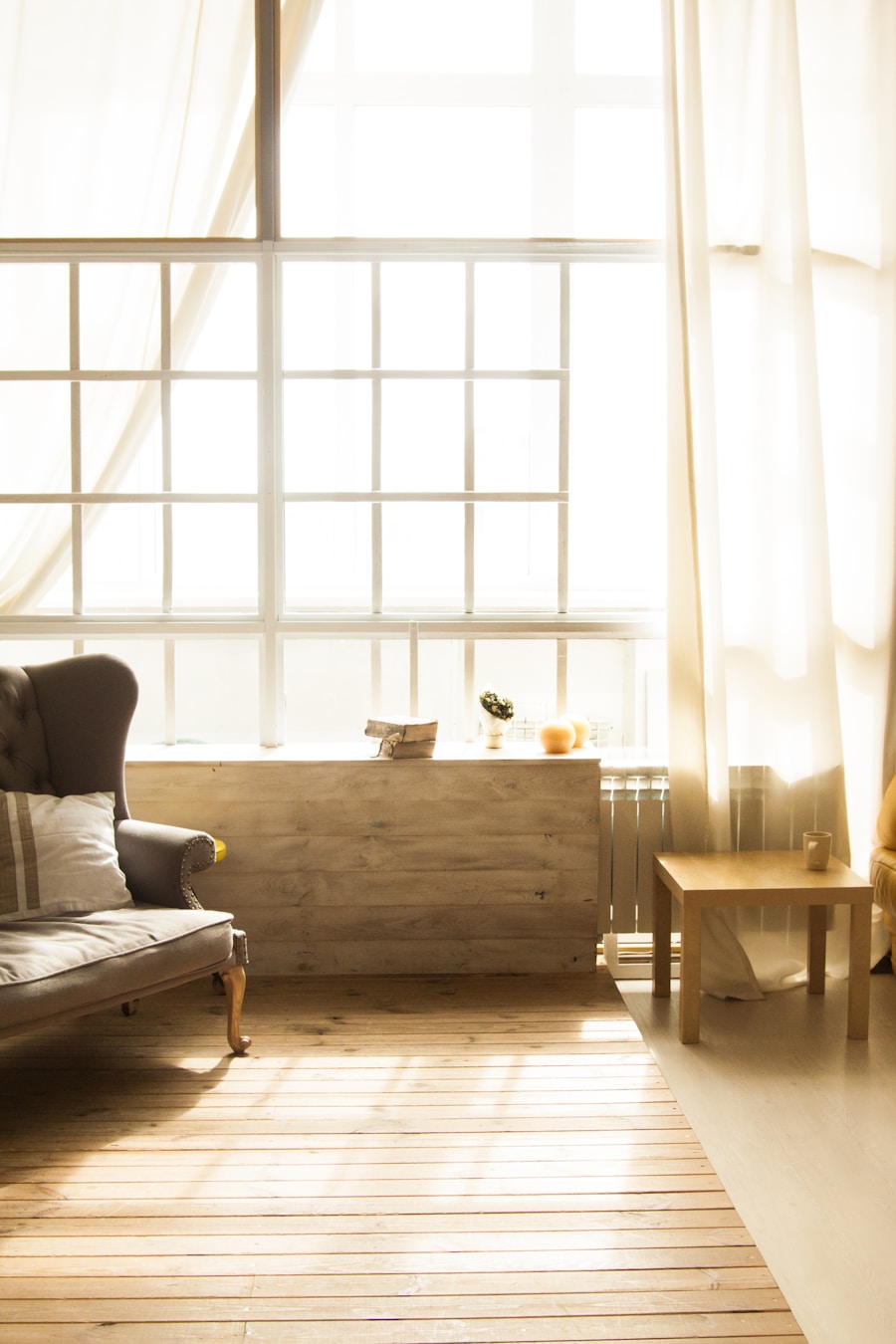
Maximizing Brightness with Clean Windows
The clarity of windows directly affects how much natural light enters a home. Dust, dirt, and grime can accumulate on glass surfaces over time, creating barriers that diminish the amount of sunlight that filters through. Regular cleaning with appropriate window cleaning solutions ensures that glass remains clear and allows for optimal light transmission.
Considering Both Interior and Exterior Surfaces
It’s essential to consider both the interior and exterior surfaces of windows. Outdoor elements such as pollen or rain streaks can also impact clarity. Beyond cleanliness, ensuring that windows remain unobstructed is crucial for allowing maximum light penetration.
Optimizing Window Areas for Natural Light
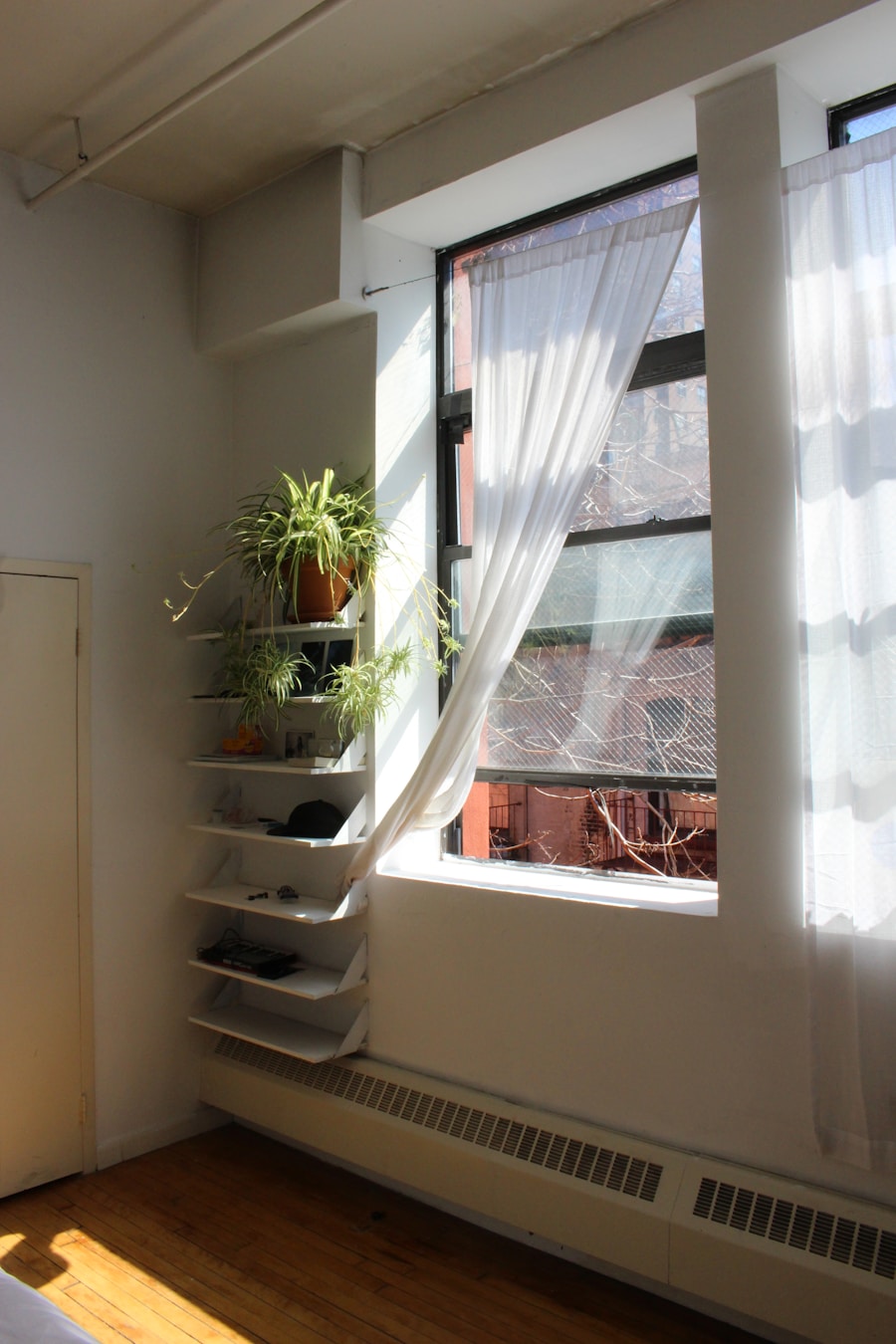
To maintain an open feel and maximize natural light, opt for minimalistic decor around window areas. If privacy is a concern, consider using sheer window treatments or strategically placed plants that do not obstruct views but still provide some level of seclusion. By prioritizing cleanliness and unobstructed views, homeowners can significantly enhance the flow of natural light into their living spaces.
Using Artificial Lighting Strategically
While natural light is invaluable for creating bright interiors, strategic use of artificial lighting is equally important for achieving an inviting atmosphere at all times of day. Layering different types of lighting—ambient, task, and accent—can help create a well-lit environment that complements natural light during daylight hours and provides adequate illumination when it’s dark outside. Ambient lighting serves as the primary source of illumination in a room; ceiling fixtures or recessed lighting are common choices for this purpose.
Accent lighting adds drama and highlights particular features within a space—think wall sconces or spotlights on artwork. By combining these various lighting types thoughtfully, homeowners can create dynamic environments that feel bright and welcoming regardless of external conditions.
Additionally, utilizing dimmers allows for flexibility in adjusting brightness levels according to mood or time of day.
Incorporating Indoor Plants for a Brighter Atmosphere
Indoor plants not only enhance aesthetic appeal but also contribute to a brighter atmosphere by adding life and vibrancy to spaces filled with natural light. Plants have been shown to improve air quality by filtering toxins and releasing oxygen, which can further enhance feelings of well-being within a home. When selecting plants for indoor spaces, consider varieties that thrive in indirect sunlight if natural light is limited; options such as snake plants or pothos are known for their resilience and adaptability.
Incorporating greenery into decor can also create visual interest while promoting a sense of tranquility. Grouping plants together on shelves or using hanging planters can draw attention upward, making ceilings feel higher while simultaneously maximizing available light. Additionally, using decorative pots in lighter colors can reflect more light around the room, further enhancing brightness levels.
By thoughtfully integrating indoor plants into home design, homeowners can cultivate an environment that feels fresh and invigorating while benefiting from the positive effects of nature indoors.
If you’re looking to design, renovate, and revitalize your home, you may want to check out this article on