Navigating the legal landscape of basement rental units in Brooklyn is a crucial first step for any homeowner considering this venture. The New York City Department of Buildings (DOB) has specific regulations that govern the use of basements as residential units. In many cases, a basement must be classified as a “dwelling unit” to be legally rented out, which requires compliance with various building codes and zoning laws.
Homeowners must ensure that their property is located in a zoning district that permits residential use of basements. This often involves checking the zoning map and understanding the specific regulations that apply to their neighborhood. Additionally, obtaining the necessary permits is essential.
This may include a Certificate of Occupancy (CO) that confirms the space meets all safety and building standards. Homeowners should also be aware of the potential for fines or legal action if they rent out a basement unit without proper authorization. Engaging with a real estate attorney or a knowledgeable real estate agent can provide valuable insights into the legal requirements and help navigate the complexities of local laws.
Understanding these legalities not only protects the homeowner but also ensures a safe living environment for tenants.
Key Takeaways
- Understanding the legalities of basement rental units in Brooklyn is crucial for landlords to avoid potential legal issues.
- Renovating your basement to meet building codes and zoning requirements is necessary to ensure the safety and legality of the rental unit.
- Creating a separate entrance and exit for the basement rental unit is important for the convenience and privacy of tenants.
- Installing proper ventilation and lighting in the basement is essential for the comfort and well-being of tenants.
- Choosing the right flooring and finishes for a basement rental unit can enhance its appeal and value for potential tenants.
Renovating Your Basement to Meet Building Codes and Zoning Requirements
Renovating a basement to meet building codes and zoning requirements is a multifaceted process that requires careful planning and execution.
This could include reinforcing walls, ensuring proper drainage, or addressing moisture problems that are common in basements.
Hiring a licensed contractor who is familiar with local building codes can streamline this process, ensuring that all renovations comply with regulations. Once structural integrity is established, homeowners must focus on specific elements required by building codes. For instance, egress windows are often mandated to provide a safe exit in case of emergencies.
These windows must meet size and height specifications to ensure they are accessible. Additionally, proper insulation and waterproofing are critical to prevent mold growth and maintain a comfortable living environment. Homeowners should also consider soundproofing measures to enhance tenant privacy, which can be an attractive feature for potential renters.
Creating a Separate Entrance and Exit for the Basement Rental Unit
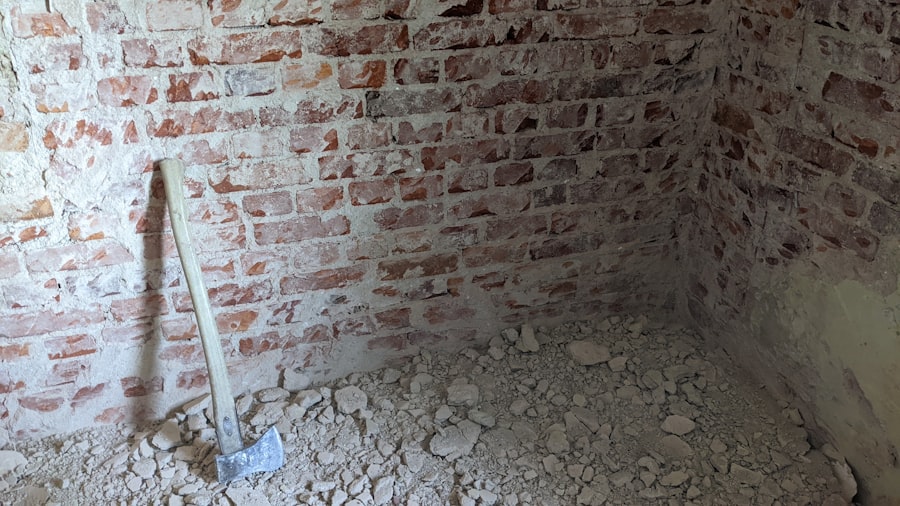
Creating a separate entrance and exit for a basement rental unit is not only a matter of convenience but also a legal requirement in many cases. A dedicated entrance allows tenants to come and go without disturbing the main living area of the home, fostering a sense of independence and privacy. This can be achieved through various means, such as installing an exterior door that leads directly to the street or backyard.
Homeowners should consider the layout of their property and local zoning laws when determining the best location for this entrance. In addition to providing access, it is essential to ensure that the entrance complies with safety regulations. This includes adequate lighting, secure locks, and possibly even a small landing area to prevent slips and falls.
Landscaping around the entrance can enhance curb appeal while also providing a welcoming atmosphere for tenants. Furthermore, if the basement unit is located below ground level, installing stairs that meet building code specifications is crucial for safety and accessibility.
Installing Proper Ventilation and Lighting in the Basement
Proper ventilation and lighting are critical components of creating a comfortable and livable basement rental unit.
Homeowners should consider installing exhaust fans or air exchange systems that can help circulate fresh air throughout the space.
Additionally, ensuring that windows are operable can provide natural ventilation, which is particularly important in maintaining air quality. Lighting is equally important in transforming a basement from a dark, uninviting space into a warm and welcoming home. A combination of ambient, task, and accent lighting can create an inviting atmosphere while also serving practical purposes.
Recessed lighting can be an excellent choice for low ceilings, while larger windows or light wells can bring in natural light during the day. Homeowners should also consider using light-colored paint and reflective surfaces to enhance brightness within the unit.
Choosing the Right Flooring and Finishes for a Basement Rental Unit
Selecting appropriate flooring and finishes for a basement rental unit involves balancing aesthetics with functionality. Given the unique challenges posed by basements—such as moisture and temperature fluctuations—homeowners should prioritize materials that are durable and resistant to water damage. Vinyl plank flooring has gained popularity due to its resilience, ease of maintenance, and variety of styles that can mimic hardwood or tile.
In addition to flooring, wall finishes play a significant role in creating an inviting atmosphere. Homeowners might opt for moisture-resistant paint or paneling that can withstand humidity levels typical in basements. Incorporating insulation into walls can also help regulate temperature and improve energy efficiency.
When choosing finishes, it’s essential to consider both style and practicality; neutral colors tend to appeal to a broader range of tenants while allowing for personal touches through furnishings.
Setting Up Utilities and Plumbing for the Basement Rental Unit
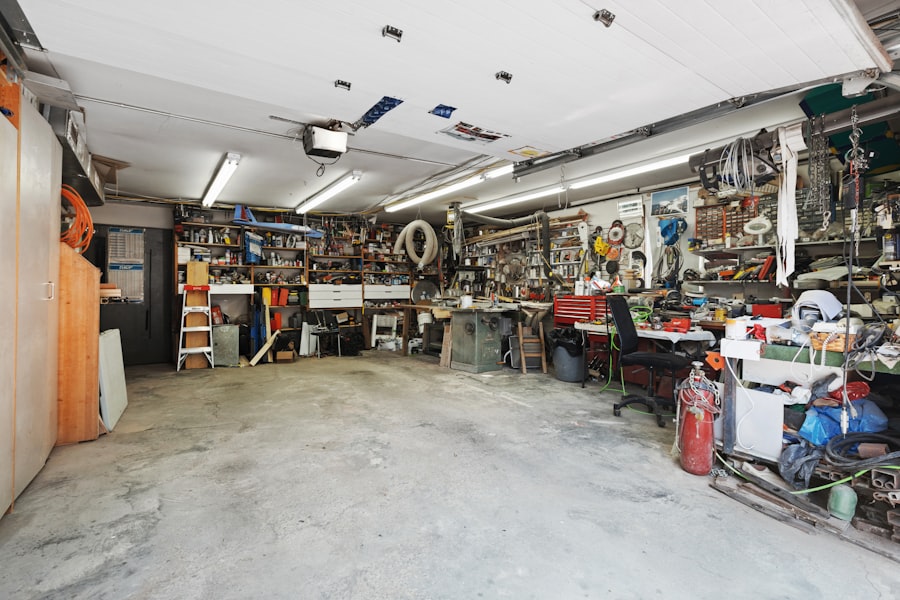
Setting up utilities and plumbing for a basement rental unit requires careful planning to ensure compliance with local codes while providing comfort for tenants. Homeowners must assess whether existing plumbing systems can accommodate additional fixtures such as bathrooms or kitchens. If significant changes are needed, hiring licensed plumbers who understand local regulations is crucial to avoid costly mistakes.
In addition to plumbing, electrical systems must be evaluated to ensure they can handle the demands of a rental unit. This includes installing sufficient outlets, ensuring proper grounding, and possibly upgrading the electrical panel if necessary. Homeowners should also consider energy-efficient appliances and fixtures that can reduce utility costs for both themselves and their tenants.
Properly installed utilities not only enhance tenant satisfaction but also contribute to the overall value of the property.
Designing a Functional and Attractive Layout for the Basement Rental Unit
Designing an effective layout for a basement rental unit involves maximizing space while ensuring functionality and comfort. Given that basements often have limited natural light and lower ceilings, strategic planning is essential to create an inviting environment. Open-concept designs can help make smaller spaces feel larger; combining living areas with kitchenettes can foster a sense of spaciousness.
Incorporating multi-functional furniture can also enhance usability within the unit. For example, using a sofa bed allows for flexibility in accommodating guests while maintaining space during everyday use. Additionally, thoughtful placement of furniture can create distinct areas within the unit without requiring physical barriers, which can make the space feel cramped.
Homeowners should also consider storage solutions that utilize vertical space effectively, such as shelving units or built-in cabinets.
Furnishing and Decorating the Basement Rental Unit for Maximum Appeal
Furnishing and decorating a basement rental unit requires attention to detail to create an appealing environment that attracts potential tenants. Selecting furniture that is both stylish and functional is key; pieces should be durable enough to withstand wear while also fitting within the overall aesthetic of the space. Neutral color palettes often work well in smaller areas, allowing tenants to envision their own style within the unit.
Decorative elements such as artwork, rugs, and plants can add warmth and personality to the space without overwhelming it. Lighting fixtures should not only serve practical purposes but also act as design statements; pendant lights or stylish floor lamps can enhance ambiance while providing necessary illumination. Additionally, incorporating personal touches—such as local artwork or themed decor—can make the unit feel more like home, increasing its appeal to prospective renters.
Marketing and Renting Out Your Basement Rental Unit
Marketing a basement rental unit effectively requires understanding your target audience and utilizing various platforms to reach potential tenants. Online listings on popular rental websites such as Zillow or Craigslist can attract interest from a wide range of renters looking for affordable housing options in Brooklyn. High-quality photographs showcasing the space’s best features are essential; bright lighting and clean staging can significantly enhance visual appeal.
In addition to online marketing, leveraging social media platforms can broaden exposure further. Creating posts that highlight unique aspects of the unit—such as proximity to public transportation or local amenities—can engage potential renters effectively. Hosting open houses or virtual tours allows interested parties to experience the space firsthand, increasing their likelihood of renting it.
Clear communication regarding rental terms, including pricing and lease agreements, will help establish trust with prospective tenants.
Managing Tenant Relationships and Responsibilities as a Landlord
Managing tenant relationships effectively is crucial for maintaining a positive rental experience for both landlords and tenants alike. Clear communication from the outset helps set expectations regarding responsibilities such as maintenance requests, payment schedules, and house rules. Establishing an open line of communication fosters trust; landlords should be approachable while also maintaining professional boundaries.
Additionally, understanding tenant rights is essential for landlords operating in Brooklyn’s competitive rental market. Familiarizing oneself with local housing laws ensures compliance while protecting both parties’ interests. Regular check-ins with tenants can help address any concerns before they escalate into larger issues; this proactive approach not only enhances tenant satisfaction but also contributes to long-term stability in rental relationships.
Understanding the Financial and Tax Implications of Having a Basement Rental Unit
Owning a basement rental unit comes with various financial considerations that homeowners must navigate carefully. First and foremost is understanding how rental income impacts overall tax liability; homeowners should consult with tax professionals who specialize in real estate to ensure compliance with IRS regulations regarding rental income reporting. Deductions related to property maintenance, repairs, utilities, and even depreciation may be available, potentially offsetting taxable income.
Moreover, homeowners should consider how renting out part of their property affects their mortgage terms or insurance policies; some lenders may require additional coverage or adjustments based on rental activities. It’s also wise to budget for unexpected expenses such as repairs or vacancies; having an emergency fund set aside can provide peace of mind during challenging times. By comprehensively understanding these financial implications, homeowners can make informed decisions about their basement rental units while maximizing profitability.
If you’re looking to create a basement rental unit in your Brooklyn home, you may also be interested in learning about affordable upgrades and budget-friendly solutions for your renovation project. Check out this article on Affordable Upgrades & Budget-Friendly Solutions for tips on how to save money while still achieving a high-quality finish.
FAQs
What is a basement rental unit?
A basement rental unit is a living space located in the basement of a home that is rented out to tenants for residential purposes.
What are the benefits of creating a basement rental unit?
Creating a basement rental unit can provide homeowners with an additional source of income, help offset mortgage costs, and increase the overall value of the property.
What are the legal requirements for creating a basement rental unit in Brooklyn?
In Brooklyn, homeowners must adhere to local zoning laws, building codes, and obtain the necessary permits and approvals from the Department of Buildings in order to create a legal basement rental unit.
What are the key considerations for designing a basement rental unit?
Key considerations for designing a basement rental unit include ensuring proper ventilation, natural light, and egress, as well as addressing any potential moisture or flooding issues.
What are the potential challenges of creating a basement rental unit?
Challenges of creating a basement rental unit may include the initial investment required for renovations, navigating the legal and regulatory requirements, and managing tenant relationships and responsibilities.