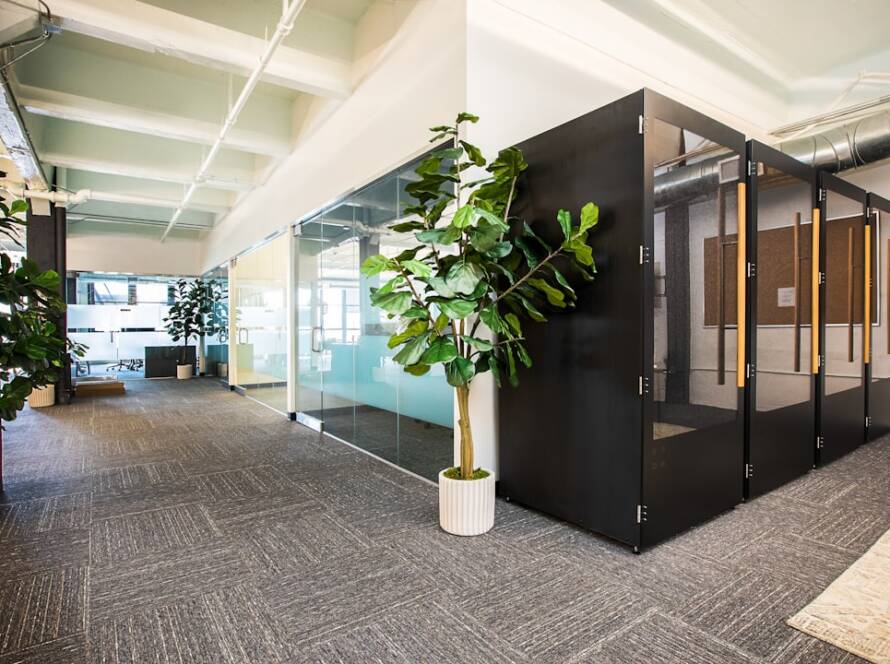
Natural light is a powerful element in interior design, capable of transforming spaces and enhancing the overall ambiance of a home. To maximize natural light, one must first consider the orientation of windows and the layout of the space. South-facing windows typically receive the most sunlight throughout the day, making them ideal for maximizing light.
Strategically placing mirrors opposite these windows can amplify the light, reflecting it deeper into the room and creating an illusion of a larger space. For instance, a well-placed mirror in a small living room can double the perceived size of the area while also brightening it. In addition to window placement, the choice of window treatments plays a crucial role in harnessing natural light.
Opting for sheer curtains or blinds that can be fully retracted allows sunlight to flood in without obstruction. Furthermore, using lighter colors for walls and ceilings can enhance the effect of natural light, as these surfaces reflect light rather than absorb it. For example, a soft white or pale pastel hue can create a bright and airy atmosphere, making even the smallest rooms feel more open and inviting.
Skylights and clerestory windows are also excellent options for bringing in additional light from above, particularly in spaces where traditional windows may not be feasible.
Key Takeaways
- Maximize natural light by using sheer curtains, mirrors, and light-colored walls to reflect and amplify sunlight.
- Create an indoor-outdoor connection by using large windows, glass doors, and outdoor living spaces that seamlessly flow into the interior.
- Incorporate greenery and plants to bring the outdoors in, using hanging planters, potted plants, and vertical gardens.
- Use natural materials and textures such as wood, stone, and rattan to add warmth and earthy elements to the indoor space.
- Design outdoor-inspired color schemes with earthy tones, blues, and greens to evoke a sense of nature and tranquility indoors.
Creating an Indoor-Outdoor Connection
Establishing a seamless connection between indoor and outdoor spaces is essential for creating a harmonious living environment. This can be achieved through various design strategies that blur the lines between inside and outside. One effective method is to incorporate large sliding or folding glass doors that open up to a patio or garden.
These expansive openings not only allow for unobstructed views of the outdoors but also facilitate easy access, encouraging residents to enjoy their outdoor spaces more frequently. For instance, a modern kitchen that opens directly onto a deck can create an inviting atmosphere for entertaining guests or enjoying family meals al fresco. Another approach to fostering an indoor-outdoor connection is through the use of similar materials and color palettes in both spaces.
For example, if the outdoor patio features natural stone flooring, using the same material indoors can create a cohesive look that ties the two areas together. Additionally, incorporating outdoor elements such as potted plants or water features inside can further enhance this connection. A small indoor fountain or a collection of succulents on a windowsill can evoke the tranquility of nature, making the transition between indoor and outdoor spaces feel more fluid and integrated.
Incorporating Greenery and Plants

The presence of greenery and plants within a home not only enhances aesthetic appeal but also contributes to improved air quality and overall well-being.
For instance, hanging planters filled with trailing vines can add visual interest to walls while also softening hard edges and surfaces.
This approach not only beautifies the space but also brings a sense of life and vitality indoors. Moreover, selecting plants that thrive in specific indoor conditions is crucial for successful integration. Low-light tolerant species such as snake plants or pothos are ideal for dimly lit areas, while sun-loving varieties like succulents or cacti can be placed near windows where they can soak up sunlight.
The strategic placement of plants can also enhance the overall design scheme; for example, using tall plants like fiddle leaf figs in corners can draw the eye upward, creating an illusion of height in a room. Additionally, grouping plants of varying heights and textures can create dynamic focal points that invite exploration and interaction.
Using Natural Materials and Textures
Incorporating natural materials and textures into interior design fosters a sense of warmth and authenticity that resonates with many homeowners. Wood, stone, and organic textiles are just a few examples of materials that can be used to create a grounded aesthetic. For instance, reclaimed wood beams on a ceiling or hardwood flooring can add character and warmth to a space while also promoting sustainability.
The unique grains and imperfections found in natural wood contribute to a sense of history and individuality that manufactured materials often lack. Stone elements, whether used as countertops, backsplashes, or accent walls, can evoke a sense of permanence and connection to nature. A kitchen featuring granite or quartzite countertops not only provides durability but also introduces an earthy texture that complements other natural elements in the home.
Additionally, incorporating textiles made from natural fibers such as cotton, linen, or wool can enhance comfort while adding depth to the design. A jute rug or linen throw can soften hard surfaces and create an inviting atmosphere that encourages relaxation.
Designing Outdoor-inspired Color Schemes
Color plays a pivotal role in shaping the mood and atmosphere of any space, and drawing inspiration from nature can lead to soothing and refreshing palettes. Earthy tones such as greens, browns, and soft blues can evoke feelings of tranquility reminiscent of outdoor environments. For example, a living room painted in muted sage green paired with cream-colored furnishings can create a serene retreat that feels connected to nature.
This color scheme not only promotes relaxation but also serves as a backdrop for incorporating natural materials and textures. In addition to earthy tones, vibrant colors found in flowers and foliage can be used as accents to bring energy into a space. A bright coral or sunflower yellow accent wall can serve as a focal point while complementing neutral furnishings.
Utilizing color swatches inspired by outdoor landscapes—such as sandy beige reminiscent of beaches or deep forest green—can help create cohesive color schemes that reflect personal style while celebrating nature’s beauty.
Adding Outdoor-inspired Furniture and Decor

The selection of furniture and decor plays an essential role in creating an outdoor-inspired interior environment. Choosing pieces that reflect natural forms or materials can enhance the overall theme while providing comfort and functionality. For instance, opting for furniture made from sustainable materials like bamboo or reclaimed wood not only supports eco-friendly practices but also adds an organic touch to the space.
A dining table crafted from live-edge wood can serve as a stunning centerpiece that invites gatherings and shared meals. Incorporating decor items that evoke outdoor elements further enhances this theme. Textiles featuring botanical prints or nature-inspired motifs can add visual interest while reinforcing the connection to nature.
Additionally, decorative items such as woven baskets or ceramic planters can introduce texture and warmth into the design scheme. Outdoor-inspired decor does not have to be limited to traditional items; modern interpretations of natural forms—such as sculptural lighting fixtures resembling tree branches—can add an artistic flair while maintaining the theme.
Utilizing Outdoor-inspired Lighting
Lighting is a critical component in any design scheme, influencing both functionality and mood within a space. To create an outdoor-inspired atmosphere, consider incorporating lighting fixtures that mimic natural light sources or evoke the feeling of being outdoors at twilight. For example, pendant lights resembling lanterns or chandeliers made from natural materials like rattan can create an inviting ambiance reminiscent of outdoor gatherings under string lights.
In addition to decorative fixtures, layering different types of lighting is essential for achieving versatility within a space. Combining ambient lighting with task lighting—such as table lamps or wall sconces—can create a warm glow that mimics the soft illumination found in nature during sunset. Furthermore, utilizing dimmable fixtures allows homeowners to adjust lighting levels according to their needs, whether hosting lively gatherings or enjoying quiet evenings at home.
Creating Functional Outdoor Spaces Inside
Designing functional outdoor-inspired spaces within the home allows residents to enjoy the benefits of nature regardless of weather conditions. One effective way to achieve this is by creating designated areas for relaxation or recreation that mimic outdoor environments. For instance, incorporating a sunroom filled with comfortable seating and abundant greenery can provide a tranquil retreat where one can unwind while enjoying views of the outdoors.
Another approach is to design multifunctional spaces that cater to various activities while maintaining an outdoor feel. A home office with large windows overlooking a garden can inspire creativity and productivity while providing a connection to nature. Similarly, creating an indoor workout area with natural light and ventilation can make exercising feel more invigorating and enjoyable.
By thoughtfully designing these functional spaces with elements inspired by nature, homeowners can cultivate environments that promote well-being and enhance their quality of life.
If you are looking to create an eco-friendly basement apartment design in Brooklyn, you may want to consider incorporating some green architecture ideas. This article on green architecture ideas for eco-friendly homes provides valuable tips and inspiration for incorporating sustainable features into your basement apartment design. From energy-efficient lighting to natural ventilation systems, there are many ways to make your space more environmentally friendly while also creating a beautiful and functional living space.
FAQs
What are some outdoor features that can be incorporated into a Brooklyn basement apartment design?
Some outdoor features that can be incorporated into a Brooklyn basement apartment design include natural light sources such as windows or skylights, outdoor-inspired color schemes, and elements like plants or greenery to bring a sense of the outdoors inside.
How can natural light be incorporated into a basement apartment design?
Natural light can be incorporated into a basement apartment design by adding windows, creating light wells, or installing skylights. These features can help bring in natural light and create a more open and airy feel in the space.
What are some outdoor-inspired color schemes that can be used in a basement apartment design?
Outdoor-inspired color schemes for a basement apartment design can include earthy tones such as greens, blues, and browns, as well as neutral colors like white, beige, or gray. These colors can help create a calming and natural atmosphere in the space.
How can plants and greenery be incorporated into a basement apartment design?
Plants and greenery can be incorporated into a basement apartment design by adding potted plants, hanging planters, or vertical gardens. These elements can help bring a touch of nature into the space and improve air quality.
What are some other ways to incorporate outdoor features into a basement apartment design?
Other ways to incorporate outdoor features into a basement apartment design include using natural materials such as wood or stone, adding outdoor-inspired decor like nature-themed artwork or accessories, and creating outdoor-like spaces such as a small patio or garden area within the apartment.