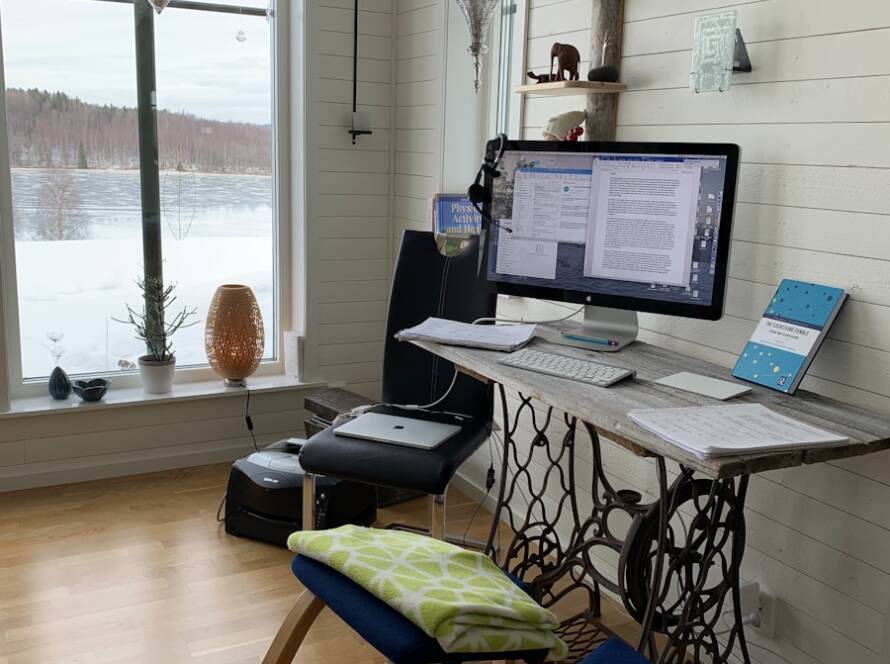
Industrial style is a design aesthetic that draws inspiration from the raw, utilitarian spaces of factories, warehouses, and industrial buildings. This style emerged in the mid-20th century when many factories were abandoned and repurposed into living spaces. The essence of industrial design lies in its embrace of the unfinished and the unrefined, celebrating the beauty of materials that are often overlooked in more traditional design paradigms.
It is characterized by a palette of neutral colors, open spaces, and a mix of vintage and modern elements that create a unique, eclectic atmosphere. At its core, industrial style is about authenticity and functionality. It often features high ceilings, large windows, and an open floor plan that allows for flexibility in how spaces are used.
The aesthetic is marked by a combination of hard surfaces—such as concrete, metal, and wood—paired with softer elements to create a balanced environment. This juxtaposition not only adds visual interest but also reflects the history and character of the space. The industrial look is not just about aesthetics; it also tells a story of the past, making it a popular choice for those who appreciate history and craftsmanship in their living or working environments.
Key Takeaways
- Industrial style is characterized by a raw and unfinished look, often incorporating elements like exposed pipes and ductwork.
- When choosing materials and finishes for industrial design, opt for raw and reclaimed materials like wood, metal, and concrete.
- Utilize exposed pipes and ductwork as design elements, embracing their industrial aesthetic rather than hiding them.
- Incorporate raw and reclaimed materials such as distressed wood, salvaged metal, and repurposed furniture to add character to the space.
- Select industrial lighting fixtures with a utilitarian and minimalist design to complement the overall industrial style.
Choosing the Right Materials and Finishes
Selecting the right materials and finishes is crucial in achieving an authentic industrial look. The most common materials associated with this style include metal, wood, concrete, and brick. Metal finishes can range from polished steel to weathered iron, each contributing to the overall aesthetic in different ways.
For instance, polished steel can add a sleek, modern touch, while rusted iron can evoke a sense of history and age. Wood, particularly reclaimed wood, is often used for flooring, furniture, or accent walls, providing warmth and texture that balances the coldness of metal and concrete. Concrete is another staple in industrial design.
It can be used for flooring, countertops, or even walls to create a raw, unfinished look that is both durable and stylish. When choosing finishes, consider matte or satin options over glossy ones to maintain the understated elegance typical of industrial spaces. Additionally, incorporating finishes that show wear and tear can enhance the character of the space.
For example, distressed wood or patinated metal can add depth and interest, making the environment feel lived-in and inviting.
Utilizing Exposed Pipes and Ductwork
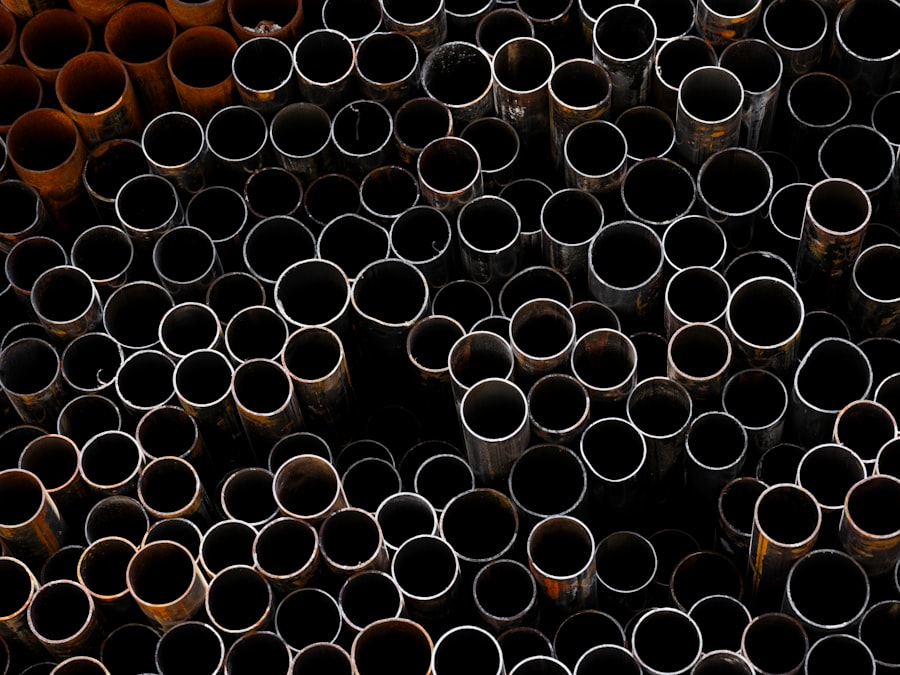
One of the hallmarks of industrial design is the use of exposed pipes and ductwork. Rather than hiding these functional elements behind walls or ceilings, they are celebrated as part of the overall aesthetic. Exposed pipes can be painted in bold colors or left in their natural state to create visual contrast against other materials.
For instance, black pipes against a white ceiling can create a striking visual effect while maintaining an industrial vibe. Incorporating ductwork into the design can also enhance the sense of space. High ceilings with visible ducting can make a room feel larger and more open.
Additionally, using ductwork as a design element allows for creative lighting solutions; for example, pendant lights can be hung from ducts or pipes to create an interesting focal point. This approach not only emphasizes the industrial theme but also showcases the ingenuity of design by turning functional elements into artistic statements.
Incorporating Raw and Reclaimed Materials
Raw and reclaimed materials are essential components of industrial style, as they embody the spirit of sustainability and resourcefulness. Reclaimed wood from old barns or factories can be transformed into stunning furniture pieces or accent walls that tell a story of their past life. This not only adds character to a space but also promotes environmental consciousness by reducing waste and repurposing materials.
In addition to wood, other reclaimed materials such as metal scraps or vintage machinery parts can be creatively integrated into the design.
These elements not only serve functional purposes but also act as conversation starters, inviting guests to engage with the history behind each piece.
The use of raw materials emphasizes authenticity and craftsmanship, making each item in the space feel unique and significant.
Selecting the Perfect Industrial Lighting
Lighting plays a pivotal role in defining the ambiance of an industrial space. The right fixtures can enhance the raw beauty of materials while providing necessary illumination. Industrial lighting often features metal finishes, Edison bulbs, and minimalist designs that align with the overall aesthetic.
Pendant lights with exposed bulbs are particularly popular; they provide direct lighting while adding an element of vintage charm. In addition to pendant lights, consider incorporating floor lamps or wall sconces that echo industrial design principles. For instance, a tripod floor lamp made from metal can serve as both a functional light source and an artistic statement piece.
Layering different types of lighting—ambient, task, and accent—can create depth and warmth within an industrial space. Using dimmers allows for flexibility in mood setting, making it easy to transition from bright workspaces to cozy evening environments.
Adding Functional and Stylish Furniture

Industrial-Chic Essentials
Metal furniture, such as steel chairs or tables, is a staple of industrial-style design. Not only can it withstand heavy use, but it also adds to the overall industrial vibe of the space.
This blend of materials creates a visually appealing contrast that adds depth and character to the room. Multifunctional furniture is also a must, as it helps to maximize space efficiency while enhancing both functionality and style.
Adding Character with Vintage Finds
To give your industrial-style space a unique personality, consider incorporating vintage finds from flea markets or thrift stores. Look for items like leather sofas with a rich patina or metal stools that have a worn, distressed look. The goal is to curate a collection of pieces that not only serve a practical purpose but also contribute to the narrative of the space, telling a story of history and character.
Creating a Statement Wall
A statement wall can serve as a focal point in an industrial-style room, drawing attention while enhancing the overall aesthetic. This could be achieved through various means—whether it’s using bold paint colors, wallpaper with industrial motifs, or showcasing raw materials like exposed brick or concrete. A brick wall painted in a deep charcoal or navy can create a dramatic backdrop for artwork or furniture arrangements.
Another approach is to use reclaimed wood planks to create a feature wall that adds warmth and texture to an otherwise stark environment. This not only introduces visual interest but also reinforces the theme of sustainability inherent in industrial design. Incorporating art pieces or large-scale photographs on this wall can further personalize the space while maintaining its industrial integrity.
The key is to ensure that whatever material or design choice is made for the statement wall complements the overall aesthetic without overwhelming it.
Bringing in Greenery and Natural Elements
While industrial design often leans towards hard surfaces and raw materials, incorporating greenery can soften the look and introduce a refreshing contrast to the environment. Plants such as succulents or snake plants thrive in low-light conditions and require minimal maintenance, making them ideal for urban settings where natural light may be limited. Hanging planters or wall-mounted pots can add vertical interest while keeping surfaces clear.
In addition to potted plants, consider using natural elements like wood or stone in decor items to further bridge the gap between industrial aesthetics and nature. A wooden coffee table with live edges or stone coasters can introduce organic shapes that counterbalance the geometric lines typical of industrial design. This blend not only enhances visual appeal but also creates a more inviting atmosphere that encourages relaxation amidst the rawness of industrial elements.
By thoughtfully integrating greenery and natural materials into an industrial space, one can achieve a harmonious balance that celebrates both nature and industry.
If you’re looking for more detailed guidance on how to remodel your basement, you should check out this step-by-step basement remodeling process article. It provides a comprehensive guide on how to transform your basement into a functional and stylish space. This article will complement the tips on incorporating industrial style into your Brooklyn basement office, helping you achieve the perfect balance of aesthetics and functionality.
FAQs
What is industrial style?
Industrial style is a design aesthetic that draws inspiration from old factories and industrial spaces. It often features raw and unfinished materials such as exposed brick, metal, and reclaimed wood, as well as utilitarian fixtures and furniture.
How can I incorporate industrial style into my Brooklyn basement office?
To incorporate industrial style into your Brooklyn basement office, you can start by using raw and unfinished materials such as exposed brick walls, concrete floors, and metal pipes. You can also add industrial-style furniture and fixtures, such as metal shelving, vintage industrial lighting, and reclaimed wood desks or tables.
What are some key elements of industrial style design?
Key elements of industrial style design include exposed brick or concrete walls, metal fixtures and furniture, reclaimed wood accents, utilitarian lighting, and a neutral color palette with pops of industrial-inspired colors like black, gray, and metallic tones.
Are there any specific decor items that are essential for industrial style design?
Some essential decor items for industrial style design include vintage industrial lighting fixtures, metal shelving units, exposed Edison bulbs, reclaimed wood furniture, and industrial-inspired artwork or signage.
Can industrial style design work in a basement office?
Yes, industrial style design can work well in a basement office. The raw and unfinished aesthetic of industrial style can complement the unique architectural features often found in basement spaces, such as exposed pipes and concrete walls. Additionally, the use of industrial-style lighting and furniture can help create a functional and stylish workspace in a basement setting.