When embarking on the journey of creating a home bar, the initial step involves meticulous planning of the layout and design. The space allocated for the bar should be both functional and aesthetically pleasing, allowing for an enjoyable experience for both the host and guests. Consideration must be given to the overall flow of the room; the bar should be easily accessible while not obstructing movement within the space.
A common approach is to position the bar in a corner or against a wall, which can help maximize space and create a cozy nook for socializing. In addition to spatial considerations, the design elements should reflect personal style and the intended atmosphere. For instance, a modern bar might feature sleek lines and minimalist decor, while a rustic bar could incorporate reclaimed wood and vintage accents.
The choice of color palette plays a significant role in setting the mood; warm tones can create an inviting ambiance, while cooler shades may lend a more sophisticated feel. It’s also essential to think about practical aspects such as storage solutions for bottles, glassware, and tools, ensuring that everything is within reach yet neatly organized.
Key Takeaways
- Plan the layout and design of your home bar to ensure it fits seamlessly into your space and meets your needs.
- Choose bar furniture and decor that complements the overall style of your home and creates a welcoming atmosphere.
- Select the perfect lighting to set the mood and highlight the focal points of your home bar.
- Stock your bar with essential spirits and mixers to cater to a variety of tastes and preferences.
- Add personal touches and memorabilia to make your home bar feel unique and reflective of your personality.
Choosing the Right Bar Furniture and Decor
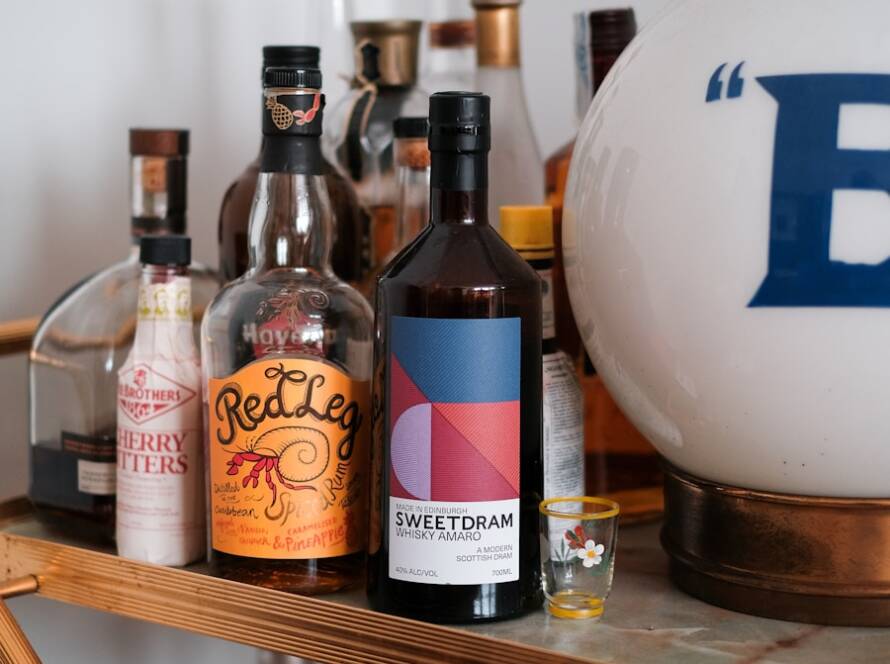
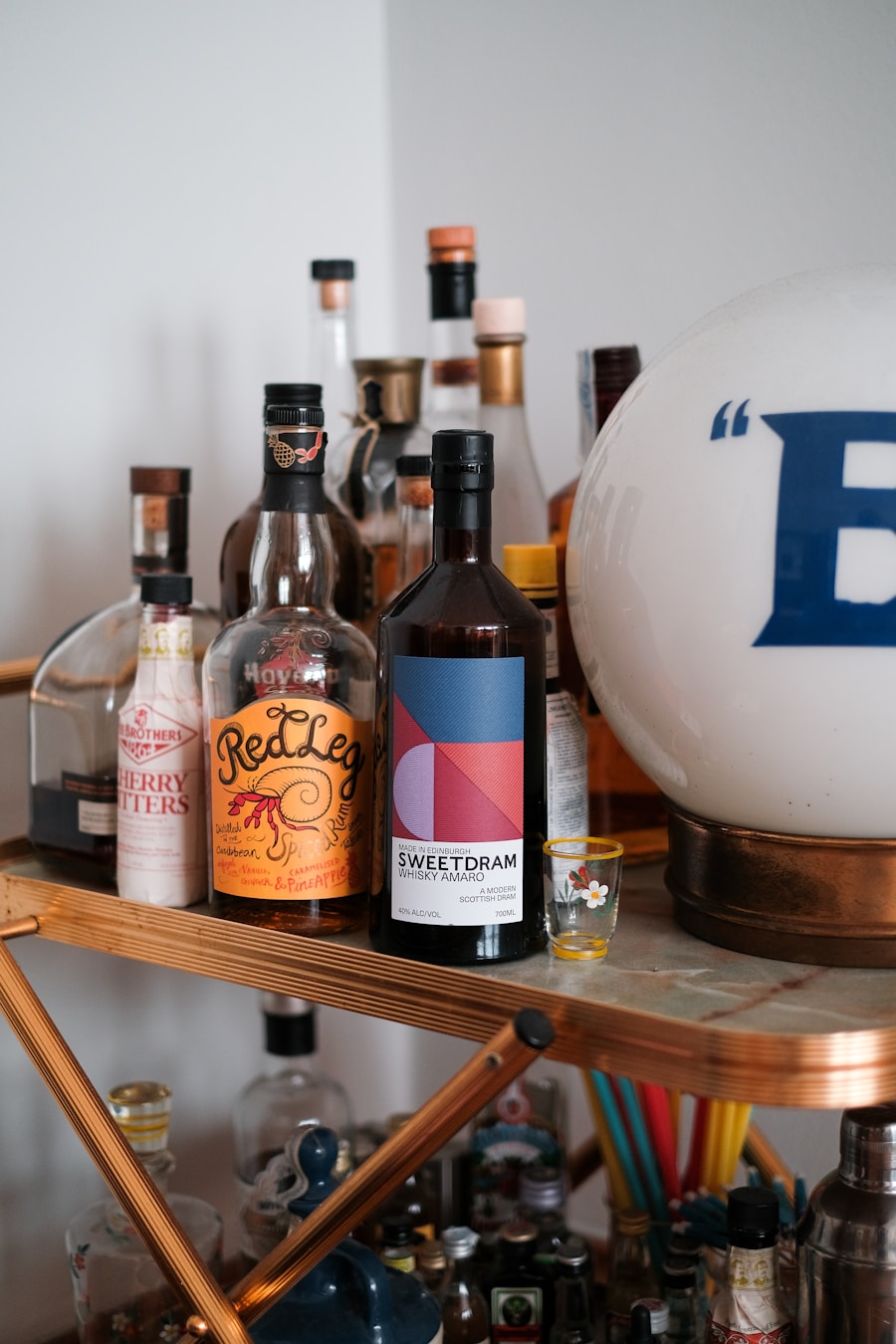
Selecting appropriate furniture and decor is crucial in establishing the character of your home bar. The bar itself can range from a simple countertop with stools to a fully equipped wet bar with cabinetry and shelving. If space allows, consider investing in a bar cart, which offers mobility and flexibility, allowing you to rearrange your setup as needed.
Stools should be comfortable and complement the overall design; options include upholstered seats for added comfort or sleek metal designs for a contemporary look. Decorative elements can enhance the visual appeal of the bar area significantly. Wall art, such as vintage liquor advertisements or framed photographs of classic cocktails, can add personality and charm.
Additionally, incorporating shelves to display an array of spirits not only serves a functional purpose but also acts as a focal point. Glassware is another important consideration; unique or themed glassware can elevate the drinking experience while showcasing your collection. Accessories like coasters, cocktail shakers, and decorative ice buckets can further enhance the aesthetic while providing practical use.
Selecting the Perfect Lighting
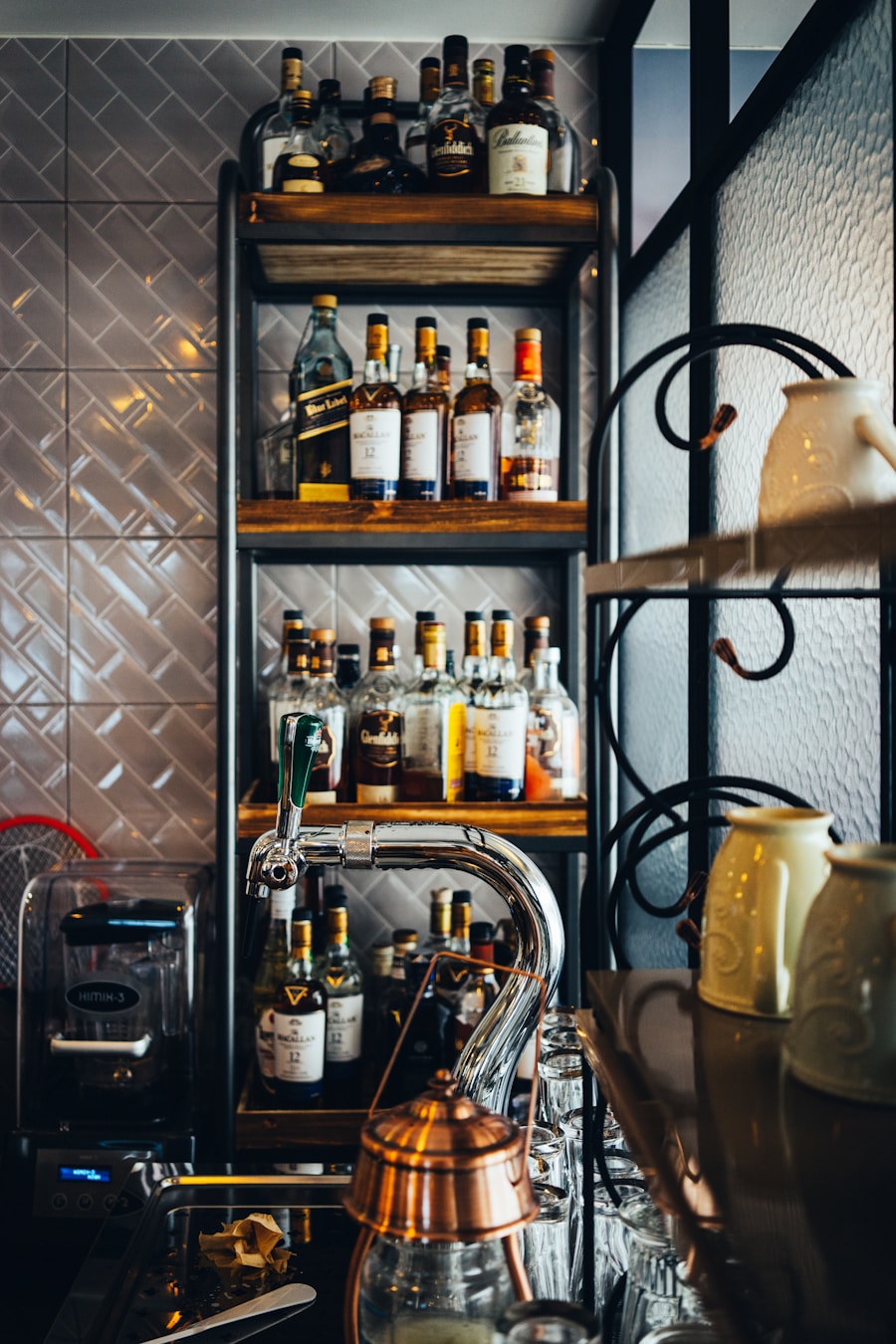
Lighting is a critical component in creating the right atmosphere for your home bar. The goal is to strike a balance between functionality and ambiance; bright enough to mix drinks effectively yet soft enough to foster a relaxed environment. Pendant lights or chandeliers above the bar area can serve as striking focal points while providing adequate illumination.
In addition to overhead lighting, consider incorporating accent lighting to highlight specific features of your bar. LED strip lights under shelves can illuminate bottles and glassware, creating an inviting glow that draws attention to your collection.
Wall sconces can also add depth and warmth to the space, enhancing the overall aesthetic without overwhelming it. Layering different types of lighting—ambient, task, and accent—will create a dynamic environment that adapts to various moods and activities.
Stocking the Bar with Essential Spirits and Mixers
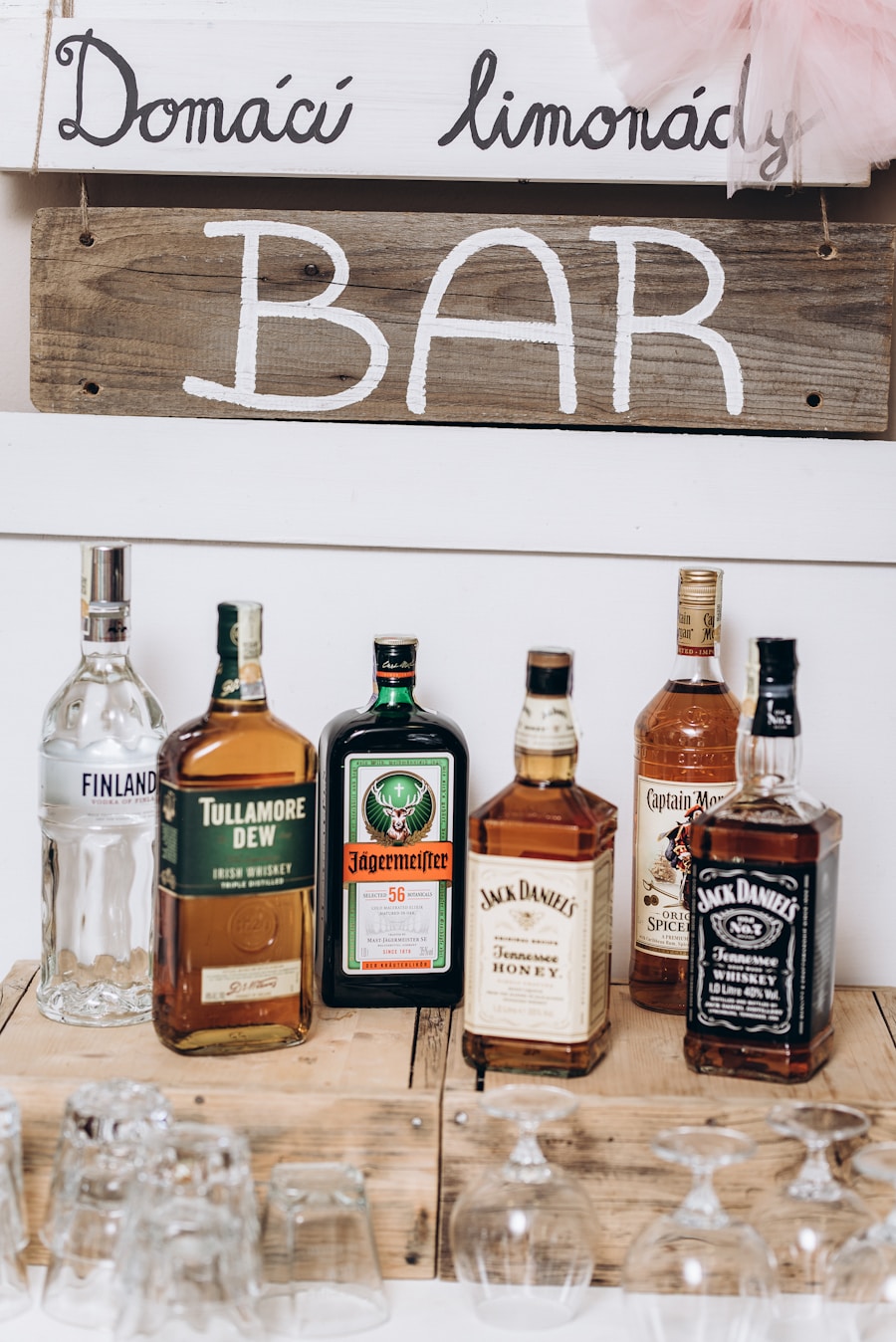
A well-stocked home bar is essential for crafting a variety of cocktails and accommodating diverse tastes. Begin by selecting a core group of spirits that serve as the foundation for many classic cocktails. This typically includes vodka, gin, rum, tequila, whiskey, and vermouth.
Each spirit brings its unique flavor profile and versatility; for example, vodka can be used in everything from martinis to Moscow mules, while whiskey is essential for old fashioneds and Manhattans. In addition to spirits, mixers play a vital role in cocktail creation. Stocking a range of mixers such as tonic water, club soda, ginger beer, and various fruit juices will allow for endless possibilities when mixing drinks.
Bitters are another important addition; they can enhance flavors and add complexity to cocktails with just a few dashes. Don’t forget garnishes like fresh herbs, citrus slices, and olives—these not only add flavor but also contribute to the visual appeal of your drinks.
Adding Personal Touches and Memorabilia
Personal touches can transform a standard home bar into a unique reflection of your personality and interests. Incorporating memorabilia such as travel souvenirs or items from significant life events can spark conversation and create a sense of nostalgia among guests. For instance, displaying cocktail shakers from different countries or framed photos from memorable nights out can serve as both decor and storytelling elements.
Additionally, consider curating a selection of books or cocktail recipe guides that resonate with your style or experiences. These can serve as both reference materials for crafting drinks and decorative elements on your shelves or coffee table. Personalizing your bar with items that hold sentimental value not only enhances its character but also creates an inviting atmosphere where guests feel connected to you through shared stories and experiences.
Creating a Cozy Seating Area
Seating Arrangement for Comfort and Conversation
A successful home bar experience goes beyond just mixing drinks; it’s about creating a welcoming space where guests can relax and enjoy their beverages. The seating arrangement plays a crucial role in achieving this, as it should encourage conversation while providing comfort. Consider incorporating bar stools at the counter or lounge chairs nearby to create a more relaxed atmosphere.
Furniture Layout for Optimal Interaction
If space permits, adding a small sofa or loveseat can create an intimate setting that invites guests to linger. However, the arrangement of furniture is equally important. Ensure that seating is positioned to facilitate interaction without feeling cramped. Adding small side tables can provide convenient surfaces for drinks or snacks, enhancing the overall functionality of the space.
Adding Textiles for Warmth and Comfort
Textiles such as cushions or throws can add warmth and comfort to the space, making it feel more inviting. By incorporating these elements, you can create an environment where guests feel at ease, encouraging them to unwind and enjoy their time at your home bar.
Incorporating Entertainment Options
To elevate the home bar experience further, consider incorporating entertainment options that cater to various interests and preferences. A well-placed sound system can enhance the atmosphere with curated playlists or themed music that complements the mood of your gatherings. Whether it’s jazz for an elegant cocktail evening or upbeat tunes for a lively party, music plays a crucial role in setting the tone.
In addition to music, games can provide an engaging way for guests to interact while enjoying their drinks. Board games or card games can be easily integrated into your bar setup, offering entertainment during quieter moments or while waiting for drinks to be prepared.
Maintaining and Organizing the Home Bar
Once your home bar is established, maintaining its organization and cleanliness is essential for ensuring it remains inviting and functional over time. Regularly check inventory levels of spirits and mixers to avoid running out during gatherings; keeping a list of what you have on hand can streamline this process. Additionally, periodically clean glassware and utensils to ensure they are ready for use at any moment.
Organizing your bar effectively will enhance both its functionality and visual appeal. Grouping similar items together—such as spirits by type or glassware by size—can make it easier to find what you need when preparing drinks. Consider using labeled containers or baskets for smaller items like cocktail tools or garnishes; this not only keeps everything tidy but also adds an element of style to your setup.
By prioritizing maintenance and organization, you’ll ensure that your home bar remains a welcoming space for years to come.
If you’re looking for more ideas on renovating your home, check out The Best Solutions & Ideas for Renovating Your Home. This article offers a variety of tips and inspiration for transforming different spaces in your house, including your basement. Whether you’re looking to create a stylish home bar or update your living room, this resource has you covered.
FAQs
What are the essential elements of a stylish home bar?
Essential elements of a stylish home bar include a well-stocked bar cart or cabinet, quality glassware, a variety of spirits and mixers, stylish bar tools, and comfortable seating.
How can I make the most of a small space when creating a home bar?
To make the most of a small space when creating a home bar, consider using a wall-mounted bar cabinet or a compact bar cart. Utilize vertical space for storage and opt for multi-functional furniture, such as a bar cart with built-in storage.
What are some stylish design ideas for a home bar in a Brooklyn basement?
Stylish design ideas for a home bar in a Brooklyn basement may include incorporating industrial elements, such as exposed brick or metal accents, using reclaimed wood for a rustic touch, and adding vintage or retro-inspired decor. Consider incorporating Brooklyn-inspired artwork or decor to add a local touch to the space.
How can I create a cohesive and stylish look for my home bar?
To create a cohesive and stylish look for your home bar, consider sticking to a specific color scheme or theme, such as a modern monochrome palette or a vintage speakeasy vibe. Use coordinating glassware and accessories, and pay attention to lighting and decor to tie the space together.
What are some tips for organizing and displaying a home bar collection?
Some tips for organizing and displaying a home bar collection include using open shelving to showcase bottles and glassware, utilizing decorative trays or stands to corral smaller items, and arranging items in a visually appealing and accessible manner. Consider incorporating decorative elements, such as plants or artwork, to add visual interest to the display.