Basement flooding is a significant concern for homeowners in Brooklyn, where the combination of heavy rainfall, rising sea levels, and aging infrastructure can lead to water intrusion. The borough’s unique geography, with its proximity to the Atlantic Ocean and various waterways, exacerbates the risk of flooding. During intense storms or heavy downpours, water can accumulate rapidly, overwhelming drainage systems and leading to water seeping into basements.
This not only poses a threat to the structural integrity of homes but also creates an environment conducive to mold growth and other moisture-related issues. Moreover, the consequences of basement flooding extend beyond immediate water damage. Homeowners may face costly repairs, including replacing damaged flooring, walls, and personal belongings.
The presence of standing water can also lead to electrical hazards and compromise the safety of the home. In Brooklyn, where many homes are older and may not have been built with modern waterproofing techniques, the risk is even more pronounced.
Key Takeaways
- Basement flooding in Brooklyn poses significant risks to property damage and health hazards.
- Waterproof flooring offers benefits such as protection against water damage and easy maintenance.
- Types of waterproof flooring options include vinyl, laminate, and ceramic tiles, each with unique features and benefits.
- Waterproof flooring protects against mold and mildew, which can thrive in damp basement environments.
- Long-term durability is crucial for Brooklyn basements, and waterproof flooring provides the necessary protection.
The Benefits of Waterproof Flooring
Waterproof flooring offers a multitude of advantages for homeowners looking to safeguard their basements from the perils of flooding. One of the most significant benefits is its ability to prevent water damage. Unlike traditional flooring materials such as carpet or hardwood, which can absorb moisture and become breeding grounds for mold and mildew, waterproof flooring is designed to repel water.
In addition to its protective qualities, waterproof flooring is also incredibly versatile in terms of design. Available in a wide range of styles, colors, and textures, it can mimic the appearance of natural materials like wood or stone while providing superior durability.
This aesthetic flexibility allows homeowners to create a basement space that is both functional and visually appealing. Furthermore, many waterproof flooring options are easy to install and maintain, making them an attractive choice for busy homeowners who want a hassle-free solution for their basements.
Types of Waterproof Flooring Options
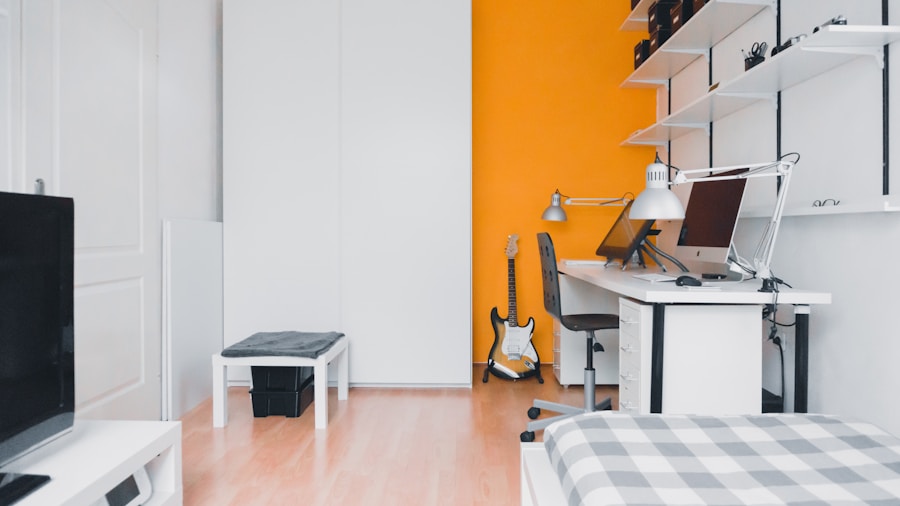
When it comes to selecting waterproof flooring for a Brooklyn basement, homeowners have several options to consider. Luxury vinyl plank (LVP) is one of the most popular choices due to its resilience and realistic appearance. LVP is designed to withstand moisture without warping or swelling, making it ideal for areas prone to flooding.
Additionally, it is available in a variety of styles that can replicate the look of hardwood or tile, allowing homeowners to achieve their desired aesthetic without sacrificing functionality. Another excellent option is ceramic or porcelain tile, which is inherently waterproof and resistant to stains and scratches. These tiles are particularly advantageous in basements because they can handle temperature fluctuations without cracking.
Moreover, tile flooring can be installed with grout that has been treated for water resistance, further enhancing its protective qualities. For those seeking a more eco-friendly solution, there are also options like cork flooring that have been treated for water resistance. Cork is naturally resistant to mold and mildew and provides a unique texture that can add warmth to a basement space.
How Waterproof Flooring Protects Against Mold and Mildew
One of the most pressing concerns associated with basement flooding is the potential for mold and mildew growth. These fungi thrive in damp environments and can pose serious health risks to occupants, including respiratory issues and allergic reactions. Waterproof flooring plays a crucial role in mitigating these risks by creating a barrier against moisture intrusion.
By preventing water from seeping into the flooring material, homeowners can significantly reduce the likelihood of mold spores taking hold. In addition to its moisture-repelling properties, many waterproof flooring options are treated with antimicrobial agents that inhibit mold growth. This added layer of protection ensures that even if there is a minor leak or spill, the flooring will not become a breeding ground for harmful microorganisms.
Regular maintenance and cleaning further enhance this protective effect; using appropriate cleaning solutions can help keep surfaces free from dirt and moisture that could otherwise contribute to mold proliferation.
The Importance of Long-Term Durability in Brooklyn Basements
In Brooklyn’s dynamic climate, where heavy rains and potential flooding are common occurrences, long-term durability is a critical factor when selecting flooring for basements. Homeowners need flooring solutions that can withstand not only moisture but also the wear and tear associated with everyday use. Waterproof flooring options are engineered for resilience, often featuring scratch-resistant surfaces that can endure foot traffic without showing signs of damage.
Moreover, investing in durable waterproof flooring can save homeowners money in the long run by reducing the need for frequent replacements or repairs. Unlike traditional flooring materials that may warp or deteriorate over time due to exposure to moisture, high-quality waterproof options maintain their integrity even in challenging conditions. This durability is particularly important in Brooklyn’s older homes, where basements may be more susceptible to environmental stressors.
How Waterproof Flooring Enhances the Aesthetic of Basements
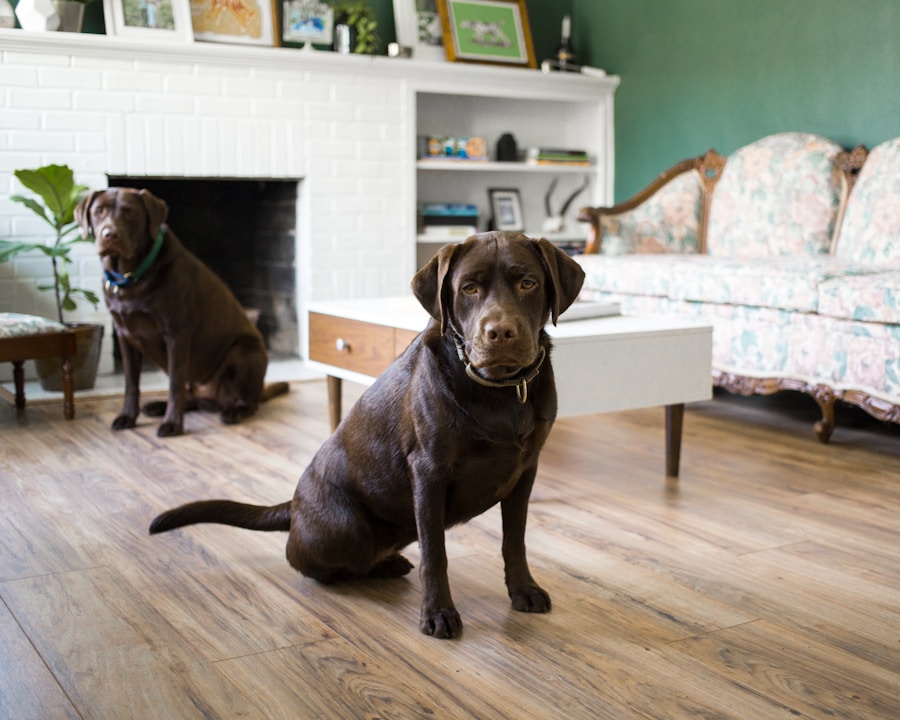
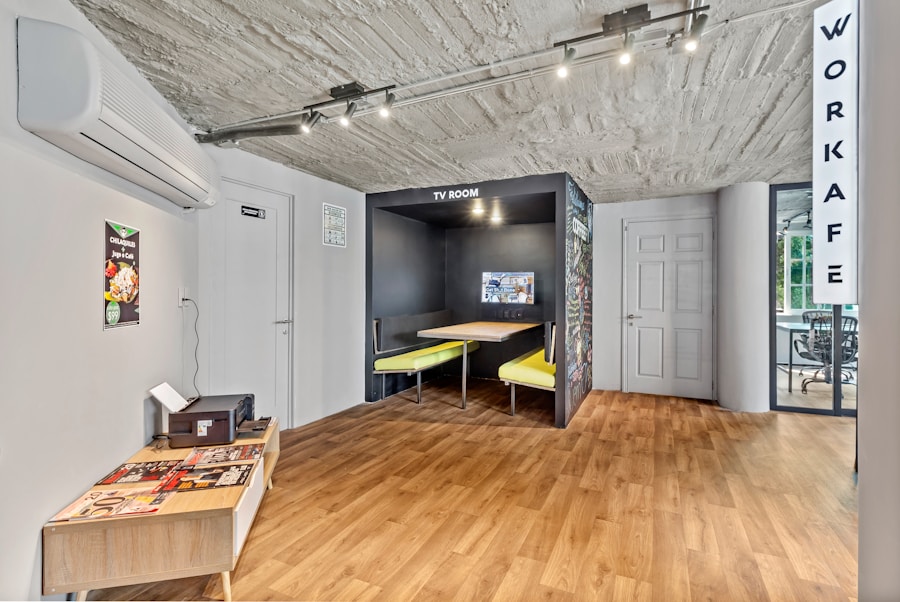
Beyond its functional benefits, waterproof flooring significantly enhances the aesthetic appeal of basements. Homeowners often view basements as underutilized spaces that can be transformed into inviting areas for relaxation or entertainment. With advancements in design technology, waterproof flooring now comes in an array of styles that cater to diverse tastes.
From sleek modern designs to rustic finishes that mimic reclaimed wood, there is a waterproof flooring option suitable for every aesthetic preference. The ability to choose from various colors and textures allows homeowners to create a cohesive look that complements the overall design of their home. For instance, light-colored vinyl planks can brighten up a dimly lit basement, making it feel more spacious and welcoming.
On the other hand, darker tiles can add sophistication and warmth to the space. By selecting waterproof flooring that aligns with their vision, homeowners can transform their basements into stylish extensions of their living areas.
The Cost-Effectiveness of Waterproof Flooring in the Long Run
While the initial investment in waterproof flooring may be higher than traditional options, it is essential to consider the long-term cost-effectiveness of this choice. The durability and resilience of waterproof materials mean they are less likely to require replacement or extensive repairs over time. In contrast, traditional flooring may need frequent maintenance or replacement due to water damage or wear from moisture exposure.
Additionally, waterproof flooring can contribute to energy efficiency in basements by helping regulate temperature and humidity levels. This can lead to lower heating and cooling costs over time as homeowners spend less on energy bills associated with climate control in their basements. When evaluating the overall financial implications, it becomes clear that investing in waterproof flooring is not just about immediate costs; it’s about ensuring long-term savings and peace of mind.
Tips for Choosing the Right Waterproof Flooring for Your Brooklyn Basement
Selecting the right waterproof flooring for a Brooklyn basement involves careful consideration of several factors. First and foremost, homeowners should assess their specific needs based on how they plan to use the space. For example, if the basement will serve as a recreational area or home gym, durability and ease of maintenance should be prioritized.
Conversely, if it will be used as a guest suite or office space, aesthetic appeal may take precedence. Another critical aspect is understanding the different installation methods available for various types of waterproof flooring. Some options come with click-lock systems that allow for easy DIY installation, while others may require professional installation for optimal results.
Homeowners should also consider their budget not only for materials but also for potential installation costs. Finally, consulting with local experts who understand Brooklyn’s unique environmental challenges can provide valuable insights into which products will perform best in specific conditions. By taking these factors into account, homeowners can make informed decisions that enhance both functionality and style in their basements.
If you’re considering a basement remodel in Brooklyn, you may want to check out this article on stylish makeovers that elevate interior design. This resource can provide inspiration and ideas for transforming your basement into a functional and beautiful living space. Additionally, you may find the comprehensive guides for modern living spaces helpful in planning your renovation project. And don’t forget to visit the FAQs section for answers to common questions about basement remodeling.
FAQs
What is waterproof flooring?
Waterproof flooring is a type of flooring that is designed to resist water and moisture, making it ideal for areas that are prone to spills, leaks, or high humidity.
What are the benefits of waterproof flooring for Brooklyn basements?
Waterproof flooring for Brooklyn basements offers several benefits, including protection against water damage, mold and mildew resistance, easy maintenance, and improved durability in high-traffic areas.
What are the different types of waterproof flooring available for Brooklyn basements?
There are several types of waterproof flooring options available for Brooklyn basements, including luxury vinyl planks, ceramic or porcelain tile, concrete flooring, and waterproof laminate flooring.
How does waterproof flooring protect against water damage in Brooklyn basements?
Waterproof flooring creates a barrier that prevents water from seeping through the floor, protecting the subfloor and underlying structure from water damage and potential mold growth.
Is waterproof flooring easy to maintain in Brooklyn basements?
Yes, waterproof flooring is easy to maintain in Brooklyn basements. It can be easily cleaned with a damp mop or vacuumed to remove dirt and debris, making it a low-maintenance flooring option.
Can waterproof flooring be installed over existing flooring in Brooklyn basements?
In many cases, waterproof flooring can be installed over existing flooring in Brooklyn basements, depending on the type of waterproof flooring and the condition of the existing floor. It’s best to consult with a professional installer for specific recommendations.