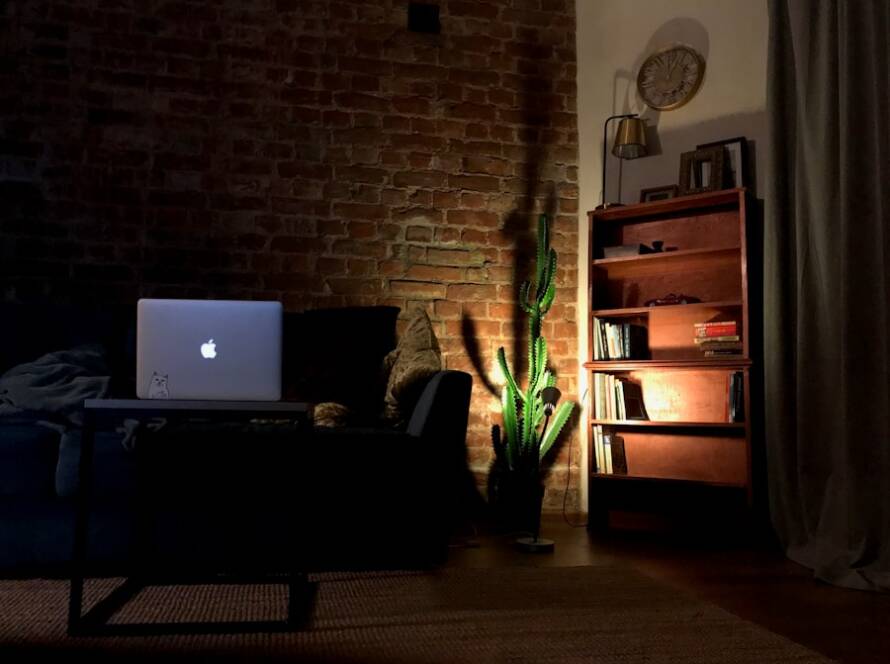
Before embarking on any lighting project, it is crucial to conduct a thorough assessment of the existing lighting situation in your space.
Begin by taking note of the various light sources present, such as overhead fixtures, wall sconces, and table lamps.
Observe how these lights illuminate different areas of the room at various times of the day. Are there dark corners that remain unlit? Do certain areas feel overly bright or harsh?
This initial evaluation will provide a foundation for making informed decisions about your lighting needs. In addition to examining the physical aspects of your lighting, consider the emotional and functional impact it has on your environment. Lighting can significantly influence mood and productivity; for instance, a well-lit workspace can enhance focus and efficiency, while softer lighting in a living area can create a cozy atmosphere.
Take into account the activities that take place in each room. A kitchen may require bright, task-oriented lighting for cooking, while a bedroom might benefit from softer, more ambient light for relaxation. By understanding both the practical and aesthetic implications of your current lighting setup, you can better identify areas for improvement and develop a comprehensive lighting plan.
Key Takeaways
- Assess the current lighting situation to understand the existing setup and identify areas for improvement
- Choose the right type of lighting, such as ambient, task, or accent lighting, to suit the specific needs of each space
- Consider natural light options to maximize daylight and reduce the need for artificial lighting during the day
- Utilize mirrors and light colors to enhance the brightness and spaciousness of a room
- Install dimmer switches for versatility and the ability to adjust the lighting levels according to different activities and moods
Choose the Right Type of Lighting
Once you have assessed your current lighting situation, the next step is to choose the right type of lighting for your space. Lighting can be categorized into three main types: ambient, task, and accent. Ambient lighting serves as the primary source of illumination in a room, providing overall brightness and setting the mood.
This can be achieved through ceiling fixtures, chandeliers, or recessed lighting. Task lighting, on the other hand, is designed to illuminate specific areas where activities such as reading, cooking, or working take place. Examples include desk lamps, under-cabinet lights in kitchens, and pendant lights over workspaces.
Accent lighting is used to highlight particular features or objects within a room, such as artwork or architectural details. When selecting fixtures, consider the style and scale of your space. A large room may require multiple sources of ambient light to ensure even distribution, while a smaller area might benefit from a single statement fixture that draws the eye upward.
Additionally, think about the color temperature of the bulbs you choose. Warm white bulbs (around 2700K) create a cozy atmosphere suitable for living spaces, while cooler white bulbs (around 4000K) are ideal for work areas where clarity and focus are paramount. By thoughtfully combining these different types of lighting, you can create a layered effect that enhances both functionality and aesthetics.
Consider Natural Light Options
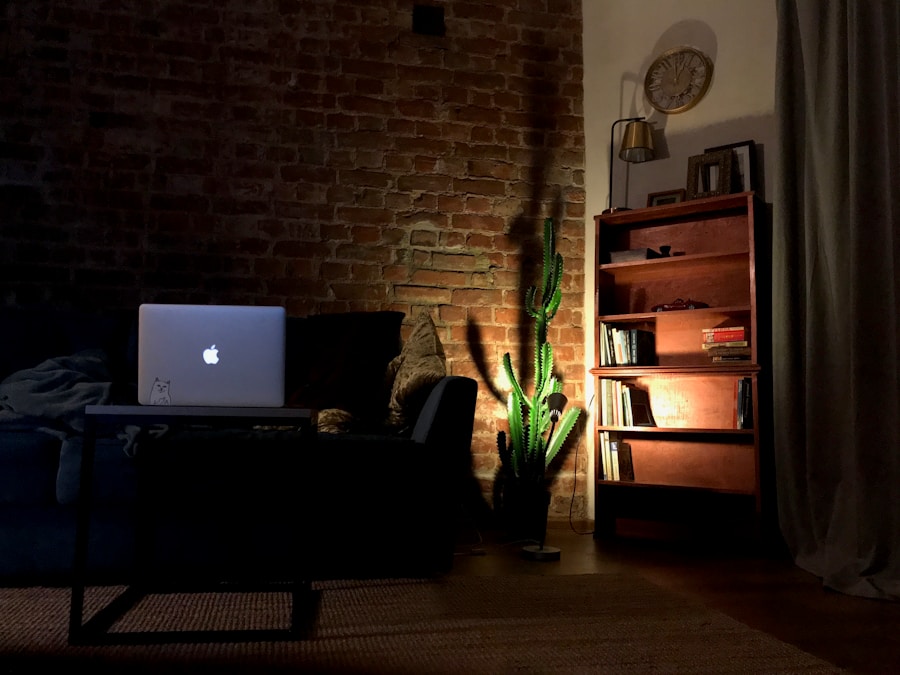
Incorporating natural light into your lighting design can dramatically transform a space, making it feel more open and inviting. Natural light not only reduces reliance on artificial sources but also has numerous psychological benefits, such as improving mood and increasing productivity. To maximize natural light in your home or office, start by evaluating how sunlight enters your space throughout the day.
Identify windows that may be obstructed by furniture or heavy drapes and consider ways to enhance their exposure. One effective strategy is to use sheer window treatments that allow light to filter through while still providing privacy. Additionally, consider the placement of mirrors strategically across from windows to reflect light deeper into the room.
If possible, opt for lighter colors on walls and ceilings to amplify the effect of natural light. Skylights or solar tubes can also be excellent additions for spaces that lack adequate windows. By embracing natural light as a key component of your overall lighting strategy, you can create a more vibrant and energizing environment.
Utilize Mirrors and Light Colors
Mirrors are powerful tools in interior design that can significantly enhance the perception of space and light within a room. When strategically placed, mirrors can reflect both natural and artificial light, effectively doubling its impact. For instance, positioning a large mirror opposite a window can create an illusion of depth while brightening up darker corners of a room.
Additionally, mirrors can serve as decorative elements that add visual interest and sophistication to your decor. In conjunction with mirrors, the choice of colors in your space plays a pivotal role in how light is perceived. Light colors tend to reflect more light than darker shades, making them ideal for smaller or dimly lit rooms.
Conversely, darker colors absorb light and can make a space feel more intimate but may require additional lighting sources to maintain functionality. When selecting paint colors or furnishings, consider how they will interact with your lighting scheme to achieve a harmonious balance that maximizes both brightness and style.
Install Dimmer Switches for Versatility
Dimmer switches are an often-overlooked feature that can greatly enhance the versatility of your lighting design. By allowing you to adjust the brightness of your lights according to different activities or moods, dimmers provide flexibility that fixed lighting cannot offer. For example, in a dining room setting, you might prefer bright lighting during meal preparation but want to lower it for an intimate dinner setting.
Similarly, in a home theater or living room, dimming lights can create a cozy atmosphere perfect for movie nights. Installing dimmer switches is typically a straightforward process that can be done by most homeowners with basic electrical knowledge. However, it’s essential to ensure that the dimmer switch is compatible with the type of bulbs you are using—LEDs often require specific dimmers designed for their technology.
Beyond functionality, dimmers also contribute to energy efficiency; by reducing the brightness when full illumination is unnecessary, you can save on electricity costs while extending the lifespan of your bulbs.
Incorporate Task Lighting for Functionality
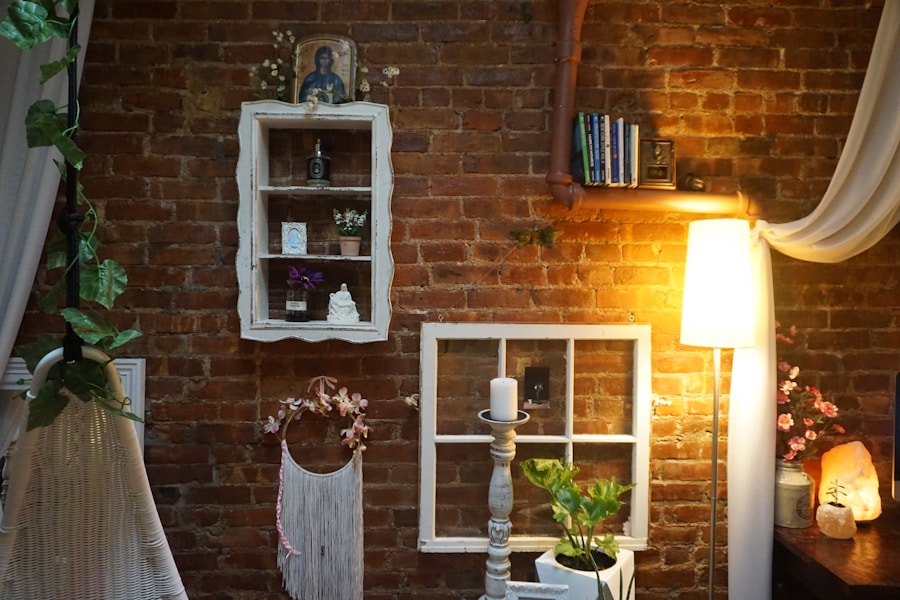
Targeted Illumination in Key Areas
For instance, under-cabinet lights in kitchens provide direct illumination on countertops where food preparation occurs, reducing shadows and enhancing visibility. In home offices or study areas, adjustable desk lamps can be positioned to focus light precisely where it’s needed without causing glare on screens or paperwork.
Versatile Lighting Options
Additionally, floor lamps with adjustable arms can serve dual purposes by providing both ambient light and targeted task lighting in living areas or reading corners.
Enhancing Functionality and Comfort
By thoughtfully integrating task lighting into your overall design plan, you can enhance functionality while ensuring comfort and safety during various activities.
Add Statement Fixtures for Style
In addition to functionality, lighting fixtures can serve as striking focal points that elevate the overall aesthetic of your space. Statement fixtures—such as oversized chandeliers or unique pendant lights—can draw attention and set the tone for an entire room. When selecting statement pieces, consider the style and theme of your decor; whether you prefer modern minimalism or vintage charm, there are countless options available to suit your taste.
For example, a bold geometric chandelier can add a contemporary flair to an otherwise traditional dining room, while an antique brass pendant light might complement rustic decor beautifully. Beyond their visual appeal, statement fixtures also provide an opportunity to showcase personal style and creativity within your home design. When installed correctly at appropriate heights—typically around 30 inches above dining tables or kitchen islands—these fixtures not only illuminate but also enhance the character of your space.
Consider Professional Help for Complex Installations
While many aspects of lighting design can be tackled independently by homeowners with some DIY skills, certain installations may require professional expertise to ensure safety and compliance with local building codes. Complex projects such as rewiring existing fixtures or installing new electrical circuits should be handled by licensed electricians who possess the necessary knowledge and experience. Additionally, if you are considering integrating smart home technology into your lighting system—such as programmable LED lights or automated dimmers—consulting with professionals who specialize in home automation can help streamline the process and ensure compatibility between devices.
Engaging experts not only guarantees quality workmanship but also provides peace of mind knowing that your lighting system will function optimally for years to come. By recognizing when to seek professional assistance, you can achieve a well-designed lighting scheme that meets both aesthetic desires and practical needs without compromising safety or quality.
If you’re looking to create a bright and welcoming Brooklyn basement with proper lighting, you may also be interested in reading about how to expand spaces for a modern feel. This article discusses the benefits of an open concept design in basement remodeling projects, which can help create a more spacious and inviting atmosphere. Check it out here.
FAQs
What are the benefits of proper lighting in a basement?
Proper lighting in a basement can make the space feel brighter, more welcoming, and visually larger. It can also improve safety and functionality by reducing the risk of accidents and making it easier to perform tasks.
What are some lighting options for a basement?
Some lighting options for a basement include recessed lighting, track lighting, pendant lights, wall sconces, and floor lamps. Natural light can also be maximized through the use of windows, light wells, or light tubes.
How can I create a bright and welcoming basement with lighting?
To create a bright and welcoming basement with lighting, consider using a combination of ambient, task, and accent lighting. Choose light fixtures that complement the overall design and style of the space, and make sure to layer the lighting to create depth and visual interest.
What are some tips for maximizing natural light in a basement?
To maximize natural light in a basement, consider adding windows, light wells, or light tubes. Additionally, using light-colored paint, reflective surfaces, and strategically placing mirrors can help bounce natural light around the space.
How can I ensure proper lighting in a basement renovation?
To ensure proper lighting in a basement renovation, it’s important to work with a professional electrician or lighting designer who can assess the space and recommend the best lighting solutions. Consider factors such as ceiling height, layout, and intended use of the space when planning the lighting design.