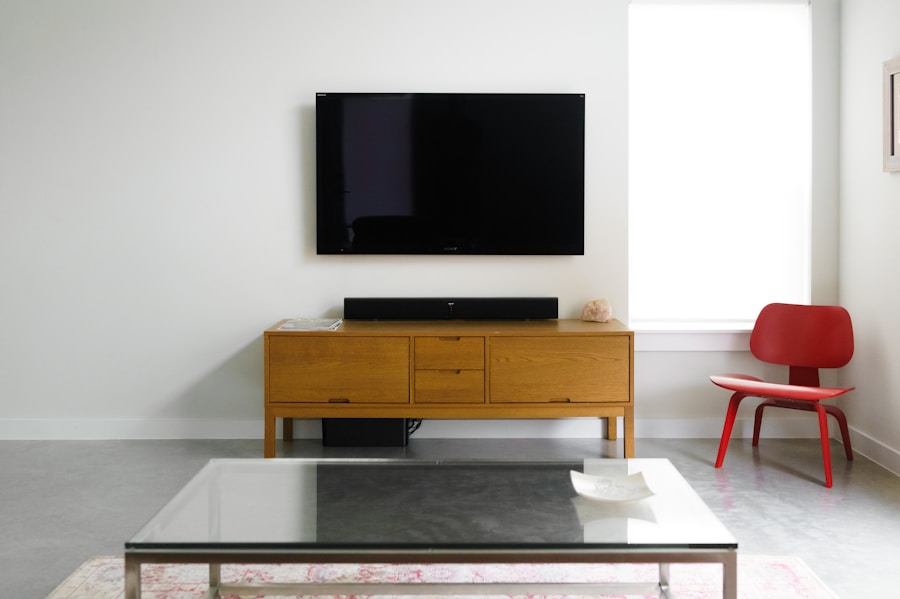
When embarking on the journey of transforming a basement into a home theater, the first step is to conduct a thorough assessment of the available space. This involves not only measuring the dimensions of the area but also considering the existing structural elements such as support beams, ductwork, and windows.
For instance, if your basement has low ceilings, you may need to opt for a projector with a short throw distance or a flat-screen TV mounted on the wall to maximize headroom. Additionally, evaluating the basement’s current condition is essential. Check for any signs of moisture or water damage, as these issues can severely impact both the comfort and longevity of your home theater.
If your basement is prone to dampness, investing in a dehumidifier or waterproofing solutions may be necessary before proceeding with any renovations. Furthermore, consider the insulation and heating options available; a comfortable temperature is vital for an enjoyable viewing experience. By taking these factors into account, you can create a solid foundation for your home theater project.
Key Takeaways
- Assess your basement space for potential home theater conversion, considering factors like size, layout, and existing features.
- Design the home theater layout to optimize viewing and seating arrangements, taking into account the placement of the screen, speakers, and seating options.
- Choose the right audio and visual equipment based on the size of the room, desired sound quality, and viewing preferences.
- Customize seating options to maximize comfort and functionality, considering factors like reclining features, material, and placement.
- Maximize comfort and functionality by selecting the right lighting and acoustics, ensuring optimal viewing and sound quality.
Designing the Home Theater Layout
Designing an Effective Layout for Your Home Theater
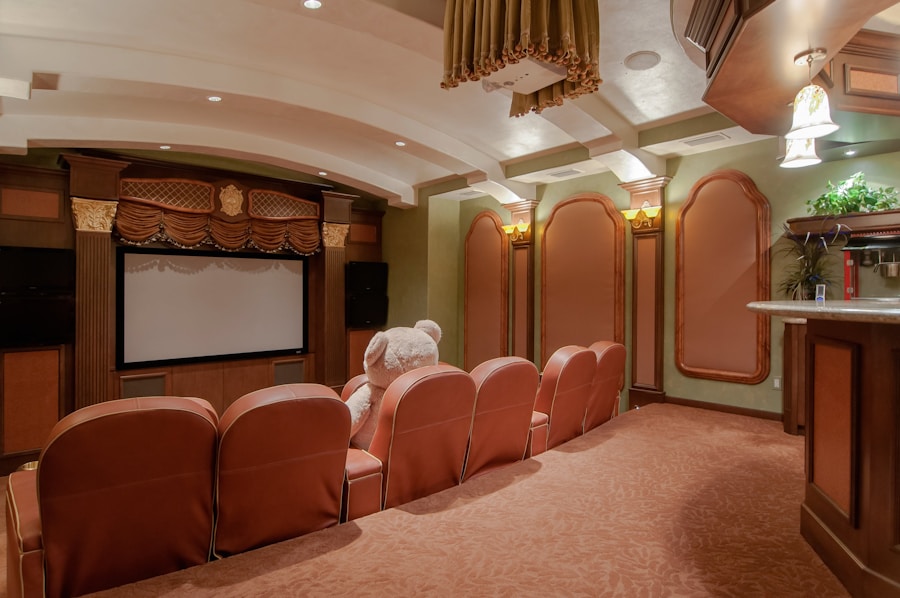
The arrangement of seating, screen placement, and audio equipment should be carefully planned to ensure optimal viewing and listening experiences. A common approach is to create a tiered seating arrangement, which allows for unobstructed views of the screen from every seat.
### Optimizing Seating Arrangement
This can be achieved by raising the back row of seats on a platform, ensuring that everyone has a clear line of sight. In addition to seating arrangements, consider the placement of your screen and speakers.
### Screen and Speaker Placement
The ideal distance between the screen and seating should be approximately 1.5 to 2.5 times the diagonal size of the screen for optimal viewing comfort. For example, if you have a 100-inch screen, your seating should be positioned between 8 and 12.5 feet away. Furthermore, speaker placement is critical for achieving immersive sound; front speakers should be positioned at ear level when seated, while surround speakers should be placed slightly above ear level to create an enveloping audio experience.
### Creating an Immersive Experience
By meticulously planning your layout, you can ensure that every aspect of your home theater contributes to an enjoyable cinematic experience.
Choosing the Right Audio and Visual Equipment
Selecting the right audio and visual equipment is paramount in creating a home theater that rivals commercial cinemas. The first decision revolves around whether to opt for a projector or a flat-screen television. Projectors can provide a larger image size and are often more cost-effective for larger screens, but they require careful consideration of ambient light and screen material.
On the other hand, flat-screen TVs offer superior brightness and color accuracy but may come with limitations in size compared to projectors. Once you have decided on the display type, focus on audio equipment. A surround sound system is essential for an immersive experience; consider investing in a 5.1 or 7.1 channel system that includes multiple speakers strategically placed around the room.
Brands like Klipsch and Bose offer high-quality options that can enhance your audio experience significantly. Additionally, incorporating a subwoofer will provide deep bass that adds depth to movie soundtracks and effects. It’s also worth exploring soundbars as an alternative for those with limited space; many modern soundbars come equipped with virtual surround sound technology that can simulate a multi-speaker setup without the clutter.
Customizing the Seating Options
The seating arrangement in your home theater plays a crucial role in both comfort and aesthetics. When selecting seating options, consider not only style but also functionality. Recliners are a popular choice for home theaters due to their comfort and ability to provide an optimal viewing angle.
Many recliners come equipped with features such as built-in cup holders, USB charging ports, and even massage functions, enhancing the overall experience. In addition to recliners, you might explore sectional sofas or theater-style seating that can accommodate larger groups. Customizing your seating layout can also involve creating dedicated zones within the theater; for instance, you could have a row of traditional theater seats at the back and a cozy lounge area with sofas at the front.
This not only adds variety but also caters to different preferences among family members or guests. Furthermore, consider incorporating removable cushions or blankets to enhance comfort during long movie marathons.
Maximizing Comfort and Functionality
Creating a comfortable environment in your home theater goes beyond just selecting the right seating; it involves considering temperature control, soundproofing, and overall ambiance. Proper insulation is key to maintaining a consistent temperature throughout your basement theater. If your basement tends to be cooler than other areas of your home, installing radiant floor heating can provide warmth without compromising aesthetics.
Soundproofing is another critical aspect that enhances comfort by minimizing external noise interference. This can be achieved through various methods such as adding acoustic panels to walls, using thick carpets or rugs on the floor, and sealing gaps around doors and windows. Additionally, consider using heavy curtains or blackout shades to block out light during daytime screenings, creating an immersive viewing experience regardless of external conditions.
Selecting the Right Lighting and Acoustics
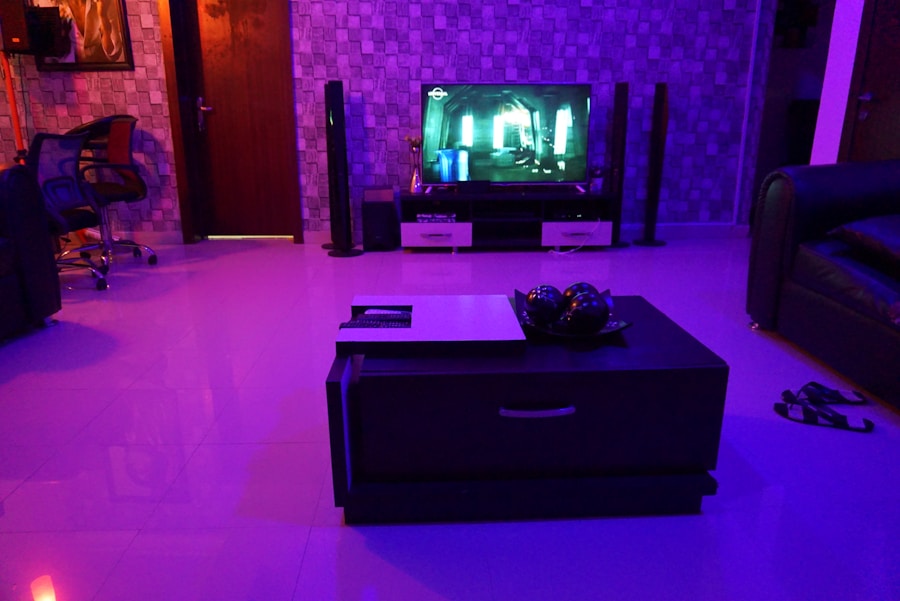
Lighting plays a pivotal role in setting the mood for your home theater while also ensuring functionality during movie nights. A layered lighting approach is often recommended; this includes ambient lighting for general illumination, task lighting for specific areas like snack bars or aisles, and accent lighting to highlight architectural features or decor elements. Dimmable LED lights are an excellent choice as they allow you to adjust brightness levels according to your needs.
Acoustics are equally important in creating an optimal sound environment within your home theater. The materials used in your walls, flooring, and ceiling can significantly affect sound quality. Soft furnishings such as curtains and upholstered furniture help absorb sound waves, reducing echo and enhancing clarity.
Additionally, strategically placing acoustic panels on walls can further improve sound quality by controlling reflections and reverberations within the space.
Incorporating Storage and Snack Bar Area
A well-designed home theater should also include practical storage solutions and a designated snack bar area to enhance the overall experience. Storage options can range from built-in cabinets that house media equipment and DVDs to stylish shelving units that display collectibles or movie memorabilia. Consider incorporating hidden storage solutions that maintain a clean aesthetic while providing easy access to essential items.
The snack bar area is another exciting feature that can elevate your home theater experience. This could be as simple as a small countertop with a popcorn machine and candy jars or as elaborate as a fully equipped wet bar with refrigerators for drinks and snacks. Including comfortable bar stools or high-top tables can create an inviting space for guests to gather before or during intermissions in movies.
This not only adds functionality but also encourages social interaction among viewers.
Adding Personal Touches and Decor
Finally, personalizing your home theater with decor elements can transform it from a mere viewing space into a unique reflection of your tastes and interests. Consider incorporating movie posters framed in stylish frames or wall art that resonates with your favorite films or genres. A themed decor approach—such as vintage cinema or modern minimalist—can create a cohesive look that enhances the overall ambiance.
In addition to wall decor, think about incorporating themed accessories such as throw pillows featuring iconic movie quotes or blankets adorned with film motifs. Lighting fixtures that resemble vintage cinema lights or modern pendant lamps can add character while providing functional illumination.
If you’re considering building a home theater with custom seating in your Brooklyn basement, you may want to check out this room-by-room step-by-step remodeling guide from Basement Remodeling ESG. This article can provide you with valuable insights and tips on how to plan and execute your basement renovation project effectively. It’s important to weigh the pros and cons of DIY versus professional basement remodeling, which is discussed in another helpful article here. Understanding the step-by-step basement remodeling process outlined in this article can also help you navigate through the various stages of your project smoothly.
FAQs
What are the benefits of building a home theater in your Brooklyn basement?
Building a home theater in your Brooklyn basement allows you to create a dedicated space for entertainment, providing a cozy and immersive viewing experience without having to leave your home. It also adds value to your property and can be a great space for hosting gatherings and movie nights.
What are the key components of a home theater?
Key components of a home theater include a high-definition projector or television, surround sound speakers, a media player, comfortable seating, and proper lighting. Additionally, acoustic treatments and soundproofing may be necessary to enhance the audio experience.
Why is custom seating important for a home theater?
Custom seating is important for a home theater as it can be tailored to fit the specific dimensions and layout of the space, maximizing comfort and optimizing the viewing experience. Custom seating also allows for personalization and can enhance the overall aesthetic of the home theater.
What factors should be considered when building a home theater in a Brooklyn basement?
When building a home theater in a Brooklyn basement, factors to consider include the layout and size of the space, the installation of proper ventilation and climate control, the selection of appropriate audio and visual equipment, and the incorporation of comfortable and stylish seating options.
What are the steps involved in building a home theater with custom seating in a Brooklyn basement?
The steps involved in building a home theater with custom seating in a Brooklyn basement may include planning and designing the layout, selecting and installing audio and visual equipment, implementing proper lighting and acoustic treatments, and customizing the seating to fit the space and meet the desired aesthetic and comfort requirements. It is also important to consider any necessary permits and building codes.