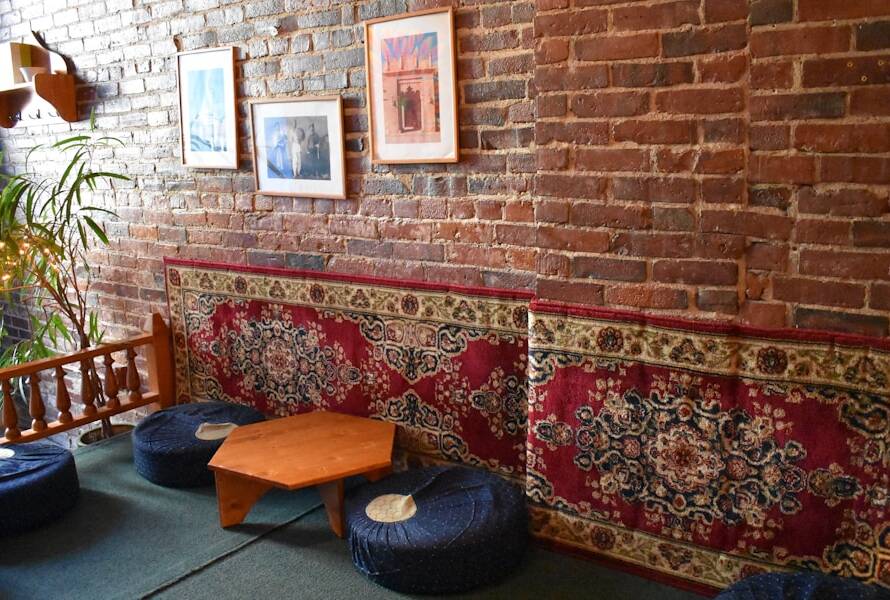
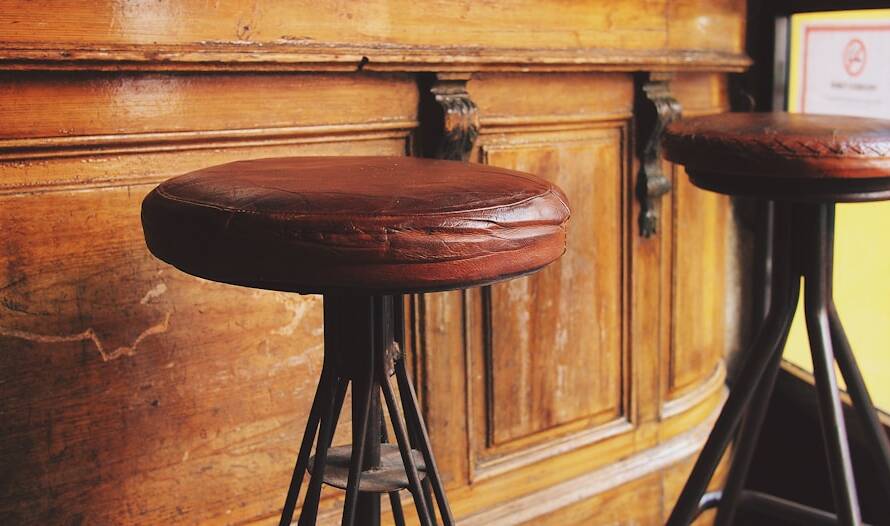
Before embarking on the journey of creating a home bar, it is crucial to assess the available space and your specific needs. The first step involves evaluating the area where you plan to set up your bar. This could be a corner of your living room, a dedicated basement space, or even a patio.
Measure the dimensions of the area to understand how much room you have to work with. Consider factors such as foot traffic, accessibility, and proximity to other areas like the kitchen or dining room. A well-placed bar can enhance the flow of your home, making it a natural gathering spot for friends and family.
Next, think about your personal preferences and how you envision using your bar. Are you an avid cocktail enthusiast who enjoys mixing drinks for guests, or do you prefer a simple setup for casual gatherings?
For instance, if you frequently entertain large groups, a larger bar with ample seating and storage for various liquors and glassware may be necessary.
Additionally, consider whether you want to incorporate features like a sink, refrigerator, or even a draft beer system, as these elements can significantly influence both design and functionality.
Key Takeaways
- Assess your space and needs to determine the size and style of your home bar
- Design a functional and aesthetically pleasing bar layout that fits your space
- Source affordable materials and furniture for your home bar to stay within budget
- Consider DIY bar construction to save money and customize your bar to your preferences
- Use budget-friendly decor and accessories to add personality to your home bar
- Stock your bar with essential liquor and mixers for a variety of drink options
- Host a housewarming party to show off your new home bar to friends and family
- Maintain and enjoy your home bar by keeping it clean and organized for future gatherings
Designing Your Bar Layout
Once you have assessed your space and needs, the next step is to design the layout of your bar. The layout should not only be aesthetically pleasing but also functional. Start by sketching out a basic floor plan that includes the dimensions of your space.
Think about the flow of movement around the bar; guests should be able to navigate easily without feeling cramped. A U-shaped or L-shaped bar can create an inviting atmosphere while maximizing seating capacity. If space allows, consider adding bar stools or high-top tables to encourage social interaction.
Incorporating storage into your design is essential for maintaining an organized bar area. Shelving units or cabinets can be used to store bottles, glassware, and tools. Open shelving can add a decorative touch while allowing easy access to frequently used items.
Additionally, think about the placement of your liquor bottles and mixers. A well-organized bar will have frequently used items within easy reach, while less common ingredients can be stored higher up or in less accessible areas. Lighting is another critical aspect of your design; ambient lighting can create a warm atmosphere, while task lighting ensures that you can see what you’re doing when mixing drinks.
Sourcing Affordable Materials and Furniture
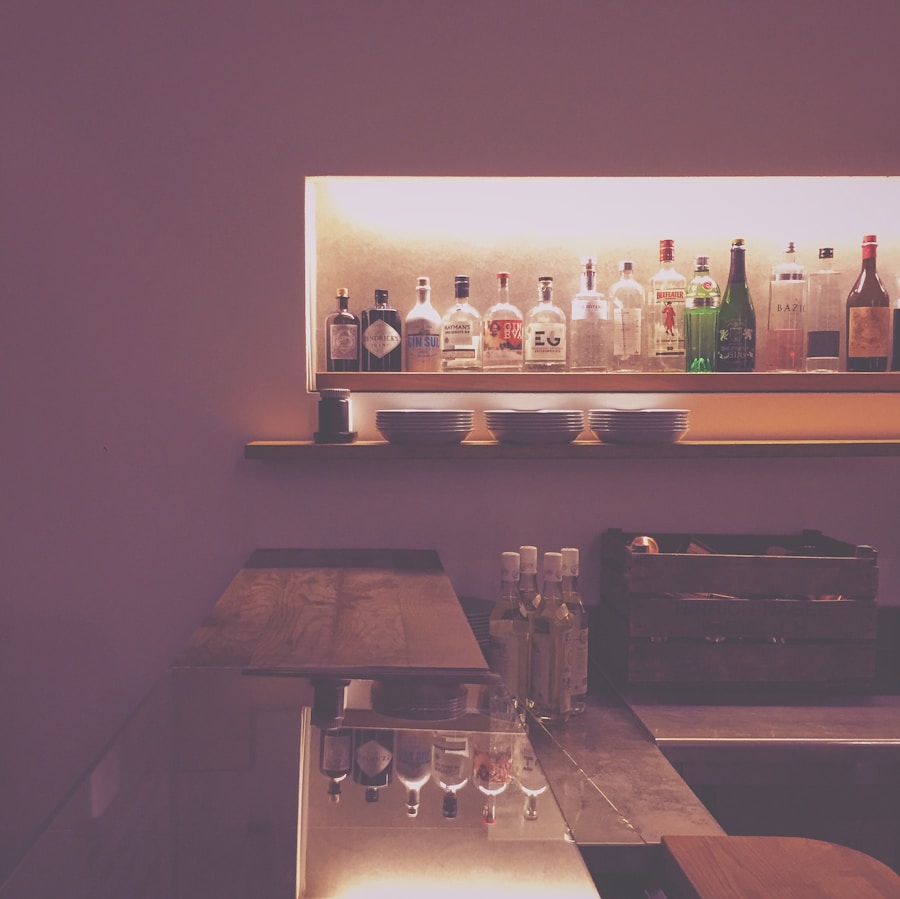
Creating a home bar doesn’t have to break the bank; sourcing affordable materials and furniture is key to staying within budget while achieving the desired look. Start by exploring local thrift stores, garage sales, and online marketplaces like Craigslist or Facebook Marketplace for second-hand furniture that can be repurposed or refinished. A vintage dresser can be transformed into a stylish bar cabinet with a little creativity and effort.
Look for pieces that have good bones but may need some cosmetic updates, such as new paint or hardware. When it comes to materials, consider using plywood or MDF for constructing shelves or countertops. These materials are often more affordable than solid wood but can still provide a sturdy and attractive finish when painted or stained appropriately.
If you’re looking for a more polished look without the hefty price tag, laminate surfaces can mimic the appearance of wood or stone at a fraction of the cost. Additionally, don’t overlook the potential of DIY projects; building your own bar from scratch using reclaimed wood or pallets can be both cost-effective and rewarding.
DIY Bar Construction
Constructing your own home bar can be an exciting project that allows for customization according to your specific tastes and needs. Begin by gathering all necessary tools and materials before diving into construction. Basic tools such as a saw, drill, level, and measuring tape will be essential for building a sturdy structure.
If you’re new to woodworking or DIY projects, there are countless online tutorials and plans available that can guide you through the process step-by-step. Start with the frame of your bar; this will provide the foundation for everything else. Depending on your design, you may want to build a simple rectangular frame that can support a countertop.
Once the frame is complete, attach plywood or another material for the top surface. If you’re feeling adventurous, consider adding features like built-in wine racks or shelves for glassware during this stage of construction. Remember to sand down any rough edges and apply a finish that complements your overall design aesthetic.
Budget-Friendly Bar Decor and Accessories
Decorating your home bar is an opportunity to express your personality while creating an inviting atmosphere for guests. When it comes to decor, think about themes that resonate with you—whether it’s vintage, modern, rustic, or tropical—and choose accessories that align with that vision. For instance, if you lean towards a vintage theme, consider incorporating antique glassware or retro signage that reflects the era.
Lighting plays a significant role in setting the mood at your bar. String lights or pendant fixtures can add warmth and charm without requiring a significant investment. Additionally, consider using mirrors to create an illusion of space and reflect light around the area.
Wall art featuring cocktail recipes or framed photographs from memorable gatherings can personalize your space further. Plants can also enhance the ambiance; consider low-maintenance options like succulents or herbs that can double as fresh garnishes for cocktails.
Stocking Your Bar with Essential Liquor and Mixers
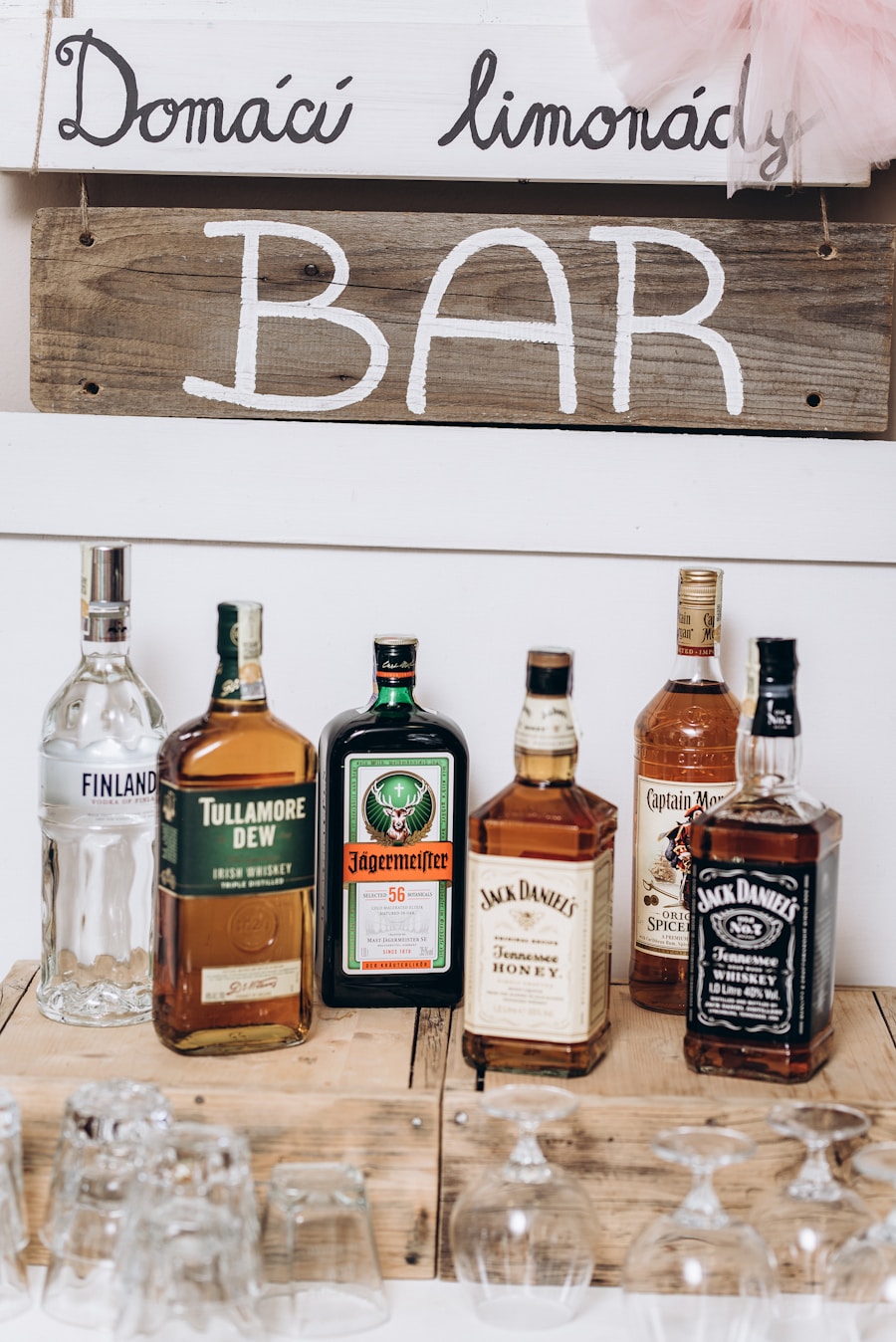
A well-stocked home bar is essential for entertaining guests and enjoying cocktails at home. Start by curating a selection of essential liquors that form the backbone of many classic cocktails. This typically includes vodka, gin, rum, tequila, whiskey, and vermouth.
Depending on your preferences and those of your guests, you may also want to include specialty spirits like amaretto or absinthe. In addition to liquor, mixers are crucial for creating delicious drinks. Stock up on tonic water, club soda, ginger beer, and various fruit juices like orange juice and cranberry juice.
Bitters are another important component that can elevate cocktails with just a few dashes. Don’t forget garnishes such as olives, cherries, citrus slices, and fresh herbs; these not only enhance flavor but also add visual appeal to your drinks. As you build your collection, consider keeping track of what you have on hand to avoid duplicate purchases and ensure you’re always prepared for impromptu gatherings.
Hosting a Housewarming Party
Once your home bar is complete and stocked with essentials, it’s time to show it off by hosting a housewarming party. This event serves as an excellent opportunity to invite friends and family over to celebrate your new space while showcasing your newly created bar area. To make the event memorable, consider crafting a signature cocktail that reflects your style or theme for the evening; this could be something unique that you’ve created or a classic favorite.
When planning the party, think about how you want to set up the space for optimal flow and interaction among guests. Arrange seating in clusters to encourage conversation while ensuring there’s enough room for people to move around comfortably. A buffet-style setup for snacks and appetizers can keep guests mingling while they enjoy drinks from your bar.
Consider creating drink menus that highlight what’s available at the bar; this not only informs guests but also adds an element of fun as they choose their beverages.
Maintaining and Enjoying Your Home Bar
After hosting your housewarming party and enjoying your new home bar with friends and family, it’s important to maintain it properly so it remains an inviting space for future gatherings. Regularly check your inventory of liquor and mixers; replace any items that are running low or have expired. Cleaning glassware after each use will prevent buildup and ensure everything looks pristine when guests arrive.
To keep the atmosphere lively and engaging, consider hosting regular themed nights or cocktail-making sessions with friends where everyone can learn new recipes together. This not only keeps your skills sharp but also fosters camaraderie among guests as they share in the experience of crafting cocktails together. Additionally, stay updated on trends in mixology; experimenting with new ingredients or techniques can keep your home bar fresh and exciting.
Creating a home bar is not just about mixing drinks; it’s about crafting an experience that brings people together in a comfortable setting filled with laughter and good conversation. By carefully assessing your space and needs, designing an inviting layout, sourcing affordable materials, constructing it yourself, decorating thoughtfully, stocking essential items, hosting memorable events, and maintaining it well, you’ll create a cherished space in your home that enhances both social interactions and personal enjoyment for years to come.
If you’re looking to make some functional enhancements to your basement while also adding value to your home, you may want to check out this article on