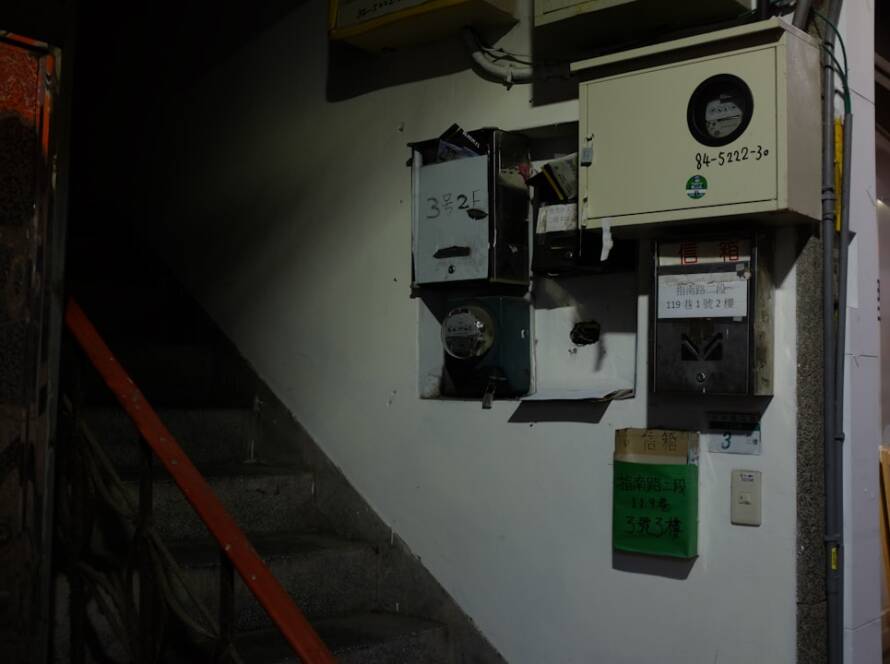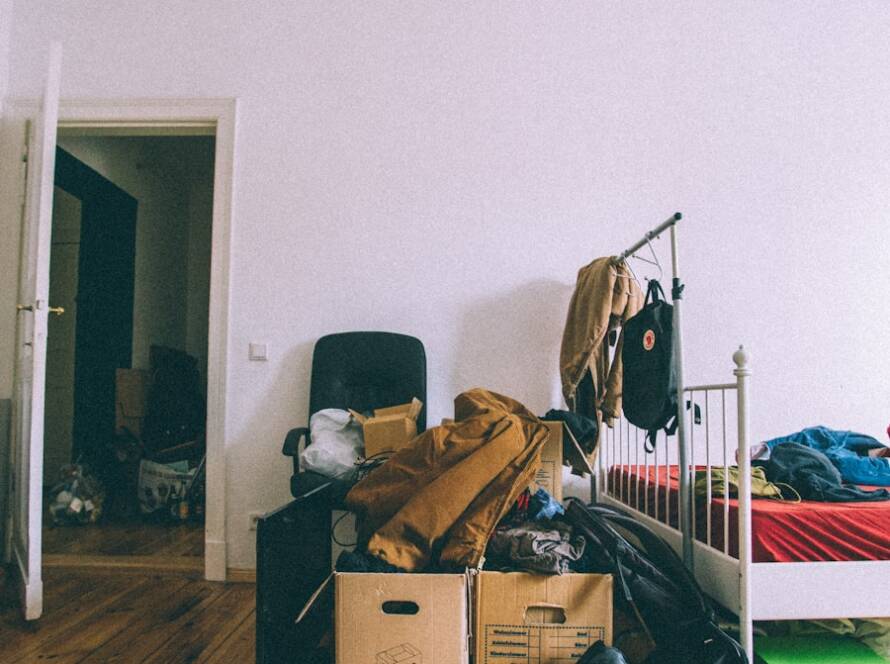
When embarking on the journey of converting a space into a rental property, the first critical step is assessing the space itself. This involves a thorough evaluation of the existing structure, its dimensions, and its potential for transformation. Whether it’s a basement, garage, or an entirely separate building on the property, understanding the layout and functionality of the space is paramount.
For instance, a basement may require significant modifications to ensure it meets the standards for livability, such as adequate ceiling height, natural light, and egress windows. Additionally, evaluating the surrounding environment is essential; proximity to amenities like public transport, schools, and shopping centers can significantly influence the desirability of the rental. Permits are another crucial aspect of this initial phase.
Local regulations often dictate what modifications can be made to a property and what permits are required. This can vary widely depending on the municipality and the type of rental being created. For example, converting a garage into a living space may require a change of use permit, while adding plumbing for a bathroom could necessitate additional inspections.
Engaging with local zoning laws and building codes early in the process can save time and money down the line. It’s advisable to consult with local authorities or a real estate attorney to ensure compliance with all regulations, as failing to secure the necessary permits can lead to fines or even forced removal of unauthorized structures.
Key Takeaways
- Assess the space and obtain necessary permits before starting any renovation or construction work on the rental property.
- Design the layout and amenities of the rental property with the long-term tenant in mind, focusing on functionality and durability.
- Choose durable and low-maintenance materials for the rental property to minimize upkeep and maintenance costs in the long run.
- Install proper insulation and ventilation to ensure energy efficiency and a comfortable living environment for tenants.
- Meet safety and building code requirements to ensure the rental property is compliant with regulations and safe for tenants.
Designing the Layout and Amenities
Once the space has been assessed and permits secured, the next step is designing an effective layout that maximizes functionality while catering to potential tenants’ needs. A well-thought-out design can significantly enhance the appeal of a rental property. For instance, an open-concept layout can create a sense of spaciousness, making smaller areas feel larger and more inviting.
Incorporating multi-functional furniture or built-in storage solutions can also optimize space usage, particularly in smaller units where every square foot counts. Amenities play a pivotal role in attracting tenants and can set your rental apart from others in the market. Consideration should be given to what features are most desirable in your area.
For example, in urban settings, tenants may prioritize in-unit laundry facilities or modern kitchen appliances, while in suburban areas, outdoor spaces such as patios or gardens may be more appealing. Additionally, energy-efficient appliances and smart home technology are increasingly sought after by renters who value sustainability and convenience.
Choosing Durable and Low-Maintenance Materials
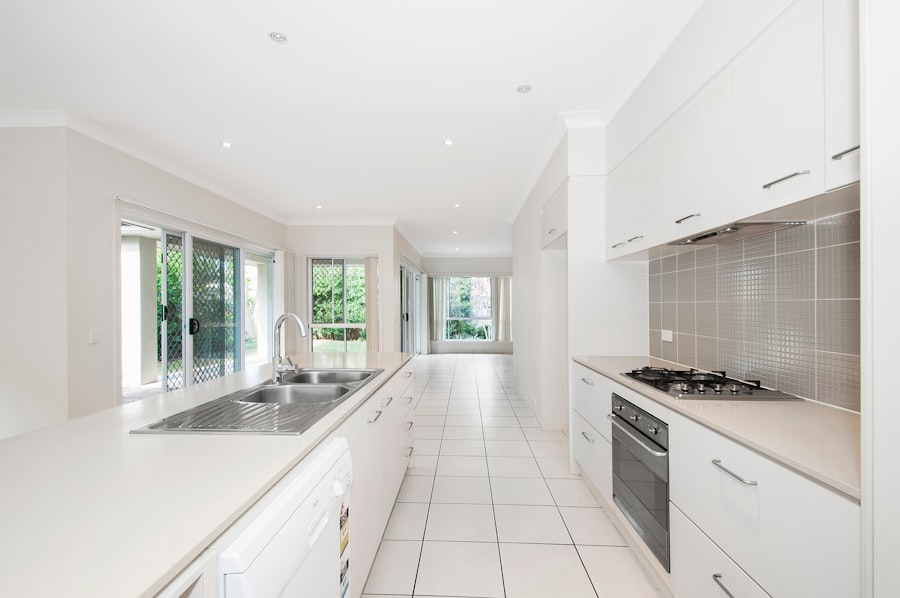
The selection of materials used in the renovation is crucial for ensuring longevity and minimizing upkeep costs. Durable materials not only withstand wear and tear but also contribute to the overall aesthetic of the rental property. For flooring, options such as luxury vinyl plank or tile are excellent choices due to their resilience against scratches and moisture, making them ideal for high-traffic areas.
In contrast, carpets may require more frequent replacement and maintenance, which can be a burden for landlords. In addition to flooring, wall finishes and countertops should also be considered carefully. For instance, using washable paint or high-quality wallpaper can help maintain a fresh appearance over time without extensive upkeep.
Similarly, quartz or granite countertops offer durability and resistance to stains compared to more porous materials like laminate. By investing in low-maintenance materials upfront, landlords can reduce long-term costs associated with repairs and replacements while providing tenants with a comfortable living environment that requires minimal effort to maintain.
Installing Proper Insulation and Ventilation
Proper insulation and ventilation are essential components of any rental property renovation that directly impact energy efficiency and tenant comfort. Insulation helps regulate indoor temperatures by minimizing heat loss in winter and keeping spaces cool during summer months. This not only enhances comfort but also reduces energy bills for both landlords and tenants.
Common insulation materials include fiberglass batts, spray foam, and rigid foam boards, each offering varying levels of thermal resistance depending on the specific needs of the space. Ventilation is equally important as it ensures adequate air circulation within the property, preventing issues such as mold growth and stale air. Installing exhaust fans in kitchens and bathrooms can help remove excess moisture and odors, contributing to a healthier living environment.
Additionally, incorporating windows that open or using energy-efficient HVAC systems can further enhance air quality. By prioritizing insulation and ventilation during renovations, landlords can create a more sustainable property that appeals to environmentally conscious renters while ensuring compliance with health standards.
Meeting Safety and Building Code Requirements
Adhering to safety standards and building codes is non-negotiable when converting a space into a rental property. These regulations are designed to protect both tenants and landlords by ensuring that living conditions are safe and habitable. Key areas of focus include electrical systems, plumbing installations, fire safety measures, and structural integrity.
For example, all electrical work must comply with local codes to prevent hazards such as short circuits or electrical fires; this often requires hiring licensed electricians for installations or upgrades. Fire safety is another critical consideration that cannot be overlooked. Installing smoke detectors in every room and carbon monoxide detectors near sleeping areas is essential for tenant safety.
Additionally, ensuring that exits are clearly marked and accessible can prevent dangerous situations during emergencies. Regular inspections by local authorities may be required to verify compliance with these codes. By prioritizing safety during renovations, landlords not only protect their investment but also foster trust with their tenants by providing a secure living environment.
Creating a Separate Entrance and Privacy Features
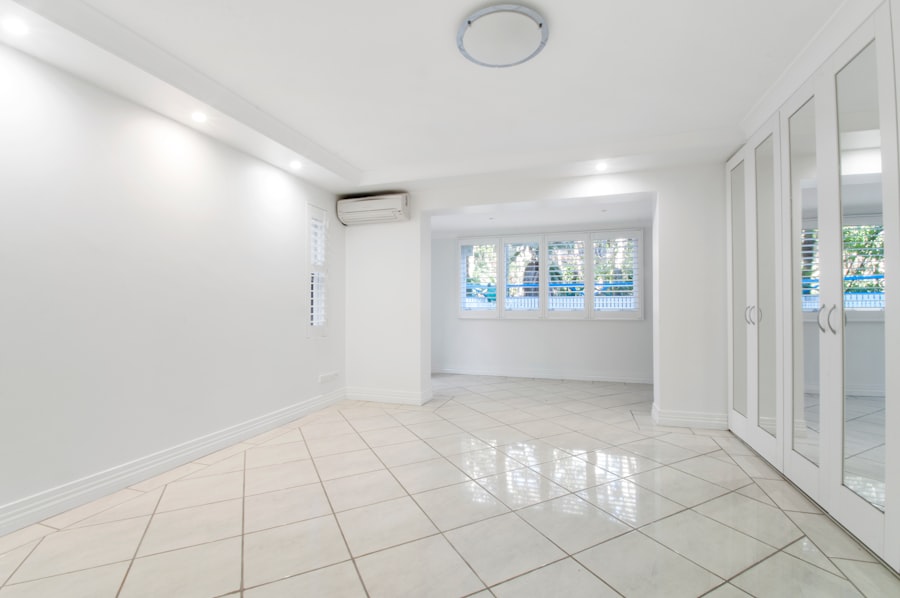
Creating a separate entrance for the rental unit is vital for ensuring tenant privacy and independence. This feature allows tenants to come and go without disturbing other occupants of the property, which is particularly important in multi-family dwellings or properties where owners reside on-site. A well-designed entrance should be easily accessible yet discreet enough to maintain privacy from the main house or other units.
In addition to a separate entrance, incorporating privacy features such as fencing or landscaping can enhance tenant satisfaction. For example, planting shrubs or installing trellises can create natural barriers that shield outdoor spaces from view while adding aesthetic appeal. Additionally, soundproofing measures between units can significantly improve comfort levels by minimizing noise transfer from adjacent spaces.
By focusing on privacy features during the design phase, landlords can create an inviting atmosphere that encourages long-term tenancy.
Furnishing and Decorating for Long-Term Tenants
Furnishing and decorating a rental property requires careful consideration to balance aesthetics with practicality. While some landlords may choose to offer fully furnished units to attract tenants seeking convenience, others may opt for partially furnished spaces that allow tenants to personalize their living environment. In either case, selecting durable furniture that withstands daily use is essential; materials such as leather or high-quality synthetic fabrics are often preferred for their resilience against stains and wear.
Decorating should also reflect current trends while remaining neutral enough to appeal to a broad audience. A fresh coat of paint in neutral tones can create an inviting backdrop that allows tenants to envision their own style within the space. Incorporating elements such as artwork or decorative accents can add character without overwhelming potential renters with overly personalized decor.
By creating a welcoming atmosphere that balances comfort with style, landlords can enhance tenant satisfaction and encourage longer lease agreements.
Marketing and Managing the Rental Property
Effective marketing strategies are crucial for attracting potential tenants to your rental property. Utilizing online platforms such as real estate websites or social media can significantly increase visibility among prospective renters. High-quality photographs showcasing the property’s best features are essential; consider hiring a professional photographer who specializes in real estate to capture images that highlight both interior spaces and outdoor amenities.
Once tenants are secured, effective management practices become vital for maintaining positive relationships and ensuring smooth operations. Clear communication regarding lease terms, maintenance requests, and community guidelines fosters trust between landlords and tenants.
By prioritizing marketing efforts alongside proactive management strategies, landlords can create a successful rental business that thrives in competitive markets.
If you are considering building a basement apartment for long-term rental in Brooklyn, you may want to check out the construction services offered by Basement Remodeling ESG. Their portfolio includes impressive examples of basement renovations that could serve as inspiration for your own project. You can learn more about their construction process and see examples of their masonry work by visiting their website here.
FAQs
What are the benefits of building a basement apartment for long-term rental in Brooklyn?
Building a basement apartment for long-term rental in Brooklyn can provide a steady source of rental income, increase the value of your property, and make use of underutilized space.
What are the legal requirements for building a basement apartment in Brooklyn?
In Brooklyn, building a basement apartment for long-term rental requires obtaining the necessary permits and approvals from the Department of Buildings, ensuring compliance with building and fire codes, and adhering to zoning regulations.
What are the key considerations when designing a basement apartment for long-term rental in Brooklyn?
Key considerations when designing a basement apartment for long-term rental in Brooklyn include maximizing natural light, ensuring proper ventilation, soundproofing, and creating a separate entrance for the apartment.
What are the potential challenges of building a basement apartment for long-term rental in Brooklyn?
Potential challenges of building a basement apartment for long-term rental in Brooklyn include addressing moisture and waterproofing issues, meeting building code requirements for ceiling height and egress, and navigating the permit and approval process.
What are the estimated costs of building a basement apartment for long-term rental in Brooklyn?
The estimated costs of building a basement apartment for long-term rental in Brooklyn can vary depending on factors such as the size of the space, the extent of renovations needed, and the cost of obtaining permits and approvals. It is advisable to consult with a contractor or architect for a more accurate estimate.