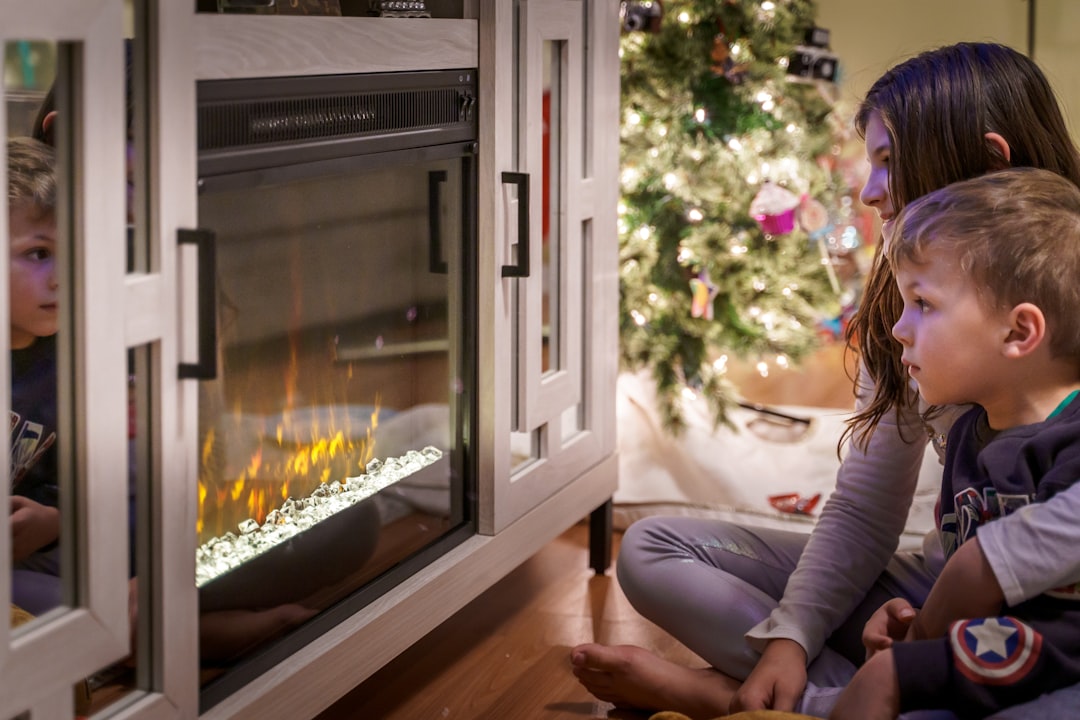
When considering the addition of a fireplace to a basement apartment, the first step is to assess the feasibility of such an installation. This involves evaluating both structural and aesthetic factors.
It is essential to determine whether the existing structure can support a fireplace, especially if it requires a chimney or flue. A thorough inspection of the basement’s foundation, walls, and ceiling height is necessary to ensure that the installation will not compromise the integrity of the space. Additionally, one must consider the local climate and how a fireplace will function within it.
In regions with harsh winters, a fireplace can provide significant warmth and comfort, making it a valuable addition. However, in milder climates, the necessity of a fireplace may be less compelling. Furthermore, assessing the overall layout of the apartment is crucial; the fireplace should enhance the living space rather than detract from it.
This assessment phase is critical in determining whether the investment in a fireplace is practical and beneficial for your specific situation.
Key Takeaways
- Adding a fireplace to your basement apartment is feasible with proper planning and assessment of space and ventilation.
- Choose the right type of fireplace for your basement apartment based on your heating needs, space availability, and budget.
- Obtain necessary permits and approvals from local authorities before installing a fireplace in your basement apartment.
- Hire a professional contractor with experience in fireplace installation to ensure safety and compliance with building codes.
- Ensure proper ventilation and safety measures are in place to prevent fire hazards and maintain air quality in your basement apartment.
Choosing the Right Type of Fireplace for Your Basement Apartment
Once feasibility has been established, the next step is to choose the right type of fireplace for your basement apartment. There are several options available, each with its own set of advantages and disadvantages. Traditional wood-burning fireplaces offer a classic aesthetic and a cozy ambiance but require a chimney and regular maintenance, including wood storage and ash disposal.
They also necessitate careful consideration of local regulations regarding emissions and safety. On the other hand, gas fireplaces provide a more modern solution with less maintenance. They can be vented or ventless, depending on the model, which can be advantageous in a basement setting where space may be limited.
Electric fireplaces are another option that has gained popularity due to their ease of installation and lack of emissions. They can be placed almost anywhere and come in various styles, from sleek and contemporary to rustic and traditional. Each type of fireplace has its own installation requirements and operational costs, making it essential to weigh these factors against your lifestyle and preferences.
Obtaining Necessary Permits and Approvals
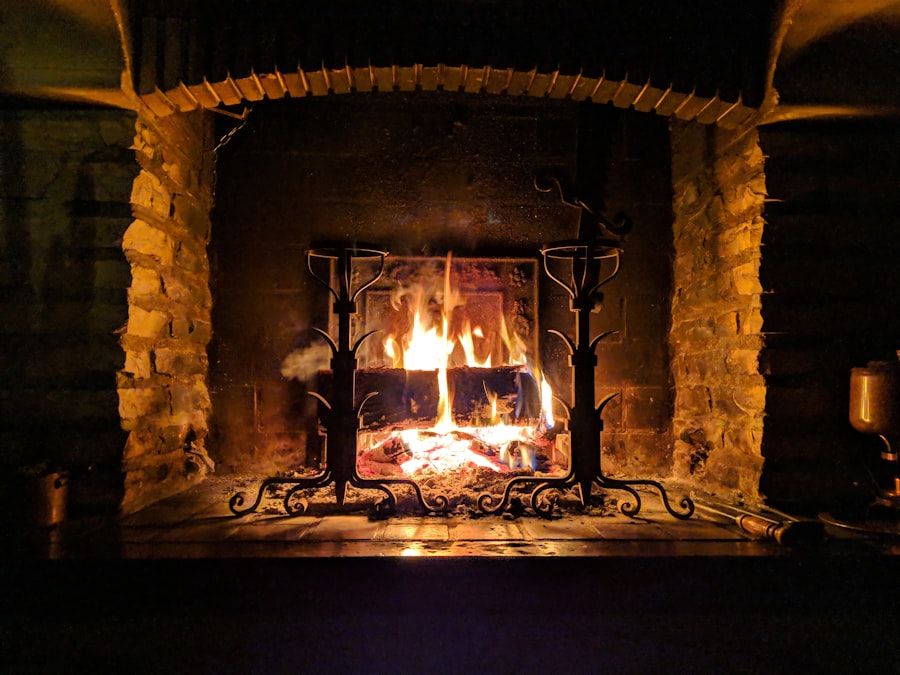
Before proceeding with any installation, it is crucial to obtain the necessary permits and approvals from local authorities. Building codes vary significantly from one municipality to another, and compliance is essential to ensure safety and legality. In many cases, adding a fireplace will require a building permit, especially if it involves structural changes or new ventilation systems.
It is advisable to consult with local building officials or a knowledgeable contractor who can guide you through the permitting process. In addition to building permits, you may also need to consider zoning regulations that could affect your ability to install a fireplace in your basement apartment. Some areas have restrictions on the types of heating systems that can be used in residential buildings or specific zones.
Understanding these regulations early in the planning process can save time and prevent costly delays later on. Engaging with local fire marshals may also be necessary to ensure that your fireplace meets safety standards.
Hiring a Professional Contractor for Installation
Once all permits are secured, hiring a professional contractor for installation is a critical step in ensuring that your fireplace is installed correctly and safely. A qualified contractor will have experience with fireplace installations and will understand the specific requirements for basements, including proper ventilation and clearance from combustible materials. It is essential to conduct thorough research when selecting a contractor; look for reviews, ask for references, and verify their credentials.
During the hiring process, it is also important to discuss your vision for the fireplace and any specific design elements you wish to incorporate. A skilled contractor can provide valuable insights into what is feasible within your space while also adhering to local building codes. They can help you navigate any unexpected challenges that may arise during installation, ensuring that the project runs smoothly from start to finish.
Ensuring Proper Ventilation and Safety Measures
Proper ventilation is paramount when installing a fireplace in a basement apartment. Insufficient ventilation can lead to dangerous situations, including carbon monoxide buildup or smoke infiltration into living spaces. Depending on the type of fireplace chosen, different ventilation solutions may be required.
For instance, traditional wood-burning fireplaces necessitate a chimney that extends above the roofline to ensure proper airflow, while gas fireplaces may require venting through an exterior wall or ceiling. In addition to ventilation, implementing safety measures is crucial for protecting both residents and property. This includes installing smoke detectors and carbon monoxide detectors in proximity to the fireplace.
Regular maintenance checks should also be scheduled to ensure that all components are functioning correctly. Homeowners should familiarize themselves with fire safety protocols, including having an accessible fire extinguisher nearby and understanding how to respond in case of an emergency.
Selecting the Perfect Location for Your Fireplace
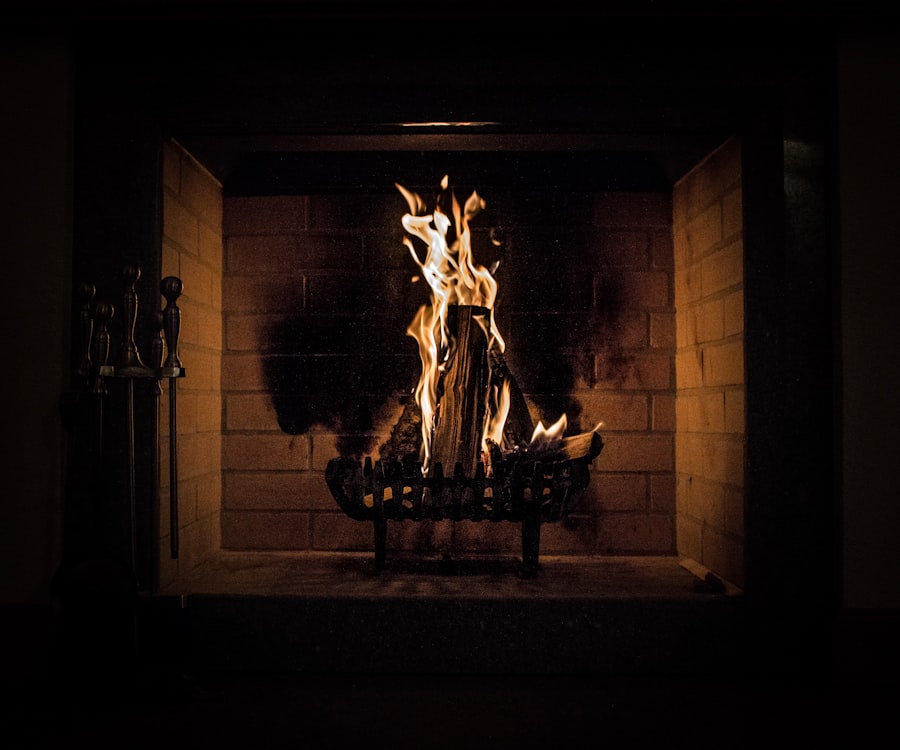
The location of your fireplace within your basement apartment can significantly impact both its functionality and aesthetic appeal. Ideally, it should be situated in a central area where it can effectively heat the space while also serving as a focal point for design. Consideration should be given to how the fireplace will interact with existing furniture arrangements and traffic flow within the room.
Natural light is another factor to consider when selecting a location for your fireplace. While basements often lack windows, positioning the fireplace near any available light sources can enhance its visual appeal and create a more inviting atmosphere. Additionally, think about how you plan to use the space; if you envision cozy gatherings around the fire, placing it in an area conducive to seating arrangements will enhance its usability.
Incorporating the Fireplace into Your Basement Apartment’s Design
Integrating a fireplace into your basement apartment’s design requires careful thought about style and materials. The fireplace should complement the overall aesthetic of your home while also standing out as a unique feature.
Conversely, if your basement has more traditional elements such as exposed brick or wooden beams, a classic wood-burning fireplace might be more appropriate. The choice of materials—such as stone, tile, or metal—can also play a significant role in how well the fireplace fits into your design scheme. Custom mantels or surrounds can further enhance its visual impact while providing additional storage or display space.
Enjoying the Benefits of a Cozy Fireplace in Your Brooklyn Basement Apartment
The addition of a fireplace in your Brooklyn basement apartment offers numerous benefits beyond mere aesthetics. A well-placed fireplace can transform an otherwise utilitarian space into a warm and inviting retreat during colder months. The ambiance created by flickering flames provides an unparalleled sense of comfort that can enhance relaxation after long days.
Moreover, fireplaces can serve as an energy-efficient heating source when used correctly, potentially reducing reliance on central heating systems during winter months. This not only contributes to lower energy bills but also promotes sustainability by utilizing renewable resources like wood or natural gas more efficiently than electric heating options. Ultimately, incorporating a fireplace into your basement apartment not only elevates its design but also enriches your living experience by creating a cozy haven amidst the hustle and bustle of urban life in Brooklyn.
If you are considering adding a fireplace to your Brooklyn basement apartment, you may also be interested in learning about key renovation strategies to revitalize your home. This article provides valuable insights on how to transform your living space through strategic renovations. By following a step-by-step basement remodeling process, you can create a cozy and inviting atmosphere in your home. Check out this