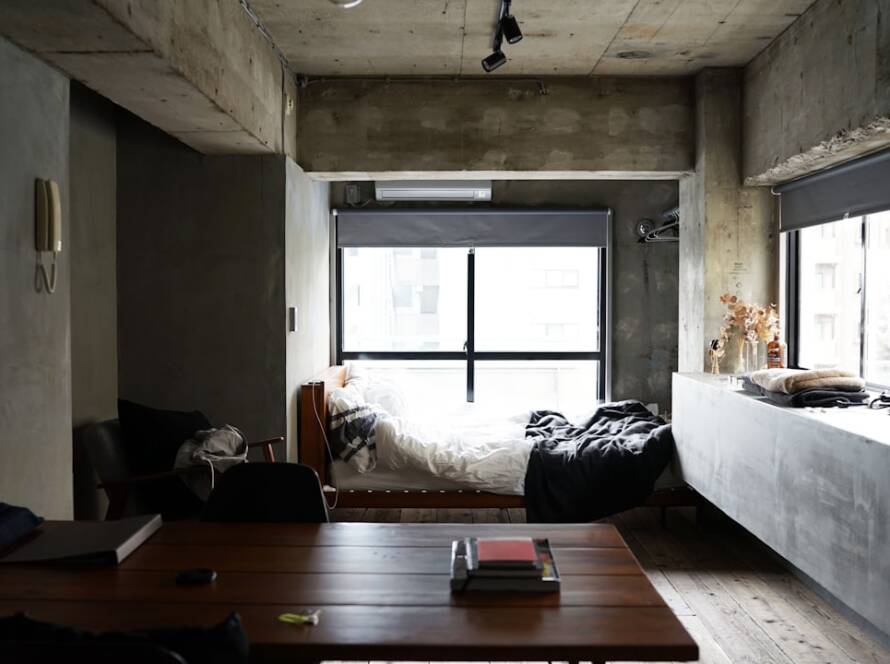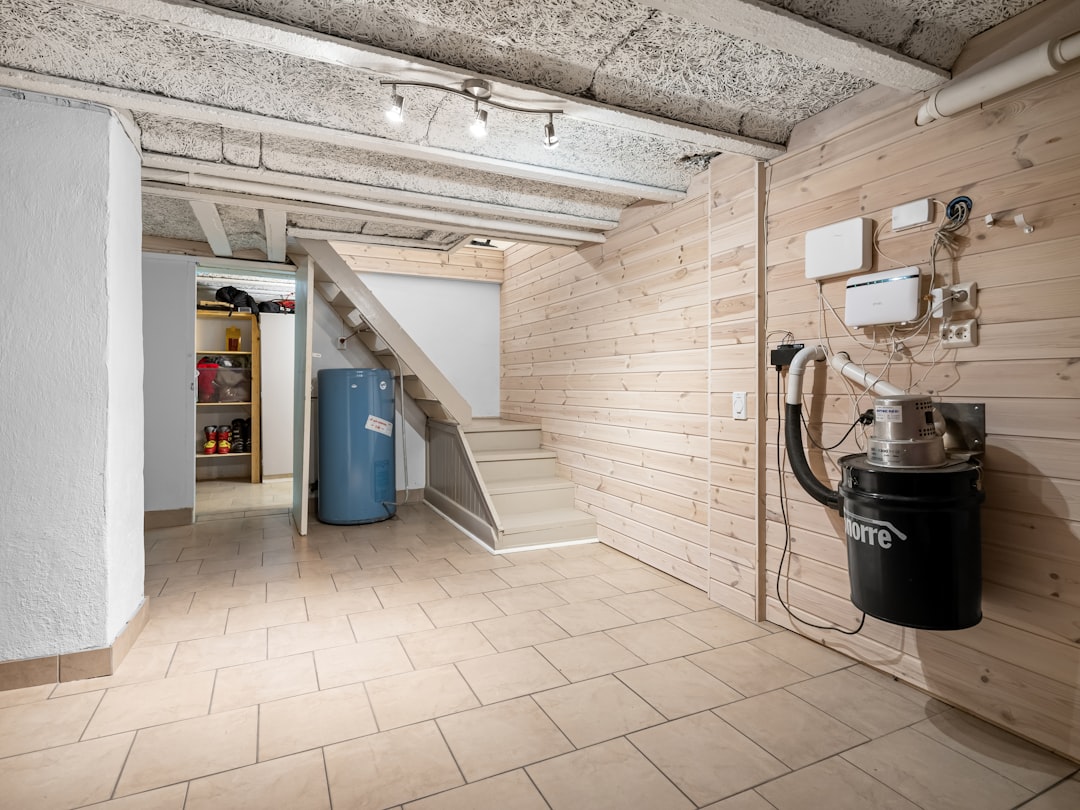
As urban living continues to rise in popularity, particularly in densely populated areas like Brooklyn, the demand for innovative and sustainable housing solutions has never been more pressing. Basement apartments, often seen as underutilized spaces, present a unique opportunity for eco-friendly renovations. Transforming these subterranean areas into livable, energy-efficient homes not only maximizes space but also contributes to a more sustainable urban environment.
Eco-friendly basement renovations focus on minimizing environmental impact while enhancing the quality of life for residents. This approach encompasses a variety of strategies, from energy-efficient appliances to sustainable materials, all aimed at creating a healthier living space. The importance of eco-friendly renovations extends beyond individual benefits; they contribute to broader environmental goals.
By reducing energy consumption and utilizing sustainable materials, homeowners can significantly decrease their carbon footprint. In a city like Brooklyn, where real estate is at a premium, optimizing existing structures through eco-friendly practices can also alleviate some of the pressures on urban sprawl. This article will explore various aspects of eco-friendly basement apartment renovations, providing insights into practical solutions that can be implemented to create a more sustainable living environment.
Key Takeaways
- Eco-friendly basement apartment renovations can help reduce environmental impact and save on energy costs.
- Energy-efficient lighting and appliances are essential for creating a sustainable living space.
- Sustainable flooring options such as bamboo, cork, or reclaimed wood can contribute to a greener basement apartment.
- Proper insulation and temperature control are crucial for energy efficiency and comfort in a basement apartment.
- Water-saving fixtures and appliances, as well as indoor air quality and ventilation, are important considerations for a sustainable living space.
Energy-Efficient Lighting and Appliances
One of the most impactful changes that can be made during a basement renovation is the installation of energy-efficient lighting and appliances. Traditional incandescent bulbs consume a significant amount of energy and have a shorter lifespan compared to their modern counterparts. By opting for LED lighting, homeowners can reduce energy consumption by up to 75% while enjoying a longer-lasting product.
LEDs also produce less heat, which can help maintain a comfortable temperature in the basement without over-relying on air conditioning systems.
Energy Star-rated appliances are designed to use less energy and water than standard models, making them an excellent choice for eco-conscious homeowners.
For instance, an Energy Star refrigerator can save an average of $200 over its lifetime compared to a non-rated model. When renovating a basement apartment, it is essential to consider the long-term savings associated with these appliances, as they not only lower utility bills but also contribute to a more sustainable lifestyle.
Sustainable Flooring Options
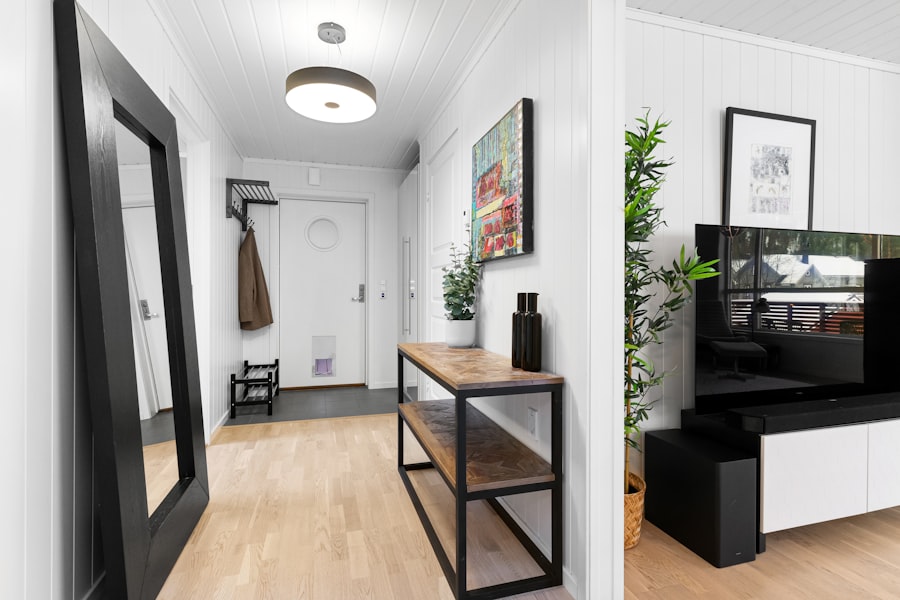
The choice of flooring in a basement apartment renovation can significantly impact both aesthetics and environmental sustainability. Traditional flooring materials such as vinyl or laminate often contain harmful chemicals and are not biodegradable. Instead, homeowners should consider sustainable options like bamboo, cork, or reclaimed wood.
Bamboo is particularly appealing due to its rapid growth rate and renewability; it can be harvested every three to five years without damaging the plant. Cork, harvested from the bark of cork oak trees, is another excellent choice as it is naturally resistant to mold and mildew—an important consideration for basement environments. Reclaimed wood flooring offers a unique aesthetic while promoting sustainability by repurposing materials that would otherwise contribute to landfill waste.
When selecting flooring materials, it is essential to consider their lifecycle impact, including production methods and transportation emissions. By choosing sustainable flooring options, homeowners can create an inviting atmosphere while supporting eco-friendly practices.
Insulation and Temperature Control
Proper insulation is vital in any renovation project, especially in basement apartments where temperature fluctuations can be more pronounced. Effective insulation helps maintain a comfortable indoor climate while reducing energy costs associated with heating and cooling. Eco-friendly insulation materials such as cellulose, made from recycled paper products, or sheep’s wool provide excellent thermal performance without the harmful chemicals found in traditional fiberglass insulation.
These materials not only improve energy efficiency but also contribute to better indoor air quality. In addition to insulation, implementing smart temperature control systems can further enhance energy efficiency in basement apartments. Programmable thermostats allow residents to set specific heating and cooling schedules based on their daily routines, ensuring that energy is not wasted when the space is unoccupied.
Additionally, incorporating passive design strategies—such as strategically placed windows for natural light and ventilation—can help regulate temperature without relying solely on mechanical systems. By focusing on insulation and temperature control, homeowners can create a comfortable living environment while minimizing their ecological footprint.
Water-Saving Fixtures and Appliances
Water conservation is an essential aspect of eco-friendly renovations, particularly in urban settings where water resources may be limited. Installing water-saving fixtures such as low-flow faucets, showerheads, and toilets can significantly reduce water consumption without sacrificing performance. For example, low-flow showerheads can reduce water usage by up to 50% while still providing an enjoyable shower experience.
Similarly, dual-flush toilets allow users to choose between a full or half flush, further conserving water. In addition to fixtures, homeowners should consider incorporating water-efficient appliances into their renovations. Energy Star-rated dishwashers and washing machines are designed to use less water while maintaining high cleaning performance.
By selecting these appliances during a basement renovation, residents can enjoy modern conveniences while contributing to water conservation efforts. Implementing water-saving strategies not only benefits the environment but also leads to lower utility bills over time.
Indoor Air Quality and Ventilation
Proper Ventilation Systems
To combat poor air quality, homeowners should prioritize proper ventilation systems that allow for adequate airflow throughout the space. This can be achieved by installing energy recovery ventilators (ERVs), which exchange stale indoor air with fresh outdoor air while minimizing energy loss.
Low-VOC Paints and Finishes
In addition to mechanical ventilation systems, using low-VOC (volatile organic compounds) paints and finishes can significantly improve indoor air quality during renovations. Traditional paints often release harmful chemicals into the air, which can contribute to respiratory issues and other health problems. By choosing low-VOC alternatives, homeowners can create a safer living environment while still achieving the desired aesthetic.
Natural Air Purification
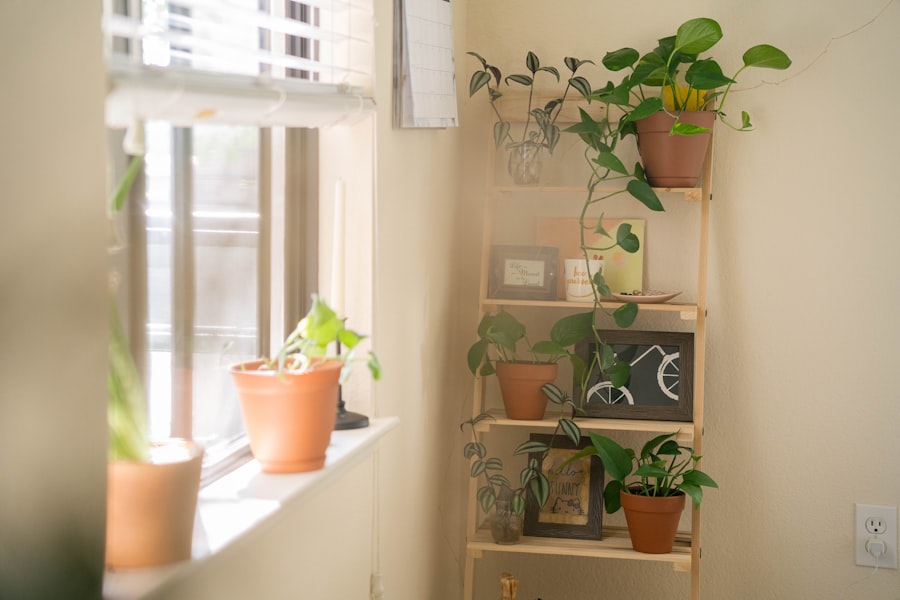
Incorporating plants into the design can also enhance air quality; certain species are known for their ability to filter toxins from the air naturally. By combining these strategies, homeowners can create a healthy and comfortable living space that promotes well-being and respiratory health.
Recycled and Upcycled Furniture and Decor
Incorporating recycled and upcycled furniture and decor into basement apartment renovations not only adds character but also promotes sustainability by reducing waste. Many homeowners are now turning to thrift stores, flea markets, and online marketplaces to find unique pieces that tell a story while being environmentally friendly. For instance, an old wooden table can be sanded down and refinished to create a stunning centerpiece for the living area.
Upcycling goes beyond just furniture; it can also include decorative elements such as wall art made from reclaimed materials or repurposed items that serve a new function. For example, old doors can be transformed into headboards or shelving units, adding both style and functionality to the space. By choosing recycled or upcycled items, homeowners not only support sustainable practices but also create a personalized living environment that reflects their values.
Green Roof and Garden Spaces
Incorporating green roofs or garden spaces into basement apartment renovations can significantly enhance both aesthetics and environmental benefits. Green roofs involve planting vegetation on rooftops, which helps insulate the building while absorbing rainwater and reducing urban heat island effects. This practice not only contributes to biodiversity but also improves air quality by filtering pollutants.
For those with access to outdoor spaces adjacent to their basement apartments, creating garden areas can provide additional benefits. Urban gardening promotes local food production and reduces reliance on store-bought produce that often comes with high carbon footprints due to transportation. Raised garden beds or vertical gardens can be implemented even in limited spaces, allowing residents to grow herbs or vegetables while beautifying their surroundings.
These green spaces foster a connection with nature and contribute positively to mental well-being.
Solar Power and Renewable Energy Options
Integrating solar power into basement apartment renovations represents a significant step toward sustainability by harnessing renewable energy sources. Installing solar panels on rooftops or utilizing solar shingles can provide clean energy for household needs while reducing reliance on fossil fuels. In Brooklyn, where sunlight is abundant during certain seasons, solar power systems can yield substantial savings on electricity bills over time.
Additionally, homeowners may explore other renewable energy options such as wind turbines or geothermal heating systems if feasible within their property constraints. These technologies not only reduce carbon emissions but also promote energy independence by allowing residents to generate their own power. As technology advances and costs decrease, investing in renewable energy solutions becomes increasingly accessible for urban dwellers looking to enhance their eco-friendly renovations.
Waste Management and Recycling Strategies
Effective waste management is an integral part of any renovation project, particularly when aiming for eco-friendliness. Homeowners should develop strategies for minimizing waste during the renovation process by recycling materials whenever possible. For instance, old cabinetry or fixtures that are still functional can be donated or sold rather than discarded.
Many organizations accept building materials for reuse in community projects or resale. Implementing a comprehensive recycling program within the renovated space is equally important. Providing clearly labeled bins for recyclables such as paper, plastics, and metals encourages responsible disposal habits among residents.
Additionally, composting organic waste from cooking or gardening activities can significantly reduce landfill contributions while enriching soil for future gardening endeavors. By prioritizing waste management strategies during renovations, homeowners contribute positively to their communities and promote sustainable living practices.
Conclusion and Resources for Eco-Friendly Basement Apartment Renovations in Brooklyn
As urban areas like Brooklyn continue to evolve, embracing eco-friendly practices in basement apartment renovations becomes increasingly vital for fostering sustainable living environments. From energy-efficient lighting and appliances to innovative waste management strategies, there are numerous ways homeowners can transform their spaces into eco-conscious havens without sacrificing comfort or style. For those interested in embarking on eco-friendly renovations, various resources are available to guide the process.
Local organizations often provide workshops on sustainable building practices or offer incentives for energy-efficient upgrades. Online platforms dedicated to green living also offer valuable insights into sourcing sustainable materials and connecting with like-minded professionals in the field. By prioritizing sustainability in basement apartment renovations, residents not only enhance their own quality of life but also contribute positively to the broader community and environment—creating spaces that are not just livable but truly thrive within the urban landscape.
If you’re looking for more inspiration for your basement renovation project in Brooklyn, check out this article on the top architectural trends to inspire your next project. From modern designs to sustainable materials, this article offers a variety of ideas to help you create the eco-friendly basement apartment of your dreams. With the right hardware and flooring services, you can transform your basement into a stylish and environmentally friendly living space that reflects your personal style and values. Click here to read more about the latest trends in basement renovation.
FAQs
What are some eco-friendly basement apartment ideas for Brooklyn renovators?
Some eco-friendly basement apartment ideas for Brooklyn renovators include using sustainable building materials, installing energy-efficient appliances, incorporating natural lighting and ventilation, and implementing water-saving fixtures.
How can sustainable building materials be used in a basement apartment renovation?
Sustainable building materials such as reclaimed wood, bamboo flooring, recycled glass countertops, and low-VOC paints can be used in a basement apartment renovation to reduce environmental impact and promote healthier indoor air quality.
What are some examples of energy-efficient appliances for a basement apartment?
Examples of energy-efficient appliances for a basement apartment include ENERGY STAR-rated refrigerators, dishwashers, washing machines, and HVAC systems. These appliances are designed to consume less energy and water, resulting in lower utility bills and reduced environmental impact.
How can natural lighting and ventilation be incorporated into a basement apartment?
Natural lighting and ventilation can be incorporated into a basement apartment by adding egress windows, light wells, and skylights to bring in natural light and fresh air. This reduces the need for artificial lighting and mechanical ventilation, saving energy and improving indoor air quality.
What are some water-saving fixtures that can be used in a basement apartment renovation?
Water-saving fixtures such as low-flow toilets, aerated faucets, and efficient showerheads can be used in a basement apartment renovation to reduce water consumption and lower utility costs. These fixtures help conserve water without sacrificing performance.