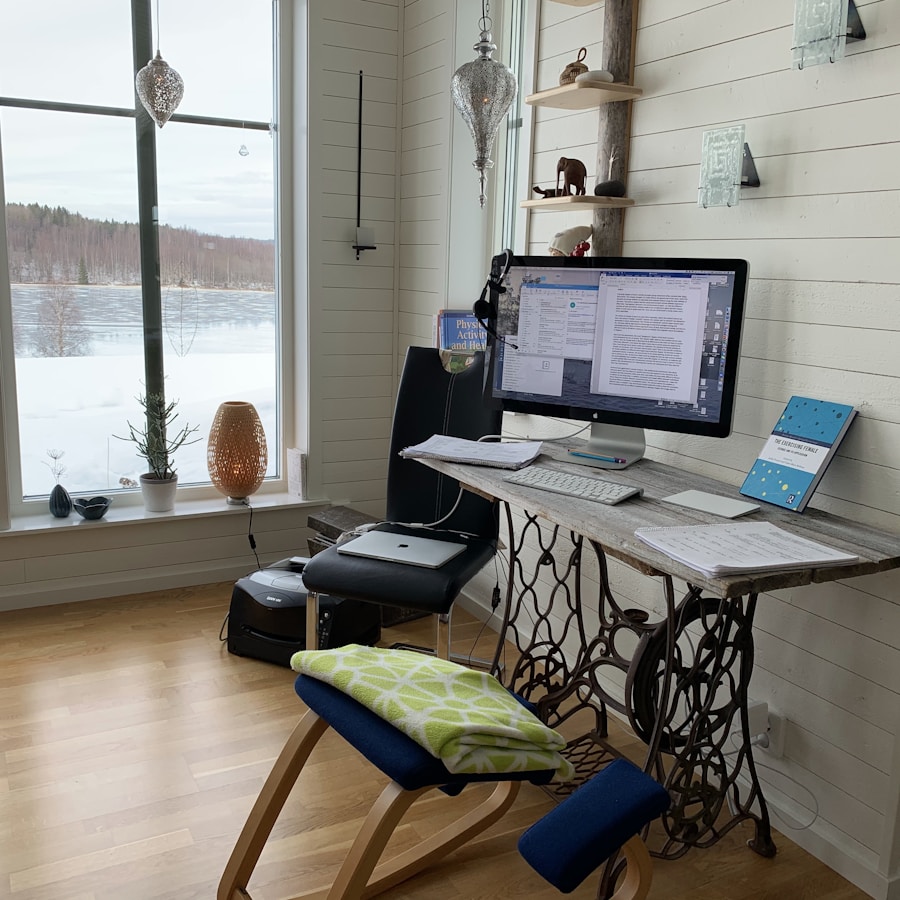
In recent years, the concept of remote work has gained significant traction, particularly in urban environments like Brooklyn, where space is at a premium. As more individuals transition to working from home, the need for a dedicated workspace has become increasingly important. One innovative solution that has emerged is the basement office.
This unique approach to home office design not only maximizes available space but also offers a range of benefits that can enhance productivity and work-life balance. Basement offices provide an opportunity to create a distinct separation between personal and professional life, which is crucial for maintaining focus and efficiency. By establishing a workspace in the basement, individuals can physically distance themselves from the distractions of family life or household chores that often accompany remote work.
Furthermore, this setup can lead to improved mental clarity and a more structured work routine, as the basement can be transformed into a personalized environment tailored to individual needs and preferences.
Key Takeaways
- A basement office provides numerous benefits for remote work, including privacy, quiet, and natural light.
- Utilizing space efficiently in Brooklyn is essential for creating a functional and productive basement office.
- Creating a quiet and private work environment in a basement office can be achieved through soundproofing and strategic layout.
- Maximizing natural light in a basement office is crucial for maintaining a positive and energizing work environment.
- Incorporating design and decor in a basement office can enhance productivity and create a pleasant work atmosphere.
Utilizing Space Efficiently in Brooklyn
Brooklyn is known for its vibrant culture and diverse neighborhoods, but it is also characterized by its limited living space. Many residents find themselves in apartments or homes where every square foot counts. In this context, utilizing a basement as an office can be a game-changer.
Basements often remain underutilized, serving primarily as storage areas for seasonal items or old furniture. By converting this space into a functional office, homeowners can reclaim valuable square footage and create an efficient work environment. The process of transforming a basement into an office involves careful planning and design.
Homeowners can assess their specific needs—such as desk space, storage solutions, and seating arrangements—and tailor the layout accordingly. For instance, incorporating built-in shelves or cabinets can help maximize vertical space while keeping the area organized. Additionally, using multifunctional furniture, such as a desk that doubles as a meeting table or a foldable chair, can further enhance the efficiency of the workspace.
This strategic use of space not only makes the basement office practical but also contributes to a more organized home overall.
Creating a Quiet and Private Work Environment

One of the most significant advantages of establishing a basement office is the inherent privacy it offers. Unlike other areas of the home that may be bustling with activity, basements typically provide a quieter atmosphere conducive to focused work. This separation from the main living areas allows individuals to concentrate on their tasks without the interruptions that often occur in shared spaces.
Moreover, the soundproofing qualities of a basement can be enhanced through thoughtful design choices. For example, adding carpets or rugs can help absorb sound, while heavy curtains can block out noise from outside. Additionally, insulating walls and ceilings can further reduce distractions from both within and outside the home.
By creating a serene environment, individuals can immerse themselves in their work, leading to increased productivity and job satisfaction.
Maximizing Natural Light in a Basement Office
While basements are often perceived as dark and dreary spaces, there are numerous ways to maximize natural light in a basement office. Natural light has been shown to have a positive impact on mood and productivity, making it essential to incorporate it into any workspace design. One effective strategy is to install larger windows or egress windows that allow more sunlight to enter the space.
This not only brightens the room but also creates a more inviting atmosphere. In addition to window modifications, utilizing reflective surfaces can enhance the overall brightness of the office. For instance, incorporating light-colored walls and furniture can help bounce light around the room, making it feel more open and airy.
Mirrors are another excellent tool for maximizing light; strategically placing them can create an illusion of depth while amplifying natural illumination. Furthermore, using translucent window treatments allows for privacy without sacrificing light, ensuring that the basement office remains bright and welcoming throughout the day.
Incorporating Design and Decor to Enhance Productivity
The design and decor of a basement office play a crucial role in fostering productivity and creativity. A well-designed workspace should reflect personal style while also promoting focus and efficiency. Choosing an appropriate color palette is one way to achieve this; studies have shown that certain colors can influence mood and productivity levels.
For example, blues and greens are often associated with calmness and concentration, while yellows can inspire creativity and energy. Incorporating elements of biophilic design—such as plants or natural materials—can also enhance the workspace’s aesthetic appeal while improving air quality and overall well-being. Plants not only add visual interest but also have been shown to reduce stress and increase productivity levels.
Additionally, personal touches such as artwork or motivational quotes can create an inspiring environment that encourages individuals to engage with their work actively.
Utilizing Technology and Connectivity in a Basement Office

In today’s digital age, having access to reliable technology and connectivity is paramount for any home office setup. A basement office should be equipped with high-speed internet access to facilitate seamless communication and collaboration with colleagues or clients. Installing additional network equipment, such as routers or extenders, may be necessary to ensure strong connectivity throughout the space.
Moreover, integrating smart technology into the basement office can enhance functionality and convenience.
Additionally, utilizing noise-canceling headphones or sound systems can further improve focus by minimizing distractions from outside noise or household activities.
Addressing Potential Challenges of a Basement Office
While there are numerous benefits to establishing a basement office, it is essential to address potential challenges that may arise during the conversion process. One common concern is moisture control; basements are often prone to dampness, which can lead to mold growth and damage over time. To mitigate this risk, homeowners should invest in proper waterproofing measures and ensure adequate ventilation within the space.
Another challenge may involve lighting; basements typically lack natural light compared to upper floors. Homeowners should consider installing bright LED lighting fixtures that mimic daylight to create an inviting atmosphere conducive to productivity. Additionally, incorporating adjustable lighting options allows individuals to customize their workspace according to their needs throughout the day.
The Advantages of a Basement Office for Remote Work in Brooklyn
The advantages of establishing a basement office in Brooklyn are manifold, particularly for those navigating the complexities of remote work in an urban setting. By utilizing underused space efficiently, creating a quiet environment, maximizing natural light, incorporating thoughtful design elements, leveraging technology, and addressing potential challenges, individuals can transform their basements into productive workspaces that enhance both professional performance and personal well-being. As remote work continues to evolve, finding innovative solutions that cater to individual needs will be paramount.
For Brooklyn residents seeking to optimize their living spaces while embracing the benefits of remote work, converting a basement into an office may very well be the ideal solution.
If you are considering turning your basement into a home office, you may want to check out this article on