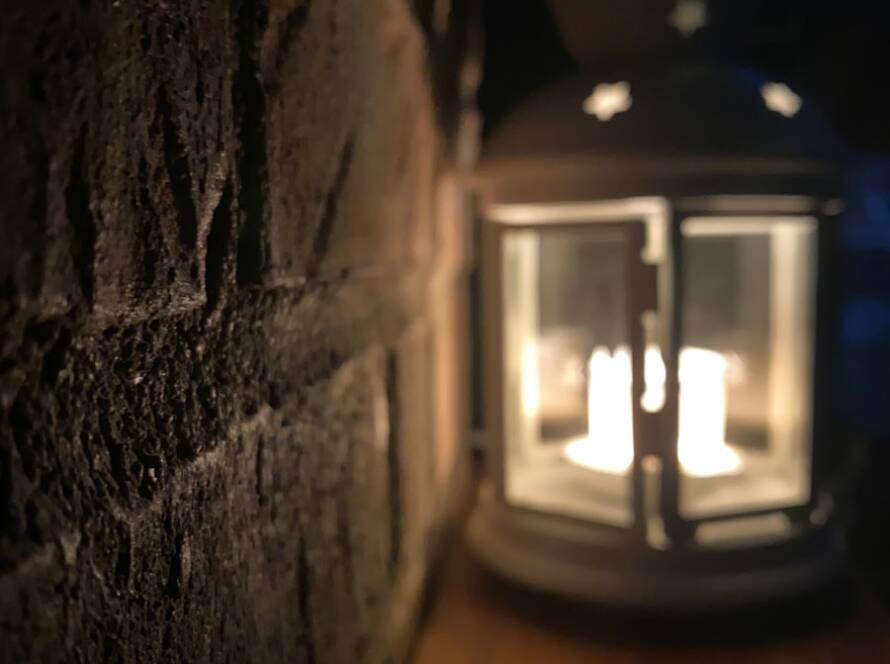
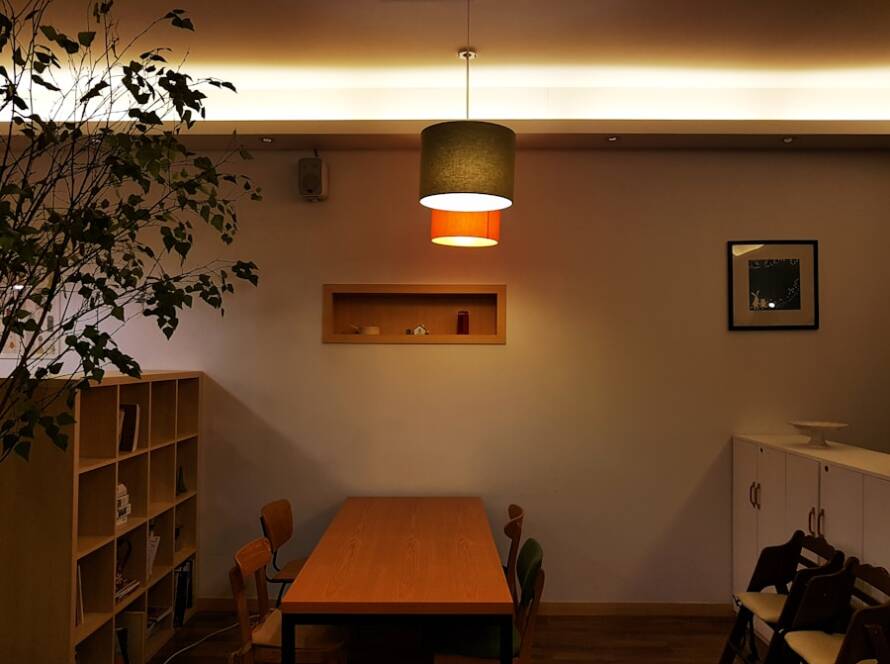
Creating an immersive home theater experience in a basement requires careful consideration of lighting. Proper lighting is crucial not only for functionality but also for enhancing the overall ambiance of the space. A well-lit environment can significantly impact the viewing experience, allowing for a more engaging and enjoyable atmosphere.
In a basement, where natural light is often limited, the right lighting choices can transform a dark, uninviting space into a cozy and inviting theater. The interplay of light and shadow can enhance the visual quality of films, making colors pop and details more discernible. Moreover, the importance of lighting extends beyond mere aesthetics; it also plays a vital role in the comfort and safety of the space.
A basement home theater often serves as a gathering place for family and friends, and adequate lighting ensures that everyone can navigate the area safely. This includes illuminating pathways, seating areas, and exits without detracting from the cinematic experience. By strategically planning the lighting, homeowners can create a balance between functionality and ambiance, ensuring that the theater is both practical and visually appealing.
When designing a basement home theater, one of the first considerations is the balance between natural light and artificial lighting. Natural light can be a double-edged sword; while it can create a warm and inviting atmosphere during the day, it can also cause glare on screens and wash out colors, detracting from the viewing experience.
Blackout curtains or shades can be employed to block out unwanted sunlight during movie screenings, ensuring that the room remains dark enough for optimal viewing. On the other hand, artificial lighting is essential in a basement home theater.
It allows for complete control over the environment, enabling homeowners to create the perfect atmosphere for any film genre. The use of dimmable lights can help replicate the gradual transition from daylight to darkness that occurs in traditional theaters. By utilizing various types of artificial lighting, such as ambient, task, and accent lights, homeowners can craft a multi-layered lighting scheme that enhances both functionality and aesthetics.
This versatility allows for adjustments based on different activities, whether it’s watching a movie, playing video games, or hosting a gathering.
Key Takeaways
- Proper lighting is crucial for creating an immersive and enjoyable home theater experience in a basement.
- Natural light should be minimized in a basement home theater, while artificial lighting can be strategically used to enhance the viewing experience.
- LED lighting offers energy efficiency, customizable color options, and long lifespan for basement home theaters.
- Recessed lighting provides a sleek and unobtrusive lighting solution for basement home theaters.
- Accent lighting can be used to create a cinematic atmosphere and highlight key design elements in a basement home theater.
LED Lighting Options for Basement Home Theaters
LED lighting has revolutionized the way we think about illumination in home theaters. These energy-efficient bulbs offer a wide range of color temperatures and brightness levels, making them an ideal choice for creating a customized lighting experience. One of the most significant advantages of LED lights is their longevity; they can last up to 25 times longer than traditional incandescent bulbs, reducing maintenance costs and frequency of replacements.
Additionally, LEDs emit less heat, which is particularly beneficial in a basement setting where ventilation may be limited. Homeowners can explore various LED options to enhance their basement home theater. For instance, LED strip lights can be installed along the edges of shelves or behind screens to create a soft glow that adds depth to the room without being overpowering.
These strips are available in various colors and can be programmed to change hues based on the mood or theme of the movie being watched. Furthermore, recessed LED lights can provide general illumination while maintaining a clean and modern aesthetic. The ability to adjust brightness levels with dimmable LED fixtures allows for seamless transitions from bright light during pre-show activities to complete darkness during film screenings.
Recessed Lighting for a Sleek Look

Recessed lighting is an excellent choice for homeowners looking to achieve a sleek and modern look in their basement home theater. These fixtures are installed into the ceiling, providing a clean appearance that doesn’t detract from the overall design of the space. The unobtrusive nature of recessed lights allows for maximum flexibility in terms of placement and design, enabling homeowners to highlight specific areas without overwhelming the room with visible fixtures.
In addition to their aesthetic appeal, recessed lights offer practical benefits as well. They can be strategically placed to provide even illumination throughout the room while minimizing shadows that could distract from the viewing experience. For example, placing recessed lights along the perimeter of the room can create an ambient glow that enhances the overall atmosphere without competing with the main screen.
Furthermore, adjustable recessed fixtures allow for directional lighting, which can be aimed at specific areas such as seating or artwork, adding layers to the room’s design while maintaining focus on the cinematic experience.
Accent Lighting for a Cinematic Atmosphere
Accent lighting plays a pivotal role in establishing a cinematic atmosphere within a basement home theater. This type of lighting is designed to highlight specific features or areas within the space, creating visual interest and depth. By incorporating accent lights strategically throughout the theater, homeowners can draw attention to architectural elements, artwork, or even decorative features like popcorn machines or vintage movie posters.
One popular method of implementing accent lighting is through wall sconces or LED strips that frame the screen or highlight seating areas. These lights not only enhance the visual appeal but also contribute to an immersive experience by creating a sense of depth and dimension within the room. For instance, using colored LED lights behind the screen can create a halo effect that enhances contrast and makes images appear more vibrant.
This technique mimics professional cinema environments where ambient light is carefully controlled to enhance viewer engagement.
Dimmer Switches for Versatility
In any home theater setting, versatility is key to achieving an optimal viewing experience. Dimmer switches are an essential component that allows homeowners to adjust lighting levels according to their preferences and activities. By installing dimmer switches throughout the basement home theater, users can easily transition from bright lighting during pre-show discussions or gaming sessions to near-complete darkness when it’s time for the feature presentation.
The ability to control brightness not only enhances comfort but also helps set the mood for different types of content. For example, during action-packed films or horror movies, lower light levels can heighten tension and focus attention on the screen. Conversely, brighter settings may be more suitable for family-friendly films or social gatherings where interaction is encouraged.
This flexibility ensures that every viewing experience is tailored to meet specific needs while maintaining an inviting atmosphere.
Lighting Control Systems for Convenience

As technology continues to advance, so do options for controlling lighting in home theaters. Lighting control systems offer homeowners unparalleled convenience by allowing them to manage multiple fixtures from a single interface—whether through wall-mounted panels or mobile applications. These systems enable users to create preset lighting scenes tailored to different activities or moods with just a few taps on their smartphones.
For instance, homeowners can program a “movie night” scene that dims all lights to optimal levels while activating accent lighting around the screen. Alternatively, they might set up a “game night” scene that brightens specific areas while keeping others dimmed for focus on screens or consoles. The integration of smart technology not only enhances convenience but also allows for remote access; users can adjust settings even when they’re not physically present in the theater.
Considerations for Light Placement and Design Aesthetics
When planning lighting for a basement home theater, careful consideration must be given to both placement and design aesthetics. The arrangement of fixtures should prioritize functionality while complementing the overall design theme of the space. For example, placing lights too close to screens can cause glare and distract viewers; therefore, strategic positioning is essential for maintaining an optimal viewing experience.
Additionally, design aesthetics play a crucial role in creating an inviting atmosphere. Homeowners should consider how different lighting styles—such as modern recessed fixtures versus vintage sconces—align with their personal tastes and existing decor. The color temperature of bulbs also contributes significantly; warmer tones create a cozy ambiance while cooler tones may lend themselves better to contemporary designs.
By harmonizing light placement with design elements throughout the room, homeowners can achieve a cohesive look that enhances both functionality and visual appeal in their basement home theater.
If you are looking to transform your basement into a home theater in Brooklyn, you may want to check out this article on renovation tips to transform your space. This article provides valuable insights and ideas on how to make the most out of your basement renovation project, including tips on lighting, layout, and design. By following these tips, you can create a cozy and inviting home theater that is perfect for movie nights with family and friends.
FAQs
What are the key factors to consider when choosing lighting for a basement home theater?
Key factors to consider when choosing lighting for a basement home theater include the size and layout of the space, the desired ambiance, the type of activities that will take place in the theater, and the placement of the screen and seating.
What are the different types of lighting options for a basement home theater?
There are several types of lighting options for a basement home theater, including recessed lighting, wall sconces, LED strips, track lighting, and floor lamps. Each type of lighting offers different benefits in terms of ambiance, flexibility, and energy efficiency.
How can I create a cinematic ambiance with lighting in my basement home theater?
To create a cinematic ambiance with lighting in your basement home theater, consider using dimmable lights, installing sconces or LED strips behind the screen, and incorporating lighting control systems to adjust the brightness and color temperature of the lights according to the content being displayed.
What are some tips for effectively controlling and managing the lighting in a basement home theater?
Some tips for effectively controlling and managing the lighting in a basement home theater include using smart lighting systems with remote controls or mobile apps, installing blackout curtains or shades to block out natural light, and strategically placing lighting fixtures to minimize glare and reflections on the screen.
How can I ensure that the lighting in my basement home theater complements the overall design and decor of the space?
To ensure that the lighting in your basement home theater complements the overall design and decor of the space, consider choosing fixtures and bulbs that align with the aesthetic of the room, using lighting to highlight architectural features or artwork, and integrating lighting into the seating and storage areas for both functionality and style.